Wildlife Guide · Europe & western Asia
Dove
Streptopelia turtur (Linnaeus, 1758)
A summer voice of European woodland — vanishing on its migration to Africa.
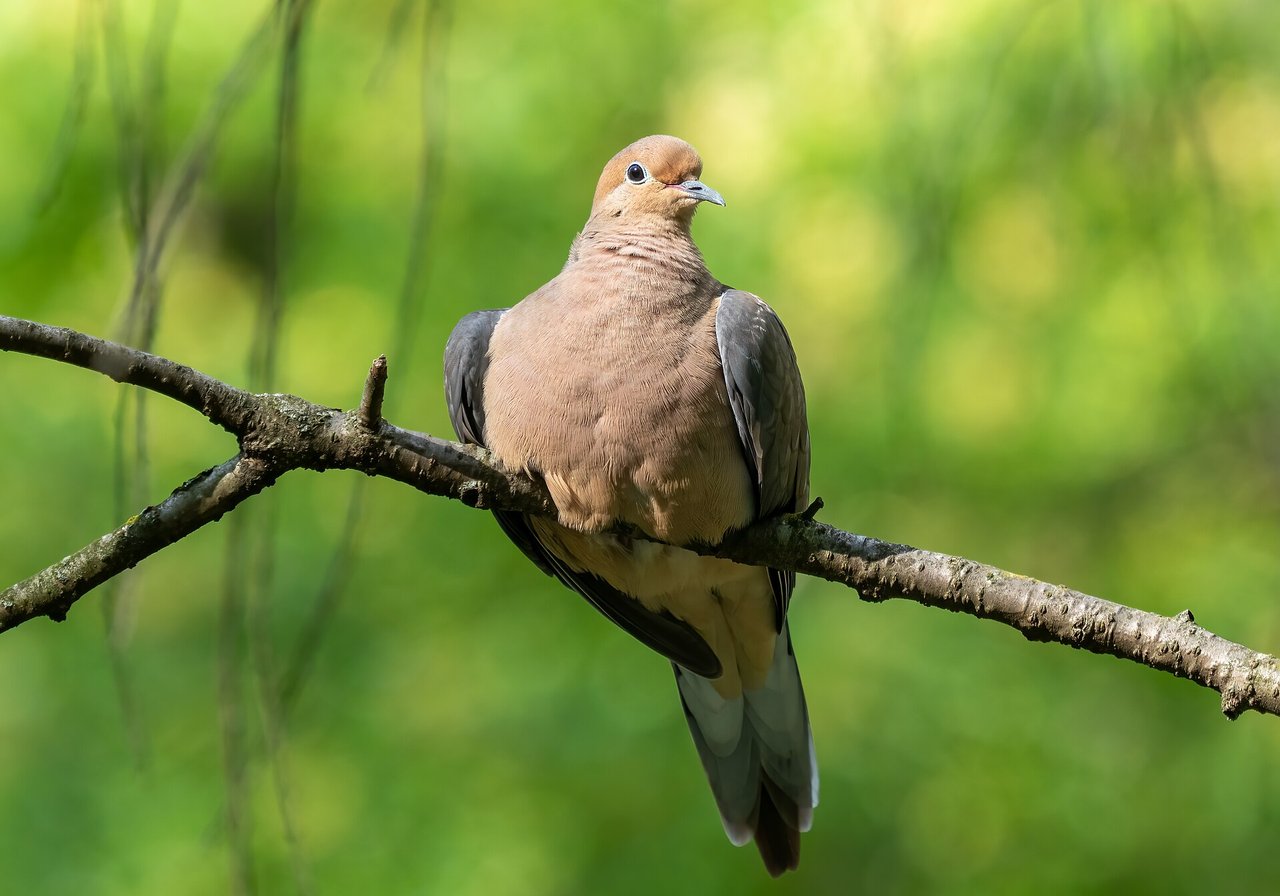
Source: Wikimedia Commons
In brief
The European turtle dove (Streptopelia turtur) is a Vulnerable migratory columbid of European woodland and farmland, declining by roughly 80% since 1970 due to habitat loss, hunting and agricultural intensification.
Also in Animals A to Z · Animals that start with D
How you can help
You can support the related appeal — read its purpose, recipient status and fund terms first — or give once to where it is needed most. Sharing accurate information helps too.
By WARN Research & Conservation TeamLast updated
Doves are gentle, ground-feeding pigeons of the family Columbidae, symbolising peace across cultures. The European turtle dove — named for its purring 'turr-turr' call — breeds in woodland and farmland from Britain to Central Asia, migrating to sub-Saharan Africa each winter. Once common across Europe, turtle dove populations have collapsed by roughly 80% since 1970. Listed as Vulnerable by the IUCN, the species faces habitat loss, hunting along migration routes and food shortages from agricultural intensification. Other doves, including the collared dove and stock dove, remain widespread, but the turtle dove's decline is one of Europe's most urgent farmland bird crises.
Vulnerable
IUCN Red List status (2021 assessment)
80%
Population decline in Europe since 1970
28 cm
Typical body length
Appendix II
CITES listing
Figures sourced from IUCN Red List — Streptopelia turtur, Operation Turtle Dove, BirdLife International — Data Zone .
Dove: Quick Facts
| Length | 26–28 cm |
|---|---|
| Diet | Weed seeds and cereal grain |
| Migration | Europe to sub-Saharan Africa |
| Song | Purging 'turr-turr' — gives species its name |
| European trend | Roughly 80% decline since 1970 |
| CITES | Appendix II |
Scientific Classification
| Kingdom | Animalia |
|---|---|
| Phylum | Chordata |
| Class | Aves |
| Order | Columbiformes |
| Family | Columbidae |
| Genus | Streptopelia |
| Species | Streptopelia turtur (Linnaeus, 1758) |
Conservation Status
- IUCN Status
- Vulnerable (IUCN, 2021). Continuing decline across European breeding range.
- Population
- Roughly 3–7 million mature individuals globally; steep decline in Europe
- Trend
- Decreasing
- Assessed
- 2021
- CITES
- Appendix II
Key Facts: Dove
- The European turtle dove is Vulnerable with an 80% decline in Europe since 1970.
- Turtle doves migrate to sub-Saharan Africa each winter — up to 5,000 km.
- Agricultural intensification removed weed seeds and fallow land they depend on.
- Spring hunting in Mediterranean countries kills hundreds of thousands annually.
- The collared dove expanded across Europe from the 1950s; turtle doves declined.
- Operation Turtle Dove in the UK coordinates habitat restoration and hunting reform.
Doves of the columbid family
Columbidae includes roughly 350 species worldwide — from the massive crowned pigeons of New Guinea to the tiny ground doves of the tropics. European turtle doves are smaller and slimmer than feral pigeons, with warm brown plumage, black-and-white neck patches and a soft purring song that once filled English summers.
Collared doves — a separate species that expanded explosively across Europe from the 1950s — are now far commoner in gardens. Stock doves nest in tree holes; woodpigeons dominate farmland. The turtle dove occupies a niche between these, feeding on weed seeds in open woodland and hedgerow margins.
Doves share columbid traits: monogamous pair bonds, crop milk for squabs and a gentle temperament that made them cultural symbols of peace from ancient Rome to the modern United Nations.
Migration across two continents
Turtle doves are long-distance migrants. Birds breeding in Britain and Scandinavia cross the Mediterranean and Sahara to winter in the Sahel — Senegal, Mali and Burkina Faso. GPS tracking reveals journeys exceeding 5,000 km, with stopovers in Iberia and North Africa to refuel.
Migration is perilous. Habitat loss in West African wintering grounds reduces food availability. Desert crossing demands fat reserves built during pre-migration feeding. Birds arriving thin in spring produce fewer young.
The flyway connects European farmland policy with African land use — conservation must address both ends of the journey. Single-country protection cannot save a species that spends half the year on another continent.
Why turtle doves are disappearing
Three drivers explain the turtle dove collapse. Agricultural intensification removed weed seeds — fumitory, chickweed, clover — that formed the bulk of their diet. Herbicide use and autumn sowing of winter cereals eliminated stubbles and fallow fields where doves fed. Nest failure rose as hedgerows were removed and woodland understorey cleared.
Spring hunting in France, Spain and Italy kills an estimated 2–4 million turtle doves annually during northward migration — a legal harvest that conservationists argue is unsustainable for a Vulnerable species. Illegal trapping adds further mortality.
Disease — including trichomonosis, which also affects greenfinches — may contribute locally. The combined pressure has reduced the British population to fewer than 2,000 pairs from an estimated 125,000 in 1970.
Conservation action
The IUCN lists the European turtle dove as Vulnerable with a continuing decline across its breeding range. Operation Turtle Dove — a partnership of the RSPB, Pensthorpe Conservation Trust and Natural England — creates nesting and feeding habitat on farms, promotes seed-rich margins and advocates for sustainable hunting limits.
The European Commission has restricted turtle dove hunting seasons in several member states, though enforcement varies. African wintering-ground projects restore Sahelian woodland and reduce trapping.
CITES Appendix II regulates international trade. Readers can support turtle doves by choosing food produced with wildlife-friendly farming, supporting organisations restoring hedgerows and advocating for sustainable flyway management.
Doves in culture and beyond
Doves appear in religious texts, political imagery and poetry as emblems of peace and fidelity. The turtle dove's melancholy song features in the Bible, Shakespeare and Stevie Nicks lyrics — a cultural presence that outlasts its fading call in modern farmland.
Other dove species face distinct pressures. The Socorro dove of Mexico is Extinct in the Wild; the Grenada dove is Critically Endangered. The turtle dove's story is a warning that even familiar, beloved birds can vanish within a human lifetime.
WARN publishes this dove guide as free public education. Farmland bird decline is a measure of ecosystem health — saving turtle doves means saving the seed-rich, hedgerow landscapes they represent.
What WARN Does
WARN publishes this dove guide as free public education. Migratory farmland birds like the turtle dove connect European agriculture with African habitat — a flyway conservation challenge that spans continents.
If this guide helps you understand wildlife and the pressures it faces, a gift to WARN supports habitat protection and free public education in our partner countries.
How can I help save the dove?
Explore practical ways to support the dove, from everyday choices and sharing reliable information to reviewing a related appeal before giving.
Explore ways to support
Read the related appeal’s purpose, recipient status and fund terms. Choose an affordable gift after checking what is proposed and what has been reported.
Ease the pressures
Avoid the wildlife trade and souvenirs, never buy wild animals as pets, and choose sustainable, habitat-friendly products — the threats behind the dove's decline fall when demand does.
Spread the word
Share accurate, sourced information about the dove. Wider awareness is what turns concern into lasting protection.
Dove: Frequently Asked Questions
How can I help save the dove?
Are turtle doves endangered?
What is the difference between a dove and a pigeon?
Why are turtle doves declining?
Do turtle doves migrate?
What do turtle doves eat?
Where do doves live?
Are doves dangerous?
How long do doves live?
How big is a dove?
Sources & References
Population figures, conservation status and biological facts on this page are drawn from authoritative scientific and intergovernmental sources.
Terms used on this page
Plain-English definitions, from our wildlife and conservation glossary.
Latest Dove Stories
Quick, fact-checked reads on the dove — amazing facts, key questions and the threats it faces.
Species
12 Amazing Facts About Grey Wolves (And Why Alpha Wolves Aren't Real)
A howl that carries 16 km, a pack that is really a family, and the debunked study behind the 'alpha wolf' myth. Twelve verified facts.
Read the storySpecies
12 Amazing Facts About Flamingos (They Are Born Grey and Eat Upside Down)
Pink from diet, a bill that filters upside down, and milk produced by both parents. Twelve verified flamingo facts.
Read the storySpecies
12 Amazing Facts About Beavers (Iron in Their Teeth, and They Rebuild Rivers)
Orange iron-hardened incisors, transparent eyelids, and a keystone role that reduces flooding and drought. Twelve facts.
Read the storyExplore more animals
Discover more animals, their habitats and their conservation status in the WARN wildlife-guide library.