Animal Comparison
Pigeon vs Dove
There is no scientific difference between pigeons and doves. Both names are used inside the same family, Columbidae; the split is linguistic and cultural.
By WARN Research & Conservation TeamLast updated
In brief — Pigeon vs Dove
No biological split — pigeon and dove are common names inside one bird family.
There is no biological difference between pigeons and doves. Both names refer to birds in the family Columbidae. Larger species are often called pigeons and smaller ones doves in everyday English, but the cut-off is inconsistent and not a taxonomic rule.
See the difference
Images are shown at different scales. Read each caption for the species, source and context.
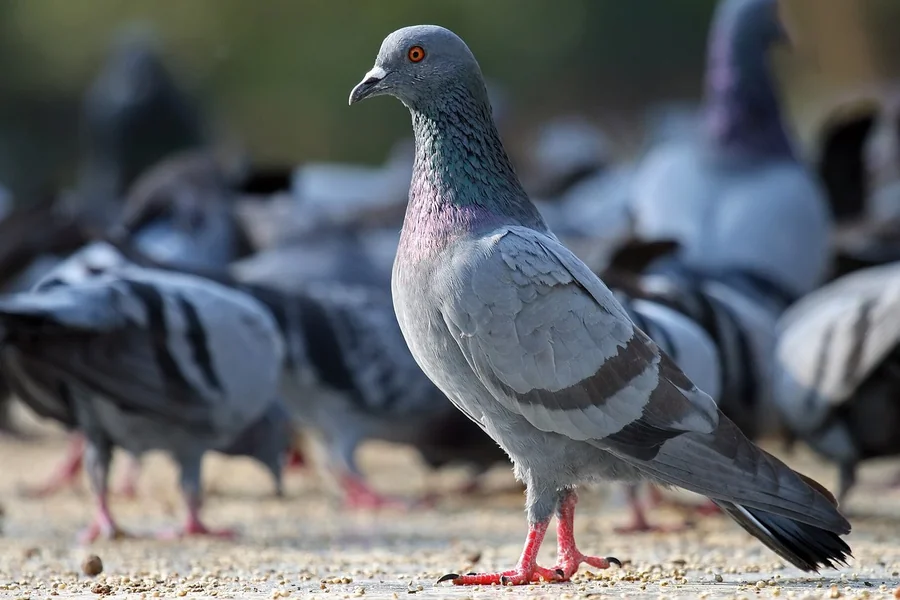
Pigeon — everyday name; same family as doves
AI-generated educational wildlife portrait — World Animal Rescue Network
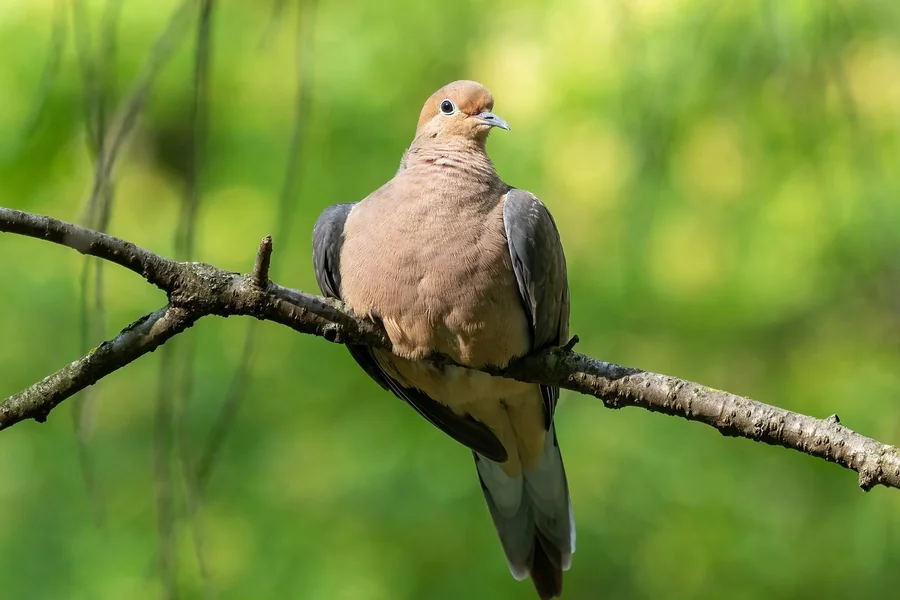
Dove — everyday name; no biological split from pigeon
AI-generated educational wildlife portrait — World Animal Rescue Network
Pigeon vs Dove: At a Glance
| Feature | Pigeon | Dove |
|---|---|---|
| Taxonomy | Family Columbidae | Family Columbidae |
| Biological split | None versus doves | None versus pigeons |
| Everyday size stereotype | Often used for larger species | Often used for smaller species |
| Stereotype reliability | Inconsistent | Inconsistent |
| City bird usually meant | Feral rock dove (Columba livia) | Same species often called pigeon |
| Flight | Strong direct flight; clapping take-off common | Same family traits |
| Diet | Seeds, grains, fruit, urban scraps | Seeds, grains, fruit |
| Nest | Flimsy platform of twigs | Flimsy platform of twigs |
| Milk for young | Crop milk in both | Crop milk in both |
| Conservation | Feral rock doves abundant; some species threatened | Several dove species declining |
Size and physical differences
There is no size rule that holds: some doves are larger than some pigeons, so size cannot define the words.
Pigeon versus dove is one of the cleanest correction pages in the animal vertical. People expect a hidden anatomical difference — beak shape, colour, behaviour — and there is not one that maps to the two English words. Ornithologists place them together in Columbidae. The choice of name is historical, poetic and marketing-driven.
City pigeons are usually rock doves (Columba livia) in feral form. Turtle doves and mourning doves are named dove without leaving the family. Some languages do not even maintain the pair of words English speakers argue over. The useful content, once the correction is stated, is how to identify common species and why some populations are declining while feral rock doves thrive.
This comparison sticks to marks you can use without laboratory gear: size, shape, behaviour and the words people actually type into a search box. Scientific names are given where they prevent a regional mix-up. Where published measurements disagree, this page gives the range rather than a single tidy figure that implies more certainty than the sources support.
There is no biological distinction
Pigeon and dove are not ranks, genera or clades. Any rule you invent — colour, temperament, city versus country — fails as soon as you list species. The family shares a compact body, small head and strong flight. English simply inherited two words and applied them unevenly. Field observers should treat colour alone as weak evidence and combine it with shape, behaviour and habitat before naming what they see. Where published measurements disagree, this page gives the range rather than a single tidy figure that implies more certainty than the sources support. Field observers should treat colour alone as weak evidence and combine it with shape, behaviour and habitat before naming what they see. Where published measurements disagree, this page gives the range rather than a single tidy figure that implies more certainty than the sources support.
Why the size stereotype persists
Book illustrators and product packaging often use dove for small gentle birds and pigeon for plump city birds. That teaching shortcut hardens into folk taxonomy. Then a large crowned pigeon or a small ground dove arrives and the shortcut collapses. Prefer species names when accuracy matters. Field observers should treat colour alone as weak evidence and combine it with shape, behaviour and habitat before naming what they see. Where published measurements disagree, this page gives the range rather than a single tidy figure that implies more certainty than the sources support. Field observers should treat colour alone as weak evidence and combine it with shape, behaviour and habitat before naming what they see. Where published measurements disagree, this page gives the range rather than a single tidy figure that implies more certainty than the sources support.
The rock dove / city pigeon problem
The ubiquitous urban bird is Columba livia. Scientists often say rock dove; the public says pigeon. Both are correct English for the same species. Arguing whether a pavement bird is a dove or a pigeon is a language loop, not a natural-history dispute. Field observers should treat colour alone as weak evidence and combine it with shape, behaviour and habitat before naming what they see. Where published measurements disagree, this page gives the range rather than a single tidy figure that implies more certainty than the sources support. Field observers should treat colour alone as weak evidence and combine it with shape, behaviour and habitat before naming what they see. Where published measurements disagree, this page gives the range rather than a single tidy figure that implies more certainty than the sources support.
What actually differs between species
Species differ in size, range, migratory behaviour and conservation status. European turtle doves have declined sharply with habitat and hunting pressures; feral rock doves exploit grain and buildings. Those are real differences — and none of them is because one is a pigeon. Field observers should treat colour alone as weak evidence and combine it with shape, behaviour and habitat before naming what they see. Where published measurements disagree, this page gives the range rather than a single tidy figure that implies more certainty than the sources support. Field observers should treat colour alone as weak evidence and combine it with shape, behaviour and habitat before naming what they see. Where published measurements disagree, this page gives the range rather than a single tidy figure that implies more certainty than the sources support.
Culture, symbolism and prejudice
Doves are peace symbols; pigeons are called rats with wings. That cultural split drives how people treat the same family. It is worth noticing, because welfare and control policies often track the word used, not the biology. Field observers should treat colour alone as weak evidence and combine it with shape, behaviour and habitat before naming what they see. Where published measurements disagree, this page gives the range rather than a single tidy figure that implies more certainty than the sources support. Field observers should treat colour alone as weak evidence and combine it with shape, behaviour and habitat before naming what they see. Where published measurements disagree, this page gives the range rather than a single tidy figure that implies more certainty than the sources support.
Why the comparison matters
People search for pigeon versus dove because a wrong name leads to the wrong expectation — about danger, about care, about what lives in a local habitat. Getting the distinction right is how accurate advice and conservation reporting stay attached to the animal that is actually present. Field observers should treat colour alone as weak evidence and combine it with shape, behaviour and habitat before naming what they see. Conservation status also diverges inside everyday labels: a common garden species and a rare relative can share a common name while facing completely different pressures. Where published measurements disagree, this page gives the range rather than a single tidy figure that implies more certainty than the sources support. WARN publishes these comparisons so high-intent questions get a sourced answer instead of an unsourced listicle.
Did you know?
The bird released at ceremonies is usually a white domestic rock dove — a pigeon wearing the marketing name dove.
Pigeon vs Dove: FAQs
What is the difference between a pigeon and a dove?
Is a city pigeon actually a dove?
Are doves smaller than pigeons?
Do pigeons and doves both produce crop milk?
Why do people like doves but dislike pigeons?
Are any pigeons or doves endangered?
Help protect animals
Learning about animals can help more people understand their needs. WARN raises funds for eligible animal-welfare organisations. Read the relevant appeal’s purpose, recipient status and fund terms, or share this free guide to raise awareness.