Wildlife Guide · Worldwide — native to Europe, North Africa and western Asia; feral populations on every continent except Antarctica
Pigeon
Columba livia (Linnaeus, 1758)
The world's most familiar bird — wild cliff-dweller turned urban survivor.
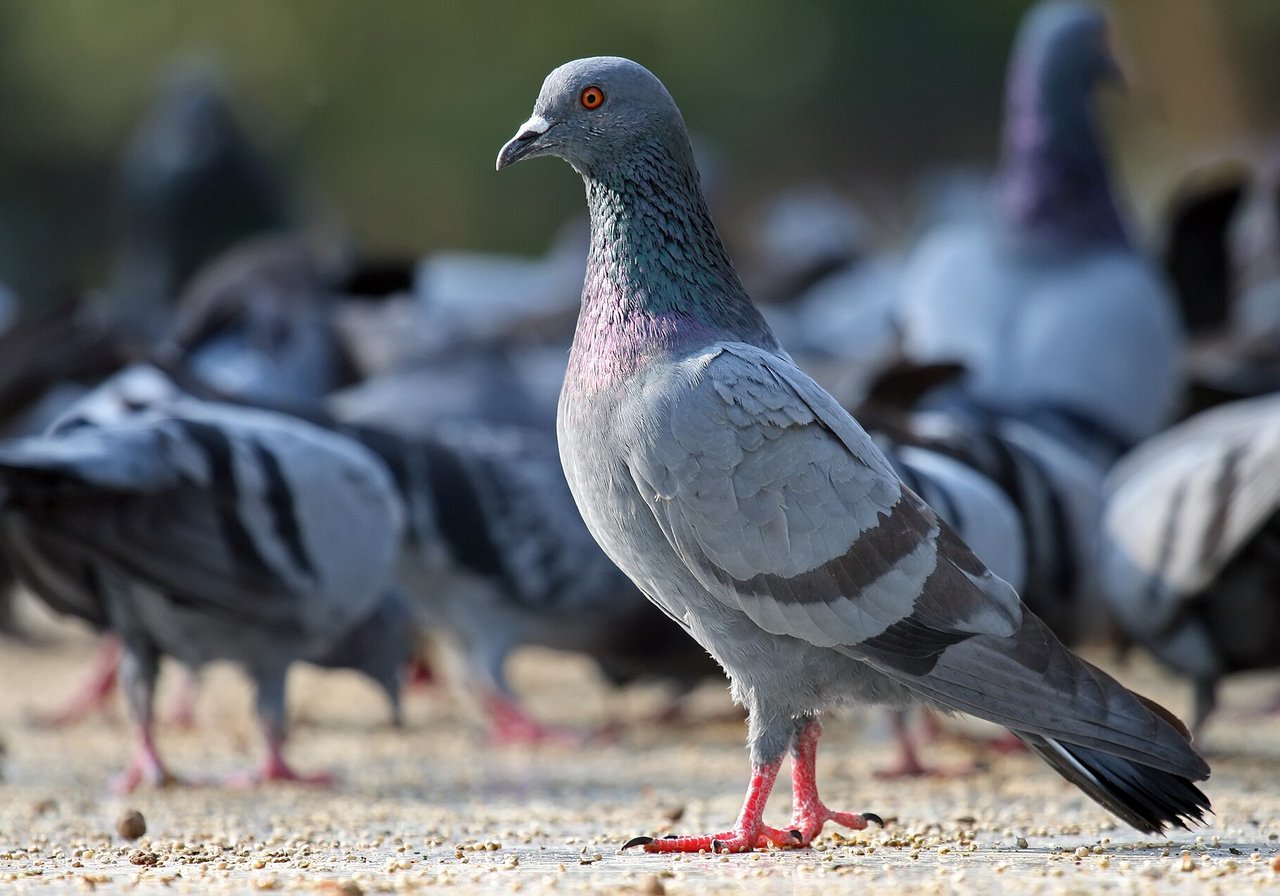
Source: Wikimedia Commons
In brief
The rock pigeon (Columba livia) is a Least Concern columbid native to Europe, North Africa and western Asia, now feral in cities worldwide; it is the wild ancestor of domestic racing and homing pigeons.
Also in Animals A to Z · Animals that start with P
By WARN Research & Conservation TeamLast updated
The rock pigeon — known worldwide as the feral pigeon or city pigeon — is the wild ancestor of domestic pigeons bred for racing, messaging and show. Native to rocky cliffs and coastlines of Europe, North Africa and western Asia, Columba livia has colonised cities on every continent through centuries of domestication and release. Wild-type birds are blue-grey with two dark wing bars and iridescent green and purple neck feathers. Listed as Least Concern, rock pigeons are abundant globally, though wild cliff populations face local pressure from hybridisation with feral birds. Pigeons are remarkable navigators, using magnetoreception, olfactory cues and visual landmarks to find home from hundreds of kilometres away.
Least Concern
IUCN Red List status — wild rock pigeon (2016)
~260 million
Estimated global population
32 cm
Typical body length
Not listed
CITES status
Figures sourced from IUCN Red List — Columba livia, BirdLife International — Data Zone, RSPB — feral pigeon .
Pigeon: Quick Facts
| Length | 29–37 cm |
|---|---|
| Diet | Granivorous — seeds and grain |
| Navigation | Magnetoreception, smell and landmarks |
| Domestication | At least 5,000 years |
| Global population | Estimated 260+ million |
| CITES | Not listed |
Scientific Classification
| Kingdom | Animalia |
|---|---|
| Phylum | Chordata |
| Class | Aves |
| Order | Columbiformes |
| Family | Columbidae |
| Genus | Columba |
| Species | Columba livia (Linnaeus, 1758) |
Conservation Status
- IUCN Status
- Least Concern (IUCN, 2016). Abundant globally; wild cliff populations face hybridisation.
- Population
- Roughly 260 million mature individuals globally
- Trend
- Stable to increasing in feral populations
- Assessed
- 2016
- CITES
- Not listed under CITES
Key Facts: Pigeon
- Rock pigeons are the wild ancestor of all domestic and feral pigeons worldwide.
- Homing pigeons navigate using magnetoreception, smell and visual landmarks.
- Feral urban populations thrive on human food waste; wild cliff populations are rarer.
- Pigeons feed crop milk to squabs — a secretion unique among birds.
- Hybridisation with feral birds threatens genetically distinct wild cliff populations.
- Pigeon racing and messaging traditions date back at least 5,000 years.
From cliff face to city square
The rock pigeon evolved on sea cliffs, mountain gorges and rocky coastlines across its native range. Its compact body, strong flight muscles and broad wings suit life in exposed, open terrain where quick take-off evades raptors. Domestication began at least 5,000 years ago in Mesopotamia; selective breeding produced homing pigeons, tumblers, fantails and hundreds of show varieties.
Feral populations now occupy cities worldwide, roosting on ledges, bridges and building eaves that mimic natural cliff niches. Urban pigeons exploit grain spillage, discarded food and deliberate feeding. Wild cliff-dwelling populations persist in Scotland, Ireland, Mediterranean coasts and North Africa, but many are genetically swamped by feral hybridisation.
Despite their ubiquity, rock pigeons display complex social behaviour — pair bonds, communal roosting and coordinated flock manoeuvres that confuse predators.
Ecology and diet
Rock pigeons are granivorous, eating seeds, grain, buds and occasional invertebrates. Both parents produce crop milk — a protein-rich secretion from the crop lining — to feed squabs for the first week of life. This adaptation, shared with flamingos and some penguins, allows rapid chick growth without relying on insect prey.
Breeding occurs year-round in mild climates. Nests are flimsy platforms of twigs and debris on ledges. Two eggs are typical; both parents incubate and feed. Peregrine falcons, sparrowhawks and urban cats are the main predators.
Large flocks can compete with native granivorous birds for food, though evidence for significant ecological displacement is mixed. Droppings accumulate on monuments and buildings, creating management conflicts in historic city centres.
Threats to wild populations
Globally, rock pigeons are Least Concern with an estimated population exceeding 260 million. The threat profile differs between feral and wild birds. Urban ferals face culling programmes, contraceptive bait trials and architectural deterrents — spikes, nets and electric tracks — in cities from London to Melbourne.
Wild cliff populations face a subtler threat: genetic introgression from feral and racing pigeons that interbreed on coastal cliffs. Distinct wild-type plumage and behaviour may disappear as hybrid swarms dominate. Peregrine falcon recovery in cities has added a natural predator to urban pigeon populations, partially regulating numbers.
Disease — including avian paramyxovirus and salmonella — spreads in dense roosts and can affect domestic poultry. Good hygiene and managed feeding reduce public health concerns.
Pigeons and people
Human relationships with pigeons span reverence and revulsion. They are fed in squares from Venice to Mumbai, featured in art and poetry, and dismissed as 'flying rats' in public health debates. Scientifically, they remain invaluable models for navigation, learning and vision research.
Conservation attention focuses on preserving genetically distinct wild cliff populations — particularly in Scotland and Ireland — through protection from racing-pigeon release near nesting cliffs. Readers can support wild rock pigeons by avoiding deliberate release of domestic birds near coastal breeding sites.
WARN publishes this pigeon guide as free public education about one of the world's most successful commensal birds — a species whose story intertwines with human history across millennia.
Pigeon Breeds Guide
From the high-flying Racing Homer and tumbling Birmingham Roller to the ornamental Fantail, Jacobin, Pouter, Frillback and Modena — explore the most recognised domestic pigeon breeds, all descended from the wild rock dove, with origins, purpose, common health issues and care.
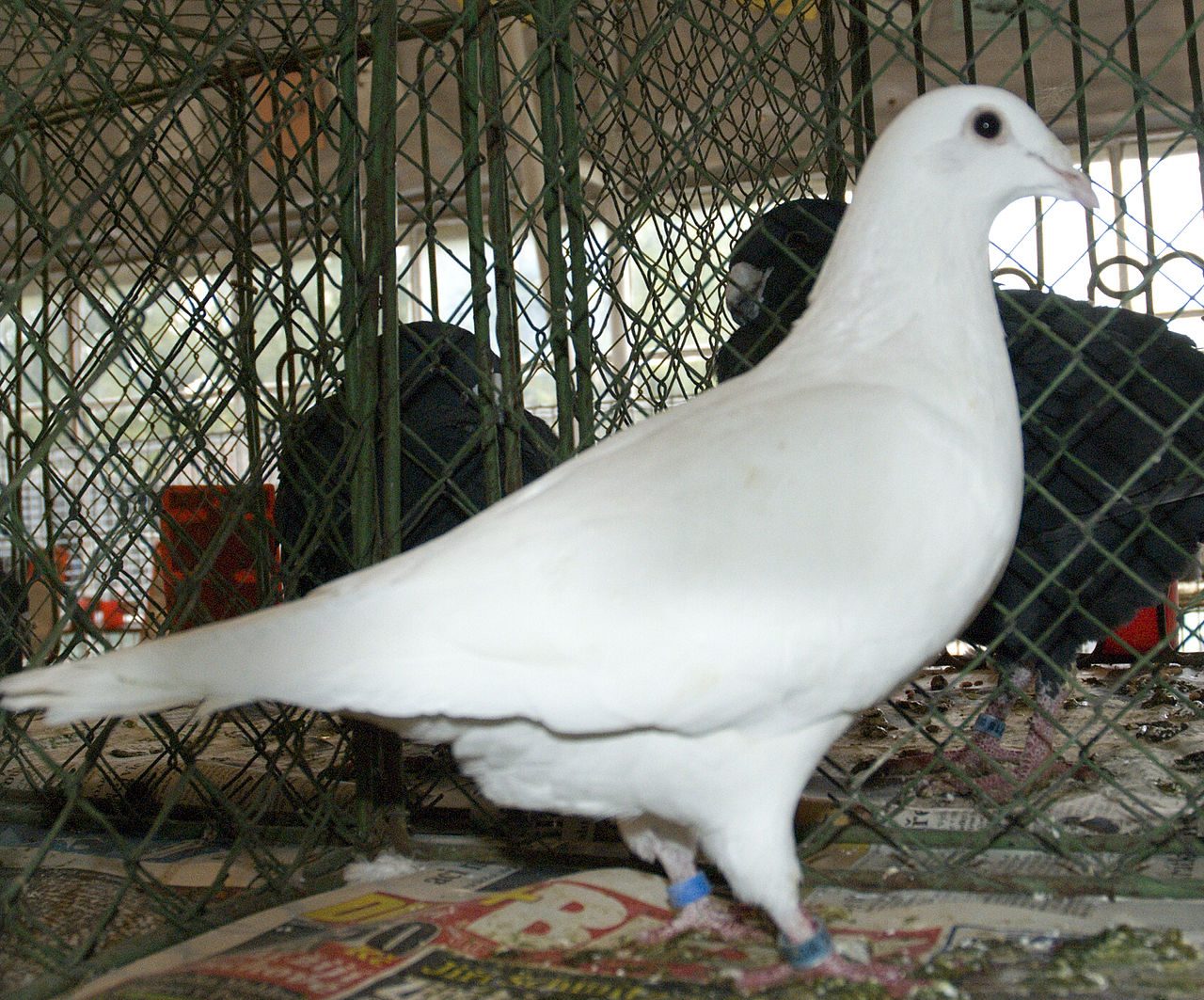
Racing Homer
Belgium & England
Athletic, intelligent, strong-flying
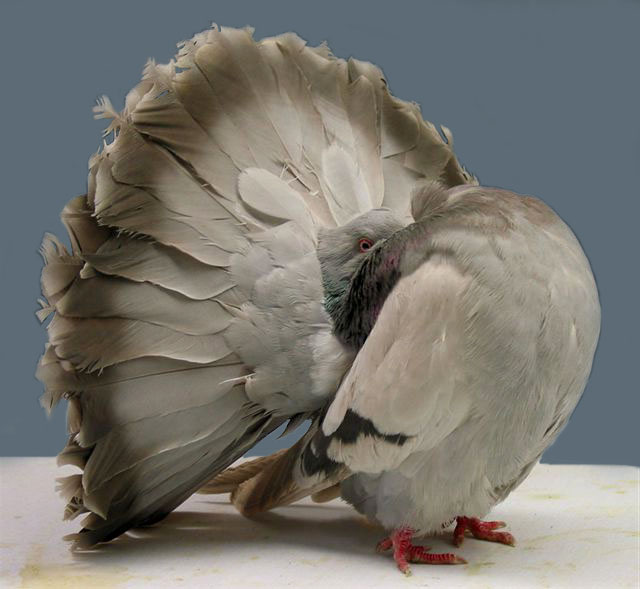
Fantail
India
Showy, gentle, strutting
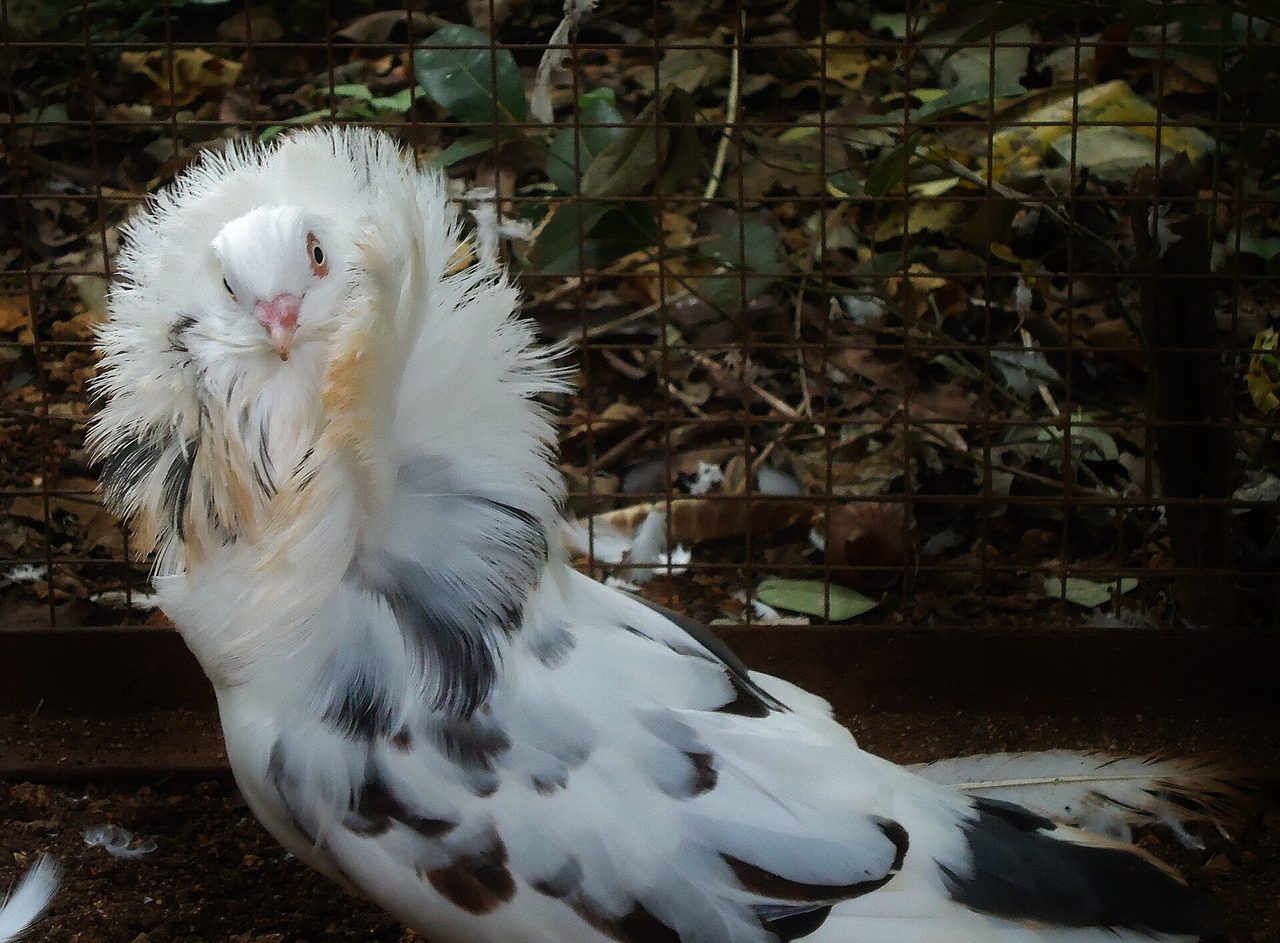
Jacobin
Asia
Ornamental, calm, distinctive
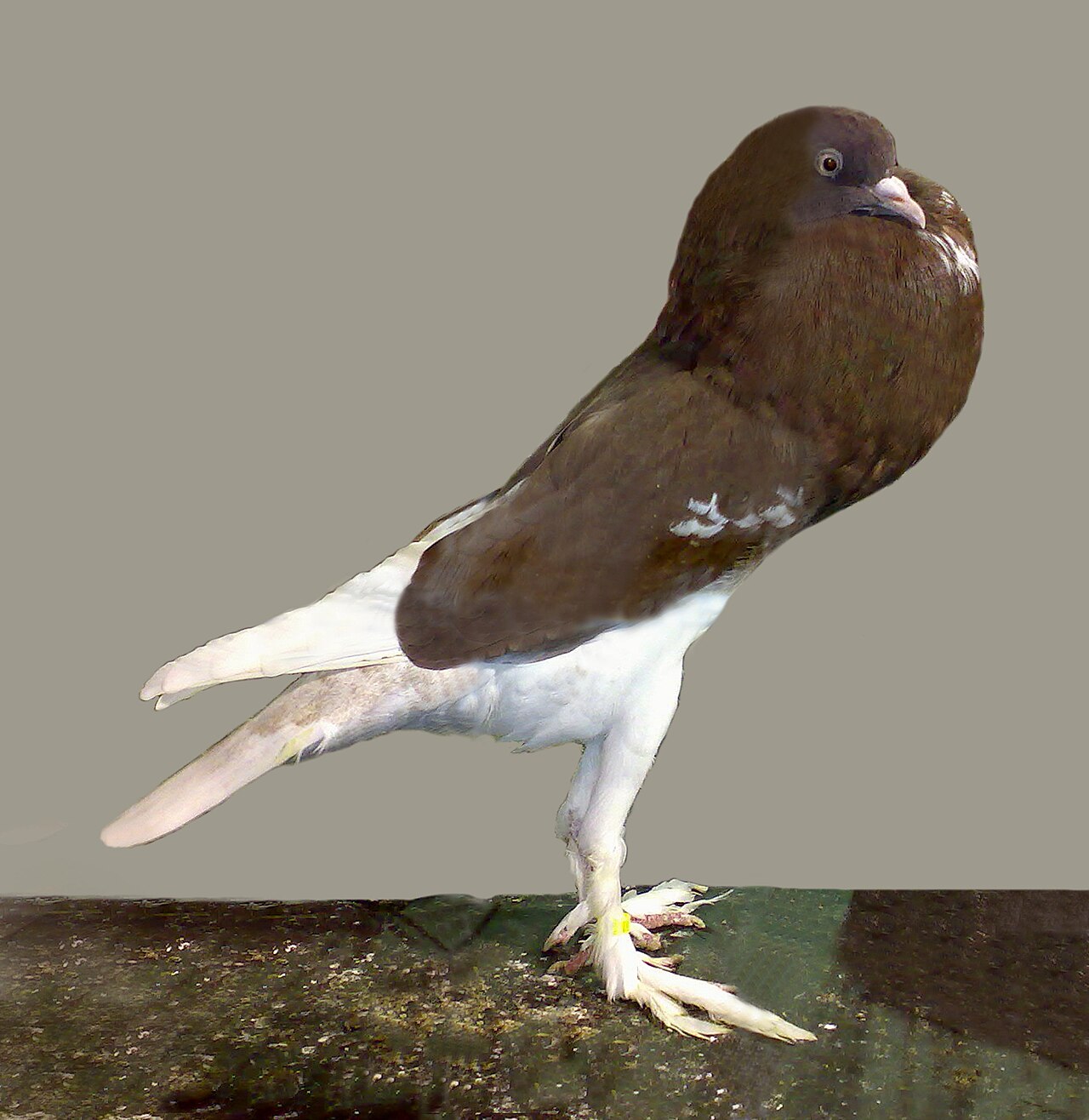
English Pouter
England
Upright, tall, ornamental
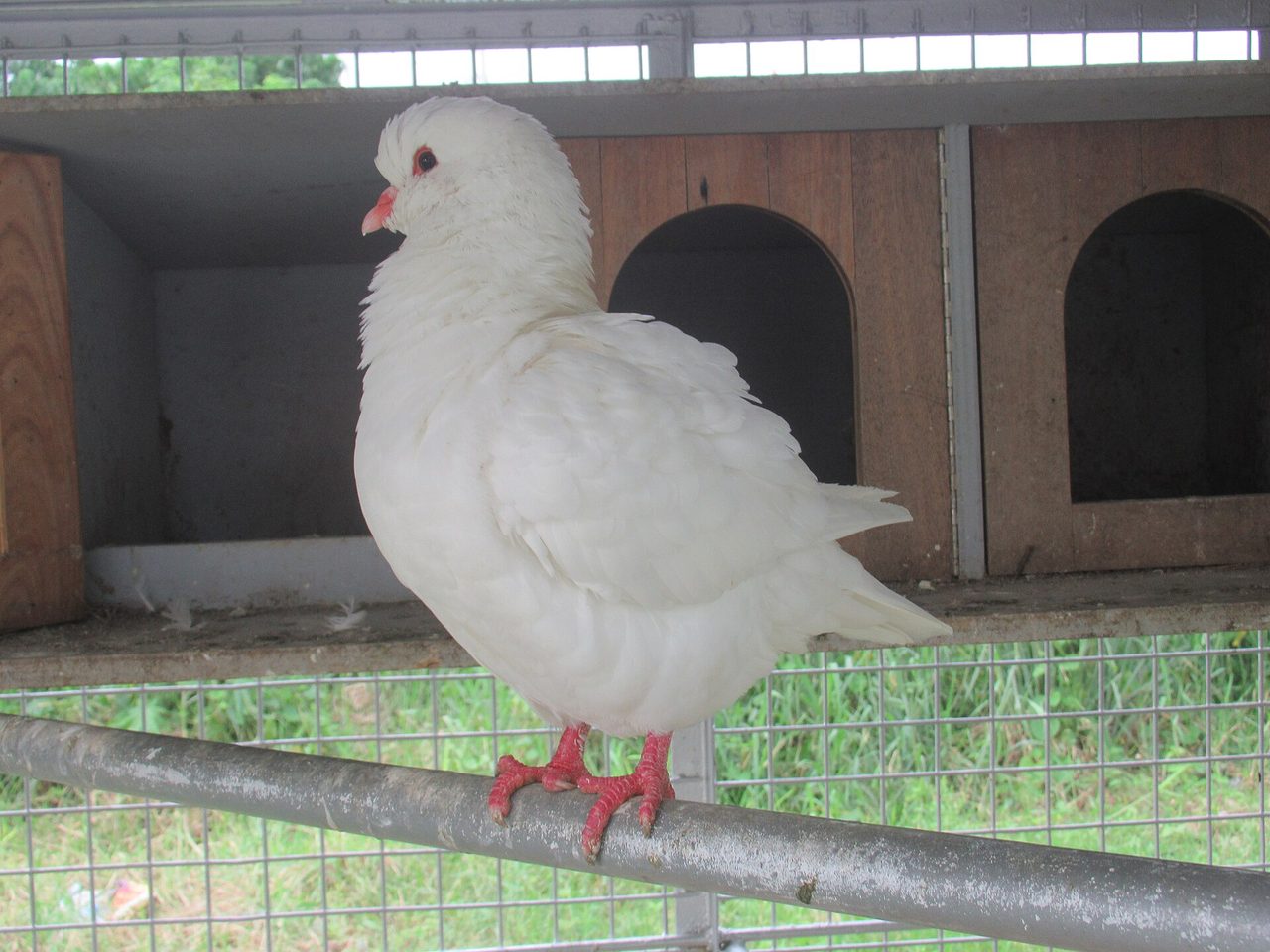
King
United States
Often calm; confidence and compatibility vary
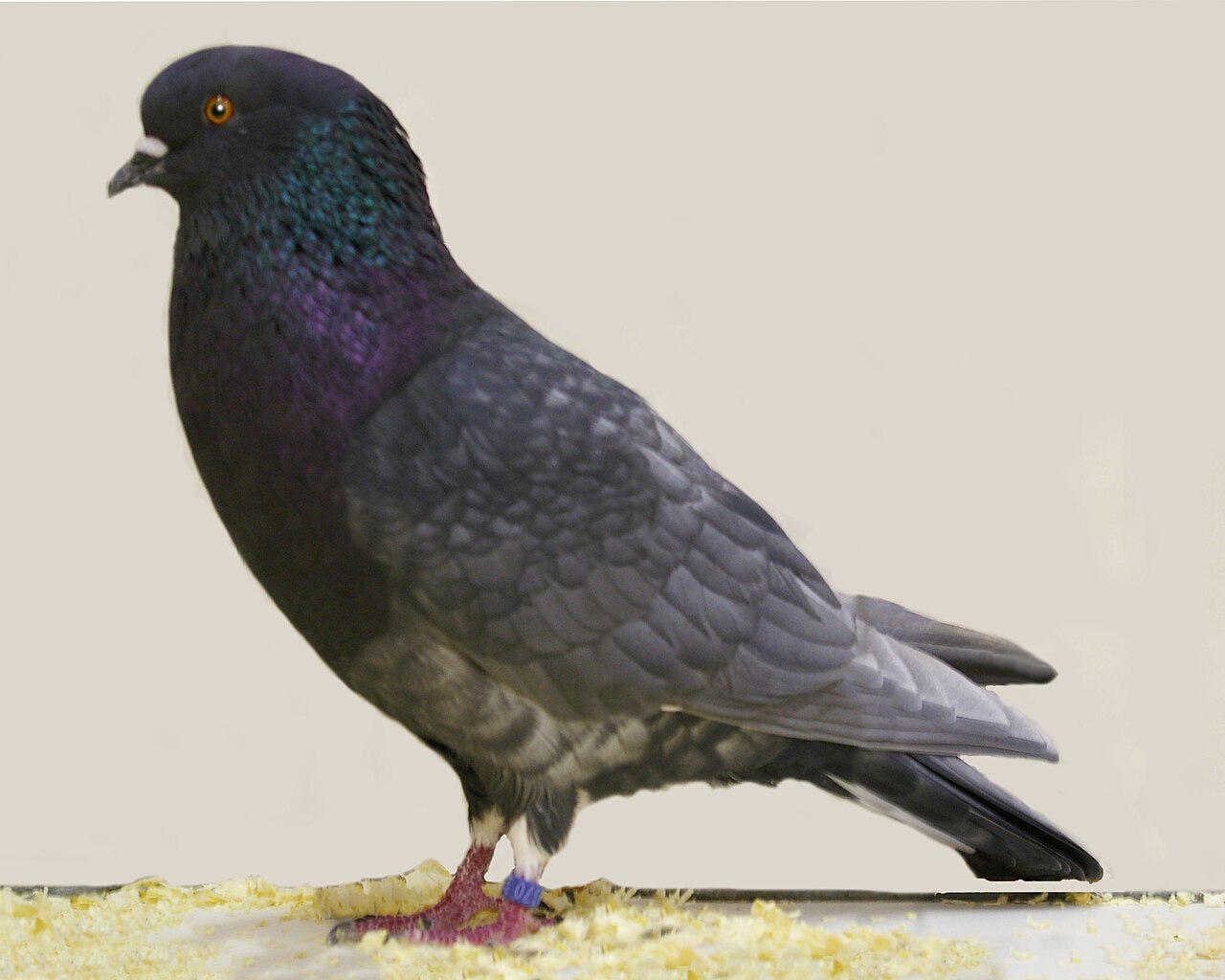
Birmingham Roller
England (Birmingham)
Active, agile, performing
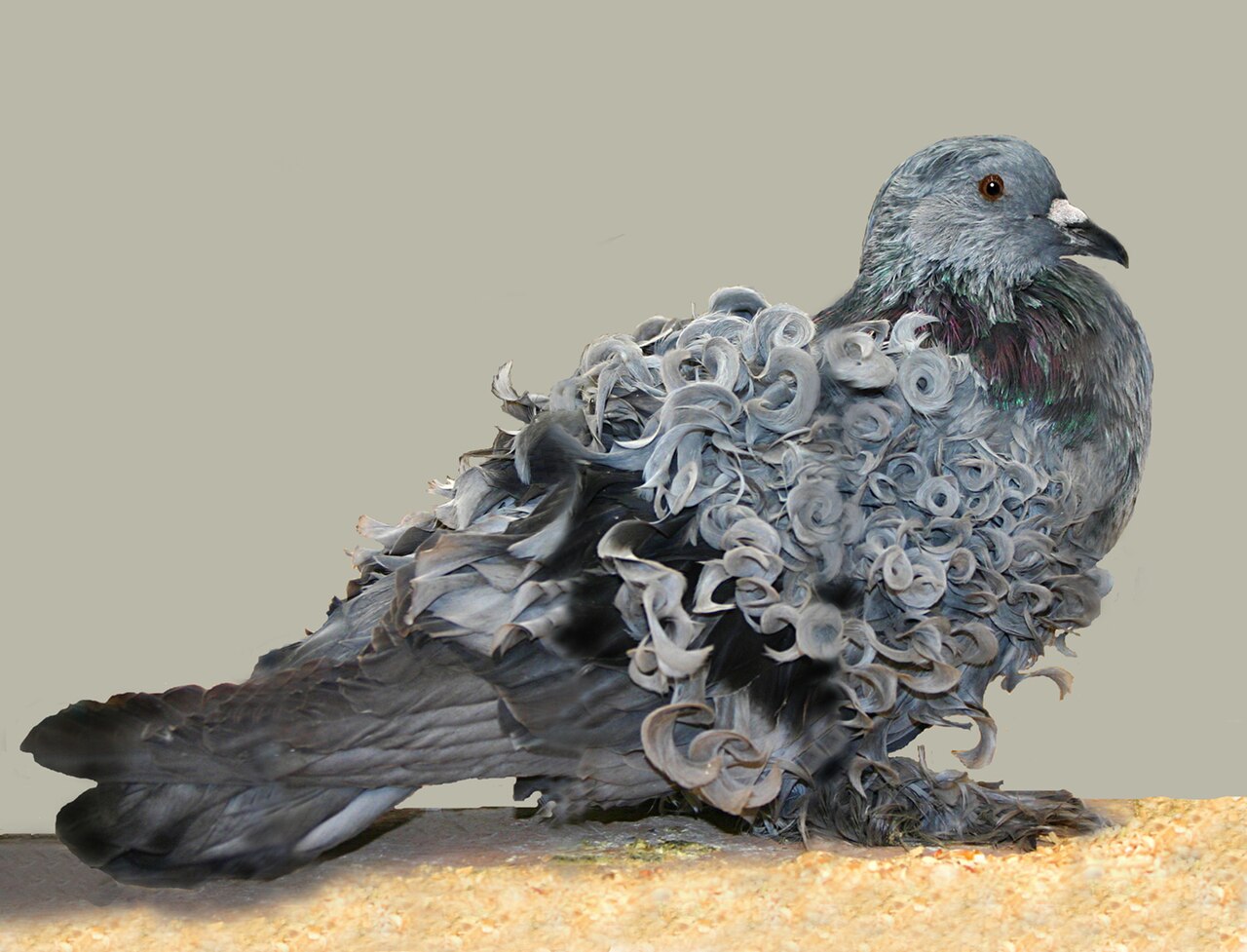
Frillback
Asia & the Middle East
Ornamental, calm, distinctive
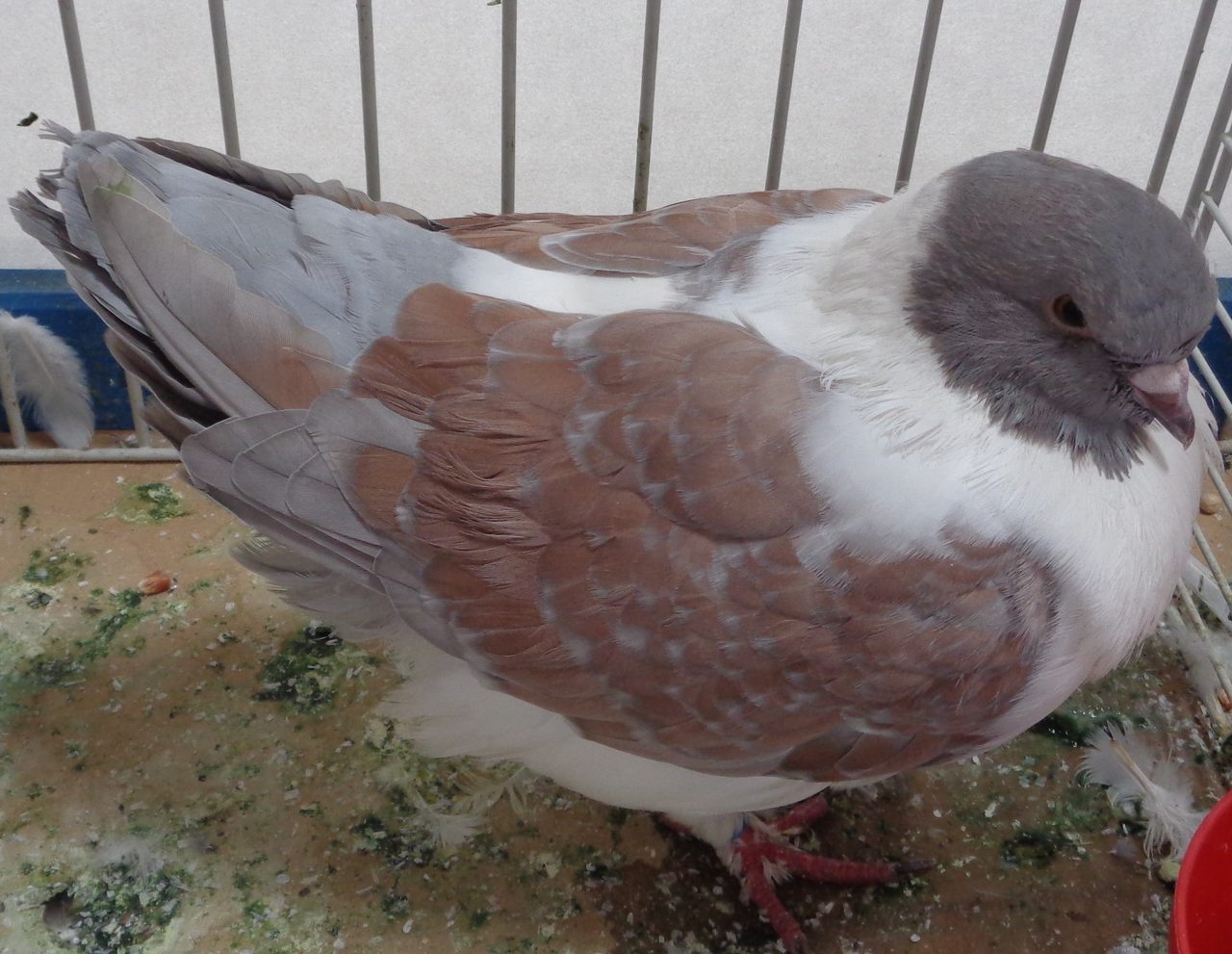
Modena
Italy (Modena)
Often alert and active; individual temperament varies
What WARN Does
WARN publishes this pigeon guide as free public education. Understanding commensal species like rock pigeons helps readers appreciate how wildlife adapts to — and is shaped by — human landscapes.
If this guide helps you understand wildlife and the pressures it faces, a gift to WARN supports habitat protection and free public education in our partner countries.
Pigeon: Frequently Asked Questions
Are pigeons wild or domestic?
How do homing pigeons find their way home?
Are pigeons intelligent?
Are rock pigeons endangered?
What do rock pigeons eat?
Where do rock pigeons live?
Are rock pigeons dangerous?
How long do rock pigeons live?
How big is a rock pigeon?
Sources & References
Population figures, conservation status and biological facts on this page are drawn from authoritative scientific and intergovernmental sources.
Terms used on this page
Plain-English definitions, from our wildlife and conservation glossary.
Explore more animals
Discover more animals, their habitats and their conservation status in the WARN wildlife-guide library.