Wildlife Guide · Indonesia & Thailand
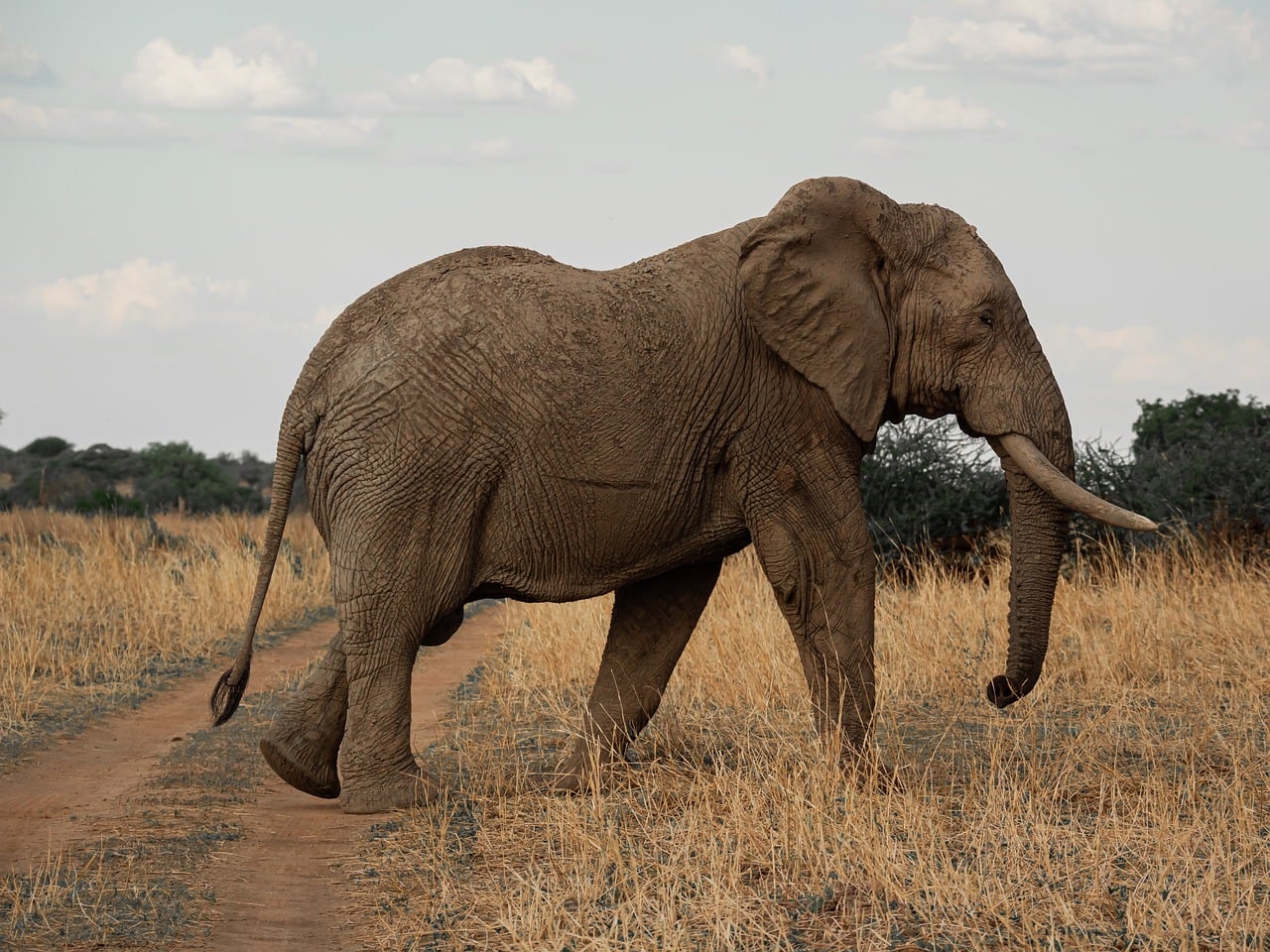
Elephant
Elephas maximus
The most snared large mammal in Southeast Asia — killed for crop raiding and ivory.
In brief
Asian elephants are Endangered; the primary threats are habitat loss and human-elephant conflict, while African elephants face ongoing poaching for the illegal ivory trade.
~50,000
Asian elephants remaining in the wild
50%
Habitat lost in the past 75 years
1st
Most snared large mammal in SE Asia
12 yrs
Minimum to raise a calf to independence
Key Facts: Elephant
- Asian elephant populations have declined by at least 50% over the past 75 years; the species is listed as Endangered on the IUCN Red List.
- In Vietnam, Cambodia, and parts of Indonesia, wire snares set for deer and pigs trap elephants at a rate that is causing measurable population decline.
- Human-elephant conflict is the leading cause of elephant mortality in South and Southeast Asia — farmers kill elephants protecting crops, and elephants occasionally kill people.
- Only male Asian elephants carry tusks, making them a specific target for ivory poachers.
- Elephants have a gestation period of 22 months and calves remain dependent for 12 years — making population recovery extremely slow.
- Captive elephant welfare in tourist camps, logging operations, and religious institutions in Southeast Asia represents a major ongoing welfare crisis.
The Snare Crisis in Southeast Asia
Across Vietnam, Cambodia, and parts of Sumatra, wire snares set by subsistence hunters to catch deer, pigs, and other small animals are killing and maiming elephants at an alarming rate. Snares are cheap, durable, and set in vast numbers — some surveys find multiple snares per hectare in heavily hunted forest. Elephants trigger large-gauge snares and, unable to free themselves, die from the injuries or are found by patrol teams. Foot snares cause elephants to shift weight abnormally, leading to progressive joint deterioration and death. WARN-supported de-snaring patrols remove thousands of snares per year from key elephant habitats.
Human-Elephant Conflict
As forest is cleared and agricultural land expands into elephant range, conflict becomes inevitable. Elephants raid crops — a single elephant can destroy a family's annual harvest in one night — and farmers respond with electric fences, firecrackers, and in some cases poison or weapons. Retaliatory killing is a significant source of elephant mortality in India, Sri Lanka, Indonesia, and parts of Africa. Effective conflict mitigation requires early warning systems, compensation schemes that make non-lethal tolerance economically viable for farming households, and land-use planning that maintains wildlife corridors between forest patches.
The Ivory Trade After the Ban
The international ivory trade was banned under CITES in 1989, and poaching levels fell sharply. But trade never stopped entirely, and a resurgence in the 2000s — driven by rising demand in China and weakened enforcement in several African range states — caused a significant spike in African elephant poaching. The African forest elephant (Critically Endangered) and African savanna elephant (Endangered) have both experienced severe declines. Online ivory markets have moved from physical dealers to encrypted messaging apps, making detection harder. Chinese domestic ivory market closure in 2017 reduced demand, and poaching levels have declined since then, but remain significant in East Africa.
What WARN Does
WARN funds de-snaring patrol operations in Vietnam and Cambodia, supports veterinary treatment for snare-injured elephants, and backs conflict mitigation programmes in communities adjacent to elephant habitat in Indonesia and Tanzania.
Elephant: Frequently Asked Questions
How many elephants are left in the world?
Why are elephants killed as crop raiders?
Do elephants really have good memories?
What is the difference between Asian and African elephants?
Are elephant sanctuaries ethical to visit?
Latest Elephant Stories


Explore More Species
Every animal in our network faces a crisis. Learn about the others.
View all wildlife guides