Wildlife Guide · Worldwide — domestic and feral; native to East Asia
Goldfish
Carassius auratus (Linnaeus, 1758)
Centuries of selective breeding — not a bowl fish, and never for release into wild waterways.
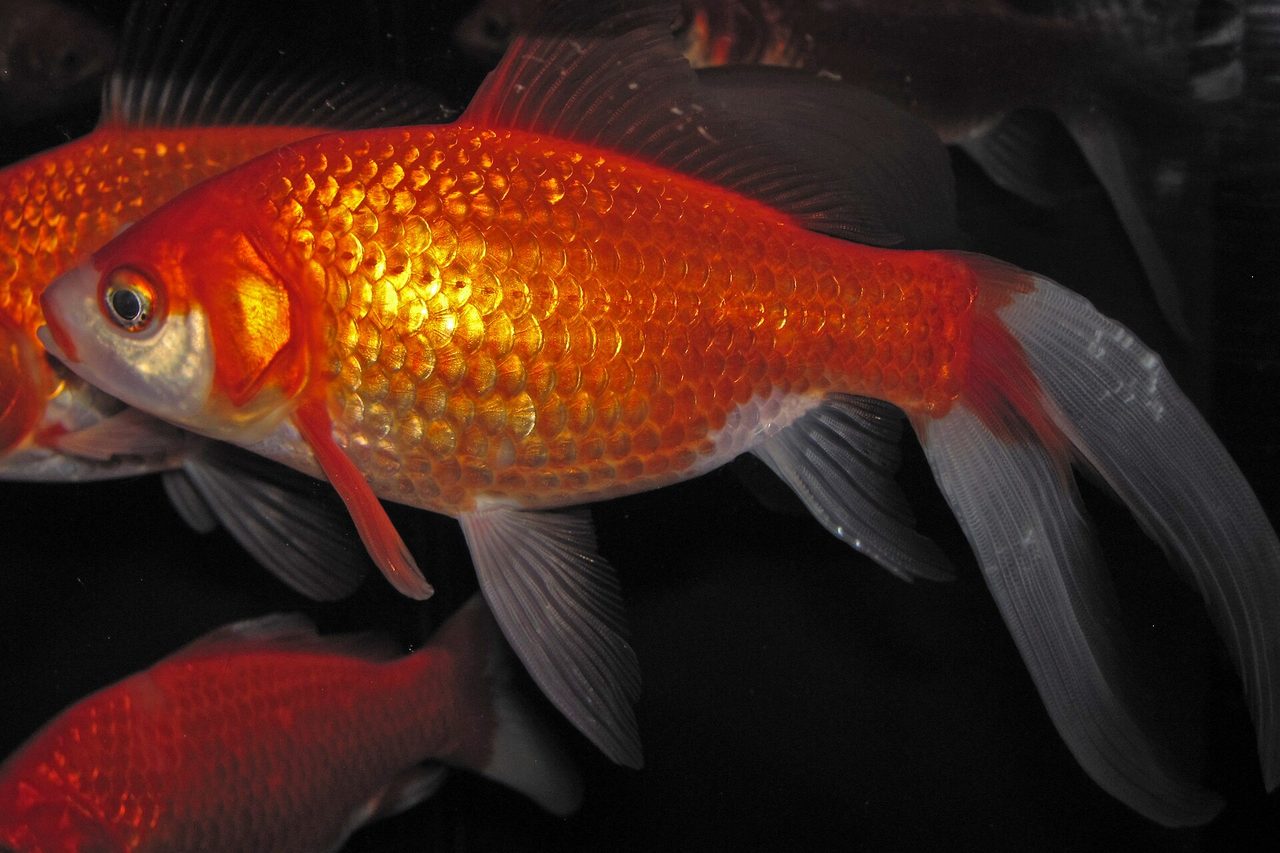
Photo: James St. John / Wikimedia Commons (CC BY 2.0)
In brief
Goldfish (Carassius auratus) are domesticated East Asian carp relatives needing filtered tanks of 150+ litres per fancy fish — not bowls; released fish become invasive ecosystem pests.
Also in Animals A to Z · Animals that start with G
By WARN Research & Conservation TeamLast updated
The goldfish is a domesticated carp relative bred from Prussian carp in China more than 1,000 years ago, now one of the world's most popular aquarium fish. Carassius auratus exists in hundreds of fancy varieties — comets, fantails, orandas, ranchus — selected for colour, fin shape and body form. Pet goldfish routinely outlive dogs when housed properly, yet are sold in unfiltered bowls that kill them within weeks. Feral goldfish released into ponds and rivers grow enormous, compete with native fish and spread disease — a serious invasive species problem in North America, Australia and Europe.
1,000+ yr
Selective breeding history in China
20+ yr
Potential lifespan with proper filtration and space
150+ L
Minimum tank volume per fancy goldfish often cited
Invasive
Feral goldfish threaten native freshwater ecosystems
Figures sourced from IUCN Red List — Carassius, RSPCA — goldfish care, OATA — responsible fish keeping .
Goldfish: Quick Facts
| Origin | Domesticated in China from Prussian carp |
|---|---|
| Lifespan | 10–20+ years with proper care |
| Minimum tank | 150+ litres per fancy goldfish |
| Temperature | Temperate — not tropical heat |
| Feral risk | Invasive in ponds and rivers worldwide |
| CITES | Not listed — domestic aquarium fish |
Scientific Classification
| Kingdom | Animalia |
|---|---|
| Phylum | Chordata |
| Class | Actinopterygii |
| Order | Cypriniformes |
| Family | Cyprinidae |
| Genus | Carassius |
| Species | Carassius auratus (Linnaeus, 1758) |
Conservation Status
- IUCN Status
- Domesticated — not assessed. Feral populations invasive where released. Wild Carassius congeners generally Least Concern.
- Population
- Billions in aquaculture and pet trade; feral populations expanding in temperate waterways
- Trend
- Stable in captivity; feral populations increasing where released
- Assessed
- Varies by wild Carassius species
- CITES
- Not listed
Key Facts: Goldfish
- Goldfish are not bowl fish — they need filtration, space and regular water testing.
- Fancy varieties suffer swim-bladder and buoyancy problems from selective breeding.
- Released goldfish grow large and damage native freshwater ecosystems.
- Never flush live fish — humane euthanasia or rehoming only.
- Common comets need ponds; fancies need gentle tank mates and pristine water.
- WARN's twelve-variety goldfish library covers comets, fantails, orandas and more.
Domestication and fancy breeding
Goldfish domestication began in the Tang dynasty, selecting Prussian carp (Carassius gibelio complex) for red colouration — a lucky hue in Chinese culture. Centuries of breeding produced fantails, telescopes, bubble eyes, ranchus and dozens of morphs with altered finnage, eye shape and body depth. Each mutation carries welfare trade-offs: deep-bodied fancies struggle to swim; telescope eyes impair vision; wen growth on orandas traps bacteria without pristine water.
The common comet goldfish sold cheaply at fairs differs from fancy varieties in hardiness but still needs filtration and volume — not a vase on a windowsill.
Aquarium requirements — beyond the bowl myth
Goldfish are high-waste fish — they produce ammonia that poisons them in unfiltered bowls within days. A single fancy goldfish needs roughly 150 litres minimum with external filtration rated for double the tank volume; comets need ponds as adults. Weekly partial water changes, gravel vacuuming and testing for ammonia, nitrite and nitrate are baseline care.
Temperature should remain stable — goldfish are temperate, not tropical. Sharp décor tears flowing fins; smooth plants and driftwood suit fancies. Tank mates must be peaceful and not nip fins — many tropical species outcompete slow fancies for food.
Health, lifespan and common failures
Properly housed goldfish live 10 to 20 years or more — older than many dogs. Stunted growth in small bowls is organ damage, not a separate 'bowl size' species. Swim-bladder disorder, fin rot, ich and flukes reflect poor water quality or inappropriate diet — not inevitable goldfish traits.
Overfeeding and flake-only diets cause constipation and buoyancy problems. Soaking pellets, offering blanched peas and limiting treats improve digestion. Quarantine new fish before introducing to established tanks to prevent disease spread.
Invasive ferals and never release
Goldfish released into lakes and rivers survive, breed and grow beyond aquarium size — feral populations in Australia, Canada and Britain uproot vegetation, increase turbidity and outcompete native species. 'Freeing' a pet fish is ecological vandalism and animal cruelty.
Humane options include rehoming to pond keepers, contacting aquarium societies or veterinary euthanasia — never flush, which causes chlorine drowning and sewage contamination. WARN treats goldfish welfare and invasive species as linked education themes.
Explore goldfish breeds on WARN
Fancy morphs differ sharply in care difficulty. WARN publishes a twelve-variety goldfish library at goldfish covering comet, common, fantail, oranda, ryukin, ranchu, pearlscale and more — each with body type, temperament, typical size, health risks and tank-size guidance.
Match variety to setup: comets and commons need ponds; delicate ranchus need pristine shallow tanks without aggressive tank mates. The library reinforces that every variety rejects bowl keeping and wild release.
Goldfish Varieties Guide
From the Comet and Common to the Shubunkin, Oranda, Ryukin, Black Moor and five more — explore 12 of the world's most searched goldfish varieties with temperament, tank size, common health issues and responsible aquaculture guidance.
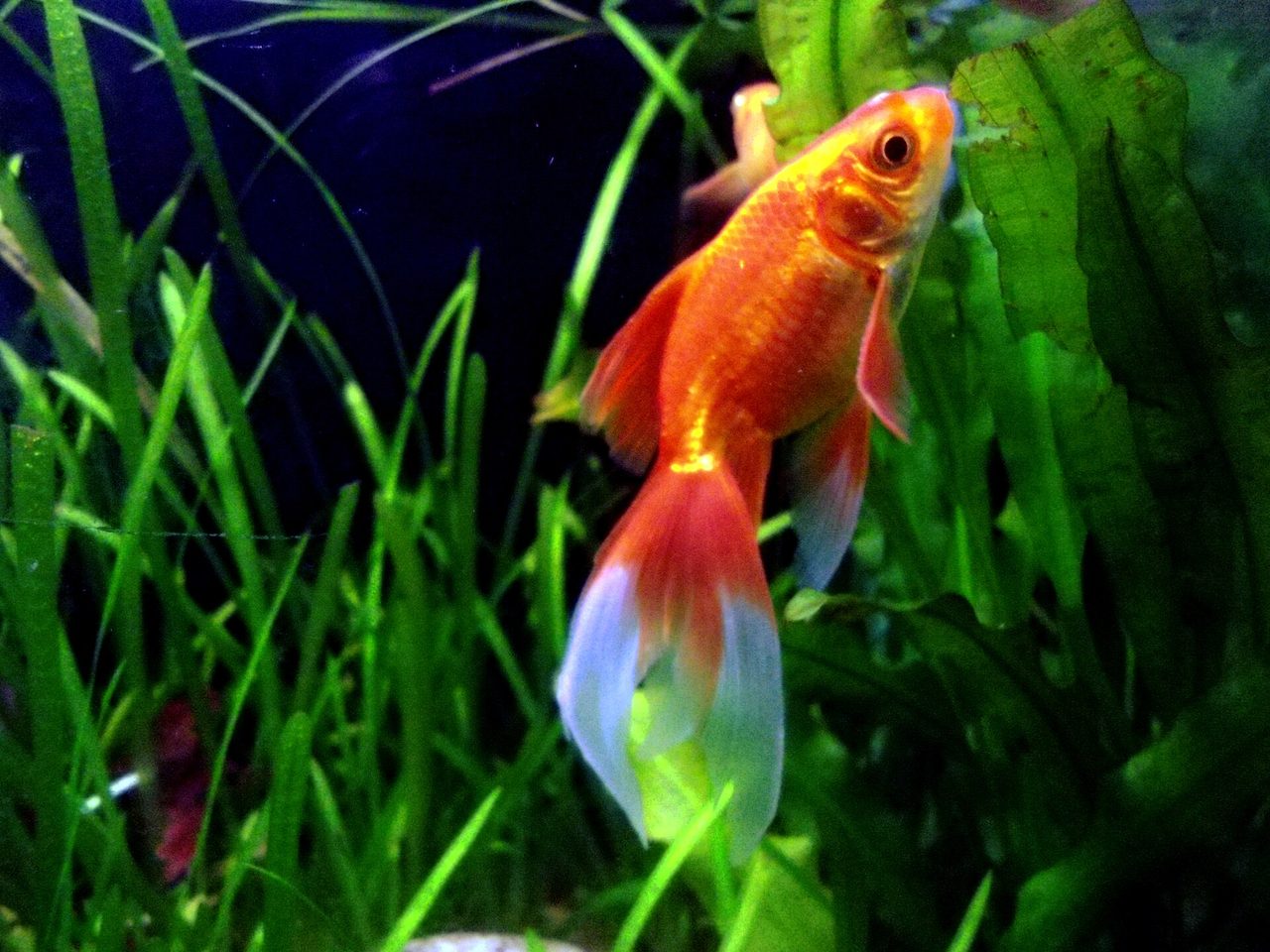
Comet
United States (domestic fancy)
Active, hardy, pond-suitable
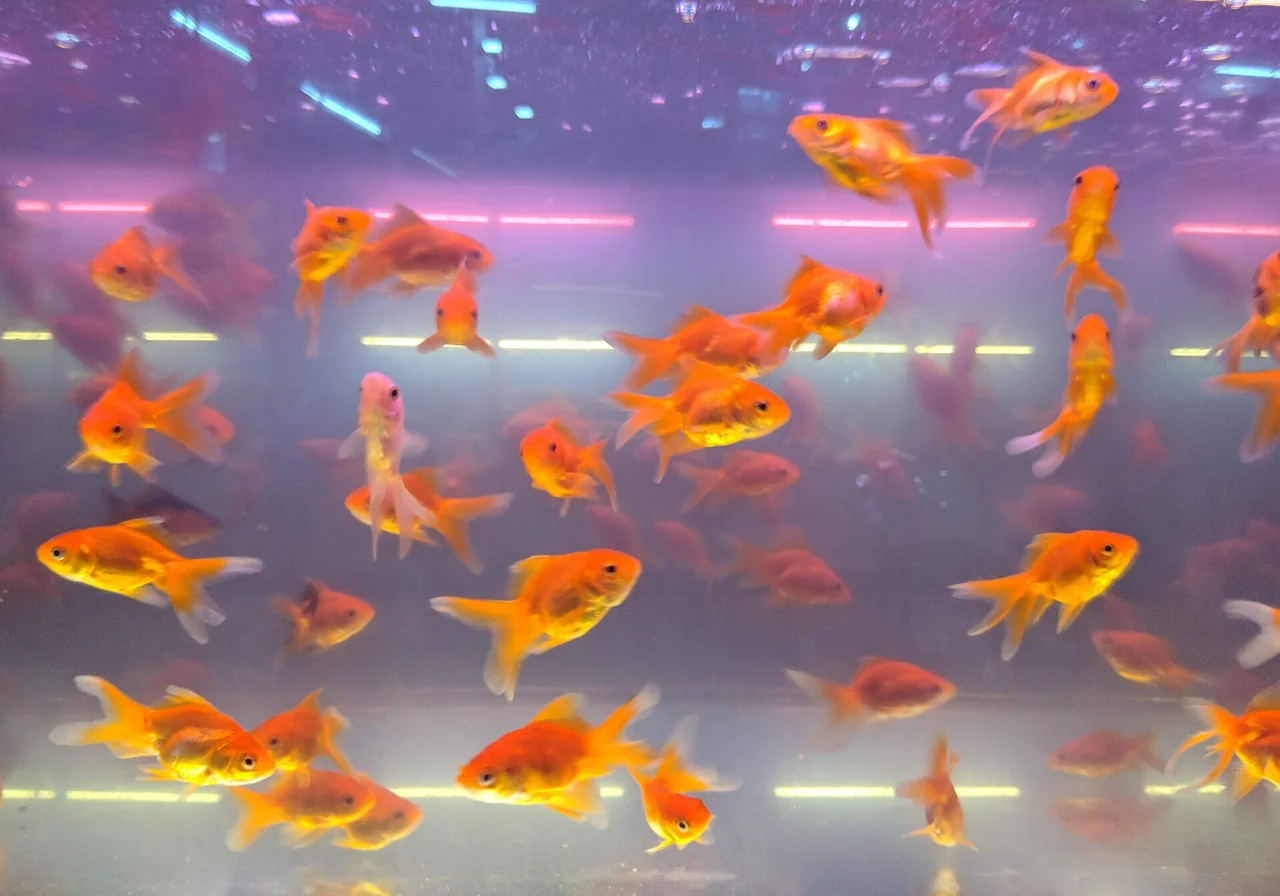
Common
China (domestic Carassius auratus)
Hardy, active, social
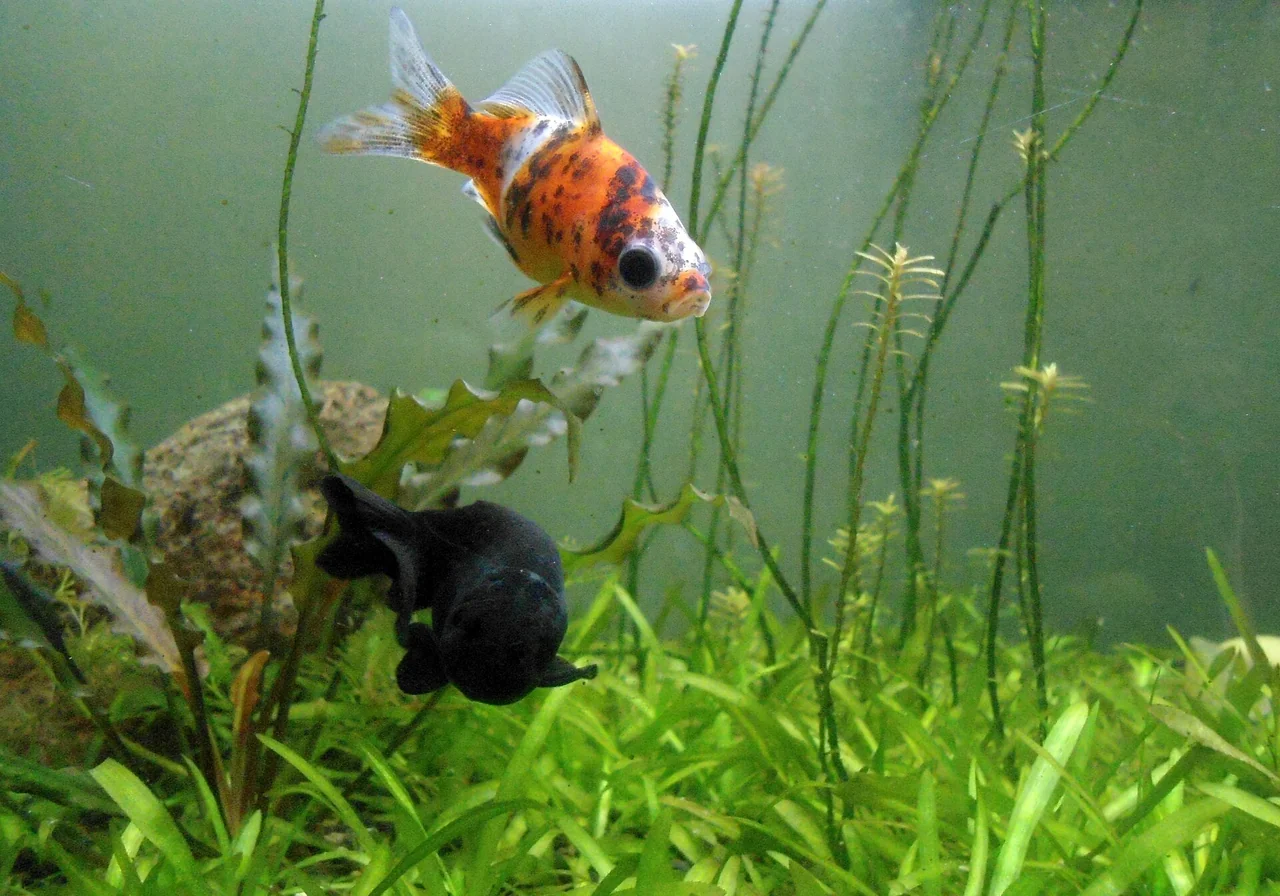
Shubunkin
Japan (domestic calico)
Active, hardy, colourful
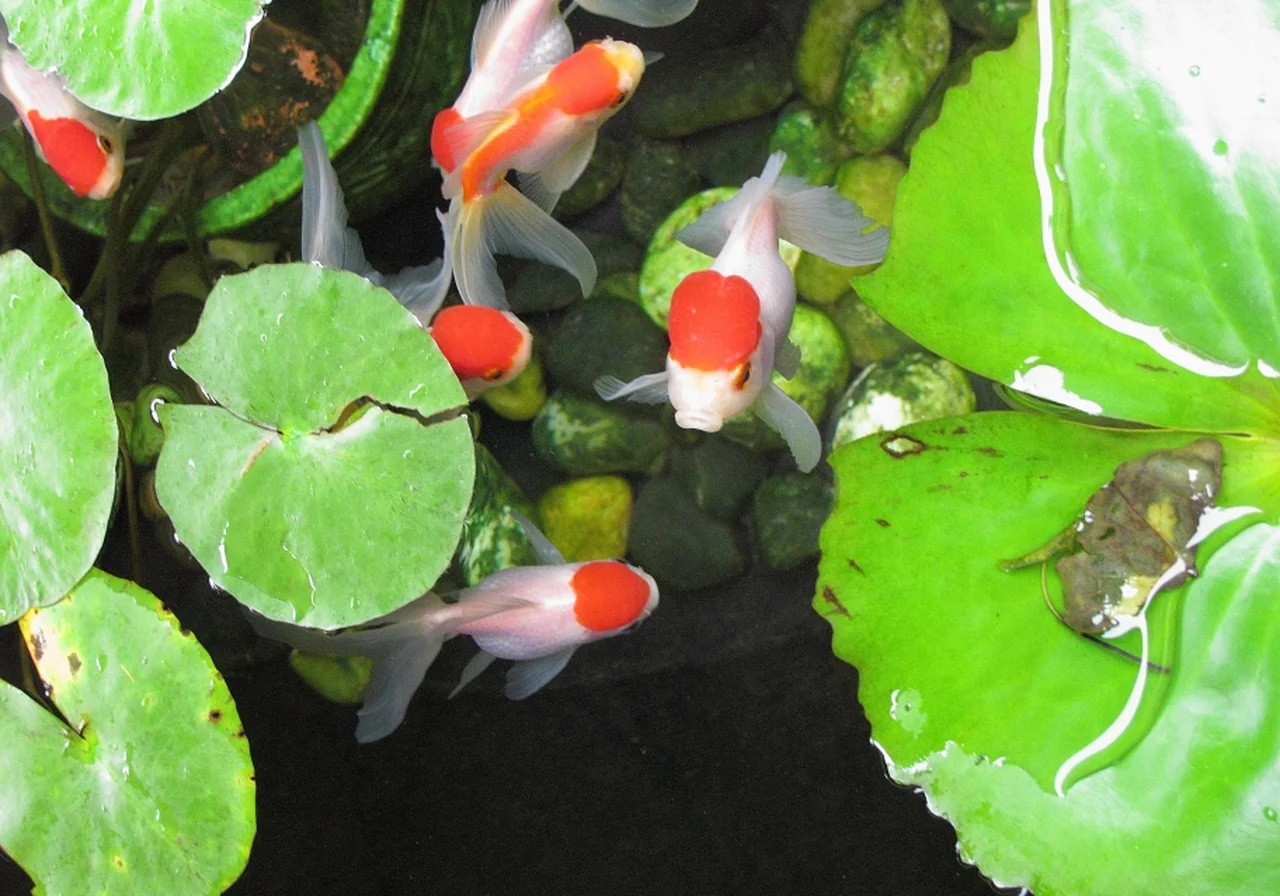
Oranda
China & Japan (domestic fancy)
Slow, gentle, wen-prone
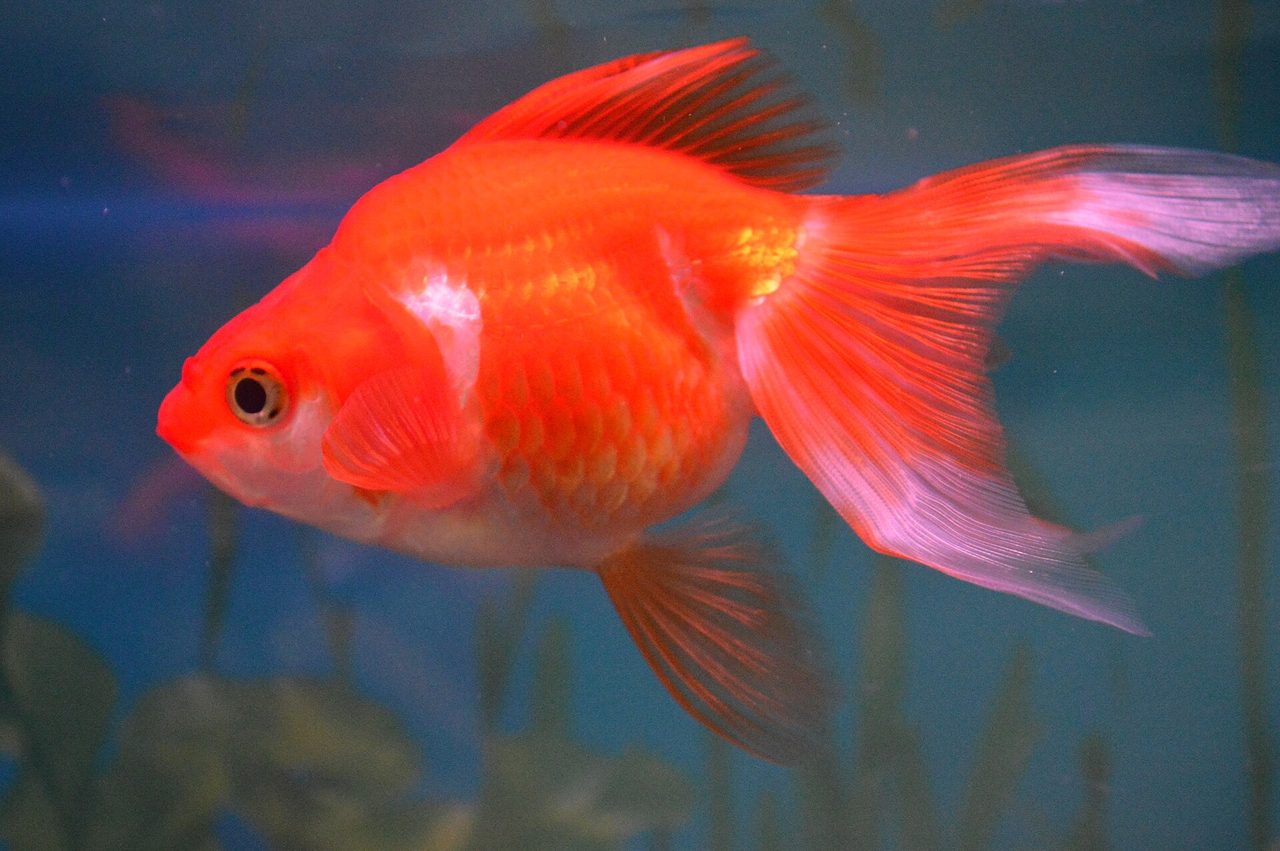
Ryukin
Japan (domestic fancy)
Calm, round-bodied, slow
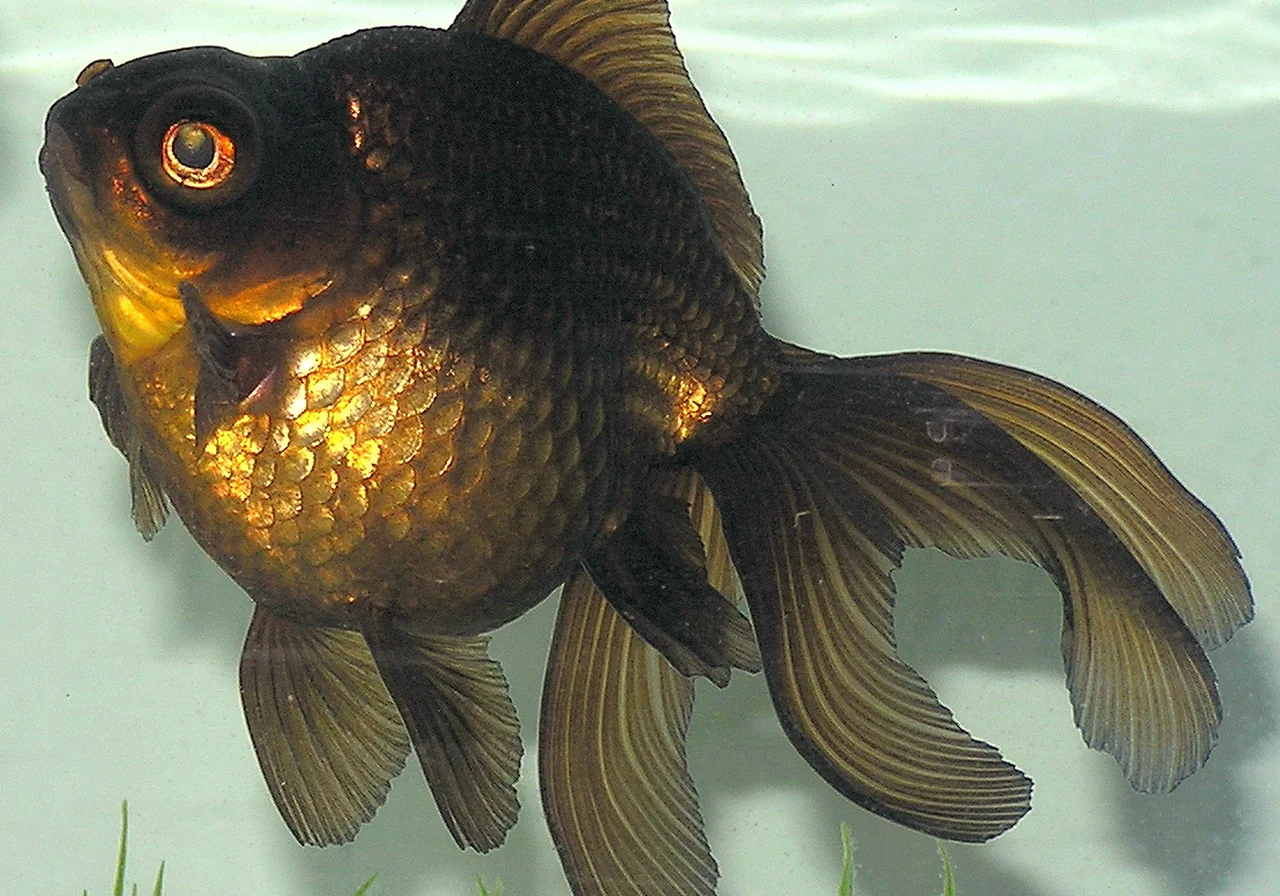
Black Moor
China (domestic telescope fancy)
Gentle, slow, poor vision
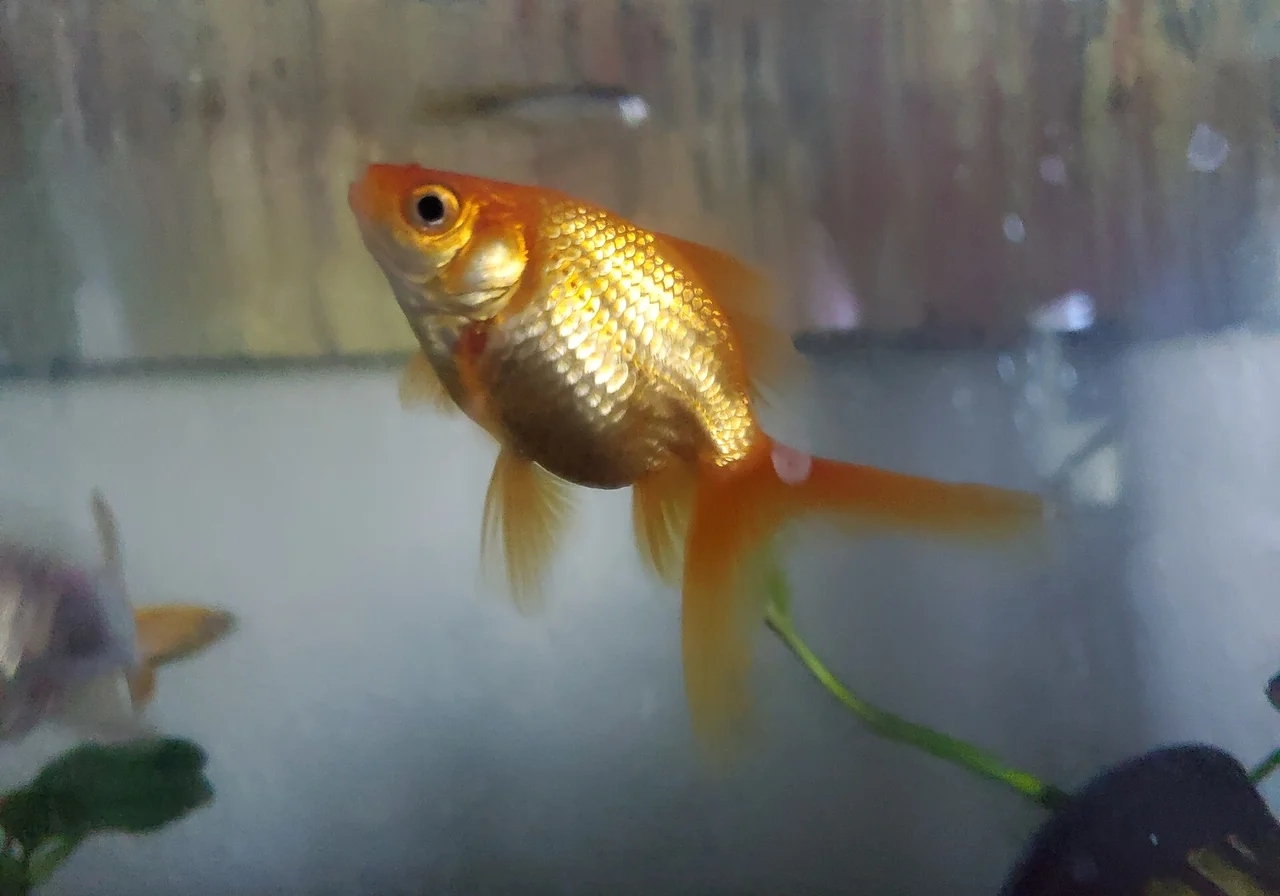
Fantail
Europe & Asia (domestic fancy)
Calm, double-tail, moderate swimmer
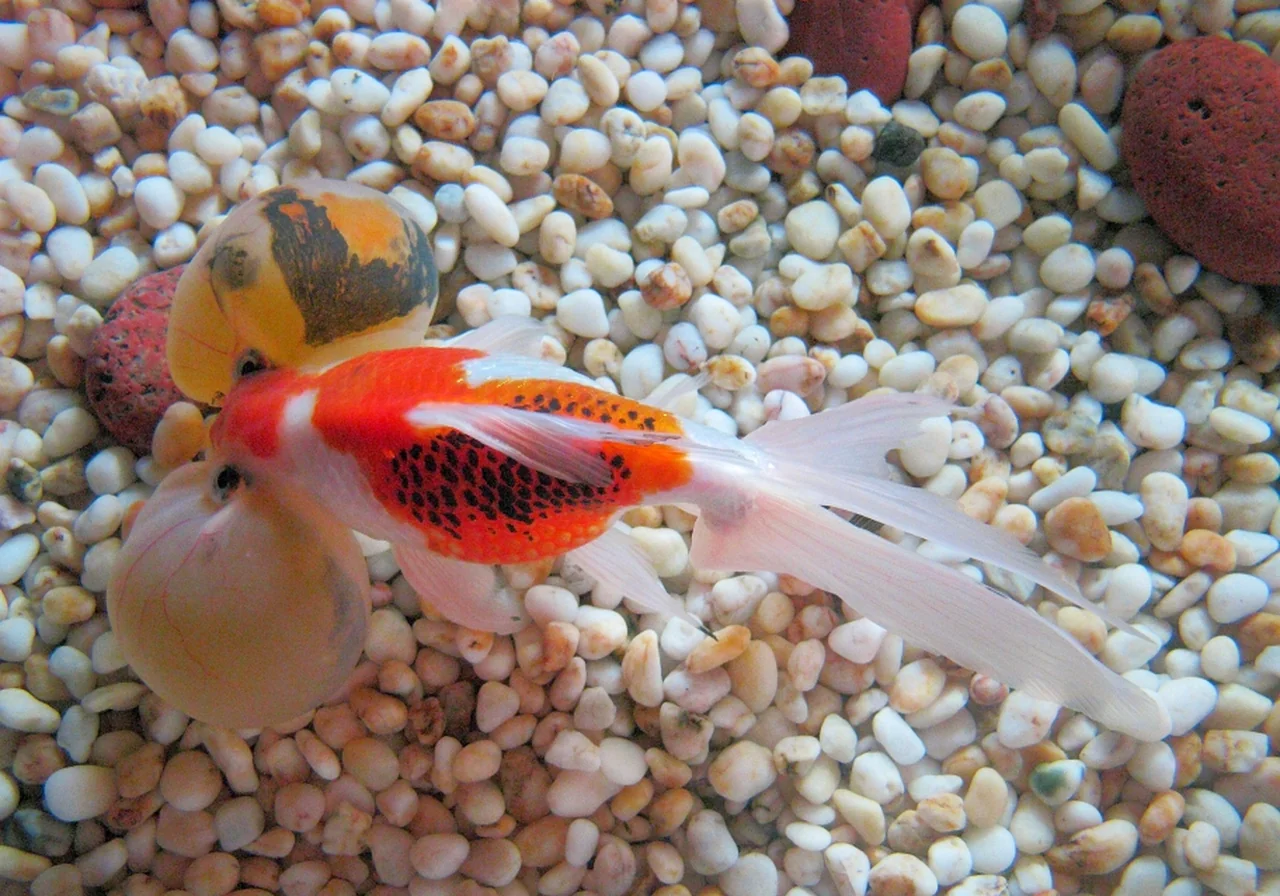
Bubble Eye
China (domestic fancy)
Very delicate, slow, specialist care
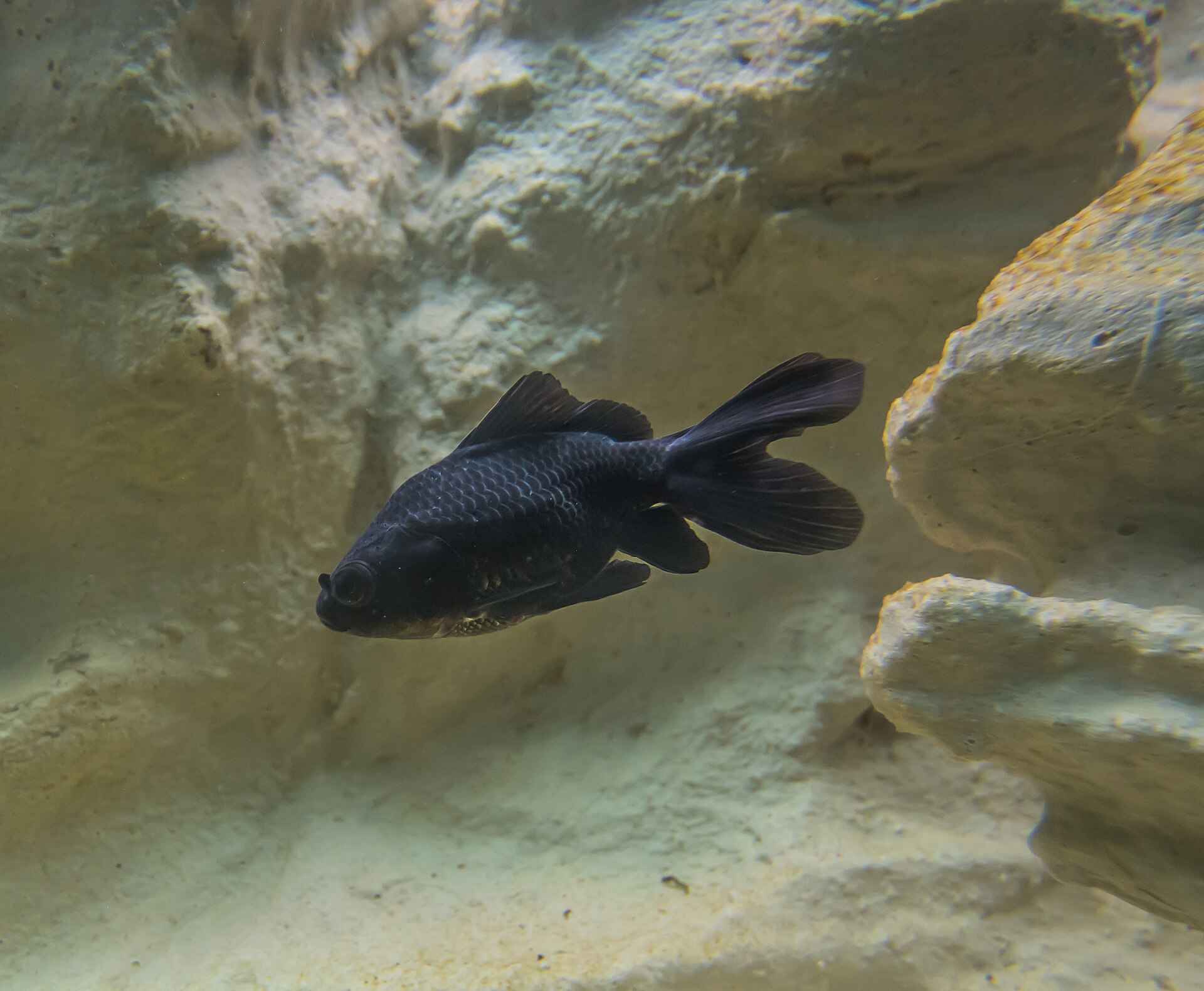
Telescope
China (domestic fancy)
Slow, visually impaired, gentle
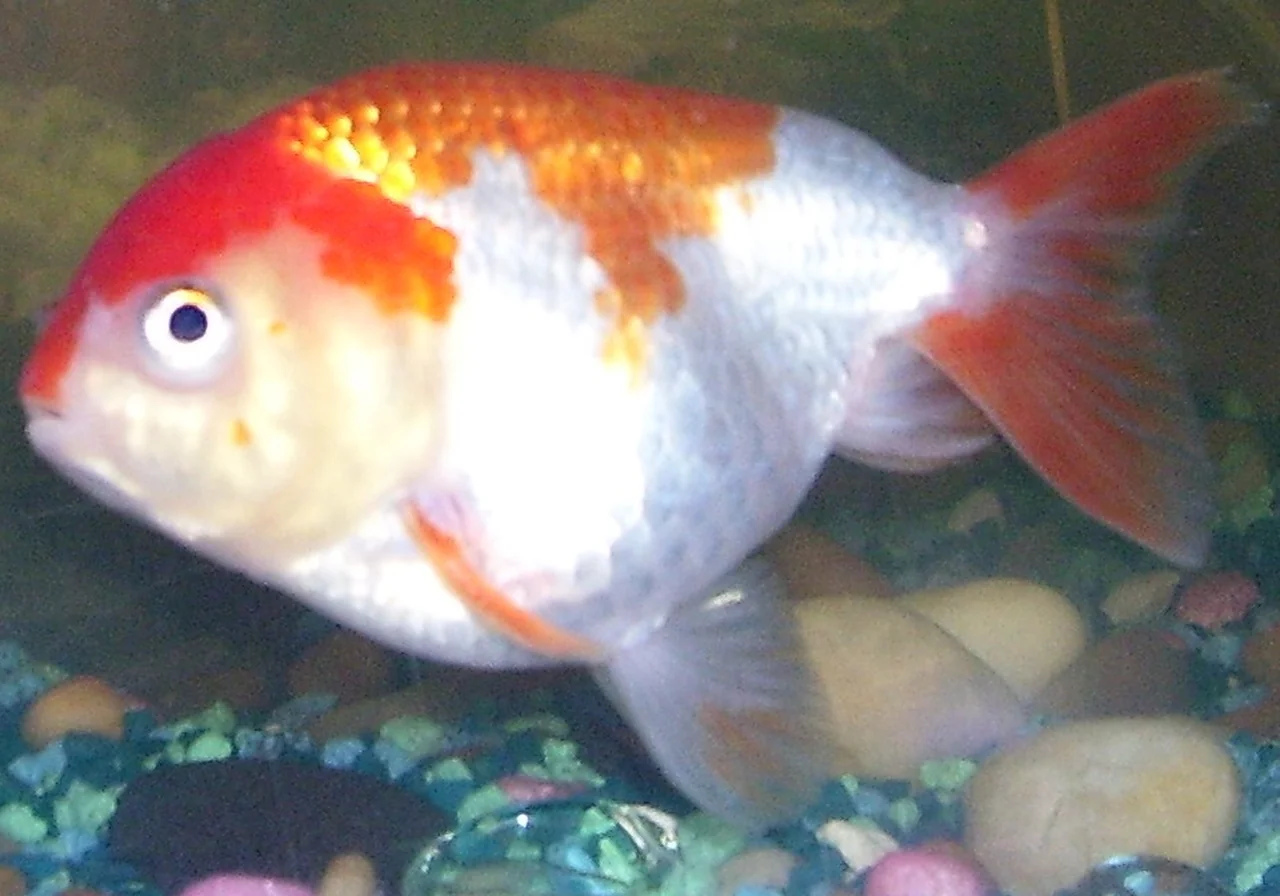
Lionhead
China & Japan (domestic fancy)
Calm, wen-bearing, slow
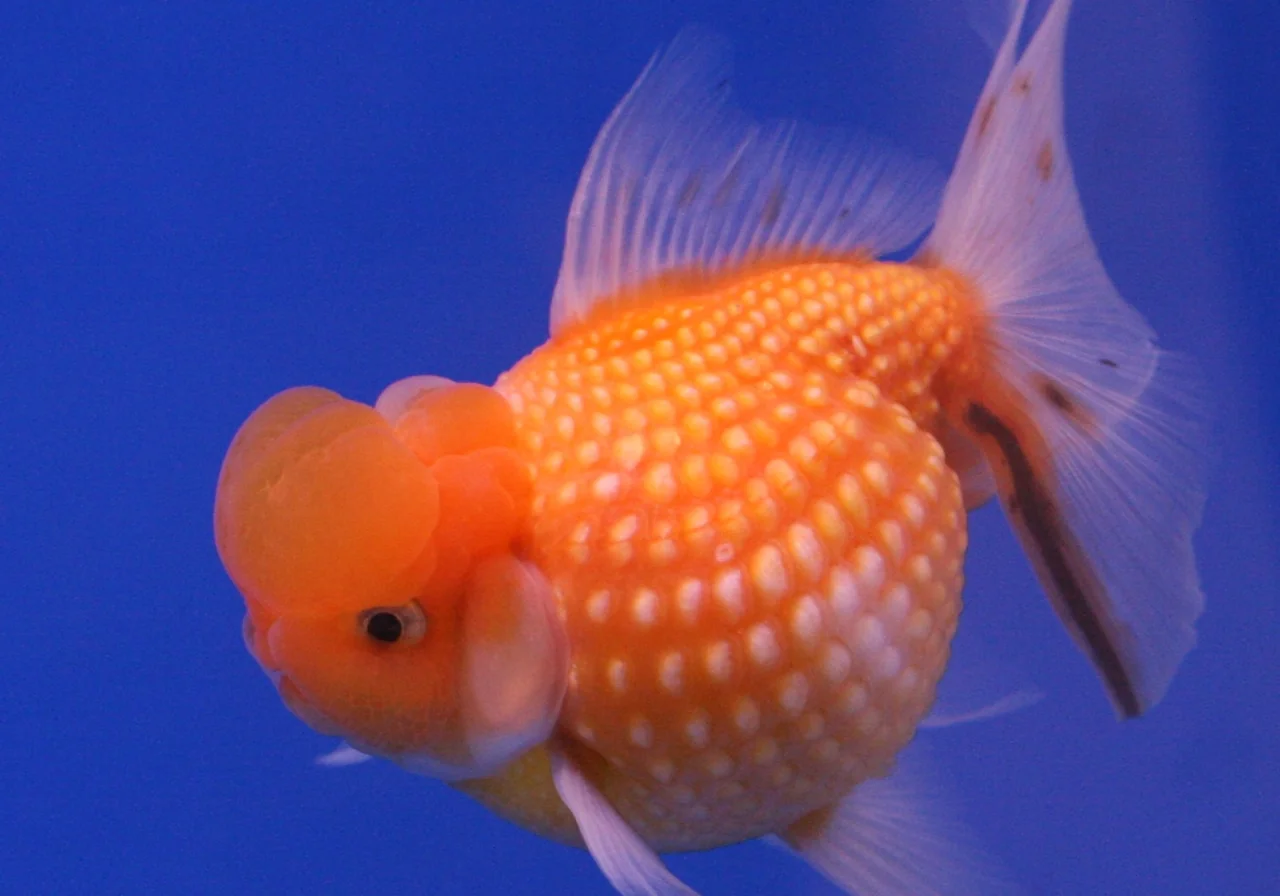
Pearlscale
China & Japan (domestic fancy)
Slow, gentle, prone to swim-bladder issues
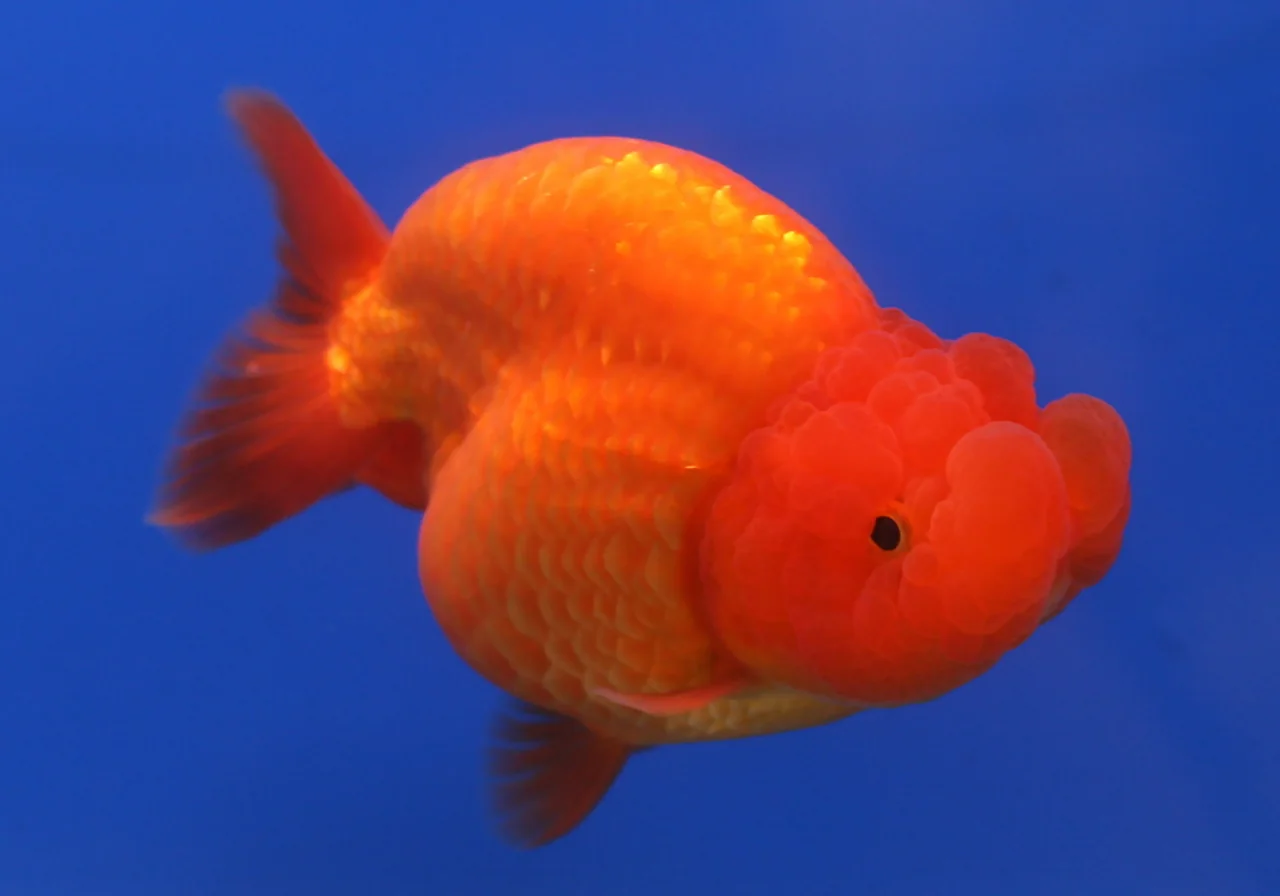
Ranchu
Japan (domestic fancy)
Calm, top-view show fish, slow swimmer
What WARN Does
WARN publishes free aquarium welfare education. Goldfish embody the gap between pet-trade marketing and biological need — honest guides reduce suffering in homes and prevent invasive releases that harm wild freshwater ecosystems in our partner regions.
If this guide helps you understand wildlife and the pressures it faces, a gift to WARN supports habitat protection and free public education in our partner countries.
Goldfish: Frequently Asked Questions
Can goldfish live in a bowl?
How long do goldfish live?
Can I release a goldfish into a pond or river?
What is the difference between a comet and a fancy goldfish?
Why do fancy goldfish float upside down?
What do goldfish eat?
Where do goldfish live?
Are goldfish dangerous?
How big is a goldfish?
Sources & References
Population figures, conservation status and biological facts on this page are drawn from authoritative scientific and intergovernmental sources.
Terms used on this page
Plain-English definitions, from our wildlife and conservation glossary.
Explore more animals
Discover more animals, their habitats and their conservation status in the WARN wildlife-guide library.