Animal Comparison
Koi vs Goldfish
Koi are ornamental common carp that grow large; goldfish are a different carp species bred smaller for bowls and ponds.
By WARN Research & Conservation TeamLast updated
In brief — Koi vs Goldfish
Koi are large ornamental common carp; goldfish are a smaller, separate domesticated species.
Koi are ornamental varieties of common carp (Cyprinus carpio) bred for colour and pattern, and they grow into large pond fish. Goldfish (Carassius auratus) are a different species, domesticated from Prussian carp relatives, and stay much smaller. Both are coldwater carp relatives, but they are not the same fish at adulthood.
See the difference
Images are shown at different scales. Read each caption for the species, source and context.
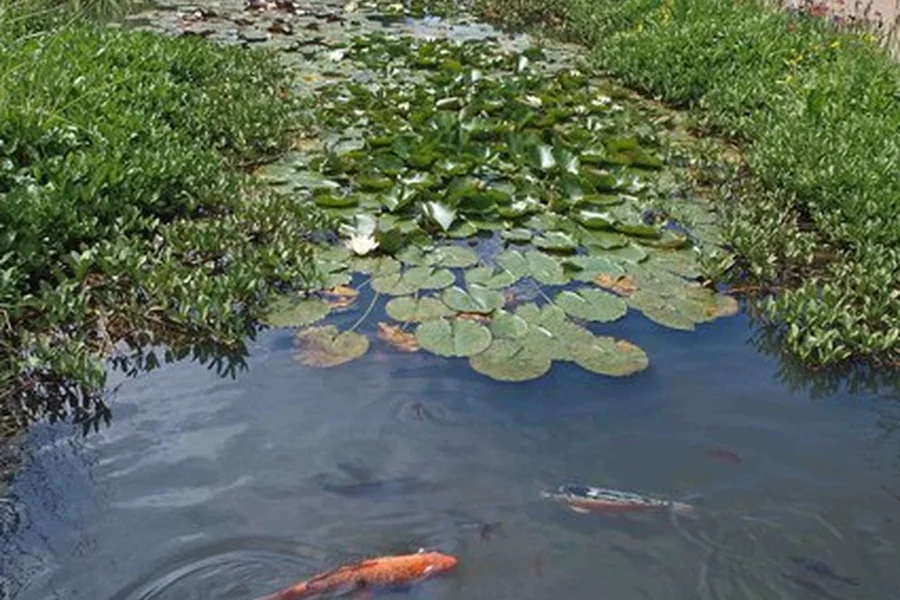
Koi — large ornamental carp patterning
AI-generated educational wildlife portrait — World Animal Rescue Network
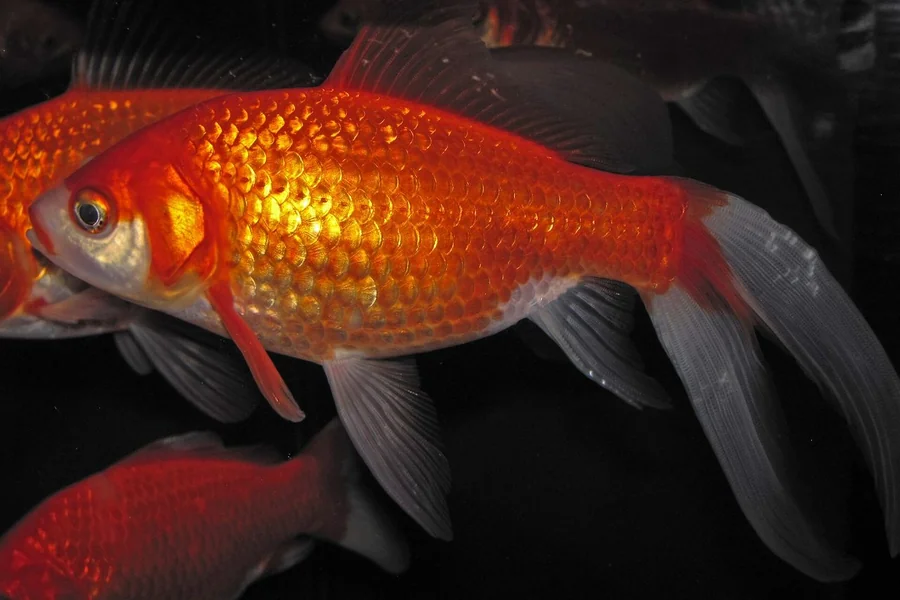
Goldfish — compact ornamental carp
AI-generated educational wildlife portrait — World Animal Rescue Network
Koi vs Goldfish: At a Glance
| Feature | Koi | Goldfish |
|---|---|---|
| Species | Cyprinus carpio (ornamental) | Carassius auratus |
| Adult size | Often 60–90 cm+ | Often 10–30 cm |
| Barbels | Two pairs near mouth | None |
| Body | Elongate carp shape | Shorter; fancy forms varied |
| Typical housing | Large outdoor ponds | Ponds or suitably large tanks |
| Colour breeding | Gosanke and many Japanese lines | Wide fancy and common forms |
| Hardiness | Coldwater carp; needs oxygen/space | Coldwater; still needs oxygen/space |
| Lifespan potential | Decades in good care | Decades possible; often shortened by poor care |
| Feeding volume | High bioload as adults | Lower than adult koi |
| Hybrid note | Can hybridise with related carp | Different species boundaries apply |
Size and physical differences
Koi commonly reach 60–90 cm in ponds; typical goldfish are far smaller, often 10–30 cm depending on variety and conditions.
Koi versus goldfish is a pond-keeper comparison with a species-level answer. Koi are selectively bred common carp. Goldfish were domesticated centuries ago from wild Carassius stock in East Asia and diversified into fantails, comets and many fancy forms. Juvenile koi in a shop tank can look like stout goldfish, which is how mis-selling and accidental stocking mistakes begin.
Growth trajectory is the practical separator. A true koi needs space measured in large ponds and filtration sized for a big carp. A goldfish still needs more room than folklore claims, but it will not become a metre-class carp. Body shape, barbels and adult size confirm the label.
This comparison sticks to marks you can use without laboratory gear: size, shape, behaviour and the words people actually type into a search box. Scientific names are given where they prevent a regional mix-up. Where published measurements disagree, this page gives the range rather than a single tidy figure that implies more certainty than the sources support.
They are different species
The clean answer is taxonomic. Koi are ornamental common carp. Goldfish are Carassius auratus. Shared orange colours and carp ancestry create the illusion of stages of the same animal. Shop staff sometimes mislabel young koi as goldfish because both may be orange and scaled. Ask about barbels and expected adult size. Two pairs of fleshy barbels beside the mouth support a carp/koi identification; goldfish lack them. Field observers should combine silhouette, behaviour and habitat before naming what they see. Where published measurements disagree, this page gives the range rather than a single tidy figure. Treat a single trait as supporting evidence rather than a complete identification. Local field guides remain the final check when similar species share a landscape. When evidence is thin, prefer a broader label over a false precise name.
Size and bioload
Adult koi are large pond carp that produce a heavy waste load. Filtration, aeration and stocking density must match that reality. Goldfish produce less waste per fish at typical sizes, but cramped bowls still kill them through ammonia and oxygen stress. The comparison should not become a licence to mistreat goldfish as disposable. It should stop people from putting a future 70 cm koi into a tub meant for smaller fish. Field observers should combine silhouette, behaviour and habitat before naming what they see. Where published measurements disagree, this page gives the range rather than a single tidy figure. Treat a single trait as supporting evidence rather than a complete identification. Local field guides remain the final check when similar species share a landscape.
Shape and fancy forms
Koi breeding emphasises colour patterns on a carp body — kohaku, sanke, showa and many others — while keeping a swimming form suited to ponds. Goldfish breeding pushed body shape further: twin tails, telescope eyes, truncated backs. A fancy goldfish is rarely mistaken for a show koi once grown. Young, single-tailed comet goldfish and young koi remain the confusion zone. Time and growth resolve most disputes. Field observers should combine silhouette, behaviour and habitat before naming what they see. Where published measurements disagree, this page gives the range rather than a single tidy figure. Treat a single trait as supporting evidence rather than a complete identification. Local field guides remain the final check when similar species share a landscape. When evidence is thin, prefer a broader label over a false precise name.
Care overlap without sameness
Both prefer cool, well-oxygenated water and suffer in overheated, overcrowded conditions. Both are social enough that solitary confinement is a welfare issue. Those overlaps do not make stocking ratios interchangeable. A pond built for a few goldfish becomes inadequate when someone adds "just one more" koi that will outgrow everything else. Plan for adult size, not shop size. Field observers should combine silhouette, behaviour and habitat before naming what they see. Where published measurements disagree, this page gives the range rather than a single tidy figure. Treat a single trait as supporting evidence rather than a complete identification. Local field guides remain the final check when similar species share a landscape. When evidence is thin, prefer a broader label over a false precise name.
Why the comparison matters
Mislabelled fish drive impulse purchases that end in overcrowding or illegal release. Released goldfish and carp both damage wild waterways. Accurate names keep husbandry advice attached to the animal present. WARN publishes these comparisons so high-intent questions get a sourced answer instead of an unsourced listicle. Field observers should combine silhouette, behaviour and habitat before naming what they see. Where published measurements disagree, this page gives the range rather than a single tidy figure. Treat a single trait as supporting evidence rather than a complete identification. Local field guides remain the final check when similar species share a landscape. When evidence is thin, prefer a broader label over a false precise name. Field observers should combine silhouette, behaviour and habitat before naming what they see. Where published measurements disagree, this page gives the range rather than a single tidy figure.
Did you know?
The word koi simply means carp in Japanese; nishikigoi refers to the colourful ornamental forms people mean in English.
Koi vs Goldfish: FAQs
Are koi just big goldfish?
How can I tell a baby koi from a goldfish?
Which lives longer?
Can koi and goldfish live together?
Do goldfish become koi?
Why are koi more expensive?
Help protect animals
Learning about animals can help more people understand their needs. WARN raises funds for eligible animal-welfare organisations. Read the relevant appeal’s purpose, recipient status and fund terms, or share this free guide to raise awareness.