Wildlife Guide · Worldwide — ornamental ponds; wild carp native to Europe and Asia
Koi
Cyprinus carpio haematopterus — ornamental domestic carp (Cyprinus carpio)
Living jewels of the pond — centuries of Japanese artistry on a Vulnerable wild carp.
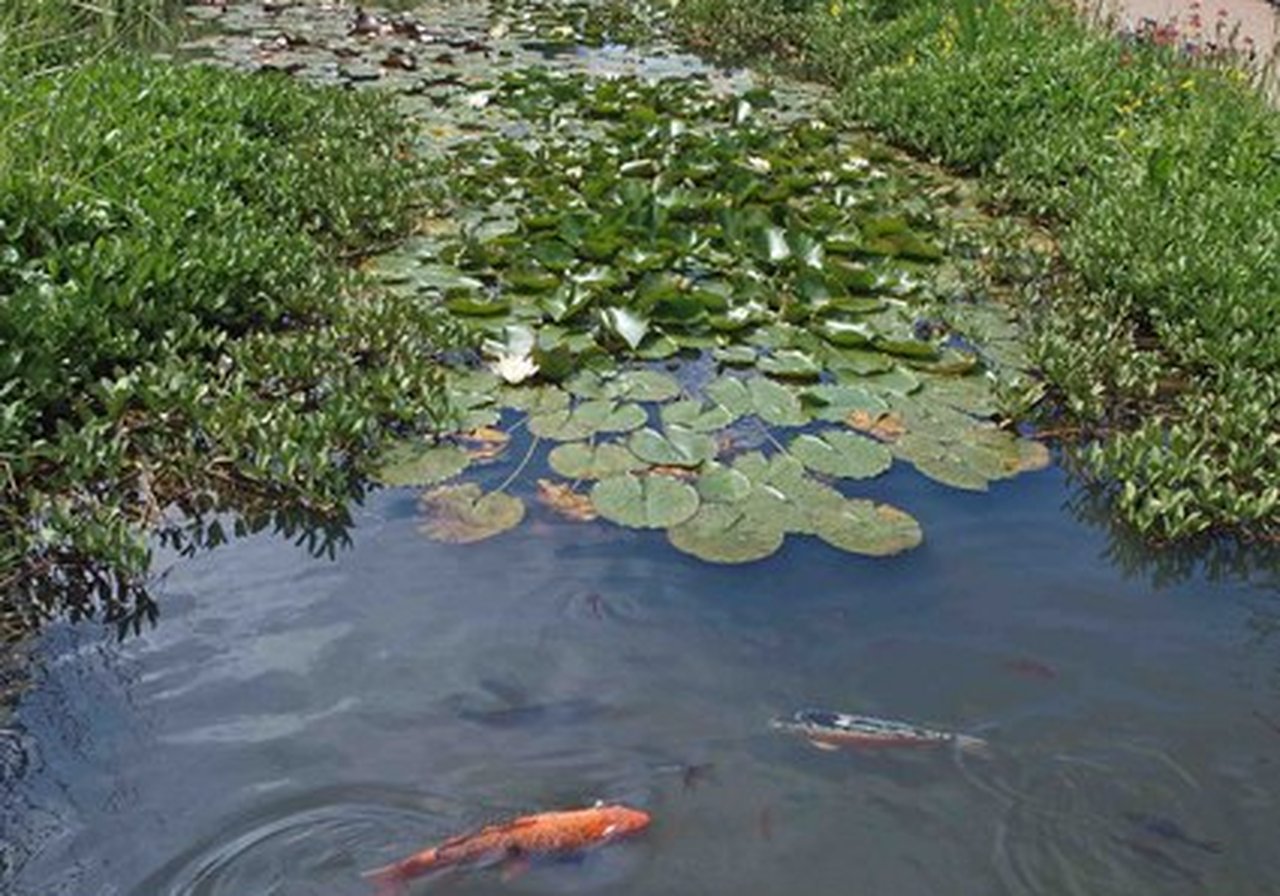
Source: Wikimedia Commons
In brief
Koi are ornamental domestic carp bred for pond display — wild Cyprinus carpio is Vulnerable; koi need large filtered ponds, quarantine and never release into wild waterways.
Also in Animals A to Z · Animals that start with K
How you can help
You can support the related appeal — read its purpose, recipient status and fund terms first — or give once to where it is needed most. Sharing accurate information helps too.
By WARN Research & Conservation TeamLast updated
Koi are ornamental varieties of common carp (Cyprinus carpio), developed in Japan from the nineteenth century for colour patterns admired in garden ponds worldwide. Wild carp in their native range are Vulnerable on the IUCN Red List — habitat loss, dams and invasive spread of domestic strains threaten genetic diversity. Koi themselves are domestic art forms — Kohaku, Sanke, Showa and dozens of named patterns — but require large filtered ponds, quarantine protocols and lifelong commitment; they can live 50 years or more. Released koi damage native wetlands — never dump pond fish into wild waterways.
Vulnerable
IUCN status — wild common carp in native range
50+ yr
Potential lifespan in well-maintained ponds
1,000+ L
Minimum pond volume often cited per adult koi
19th c.
Modern nishikigoi breeding formalised in Japan
Figures sourced from IUCN Red List — Cyprinus carpio, OATA — pond fish welfare, ZNA — Zukunft Nishikigoi (koi standards) .
Koi: Quick Facts
| Wild carp status | Vulnerable (IUCN) in native range |
|---|---|
| Lifespan | 25–50+ years in good ponds |
| Pond minimum | 1,000+ litres per adult — larger preferred |
| Origin of nishikigoi | Niigata prefecture, Japan — 19th century |
| Key disease | Koi herpesvirus — quarantine essential |
| CITES | Not listed — domestic ornamental trade |
Scientific Classification
| Kingdom | Animalia |
|---|---|
| Phylum | Chordata |
| Class | Actinopterygii |
| Order | Cypriniformes |
| Family | Cyprinidae |
| Species | Cyprinus carpio (Linnaeus, 1758) |
| Variety | Ornamental koi (nishikigoi) |
Conservation Status
- IUCN Status
- Wild Cyprinus carpio Vulnerable in native range. Koi are domestic ornamental varieties; feral releases invasive globally.
- Population
- Wild native carp declining; billions of domestic carp in aquaculture and ponds
- Trend
- Wild native populations decreasing; feral populations increasing where introduced
- Assessed
- 2008 (Cyprinus carpio native range)
- CITES
- Not listed
Key Facts: Koi
- Koi are domestic ornamental carp — wild Cyprinus carpio is Vulnerable in native range.
- Adult koi need large filtered ponds — not indoor aquariums long-term.
- Koi herpesvirus (KHV) outbreaks kill entire collections without quarantine discipline.
- Released carp become invasive pests in native wetlands worldwide.
- Japanese breeders preserve pattern genetics — each named variety has show standards.
- Pond filtration, depth and predator protection are welfare essentials year-round.
From food fish to nishikigoi art
Common carp were domesticated for food in China and Europe millennia ago. In nineteenth-century Japan, colour mutations in Niigata prefecture rice-fish ponds became nishikigoi — brocaded carp — bred for red, white and black patterns. Kohaku (white with red), Taisho Sanke and Showa Sanshoku form the gosanke trio prized at shows.
Modern koi export is a global industry — Israeli, Indonesian and British breeders produce show fish worth thousands of pounds. Pattern perfection is art; welfare still depends on water volume, oxygen and disease management regardless of price.
Wild carp conservation versus ornamental lines
Cyprinus carpio is Vulnerable in its native European and Asian range — dams block spawning migration, wetlands drain and genetic pollution from released feral carp homogenises wild lineages. Koi are not wild conservation targets, but they contribute to invasive spread when pond owners release unwanted fish.
Feral carp in Australia and North America uproot vegetation, increase turbidity and reduce native fish spawning success. Koi keepers must treat fish as lifetime commitments — rehome through koi clubs rather than release.
Pond design, filtration and stocking density
Adult koi exceed 60 cm and produce heavy bioload — minimum pond volumes of 1,000 litres per fish are conservative; dedicated enthusiasts build 10,000-litre-plus systems with bottom drains, UV sterilisers and biological filtration. Depth below 1 metre protects from herons and extreme temperature swings.
Overstocking causes ammonia spikes, fin erosion and stunting. New fish require four-week quarantine in separate tanks to prevent koi herpesvirus introduction — KHV kills at water temperatures above 18 °C and has no cure. Test kits for ammonia, nitrite, nitrate and pH are mandatory, not optional.
Health, seasons and predator protection
Koi slow feeding below 10 °C in temperate climates — wheatgerm diets suit autumn; avoid overfeeding in winter when metabolism drops. Spring brings parasite flushes — inspect for flashing, clamped fins and ulcers. Herons, otters and cats kill pond fish — netting, deep water and motion deterrents reduce losses.
Handling stresses fish — use koi socks and bowls for vet exams only. Anaesthesia by trained vets enables safe examination; never grab scaled skin. Long-lived koi outlast many owners — succession planning prevents neglect when ponds are sold with houses.
What WARN Does
WARN publishes free freshwater welfare and habitat education. Wild carp decline and invasive carp spread both reflect human movement of domestic fish — honest koi guides reduce releases that harm native ecosystems in partner countries.
If this guide helps you understand wildlife and the pressures it faces, a gift to WARN supports habitat protection and free public education in our partner countries.
How can I help save the koi?
Explore practical ways to support the koi, from everyday choices and sharing reliable information to reviewing a related appeal before giving.
Explore ways to support
Read the related appeal’s purpose, recipient status and fund terms. Choose an affordable gift after checking what is proposed and what has been reported.
Ease the pressures
Avoid the wildlife trade and souvenirs, never buy wild animals as pets, and choose sustainable, habitat-friendly products — the threats behind the koi's decline fall when demand does.
Spread the word
Share accurate, sourced information about the koi. Wider awareness is what turns concern into lasting protection.
Koi: Frequently Asked Questions
How can I help save the koi?
Can koi live in a fish tank?
How long do koi live?
Are wild carp endangered?
Can I release koi into a local lake?
What is koi herpesvirus?
How big should a koi pond be?
Where do koi live?
Sources & References
Population figures, conservation status and biological facts on this page are drawn from authoritative scientific and intergovernmental sources.
Terms used on this page
Plain-English definitions, from our wildlife and conservation glossary.
Explore more animals
Discover more animals, their habitats and their conservation status in the WARN wildlife-guide library.