Wildlife Guide · Europe & Asia
Goose
Family Anatidae (Anser and Branta)
Large, social grazing waterfowl famous for V-formation migrations
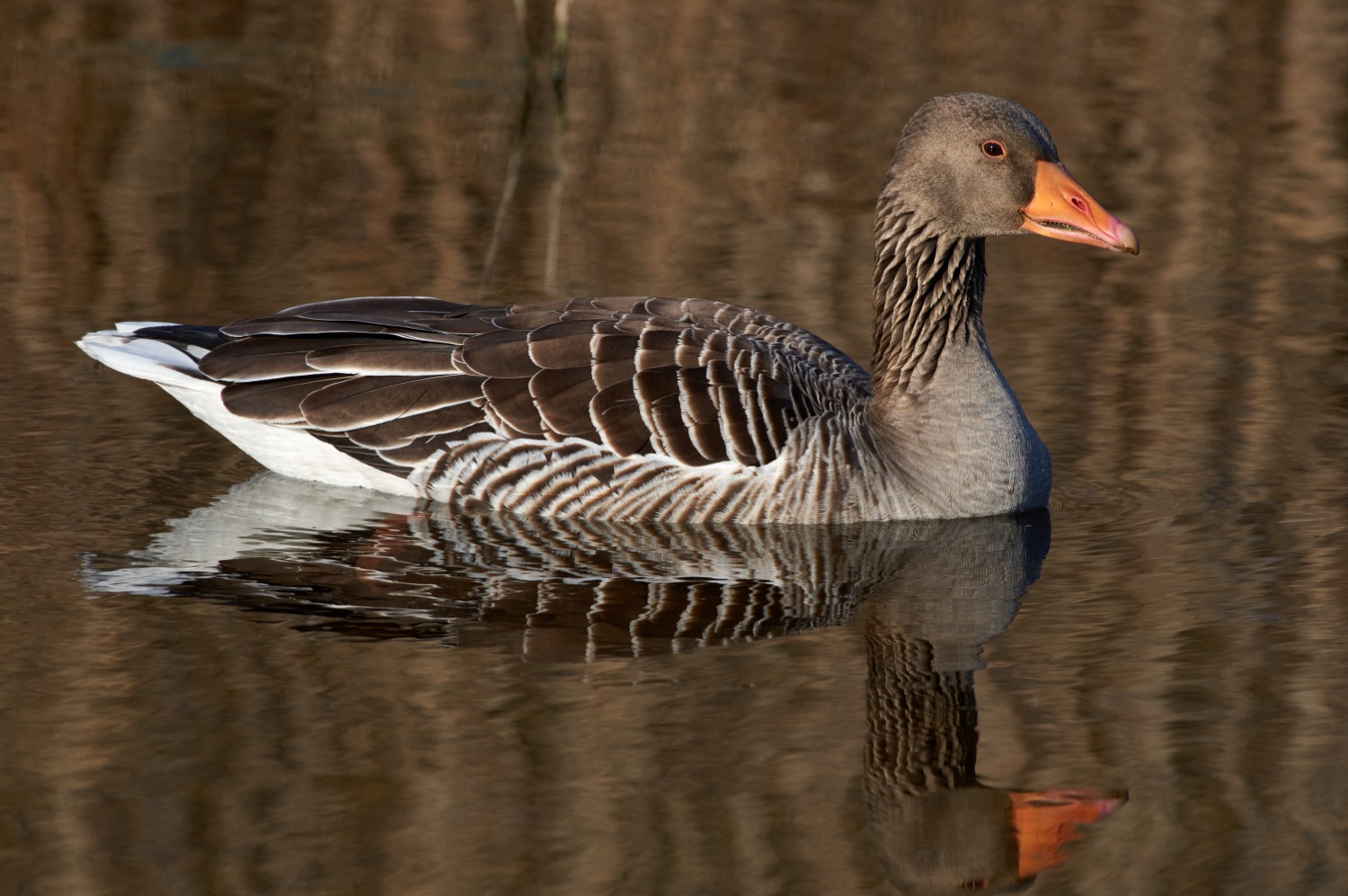
Source: Wikimedia Commons — “Greylag goose (Anser anser)” by Hobbyfotowiki, CC0
In brief
A goose is a large, social grazing waterfowl in the family Anatidae, split mainly into grey and white geese (Anser) and black geese (Branta). Bigger than ducks, geese feed on grass, form lifelong pair bonds and migrate long distances in energy-saving V-formations.
Also in Animals A to Z · Animals that start with G
By WARN Research & Conservation TeamLast updated
A goose is a large, social waterfowl in the family Anatidae, grouped chiefly into the grey and white geese (genus Anser) and the black geese (genus Branta). Bigger than ducks but smaller than swans, geese are built for grazing: they crop grasses, sedges and crops with a strong, serrated bill and spend much of their time walking on land. Many species are powerfully migratory, travelling in the famous V-shaped skeins that save energy and keep the flock together. Geese form strong, long-lasting pair bonds and raise broods of downy goslings. The greylag goose (Anser anser) is the ancestor of most domestic breeds, while the Canada goose (Branta canadensis) is a familiar park resident across much of the Northern Hemisphere.
2
main genera: Anser (grey/white) and Branta (black)
1.8 m
wingspan of a large Canada goose
~2500 BCE
Domestic geese shown in Egyptian art by the Old Kingdom
10-24 yrs
typical wild lifespan of a Canada goose reaching adulthood
Figures sourced from Goose - Wikipedia, Greylag goose - Wikipedia, Canada goose - Wikipedia and other references on this page.
Goose: Quick Facts
| Common name | Goose (plural: geese) |
|---|---|
| Main genera | Anser (grey/white) and Branta (black) |
| Family | Anatidae (waterfowl, with ducks and swans) |
| Typical length | About 74-110 cm, depending on species |
| Wingspan | Roughly 1.5-1.8 m in large species |
| Weight | Around 3-4 kg in common species |
| Diet | Mainly grasses, leaves, grain and aquatic plants (grazer) |
| Migration | Many species migrate in V-shaped skeins |
| Social life | Mostly monogamous, often paired for life; flock outside breeding |
| Lifespan | Often 10-24 years in the wild (Canada goose) |
Scientific Classification
| Kingdom | Animalia |
|---|---|
| Phylum | Chordata |
| Class | Aves |
| Order | Anseriformes |
| Family | Anatidae |
| Subfamily | Anserinae |
| Genera | Mainly Anser (grey/white geese) and Branta (black geese) |
Conservation Status
- IUCN Status
- Conservation status varies by species. Many of the most familiar geese, including the greylag goose (Anser anser) and the Canada goose (Branta canadensis), are assessed by the IUCN as Least Concern, with large and often increasing populations. Resident Canada geese are so numerous in places that they are widely treated as urban pests. Some more specialised or restricted-range geese, however, face pressure from wetland loss, drainage, hunting and disturbance, so not all species are equally secure.
- Population
- Not meaningful as a single figure; common species number in the millions, while a few specialised geese have far smaller populations.
- Trend
- Stable to increasing for widespread generalist species such as the greylag and Canada goose; declining for some specialised wetland geese.
- Assessed
- Greylag and Canada goose assessed as Least Concern in recent IUCN Red List assessments
- CITES
- Not generally listed; common geese are not CITES-restricted, though some specific species may have trade protections
Because goose covers many species across two main genera, status is best read species by species rather than as a single category.
Key Facts: Goose
- Geese are large grazing waterfowl, classed mainly in the grey/white genus Anser and the black genus Branta within the duck family Anatidae.
- They fly in V-shaped formations that conserve energy and help the flock stay in contact during long migrations.
- Geese are largely herbivorous grazers, cropping grass, leaves, grain and aquatic plants, though they take some small invertebrates too.
- Most pair for life and defend territory only during the short nesting season, when they raise downy goslings.
- The greylag goose is the wild ancestor of most domestic goose breeds, kept by people for thousands of years.
- Common species such as the greylag and Canada goose are listed as Least Concern, and resident Canada geese are often treated as urban pests.
What does a goose look like, and how is it different from a duck or swan?
Geese are medium-to-large waterfowl that sit between ducks and swans in size. A greylag goose measures roughly 74-91 cm long with a wingspan of about 147-180 cm, while a large Canada goose can reach 75-110 cm with a wingspan up to around 185 cm. They have long necks (though shorter than a swan's), heavy bodies, broad wings and webbed feet, and a stout, deep-based bill with serrated edges suited to gripping and cropping vegetation. Compared with ducks, geese are bigger, longer-necked and spend far more time grazing on land; both sexes usually share similar plumage, unlike the bright drakes of many ducks. Plumage varies by group: Anser geese tend to be grey-brown or white with pink or orange bills and legs, while Branta geese, such as the Canada and barnacle goose, are boldly patterned in black, white and grey. Swans, by contrast, are larger again, with very long necks and almost always all-white or all-black adult plumage.
Why do geese fly in a V-formation?
The V, or skein, is one of the most recognisable sights in the bird world, and it is a feat of aerodynamics. As each goose flaps, its wingtips shed swirling vortices of air; birds flying slightly behind and to the side can ride the rising part of that wake, gaining lift and reducing the effort needed to stay aloft. By trailing one another in a staggered line, the flock as a whole saves energy on long journeys. The formation also aids communication and lets every bird keep its flock-mates in view, which matters when migrations can span continents. Geese share the demanding lead position and rotate through it, and much of a migration is actually spent resting at traditional stopover sites, where birds refuel and build fat reserves before the next leg. Young geese learn these routes and stopovers from their parents, so migratory knowledge is passed down the generations rather than being purely instinctive.
What do geese eat and how do they live?
Geese are primarily herbivores and dedicated grazers. They feed chiefly on grasses, sedges, leaves, roots, aquatic plants and agricultural grain such as wheat, corn and rice, using the serrated edges of their bills to tear and crop vegetation. Some species also take small quantities of insects, molluscs, crustaceans and occasionally tiny fish, especially when feeding goslings that need protein to grow. Socially, geese are strongly bonded: most are monogamous and stay together as pairs throughout the year, becoming territorial mainly during the short nesting season. They nest on the ground near water, and both parents help guard the brood of goslings, which can walk and feed themselves soon after hatching. Outside the breeding season geese gather in large, noisy flocks, and a group has many traditional names: a gaggle on the ground, and a skein, team or wedge in flight. Their loud honking calls help coordinate these flocks and warn of danger.
Are geese endangered, or are some a nuisance?
Most familiar geese are not threatened. Widespread species such as the greylag goose and the Canada goose are assessed as Least Concern by the IUCN, with large, often increasing populations. In fact, the opposite problem is more common in towns and cities: non-migratory Canada geese, which stay put where winters are mild and predators few, are widely regarded as pests. Their droppings foul parks and waterways, they graze and trample crops and amenity grass, they can be noisily aggressive when nesting, and they readily beg for food. Management can involve hazing, egg treatment to limit breeding, and culling. Not every goose is so secure, though. Some species and local populations face pressure from habitat loss, drainage of wetlands, hunting and disturbance, and a few island or specialist geese have small ranges. The broad pattern is that adaptable, generalist geese thrive alongside people, while more specialised wetland species depend on the health of the marshes, estuaries and tundra they need.
Goose vs swan: how to tell them apart
| Feature | Goose | Swan |
|---|---|---|
| Size | Medium to large | Larger, among the biggest waterfowl |
| Neck | Long but proportionate | Very long and graceful |
| Plumage | Grey-brown, white, or boldly black-and-white | Usually all-white or all-black as adults |
| Bill | Stout, deep-based, for grazing grass | Long, with a knob or coloured base in many species |
| Feeding | Mostly grazes on land | Feeds mainly in water, often up-ending |
| Family | Anatidae (genera Anser, Branta) | Anatidae (genus Cygnus) |
Goose Breeds Guide
From the Embden and Toulouse to the African, Chinese, Pilgrim and four more — explore 8 of the world's most searched domestic goose breeds with temperament, size, common health issues and responsible care guidance.
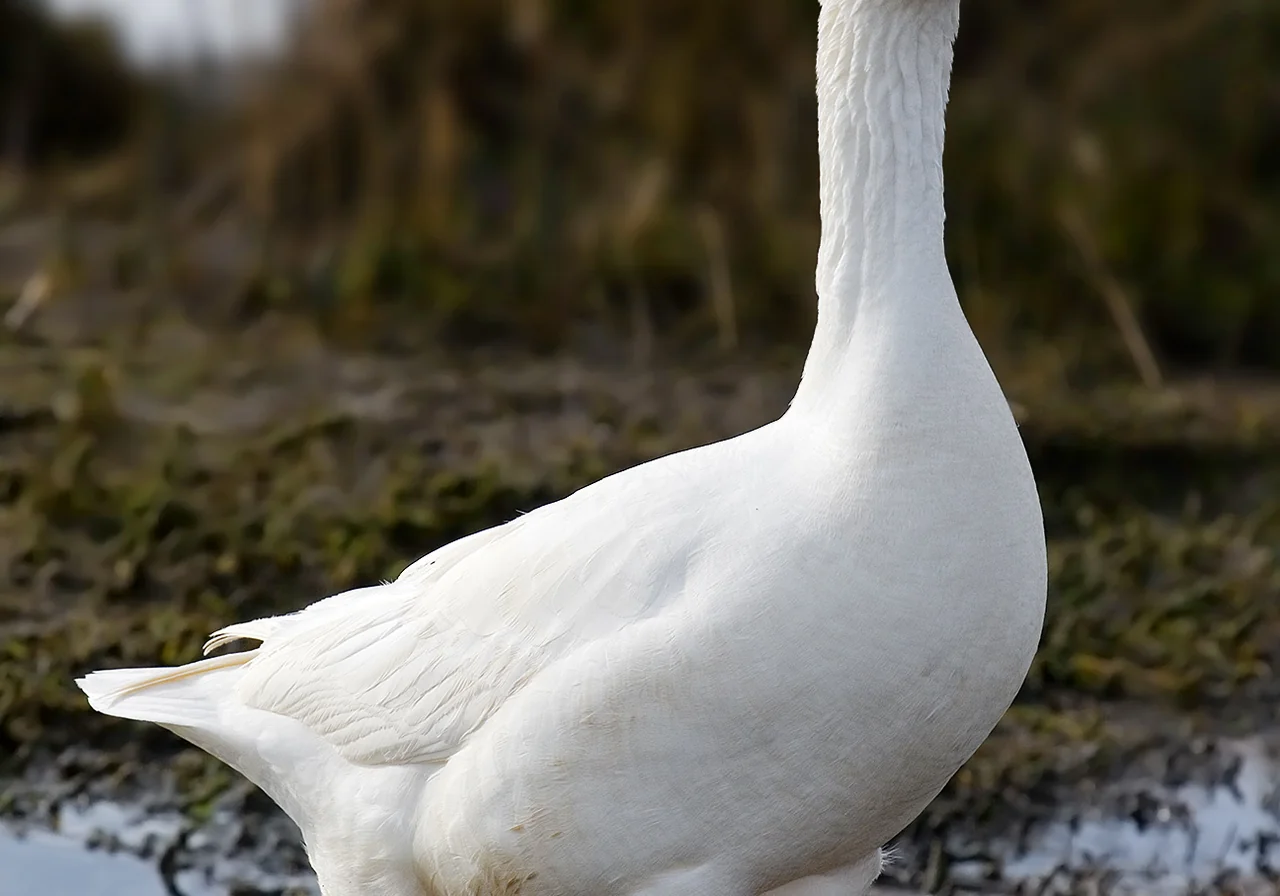
Embden
Germany
Bold, vocal, territorial
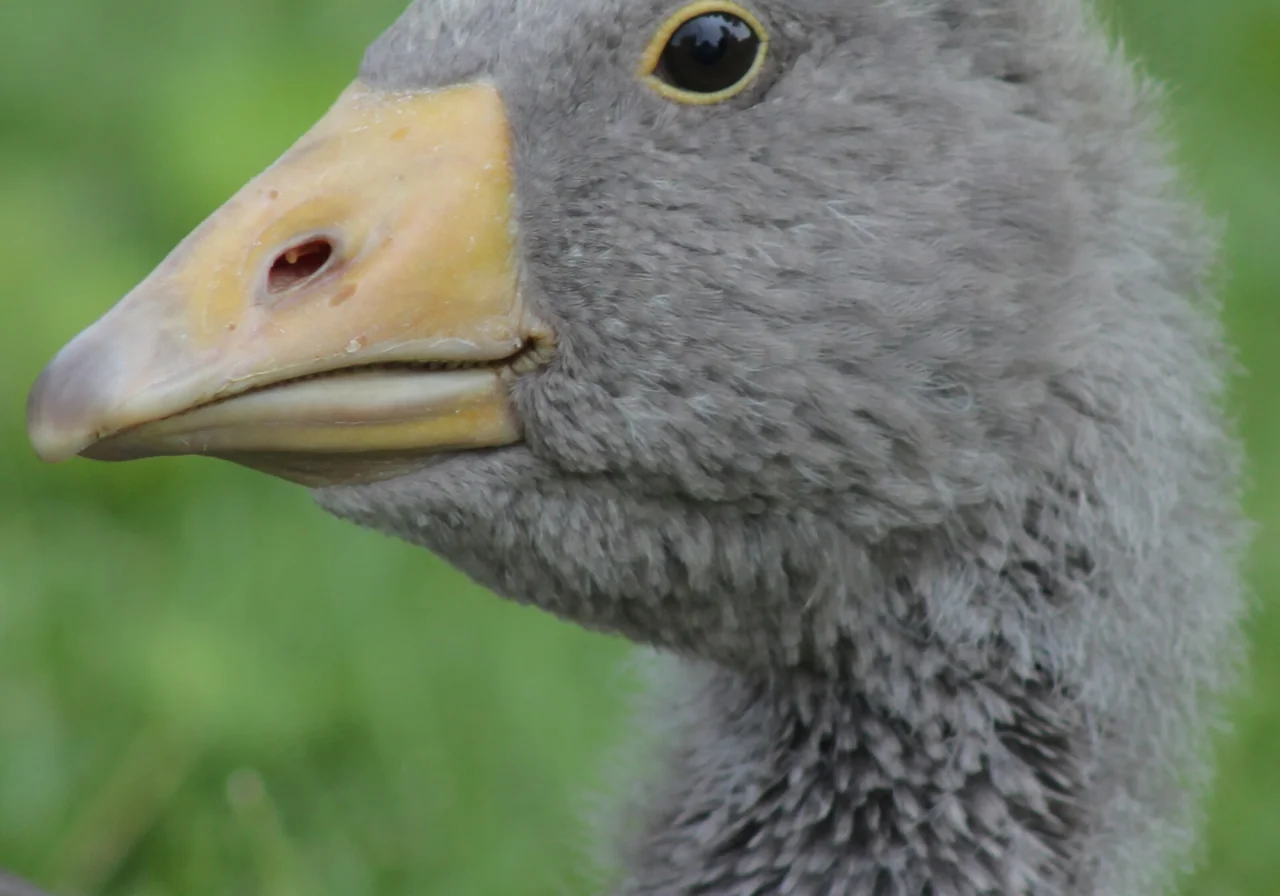
Toulouse
France
Calm, slow, grazing
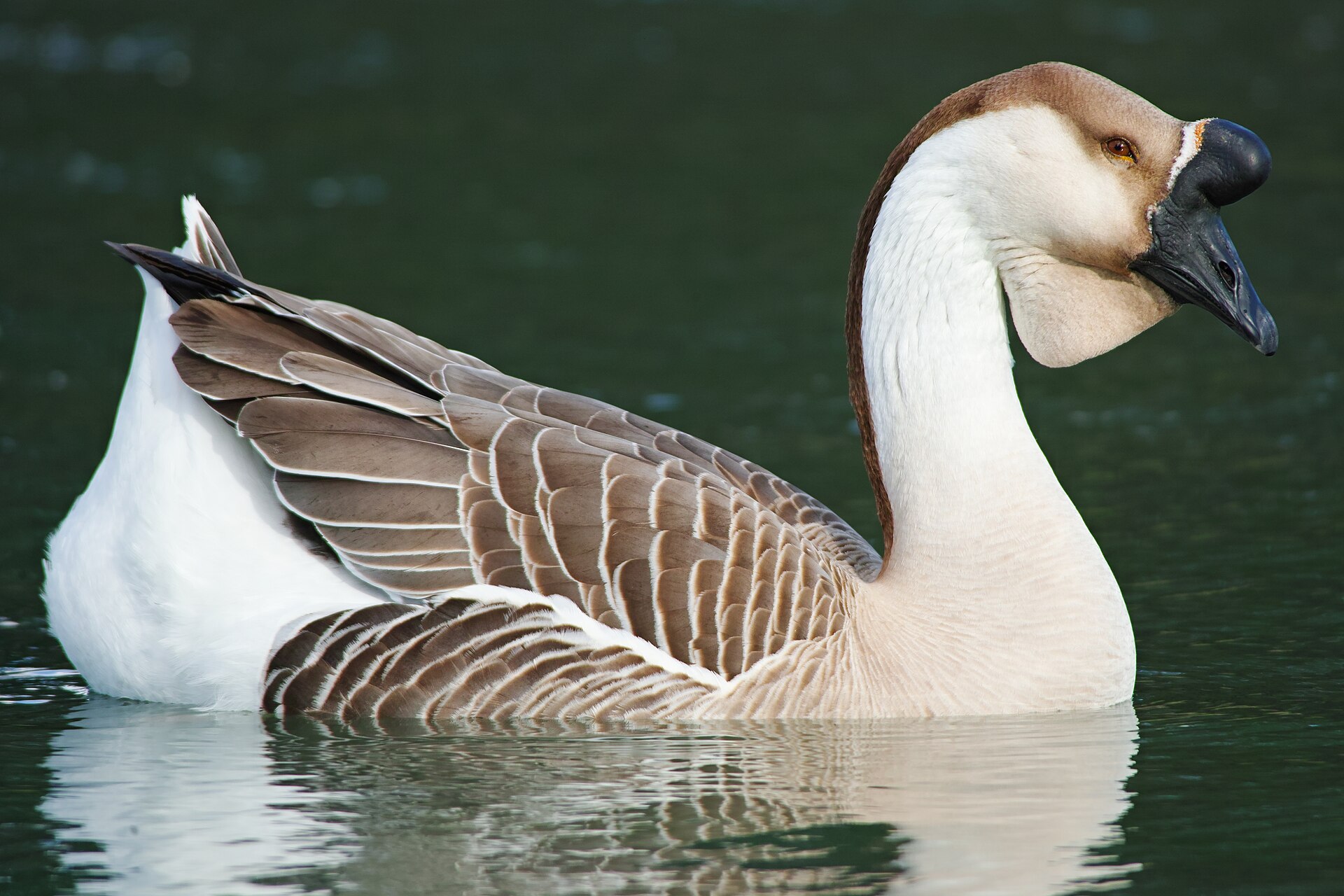
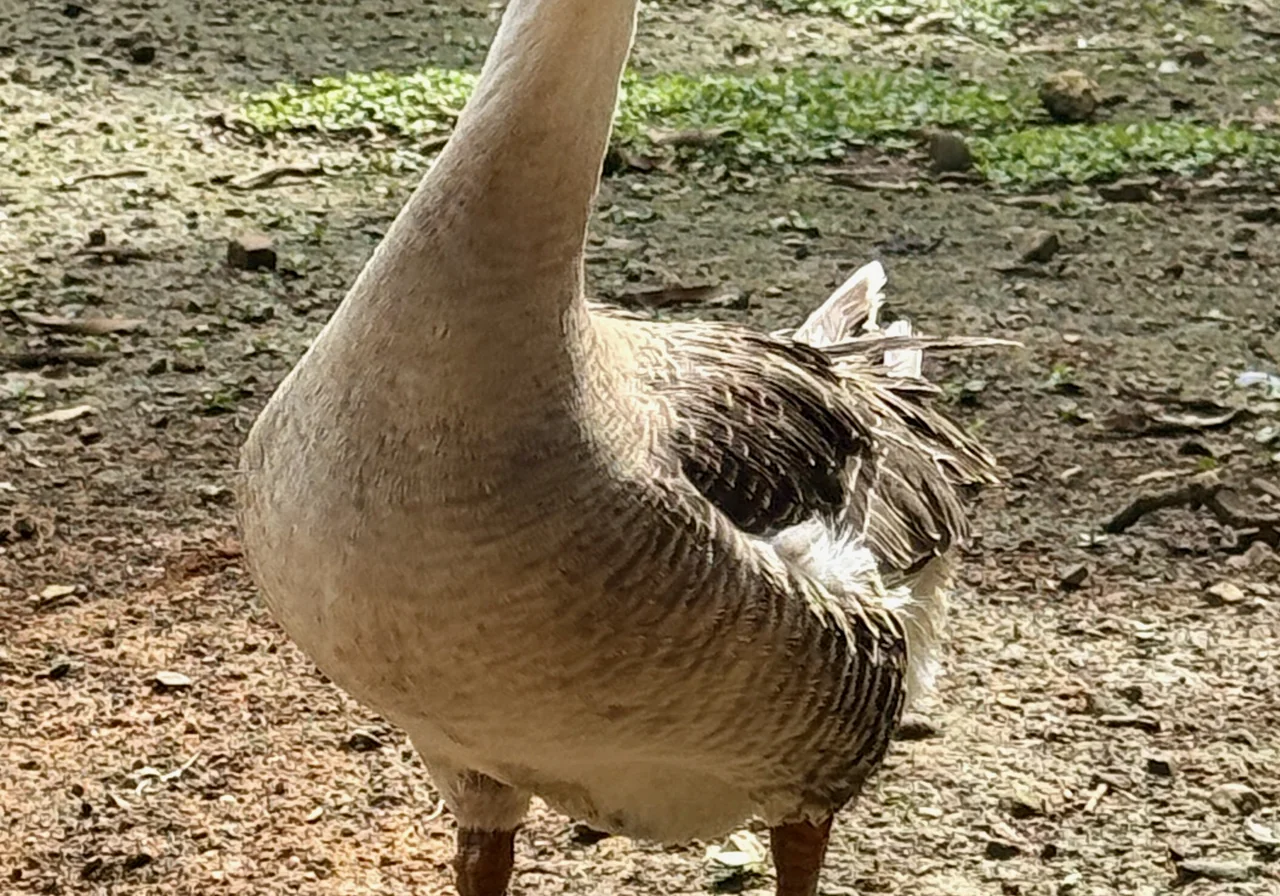
African
China (domesticated from swan goose)
Alert, vocal, good forager
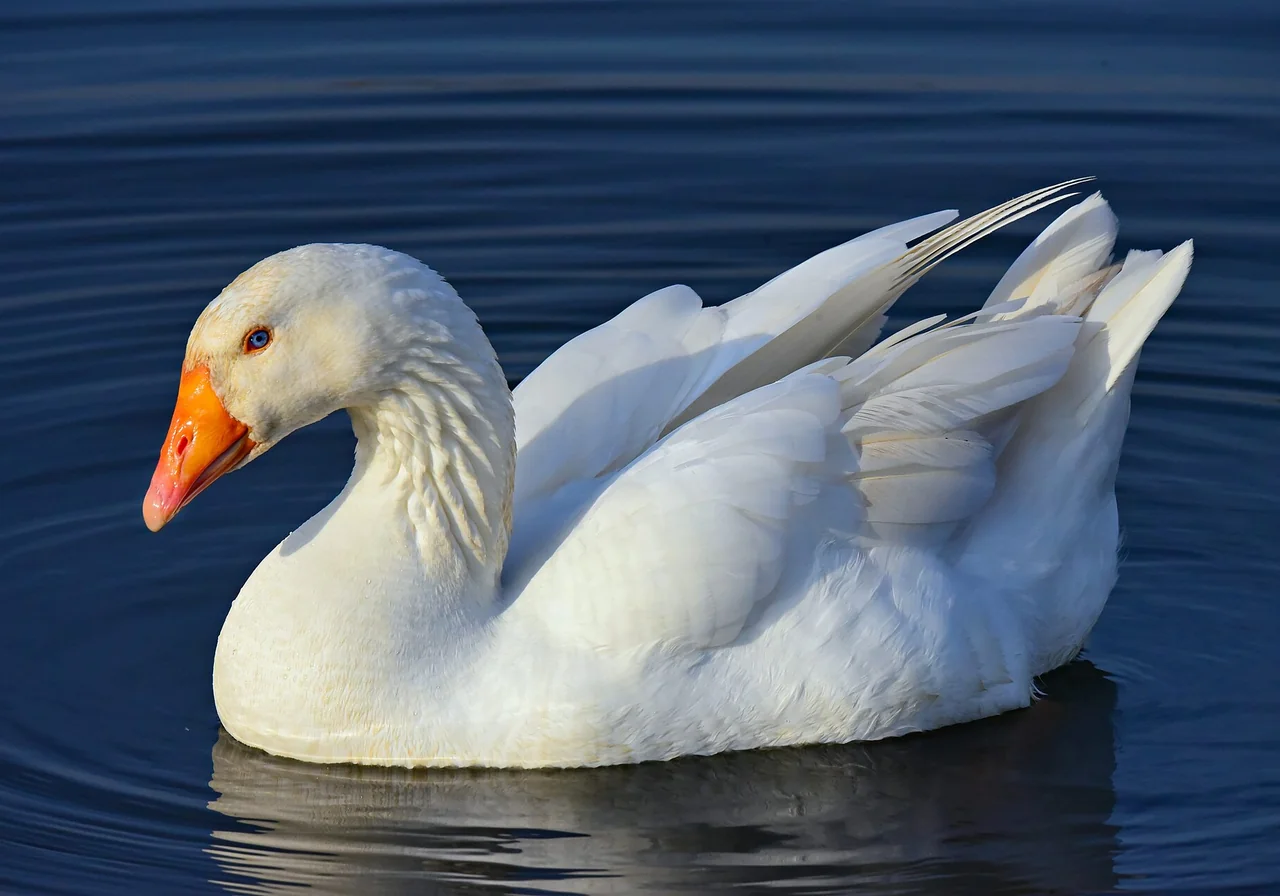
Chinese
China
Noisy, active, good forager
Pilgrim
United States
Calm, auto-sexing, docile
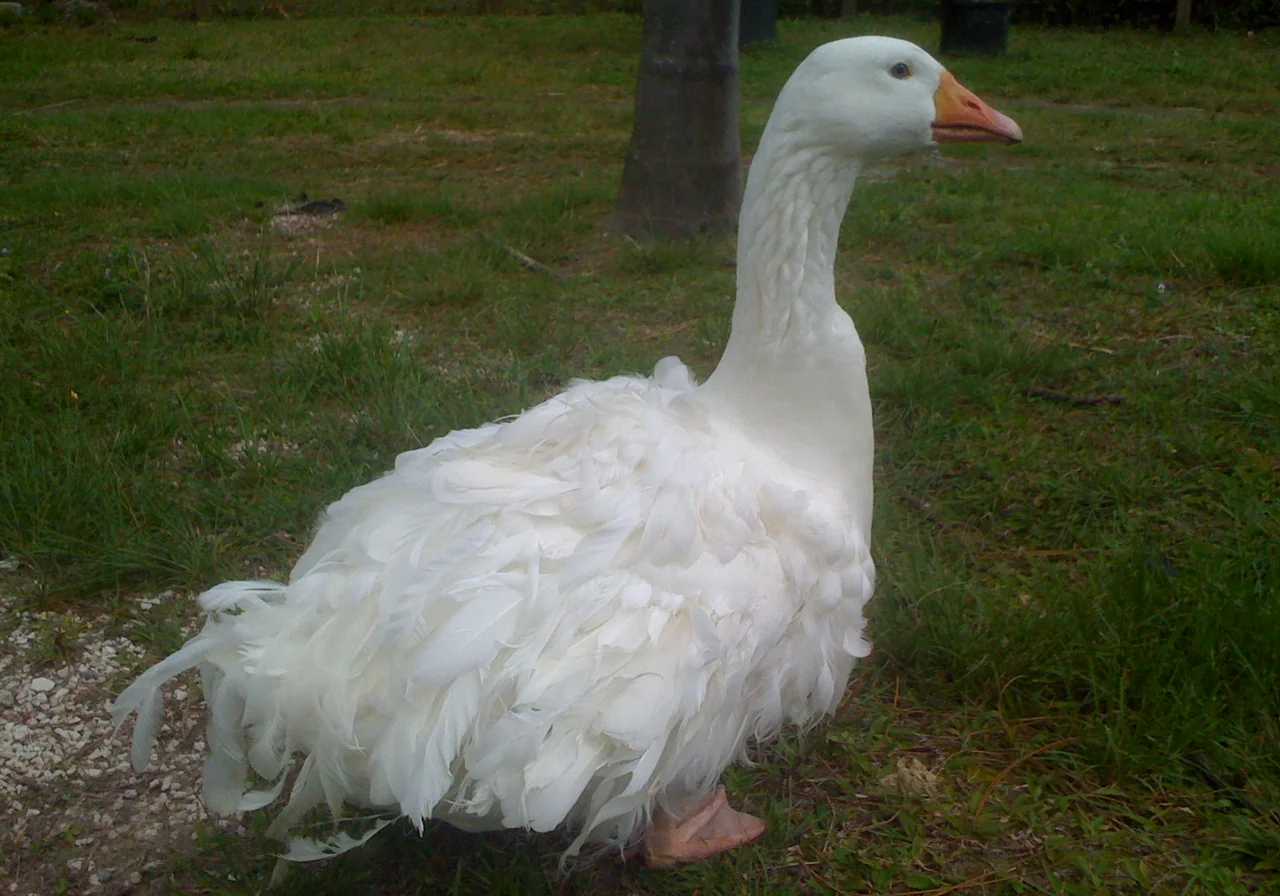
Sebastopol
Eastern Europe
Gentle, ornamental, needs shelter
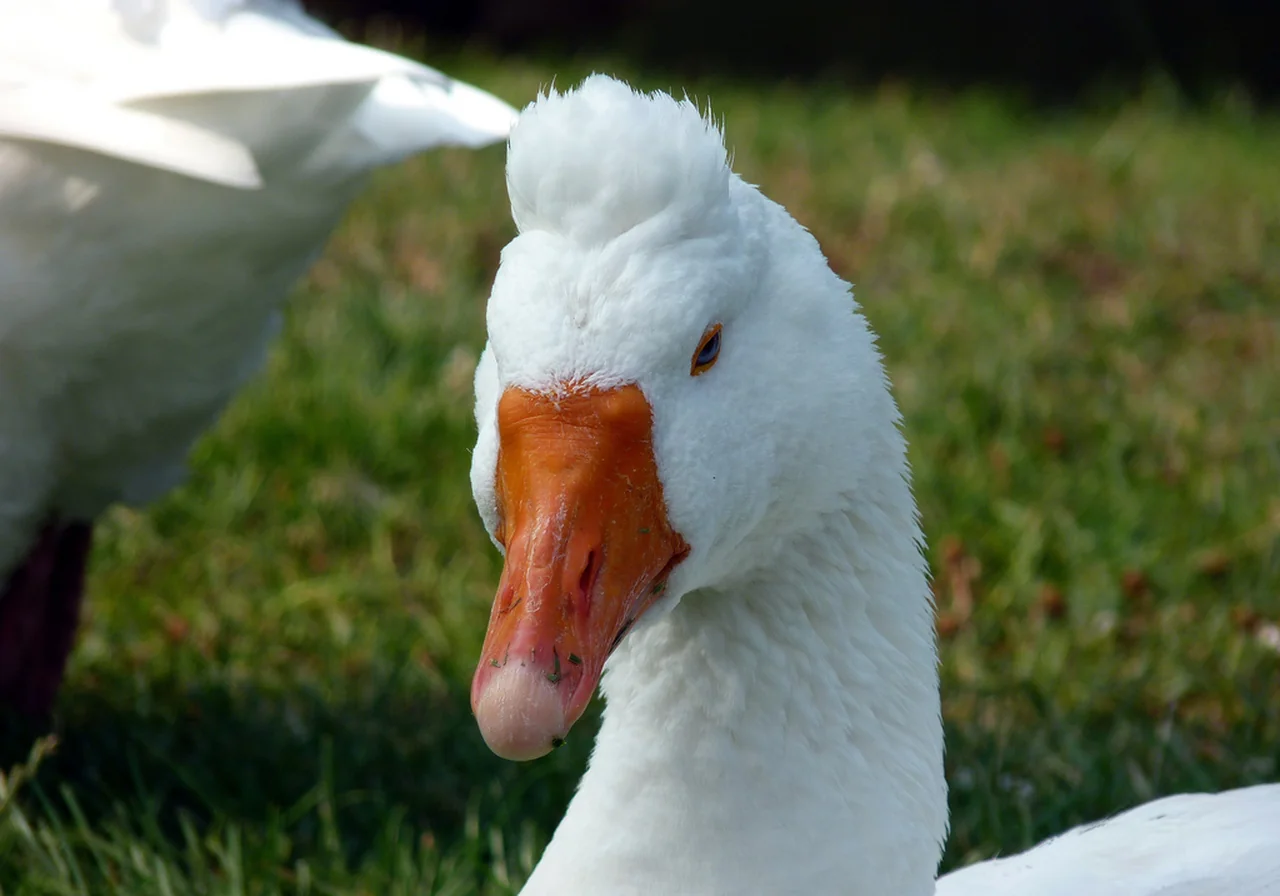
Roman Tufted
Italy
Active, compact, ornamental
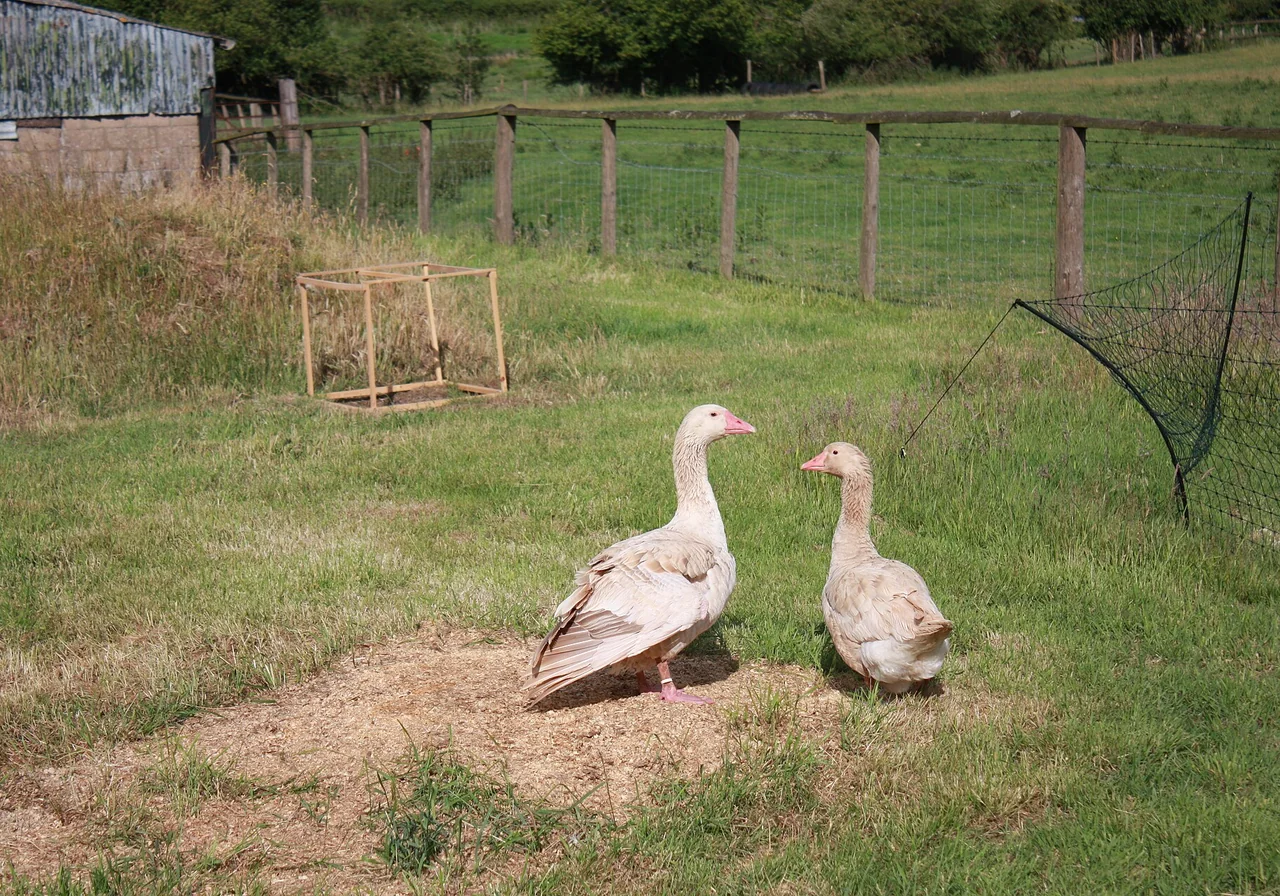
Brecon Buff
Wales
Calm, hardy, rare
What WARN Does
World Animal Rescue Network (WARN) does not run field projects specifically for wild geese, which range mainly outside the countries where our partners work. This guide is part of WARN's free educational work, helping people understand and value the wildlife around them. The threats that affect vulnerable wetland geese, above all the loss and drainage of wetlands, also harm many of the animals WARN does help to protect.
If this guide helped you see geese a little differently, a small gift helps keep WARN's free wildlife education and animal-protection work going.
Goose: Frequently Asked Questions
What is the difference between a goose and a duck?
What is a male goose, a female goose and a baby goose called?
Why do geese fly in a V-shape?
What do geese eat?
Are geese dangerous or aggressive?
Where do geese live?
How long do gooses live?
How big is a goose?
Sources & References
Population figures, conservation status and biological facts on this page are drawn from authoritative scientific and intergovernmental sources.
Terms used on this page
Plain-English definitions, from our wildlife and conservation glossary.
Latest Goose Stories
Quick, fact-checked reads on the goose — amazing facts, key questions and the threats it faces.
Species
Slow Loris: Why the Internet's Favourite Pet Is a Conservation Disaster
The slow loris looks like a cartoon character — and that has nearly destroyed the species. Here is the truth behind the viral videos.
Read the storySpecies
The Snow Leopard: Why the Ghost of the Mountains Is Still Vulnerable
The snow leopard is one of the most elusive big cats on earth, with an estimated 4,000-6,500 individuals across twelve range states — including Pakistan, where WARN is preparing to operate. This briefing explains why the species was downlisted from Endangered to Vulnerable in 2017 and why that is not the success story it sounds like.
Read the storyGuides
Sun Bear vs Moon Bear: The Two Most Trafficked Asian Bears
The sun bear and the Asiatic black bear (moon bear) are the two most commonly trafficked bears in Asia — for the pet trade, for traditional medicine and for bear-bile farming. Here is how to tell them apart.
Read the storyExplore more animals
Discover more animals, their habitats and their conservation status in the WARN wildlife-guide library.