Horse Breed · United States
American Quarter Horse
America's favourite all-rounder — explosive sprint speed and a steady mind for ranch and trail.
By WARN Research & Conservation TeamLast updated
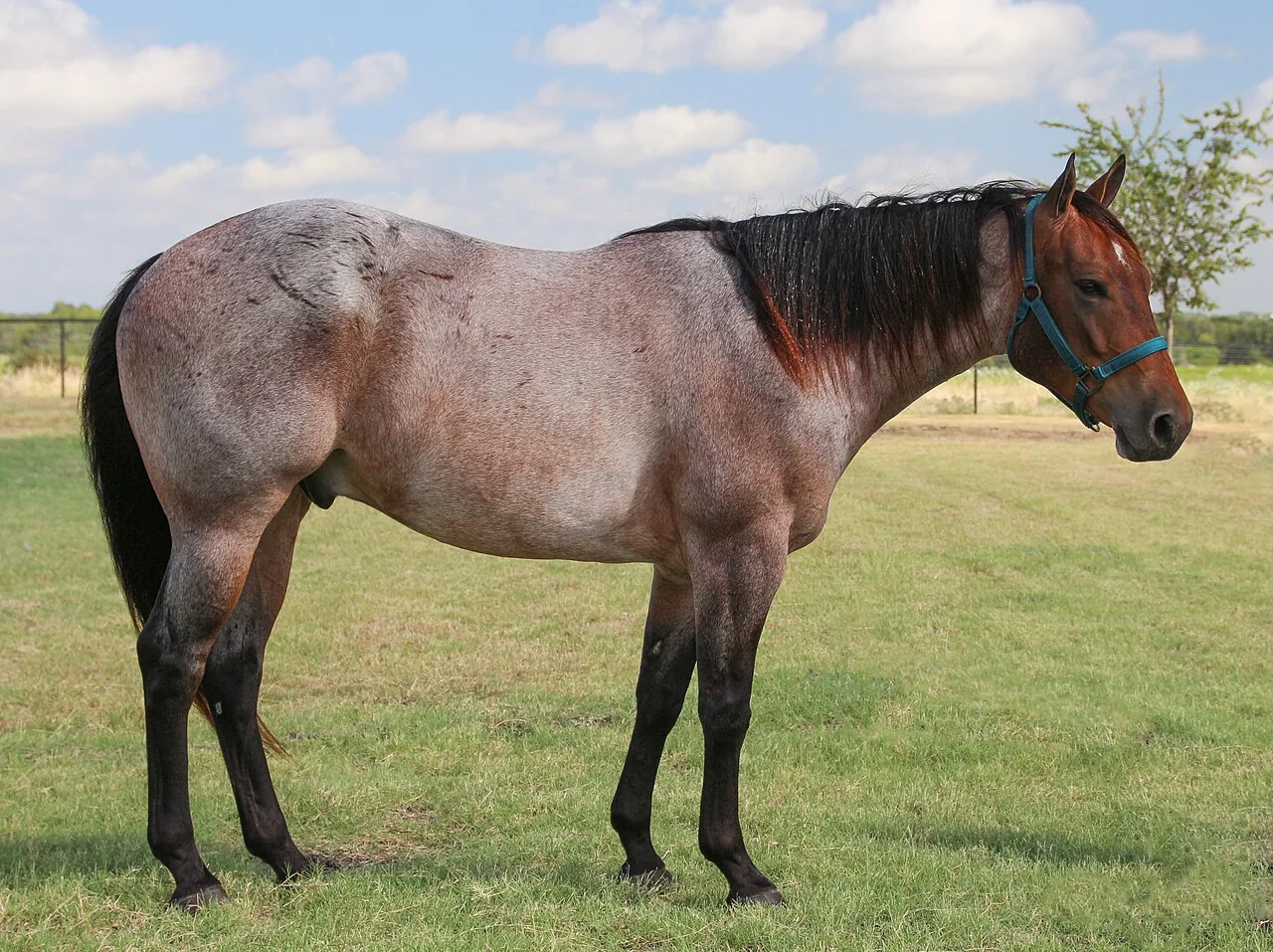
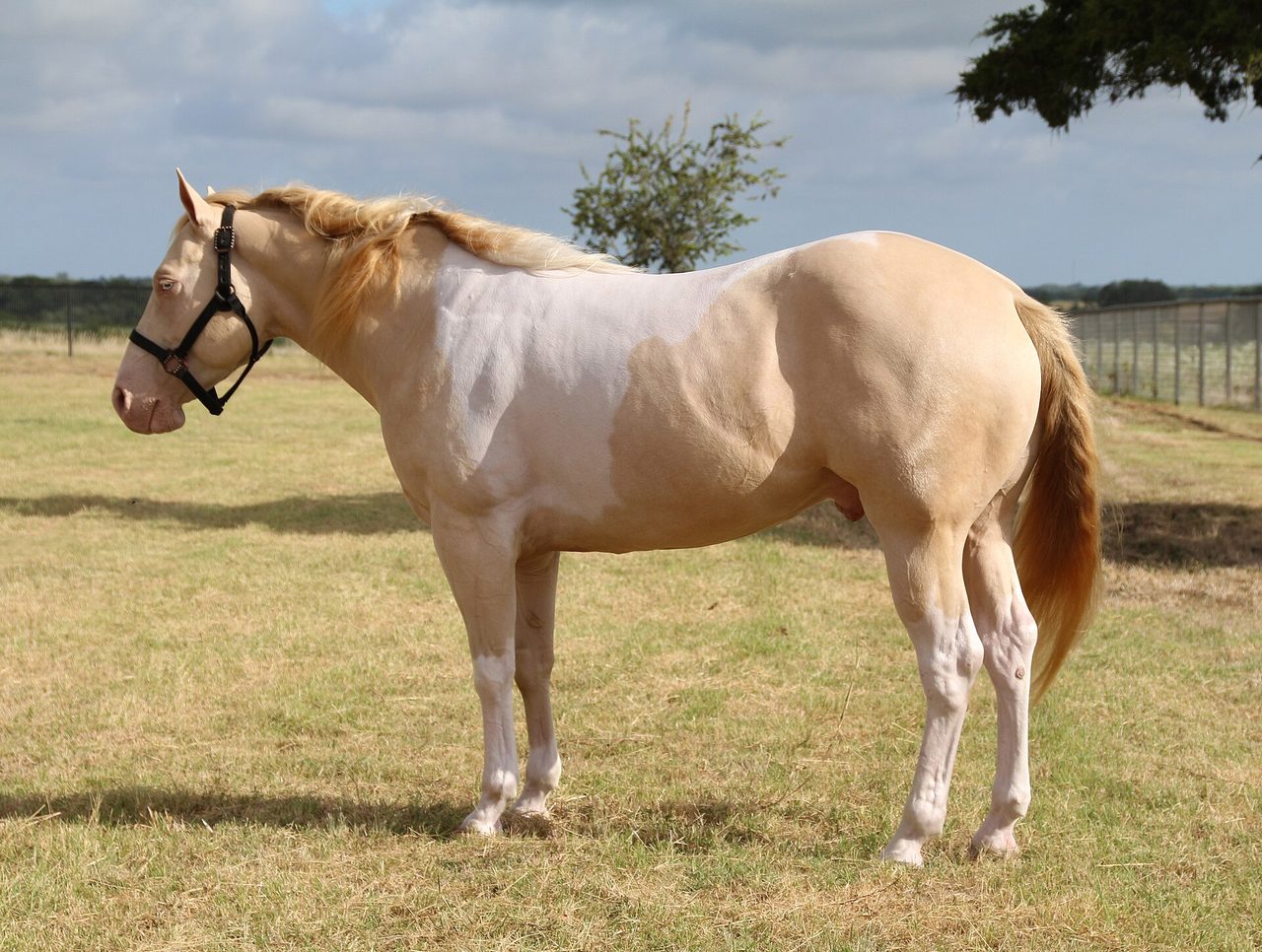
Photo: Wikimedia Commons — File:Roan.jpg
In brief
The American Quarter Horse is the most popular breed in the United States, bred for sprinting a quarter mile and for cattle work. It combines muscular hindquarters, a calm temperament and versatility in western riding, ranching and pleasure disciplines.
What are the key facts about a American Quarter Horse?
The American Quarter Horse is a horse breed from United States: stock (14.3–16 hands), calm, willing, versatile. America's favourite all-rounder — explosive sprint speed and a steady mind for ranch and trail.
| Origin | United States |
|---|---|
| Size | Stock (14.3–16 hands) |
| Typical weight | 430–550 kg (950–1,200 lb) |
| Lifespan | 25–30 years |
| Coat & colours | All solid colours; sorrel and bay are common |
| Temperament | Calm, willing, versatile |
| Best suited to | Ranch work, western riders, families with experience, trail and pleasure riding |
Is a American Quarter Horse a good horse for you?
A American Quarter Horse can be a good horse for the right rider — calm, willing, versatile, stock (14.3–16 hands), from United States — but it is not a lawn ornament. You need land, a farrier, a vet, and a budget that survives winter.
Match the horse to the job. The American Quarter Horse was shaped in United States as a Stock (14.3–16 hands) type. Quarter Horses descend from colonial sprint match races and Spanish colonial stock crossed with English horses. That history still shows in daily handling: this is a large, long-lived animal (25–30 years), not a seasonal hobby.
First-time owners should not buy from a photo. Try the horse with an instructor, get a pre-purchase vet exam, and be honest about whether you can keep a American Quarter Horse in work rather than bored in a paddock.
What is a American Quarter Horse?
America's favourite all-rounder — explosive sprint speed and a steady mind for ranch and trail. Origin is United States; coat or markings are described as All solid colours; sorrel and bay are common.
Kennel and registry labels describe a type. Individual American Quarter Horses still vary, and rescue animals may be mixes.
Where does the American Quarter Horse come from?
American Quarter Horses come from United States. Quarter Horses descend from colonial sprint match races and Spanish colonial stock crossed with English horses.
The American Quarter Horse Association formed in 1940. The breed shaped the American West as a cow horse and remains central to rodeo, reining and ranch life.
That origin still shows. A American Quarter Horse is stock (14.3–16 hands) and calm, willing, versatile, typically living 25–30 years. Use the history as context for care and conservation, not as folklore to repeat without sources.
How much care does a American Quarter Horse need?
A American Quarter Horse needs daily forage, hoof care, dental checks and a job. This United States horse is stock (14.3–16 hands) (430–550 kg (950–1,200 lb)) and typically lives 25–30 years.
Budget for farrier, vet, feed, fencing and winter. A calm, willing, versatile American Quarter Horse still colics, still founds, and still suffers in a small, muddy paddock with no shelter.
Grooming and coat (All solid colours; sorrel and bay are common) are the easy part. The hard part is consistent work so a large horse does not become dangerous from boredom.
What surprises people about the American Quarter Horse?
A few details about the breed, alongside the practical care information in this guide.
- Quarter Horses can reach nearly 55 mph (88 km/h) in short sprints.
- The breed name comes from its dominance in quarter-mile races.
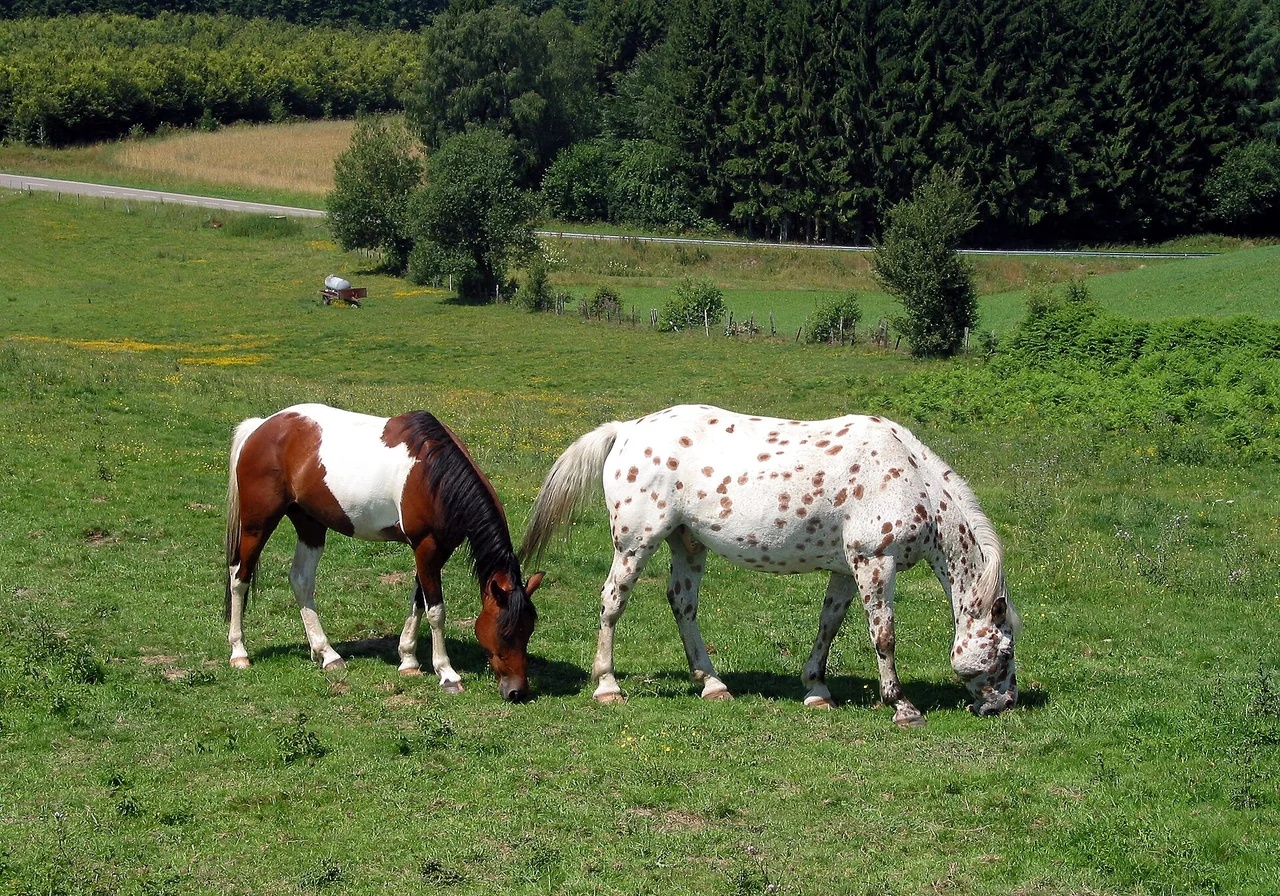
- Quarter Horses are the foundation of the American paint horse when colour patterns appear.
- Reining and cutting competitions rely heavily on Quarter Horse blood.
What health issues should you know about in a American Quarter Horse?
Health concerns to discuss with your vet, including changes to watch for and everyday care. This is general guidance, not veterinary advice — always speak to your vet.
Polysaccharide storage myopathy (PSSM)
A muscle disorder causing tying-up, stiffness or reluctance to move after exercise.
Care: Diet low in starch and sugar plus regular exercise; vet diagnosis guides management.
Navicular syndrome
Heel pain linked to hoof balance and conformation, causing lameness.
Care: Corrective shoeing, vet imaging and managed workload help many horses stay comfortable.
Hyperkalemic periodic paralysis (HYPP)
A genetic muscle condition in lines tracing to the stallion Impressive.
Care: Test breeding stock and affected horses; manage diet and avoid triggers with veterinary guidance.
Who should skip a American Quarter Horse?
Skip a American Quarter Horse if you are anyone without land, zoning permission, and a vet. This United States horse is stock (14.3–16 hands) and calm, willing, versatile — the mismatch is usually lifestyle, not a missing accessory.
This page is allowed to say no. Skip if you are anyone without land, zoning permission, and a vet.
A different horse breed on this site may fit. Wanting “a American Quarter Horse” after a film or a colour photo is not a reason to ignore the skip list.
What are the hidden catches with a American Quarter Horse?
The hidden cost of a American Quarter Horse is usually not the purchase price. It is years of care, the health list on this page, and the mismatch between a calm, willing, versatile animal and a busy home.
The impulse-buy catch
A American Quarter Horse from United States is often sold on looks. Coat, colour and size are not a temperament test. Meet the adult animal, ask about health screening, and walk away from pressure sales.
The polysaccharide storage myopathy (pssm) catch
A muscle disorder causing tying-up, stiffness or reluctance to move after exercise. Diet low in starch and sugar plus regular exercise; vet diagnosis guides management.
The navicular syndrome catch
Heel pain linked to hoof balance and conformation, causing lameness. Corrective shoeing, vet imaging and managed workload help many horses stay comfortable.
How does a American Quarter Horse compare with Paint Horse and Appaloosa?
A American Quarter Horse is not interchangeable with Paint Horse and Appaloosa. Compare origin, size, lifespan and temperament before you choose — those four lines prevent most regret.
| Horse fact | American Quarter Horse | Paint Horse | Appaloosa |
|---|---|---|---|
| Origin | United States | United States | United States |
| Size | Stock (14.3–16 hands) | Stock (14.2–16 hands) | Stock (14.2–16 hands) |
| Lifespan | 25–30 years | 25–30 years | 25–30 years |
| Temperament | Calm, willing, versatile | Intelligent, willing, colourful | Hardy, versatile, spotted |
What is the verdict on the American Quarter Horse?
Choose a American Quarter Horse only if the care, skip-if and health sections still look like your life after a week of thinking. Otherwise pick a different horse or wait. Rescue is usually the better first door than a waiting-list puppy or kitten.
If the match is real, budget for 25–30 years of vet care and do not skip health screening. If it is not, walking away is the kind choice — for you and for the animal.
Working horses need better welfare
Millions of horses worldwide still haul loads, plough fields and carry families to work. WARN publishes these guides to raise awareness of working-equine welfare — and we encourage supporters who want to help horses directly to give where evidence-based equine programmes operate.