Horse Breed · Scotland (Shetland Isles)
Shetland Pony
A tough northern pony that pulls far above its weight.
By WARN Research & Conservation TeamLast updated
In brief
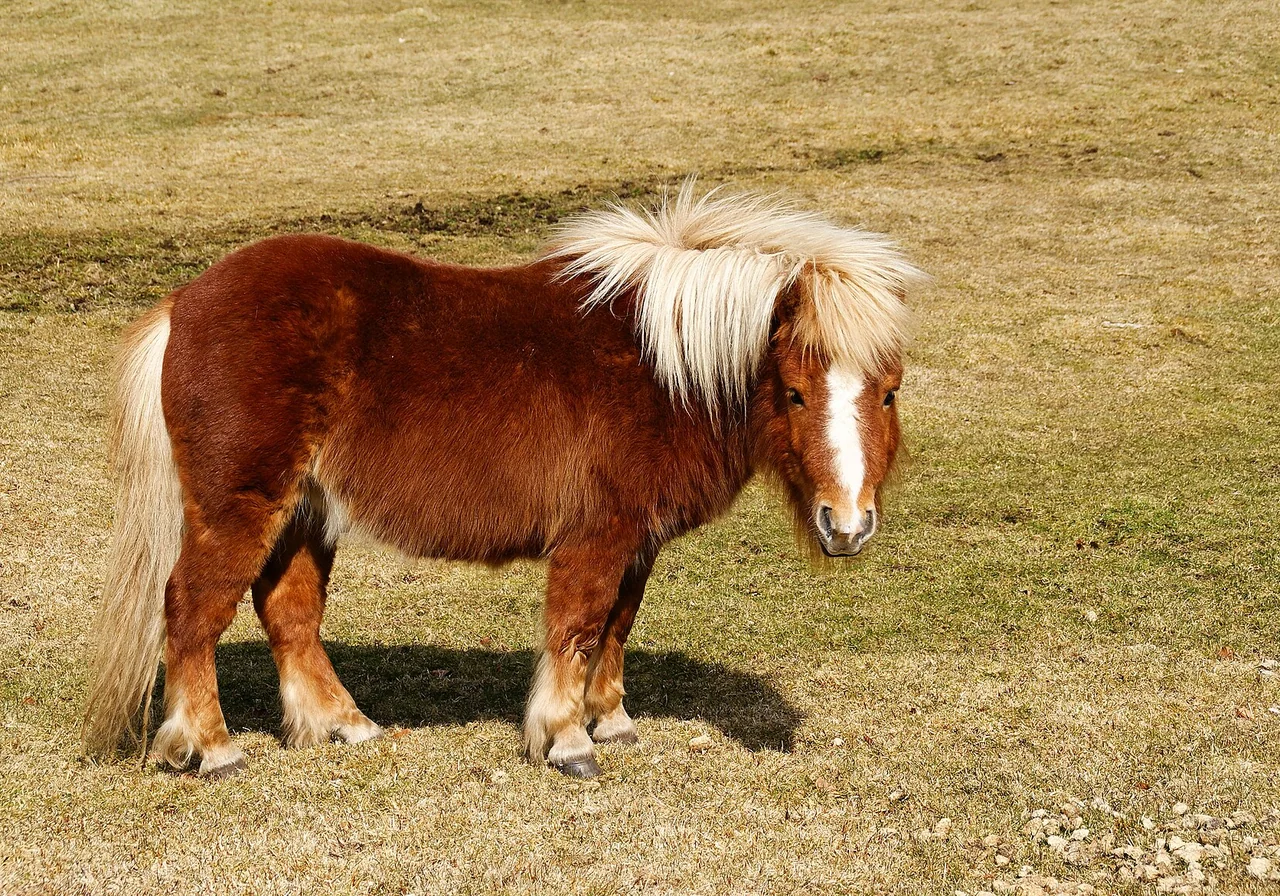
The Shetland Pony is a hardy British breed from the Shetland Isles — compact, exceptionally strong and independent. Its defining trait is remarkable strength relative to size, bred for survival in harsh northern climates and centuries of farm and pit work.
What are the key facts about a Shetland Pony?
The Shetland Pony is a horse breed from Scotland (Shetland Isles): pony (up to 42 in), hardy, strong, independent. A tough northern pony that pulls far above its weight.
| Origin | Scotland (Shetland Isles) |
|---|---|
| Size | Pony (up to 42 in) |
| Typical weight | 180–200 kg (400–440 lb); up to 42 inches (107 cm) at the withers |
| Lifespan | 25–35 years |
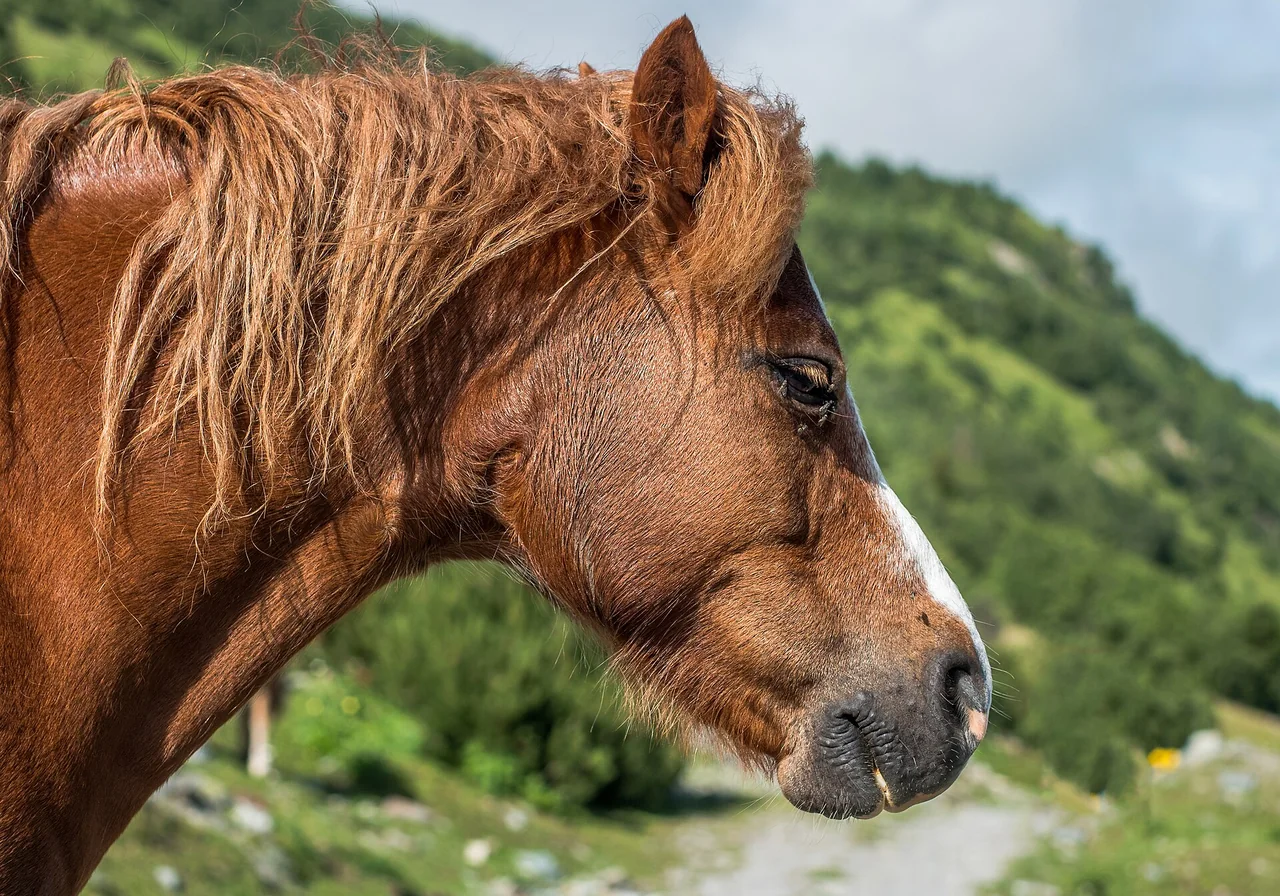
| Coat & colours | Thick double coat with dense underwool and long outer hairs, especially lush in winter. All colours except spotted are accepted, with black, chestnut and bay common. The heavy coat requires thorough drying after wet weather to prevent skin issues. Summer clipping may help working ponies in warm climates; routine grooming prevents matting behind the ears and in the feathering. |
| Temperament | Hardy, strong, independent |
| Best suited to | Best suited to experienced handlers who appreciate a clever, sometimes stubborn pony with clear boundaries. Shetlands suit children's mounts when well trained and appropriately sized, and excel in driving, gymkhana and companion roles. They need firm, kind consistency, secure fencing — they are expert escape artists — and careful grazing management because they gain weight on minimal forage. |
Is a Shetland Pony a good horse for you?
A Shetland Pony can be a good horse for the right rider — hardy, strong, independent, pony (up to 42 in), from Scotland (Shetland Isles) — but it is not a lawn ornament. You need land, a farrier, a vet, and a budget that survives winter.
Match the horse to the job. The Shetland Pony was shaped in Scotland (Shetland Isles) as a Pony (up to 42 in) type. Shetland Ponies evolved on the Shetland archipelago north of Scotland, where sparse grazing and severe winters favoured small, tough animals. That history still shows in daily handling: this is a large, long-lived animal (25–35 years), not a seasonal hobby.
First-time owners should not buy from a photo. Try the horse with an instructor, get a pre-purchase vet exam, and be honest about whether you can keep a Shetland Pony in work rather than bored in a paddock.
What is a Shetland Pony?
A tough northern pony that pulls far above its weight. Origin is Scotland (Shetland Isles); coat or markings are described as Thick double coat with dense underwool and long outer hairs, especially lush in winter. All colours except spotted are accepted, with black, chestnut and bay common. The heavy coat requires thorough drying after wet weather to prevent skin issues. Summer clipping may help working ponies in warm climates; routine grooming prevents matting behind the ears and in the feathering..
Kennel and registry labels describe a type. Individual Shetland Ponys still vary, and rescue animals may be mixes.
Where does the Shetland Pony come from?
Shetland Ponys come from Scotland (Shetland Isles). Shetland Ponies evolved on the Shetland archipelago north of Scotland, where sparse grazing and severe winters favoured small, tough animals.
They pulled carts, carried peat and worked underground in coal mines across Britain during the 19th century. Exports to mainland Europe and America spread the breed worldwide. The Shetland Pony Stud-Book Society was founded in 1890. Modern Shetlands remain popular as children's ponies, driving competitors and conservation grazers on nature reserves.
That origin still shows. A Shetland Pony is pony (up to 42 in) and hardy, strong, independent, typically living 25–35 years. Use the history as context for care and conservation, not as folklore to repeat without sources.
How much care does a Shetland Pony need?
A Shetland Pony needs daily forage, hoof care, dental checks and a job. This Scotland (Shetland Isles) horse is pony (up to 42 in) (180–200 kg (400–440 lb); up to 42 inches (107 cm) at the withers) and typically lives 25–35 years.
Budget for farrier, vet, feed, fencing and winter. A hardy, strong, independent Shetland Pony still colics, still founds, and still suffers in a small, muddy paddock with no shelter.
Grooming and coat (Thick double coat with dense underwool and long outer hairs, especially lush in winter. All colours except spotted are accepted, with black, chestnut and bay common. The heavy coat requires thorough drying after wet weather to prevent skin issues. Summer clipping may help working ponies in warm climates; routine grooming prevents matting behind the ears and in the feathering.) are the easy part. The hard part is consistent work so a large horse does not become dangerous from boredom.
What surprises people about the Shetland Pony?
A few details about the breed, alongside the practical care information in this guide.
- Shetland Ponies can pull twice their own weight — far more than most large draft horses proportionally.
- Their thick winter coat includes a waterproof outer layer evolved for North Atlantic gales.
- Mine ponies sometimes spent years underground before welfare reforms ended the practice.
- The breed standard permits up to 42 inches, but many show ponies are considerably smaller.
What health issues should you know about in a Shetland Pony?
Health concerns to discuss with your vet, including changes to watch for and everyday care. This is general guidance, not veterinary advice — always speak to your vet.
Laminitis
Inflammation of the hoof laminae causes excruciating pain and is common in overweight Shetlands on lush grass. Spring flush and founder episodes can recur without management changes.
Care: Limit pasture access, use a grazing muzzle and maintain lean body condition. Treat any episode as an emergency and follow your vet's long-term dietary plan.
Obesity
Efficient metabolism and small size mean excess calories show quickly as fat deposits and cresty necks. Obesity drives laminitis and joint strain.
Care: Feed forage-based rations, avoid unnecessary concentrates and track weight monthly. Your vet can calculate appropriate intake for your pony's workload.
Dental disease
Sharp enamel points, diastemata and wave mouths develop without regular floating. Older ponies may lose teeth and struggle with long fibre.
Care: Book dental exams at least annually — twice yearly for seniors. Adjust diet to softer forage or soaked hay if chewing becomes difficult.
Who should skip a Shetland Pony?
Skip a Shetland Pony if you are first-time owners hoping the animal will train itself. This Scotland (Shetland Isles) horse is pony (up to 42 in) and hardy, strong, independent — the mismatch is usually lifestyle, not a missing accessory.
This page is allowed to say no. Skip if you are first-time owners hoping the animal will train itself. Skip if you are anyone without land, zoning permission, and a vet.
A different horse breed on this site may fit. Wanting “a Shetland Pony” after a film or a colour photo is not a reason to ignore the skip list.
What are the hidden catches with a Shetland Pony?
The hidden cost of a Shetland Pony is usually not the purchase price. It is years of care, the health list on this page, and the mismatch between a hardy, strong, independent animal and a busy home.
The impulse-buy catch
A Shetland Pony from Scotland (Shetland Isles) is often sold on looks. Coat, colour and size are not a temperament test. Meet the adult animal, ask about health screening, and walk away from pressure sales.
The laminitis catch
Inflammation of the hoof laminae causes excruciating pain and is common in overweight Shetlands on lush grass. Spring flush and founder episodes can recur without management changes. Limit pasture access, use a grazing muzzle and maintain lean body condition. Treat any episode as an emergency and follow your vet's long-term dietary plan.
The obesity catch
Efficient metabolism and small size mean excess calories show quickly as fat deposits and cresty necks. Obesity drives laminitis and joint strain. Feed forage-based rations, avoid unnecessary concentrates and track weight monthly. Your vet can calculate appropriate intake for your pony's workload.
How does a Shetland Pony compare with Welsh Pony and Friesian?
A Shetland Pony is not interchangeable with Welsh Pony and Friesian. Compare origin, size, lifespan and temperament before you choose — those four lines prevent most regret.
| Horse fact | Shetland Pony | Welsh Pony | Friesian |
|---|---|---|---|
| Origin | Scotland (Shetland Isles) | Wales | Netherlands |
| Size | Pony (up to 42 in) | Pony (11.2–14.2 hands by section) | Light (15–17 hands) |
| Lifespan | 25–35 years | 25–35 years | 25–30 years |
| Temperament | Hardy, strong, independent | Active, intelligent, hardy | Noble, willing, dramatic |
What is the verdict on the Shetland Pony?
Choose a Shetland Pony only if the care, skip-if and health sections still look like your life after a week of thinking. Otherwise pick a different horse or wait. Rescue is usually the better first door than a waiting-list puppy or kitten.
If the match is real, budget for 25–35 years of vet care and do not skip health screening. If it is not, walking away is the kind choice — for you and for the animal.
Working horses need better welfare
Millions of horses worldwide still haul loads, plough fields and carry families to work. WARN publishes these guides to raise awareness of working-equine welfare — and we encourage supporters who want to help horses directly to give where evidence-based equine programmes operate.