Wildlife Guide · East Africa & Southern Africa
Impala
Aepyceros melampus (Lichtenstein, 1812)
The savanna's most abundant antelope — graceful, athletic and everywhere lions look first.
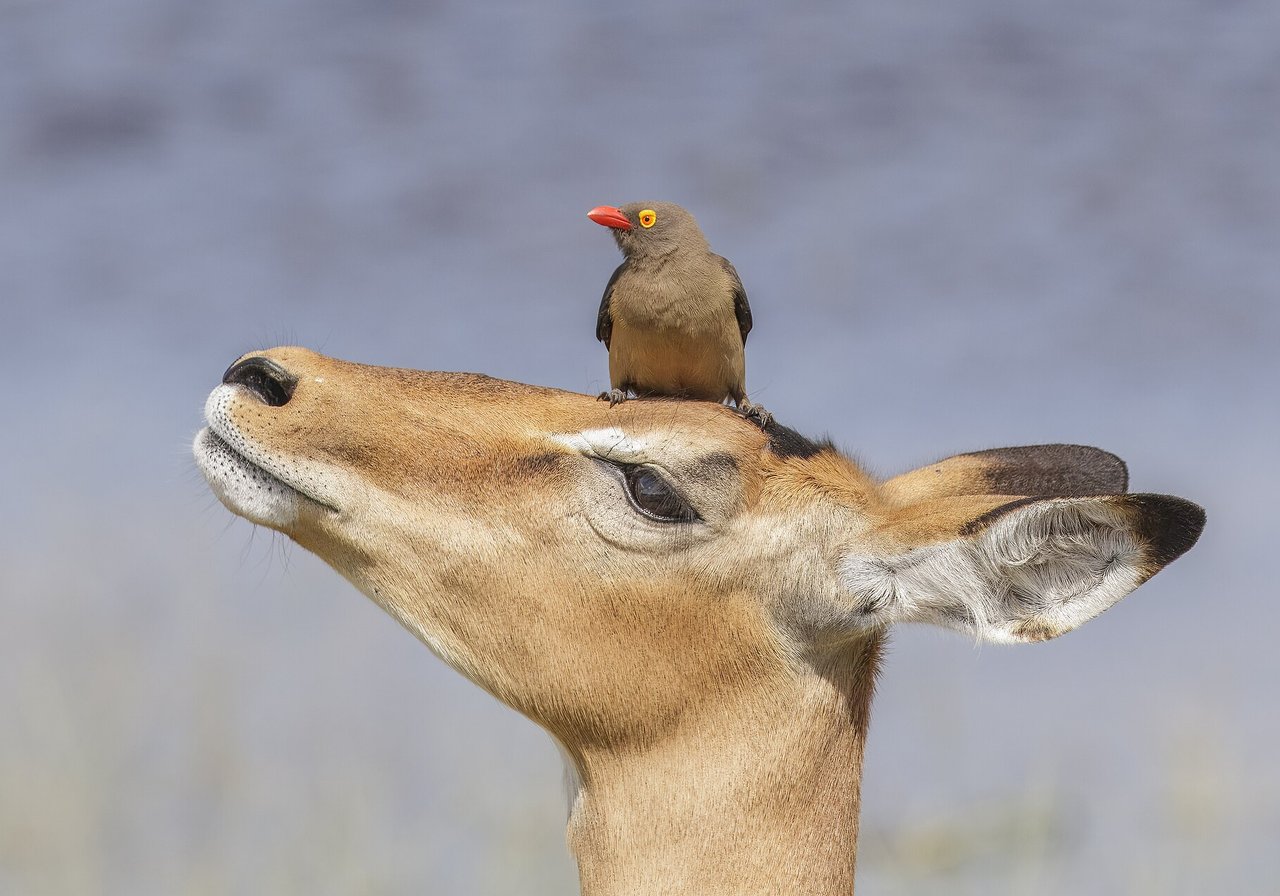
Source: Wikimedia Commons
In brief
The impala (Aepyceros melampus) is Africa's most widespread medium-sized antelope, listed as Least Concern; it inhabits savanna woodland across eastern and southern Africa and is a keystone prey species for major predators.
Also in Animals A to Z · Animals that start with I
By WARN Research & Conservation TeamLast updated
The impala is one of Africa's most common and widespread antelopes, found in woodlands, savanna and grassland from Kenya to South Africa. Recognisable by its sleek reddish coat, white underparts and the male's lyre-shaped horns, the impala is a medium-sized antelope weighing 40–76 kg. It is extraordinarily athletic — capable of leaps exceeding three metres high and ten metres long — and forms herds of hundreds during the dry season. Impala are a staple prey species for lions, leopards, cheetahs, wild dogs and hyenas. Listed as Least Concern, they remain abundant in protected areas but decline where bushmeat hunting and habitat loss intensify.
Least Concern
IUCN Red List status (2016 assessment)
2 million
Estimated global population
10 m
Maximum leap length when fleeing predators
Appendix III
CITES listing (Botswana and Tanzania)
Figures sourced from IUCN Red List — Aepyceros melampus, CITES — Checklist of CITES Species, Encyclopaedia Britannica — impala .
Impala: Quick Facts
| Weight | 40–76 kg (males larger, with horns) |
|---|---|
| Horns | Lyre-shaped, up to 90 cm (males only) |
| Diet | Mixed feeder — grazes and browses seasonally |
| Leap | Up to 3 m high and 10 m long |
| Population | ~2 million globally |
| CITES | Appendix III (Botswana, Tanzania) |
Scientific Classification
| Kingdom | Animalia |
|---|---|
| Phylum | Chordata |
| Class | Mammalia |
| Order | Artiodactyla |
| Family | Bovidae |
| Genus | Aepyceros |
| Species | Aepyceros melampus (Lichtenstein, 1812) |
Conservation Status
- IUCN Status
- Least Concern (IUCN, 2016). Black-faced subspecies Vulnerable.
- Population
- Approximately 2 million common impala
- Trend
- Stable in protected areas; decreasing where snaring is intense
- Assessed
- 2016
- CITES
- Appendix III (Botswana, Tanzania)
Key Facts: Impala
- Impala are Africa's most abundant medium-sized antelope, numbering around two million.
- Males carry lyre-shaped horns; females are hornless and slightly smaller.
- Impala leap up to 3 m high and 10 m long — among the most athletic antelopes.
- They are mixed feeders, grazing in the wet season and browsing in the dry season.
- Impala are a primary prey species for lions, leopards, cheetahs and wild dogs.
- Bushmeat hunting and habitat loss threaten populations outside protected areas.
Two subspecies
Two impala subspecies are recognised. The common impala (A. m. melampus) ranges across eastern and southern Africa — from Kenya and Tanzania through Zambia, Zimbabwe and Mozambique to South Africa. The black-faced impala (A. m. petersii) is restricted to north-western Namibia and south-western Angola and is Vulnerable due to its small, isolated population.
Both share the characteristic impala profile: slender body, reddish-brown coat with a black stripe along the flank, white belly and rump, and black tufts above the hooves. Males weigh 53–76 kg and carry S-shaped horns up to 90 cm long.
Herds, rutting and calving
Impala form three types of social group: territorial males with harems of females, bachelor herds of non-territorial males, and female herds with young. During the rut — triggered by rainfall in some regions — males defend territories through horn clashes and loud snorts.
Calving often occurs in a synchronised burst, flooding predators with more calves than they can eat. Females hide newborn calves in thick cover for the first few weeks. Impala herds can merge into aggregations of hundreds during the dry season, gathering near permanent water.
Feeding and predator avoidance
Impala are adaptable mixed feeders. In the wet season they graze on fresh grass; in the dry season they browse leaves, shoots and fruit. This flexibility helps them survive in varied habitats from moist woodland to drier acacia savanna. When alarmed, impala perform a distinctive stiff-legged leap — the 'pronking' display — that may confuse predators or signal fitness to pursuers. They are vigilant, with sentinels scanning for lions, leopards and cheetahs. Despite these defences, impala are the most commonly killed prey in many African ecosystems.
Conservation status
The IUCN lists the common impala as Least Concern with an estimated two million individuals and a stable population trend. The black-faced impala subspecies is Vulnerable, with fewer than 3,000 individuals in a restricted range in Namibia and Angola. Bushmeat snaring affects impala across Central and East Africa, where wire snares kill indiscriminately. Habitat conversion to agriculture removes woodland edge habitat impala prefer. In well-managed protected areas, impala populations remain robust and serve as indicators of ecosystem health.
What WARN Does
WARN publishes this impala guide as free public education. Impala abundance reflects the health of African savanna ecosystems — the same landscapes threatened by bushmeat hunting and habitat loss.
If this guide helps you understand wildlife and the pressures it faces, a gift to WARN supports habitat protection and free public education in our partner countries.
Impala: Frequently Asked Questions
What is an impala?
Why do impala jump when they run?
What eats impala?
Are impala endangered?
What do impala eat?
Where do impala live?
Are impalas dangerous?
How long do impalas live?
How big is an impala?
Sources & References
Population figures, conservation status and biological facts on this page are drawn from authoritative scientific and intergovernmental sources.
Terms used on this page
Plain-English definitions, from our wildlife and conservation glossary.
Latest Impala Stories
Quick, fact-checked reads on the impala — amazing facts, key questions and the threats it faces.
Species
Why Are Dugongs Disappearing — and What's Being Done to Save Them?
Dugongs are vanishing from waters where they once thrived, declared functionally extinct in China and critically endangered in East Africa. Here's why — and the work that offers hope.
Read the storySpecies
12 Amazing Facts About Meerkats (They Teach Their Pups, With Live Scorpions)
Rotating sentries, immunity to scorpion venom, and one of the few documented cases of animal teaching. Twelve facts.
Read the storyExplore more animals
Discover more animals, their habitats and their conservation status in the WARN wildlife-guide library.