Animal Comparison
Gazelle vs Impala
Impalas are not true gazelles; they are a separate African antelope. Horns, markings and range help tell gazelles from impalas in the field.
By WARN Research & Conservation TeamLast updated
In brief — Gazelle vs Impala
Impalas are gazelle-like antelopes but not true gazelles; check horns, black markings and African habitat context.
Gazelles are a set of usually slender antelopes in the gazelle group, found across Africa and Asia depending on species. Impalas (Aepyceros melampus) are African antelopes that look gazelle-like but are not true gazelles. Both are elegant, leaping bovids; horn shape, coat marks such as the impala’s black blazes, and species range separate them.
See the difference
Images are shown at different scales. Read each caption for the species, source and context.
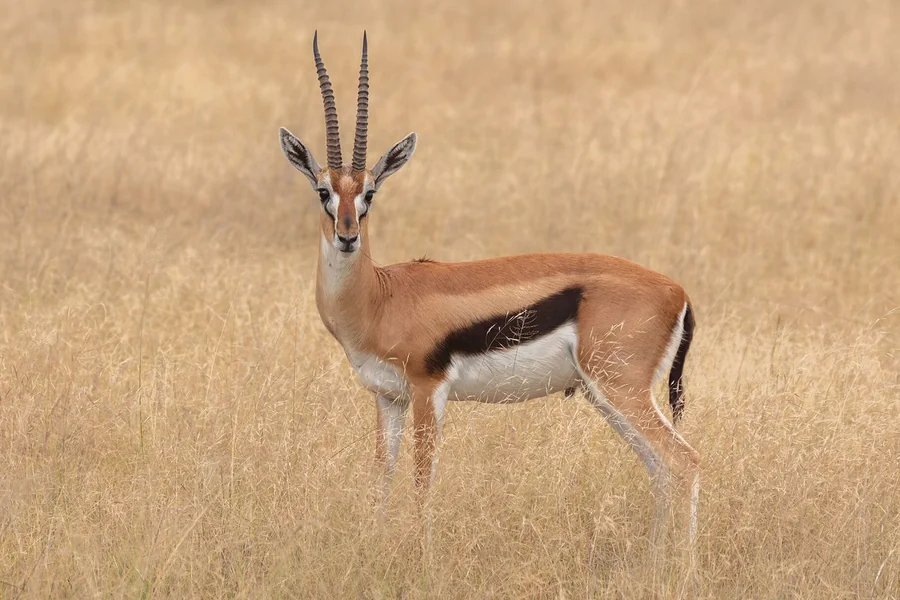
Gazelle — true gazelle lineage
AI-generated educational wildlife portrait — World Animal Rescue Network
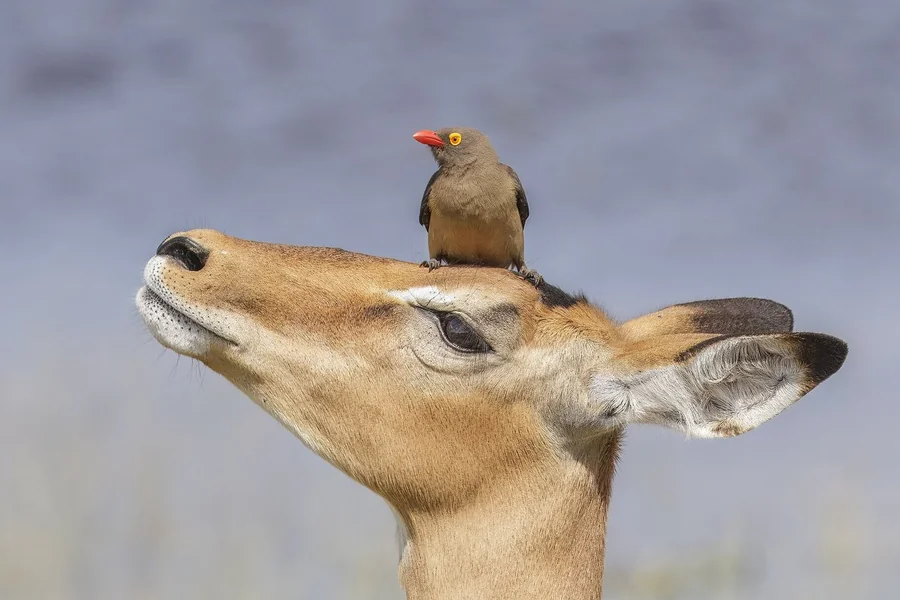
Impala — Aepyceros — not a true gazelle
AI-generated educational wildlife portrait — World Animal Rescue Network
Gazelle vs Impala: At a Glance
| Feature | Gazelle | Impala |
|---|---|---|
| “True gazelle”? | Yes — gazelle group | No — separate antelope |
| Classic range | Africa and Asia by species | Africa |
| Male horns | Species-specific; often lyrate/ringed | Lyre-shaped, heavily ridged |
| Female horns | Present in some gazelles | Females usually hornless |
| Coat marks | Species-specific face/flank marks | Black blazes on rump/legs common |
| Leap fame | Agile runners | Famous pronking/leaping displays |
| Social life | Herds vary by species | Herds; territorial males |
| Habitat feel | Grassland to desert forms | Woodland-savanna edges common |
| Size feel | Often lighter species | Medium African antelope |
| Safari slang risk | Name used too broadly | Mislabelled as gazelle |
Size and physical differences
Impalas are medium antelopes often around 40–80 kg for adults by sex; many gazelle species are lighter, though large gazelles overlap — markings beat a single mass.
Gazelle versus impala is an antelope naming problem on safari checklists. Gazelle commonly points to genera such as Gazella and related forms — the classic desert and grassland lightweights of Africa and Asia. Impala is a single well-known African species (with black-faced and common forms discussed in guides) that shares the graceful outline and spectacular leaps but sits in its own lineage rather than inside “true gazelles.”
Tour drivers sometimes say gazelle for any slim antelope. That habit collapses useful diversity. Learn the impala’s black stripes on rump and legs and the lyre-shaped horns of males, then keep gazelle for the species that earned the name.
This comparison sticks to marks you can use without laboratory gear: size, shape, behaviour and the words people actually type into a search box. Scientific names are given where they prevent a regional mix-up. Where a popular belief is wrong, the correction leads; where two animals are simply different, the decisive field mark leads. Ranges and masses are given as working bands from standard natural-history references, not as courtroom measurements for every individual.
Correction first: impala is not a true gazelle
True gazelles form a taxonomic neighbourhood that does not include Aepyceros. Impalas are antelopes and bovids, yes; gazelles in the strict sense, no. The correction mirrors other pages on this site that separate everyday look from nested names. Once learned, it sticks. Use more than one mark before you decide — single-trait IDs fail on juveniles, regional forms and poor light. In practice, people meet these animals in brief glances. Slow down long enough to check the two or three marks in the table above before accepting the first common name that comes to mind. Mislabeling spreads through photos and social posts faster than corrections do, which is why a short, checkable comparison page earns its keep. When experts disagree on subspecies or English names, the underlying biology — diet, body plan, reproductive cycle — remains the stable part of the answer.
Marks that work on an African game drive
Impala males carry elegant lyre horns; females typically lack horns. Black markings on the rear and legs are helpful when light is good. Gazelle species each have their own face and flank patterns — Thomson’s versus Grant’s is a classic teaching pair. A single “gazelle look” does not exist. Geography matters: the same English names attach to different species on different continents, and range often settles an argument faster than colour. In practice, people meet these animals in brief glances. Slow down long enough to check the two or three marks in the table above before accepting the first common name that comes to mind. Mislabeling spreads through photos and social posts faster than corrections do, which is why a short, checkable comparison page earns its keep. When experts disagree on subspecies or English names, the underlying biology — diet, body plan, reproductive cycle — remains the stable part of the answer.
Asia breaks the impala assumption
Gazelles occur in Asia as well as Africa. Impalas do not. A slim antelope on the steppes of Asia is not an impala. Continental context is as useful here as it is for jackal versus coyote. Behaviour at the moment of observation — feeding, escape, nesting — is evidence, not a personality story about the whole species. In practice, people meet these animals in brief glances. Slow down long enough to check the two or three marks in the table above before accepting the first common name that comes to mind. Mislabeling spreads through photos and social posts faster than corrections do, which is why a short, checkable comparison page earns its keep. When experts disagree on subspecies or English names, the underlying biology — diet, body plan, reproductive cycle — remains the stable part of the answer.
Movement and display
Impalas are famous for explosive leaps and clan displays that photograph beautifully. Gazelles are swift open-country runners with their own alarm behaviours. Athletic grace is shared; it is not a species key by itself. Conservation status is assessed taxon by taxon; a group label like 'wasp' or 'antelope' is not an IUCN status. In practice, people meet these animals in brief glances. Slow down long enough to check the two or three marks in the table above before accepting the first common name that comes to mind. Mislabeling spreads through photos and social posts faster than corrections do, which is why a short, checkable comparison page earns its keep. When experts disagree on subspecies or English names, the underlying biology — diet, body plan, reproductive cycle — remains the stable part of the answer.
Why guides care about the words
Wildlife lists, park reports and student projects become messy when every slender antelope is gazelle. Using impala correctly is a small accuracy habit with outsized clarity benefits on group tours. If you are managing conflict with people or pets, identify first, then choose a proportionate response; misidentification wastes effort and can harm the wrong animal. In practice, people meet these animals in brief glances. Slow down long enough to check the two or three marks in the table above before accepting the first common name that comes to mind. Mislabeling spreads through photos and social posts faster than corrections do, which is why a short, checkable comparison page earns its keep. When experts disagree on subspecies or English names, the underlying biology — diet, body plan, reproductive cycle — remains the stable part of the answer.
Did you know?
An impala’s lyre horns and black rump blazes are a safari cheat-sheet — elegant enough to be mistaken for a gazelle, distinct enough not to be one.
Gazelle vs Impala: FAQs
Is an impala a gazelle?
What is the difference between a gazelle and an impala?
Do female impalas have horns?
Where do impalas live?
Are all slim African antelopes gazelles?
Which is bigger?
Help protect animals
Learning about animals can help more people understand their needs. WARN raises funds for eligible animal-welfare organisations. Read the relevant appeal’s purpose, recipient status and fund terms, or share this free guide to raise awareness.