Wildlife Guide · South Asia — Afghanistan, Pakistan, north-west India, Iran (wild); kept worldwide
Leopard Gecko
Eublepharis macularius (Blyth, 1854)
The hardy beginner's lizard — a ground-dwelling gecko bred into hundreds of colour morphs.
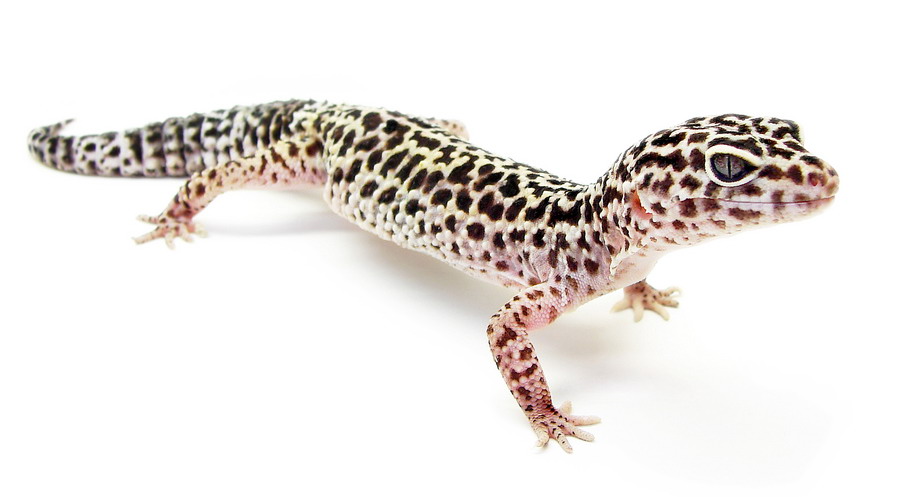
Photo: Wikimedia Commons (CC) — see scripts/pilot-image-credits.json
In brief
The leopard gecko (Eublepharis macularius) is a hardy, ground-dwelling South Asian lizard — Least Concern in the wild — and a popular beginner pet; its many 'morphs' are captive-bred colour and pattern lines of one species.
Also in Animals A to Z · Animals that start with L
By WARN Research & Conservation TeamLast updated
The leopard gecko (Eublepharis macularius) is a small, ground-dwelling lizard from the rocky dry country of South Asia, and one of the most popular pet reptiles in the world. Unusually for a gecko it has movable eyelids and lacks sticky toe pads, so it walks rather than climbs glass. Wild leopard geckos are spotted yellow and Least Concern; decades of captive breeding have produced hundreds of colour and pattern 'morphs' — all the same species. Hardy, long-lived and calm, leopard geckos are often recommended for beginners, but they still need correct heat, a varied insect diet and calcium to avoid metabolic bone disease. WARN publishes this guide as free, honest reptile-care education.
20–27 cm
Adult length including tail
LC
IUCN status of the wild species
10–20 yr
Lifespan with correct husbandry
100s
Captive-bred morphs of one species
Figures sourced from IUCN Red List — Eublepharis macularius, RSPCA — leopard gecko care, VCA Hospitals — leopard geckos .
Leopard Gecko: Quick Facts
| Wild range | Afghanistan, Pakistan, NW India, Iran |
|---|---|
| Adult size | 20–27 cm including tail |
| IUCN status | Least Concern (wild) |
| Lifespan | 10–20 years (sometimes longer) |
| Care level | Beginner-friendly with correct set-up |
| Morphs | Hundreds — colour/pattern lines of one species |
Scientific Classification
| Kingdom | Animalia |
|---|---|
| Phylum | Chordata |
| Class | Reptilia |
| Order | Squamata |
| Family | Eublepharidae |
| Genus | Eublepharis |
| Species | Eublepharis macularius |
Conservation Status
- IUCN Status
- Least Concern in the wild. Pet morphs are captive-bred colour and pattern lines, not separate species.
- Population
- Widespread across its South Asian range
- Trend
- Stable; pet trade largely captive-bred
- Assessed
- 2021
- CITES
- Not listed
Never release pet reptiles into the wild — they can spread disease and harm native wildlife.
Key Facts: Leopard Gecko
- Leopard geckos have movable eyelids and no sticky toe pads — they walk, not climb.
- Wild leopard geckos are spotted yellow and Least Concern across South Asia.
- Hundreds of morphs are captive-bred colour and pattern lines of one species.
- They store fat in their tails and can drop the tail to escape predators.
- Correct heat and dietary calcium prevent metabolic bone disease.
- The Enigma morph carries a neurological 'Enigma syndrome' welfare risk.
Wild leopard geckos of South Asia
Eublepharis macularius lives in the rocky, arid and semi-desert country of Afghanistan, Pakistan, north-west India and parts of Iran. It shelters by day and emerges at dusk to hunt insects, using its keen eyes and (unusually for geckos) blinking eyelids. The thick tail stores fat as an energy reserve for lean times, and a threatened gecko can shed (autotomise) its tail to escape, regrowing a shorter, blunter one.
Wild leopard geckos are spotted yellow — camouflage among stones — and are listed Least Concern. The pet trade today is overwhelmingly captive-bred rather than wild-caught.
Morphs are line-bred, not separate species
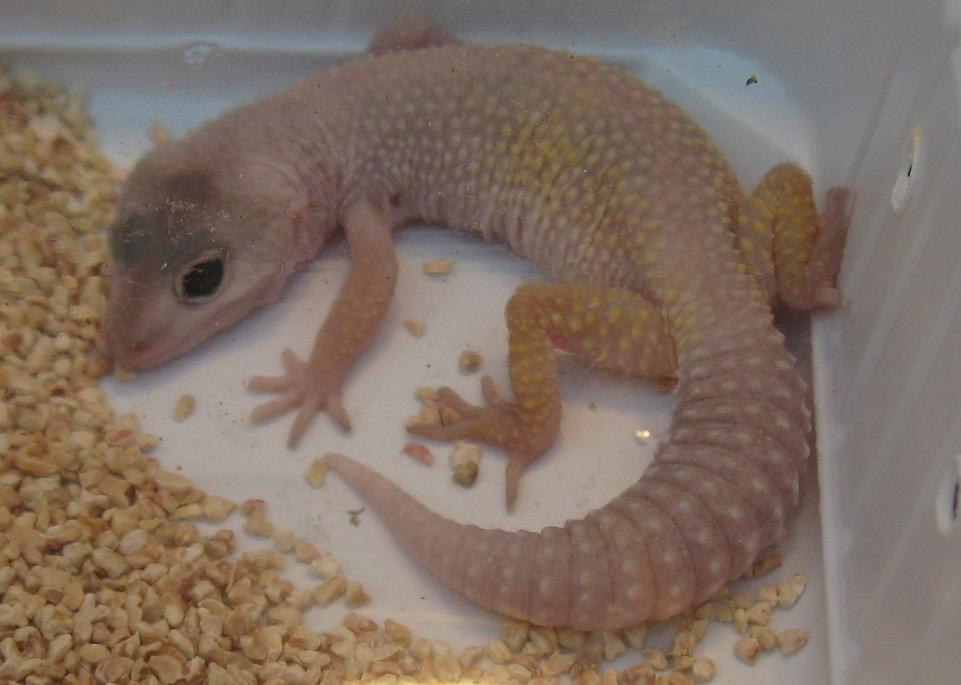
Since the 1990s, breeders have produced hundreds of leopard gecko morphs — colour and pattern lines such as High Yellow, Tangerine, the three albino strains, Mack Snow, Blizzard, Hypo and Patternless — by selecting single genes or breeding lines. They are all one species, Eublepharis macularius, and all have identical care needs.
Some morphs carry welfare problems: the Enigma morph is linked to a neurological condition (Enigma syndrome) causing balance and coordination issues, so it is widely avoided by welfare-minded keepers. Responsible buyers research a morph's genetics, not just its looks.
Housing, heat and diet
Leopard geckos need a secure floor-space vivarium with a warm end (a basking surface around 28–30°C) and a cooler end, several hides including a humid hide to aid shedding, and a non-loose substrate to avoid gut impaction. Current best practice provides low-level UVB plus calcium and vitamin D3, even though these crepuscular geckos can also obtain D3 from the diet.
They eat live insects — crickets, dubia roaches, the occasional waxworm treat — dusted with calcium. Clean water must always be available. Correct temperatures are essential for digestion as well as comfort.
Health and responsible keeping
The commonest leopard gecko problems are largely preventable: metabolic bone disease from too little calcium or incorrect lighting, gut impaction from loose substrate or oversized prey, retained shed (dysecdysis) from low humidity, and tail loss from rough handling. A correct set-up and gentle handling prevent most of them.
Responsible keeping means buying captive-bred animals from breeders who avoid welfare-linked morphs, never releasing reptiles into the wild, and planning for an animal that can live 10–20 years or more. A reptile vet should see any gecko that stops eating, loses weight or shows tremors.
Explore leopard gecko morphs on WARN
WARN's leopard gecko morph library at leopard gecko covers selectively bred colour and pattern lines — including the Normal wild type, the Tremper Albino, the Mack Snow and the Blizzard, with further morphs added as suitable human-free photos are sourced — each with how the colour or pattern is inherited, adult size, husbandry and common health issues.
The library helps keepers understand that every morph is the same species with the same needs — and which traits to avoid on welfare grounds.
Leopard Gecko Morphs Guide
From the Normal wild type to the Tremper Albino, Mack Snow and Blizzard — explore popular leopard gecko morphs, how each colour and pattern is inherited, and the heat, diet and calcium this hardy beginner reptile needs.
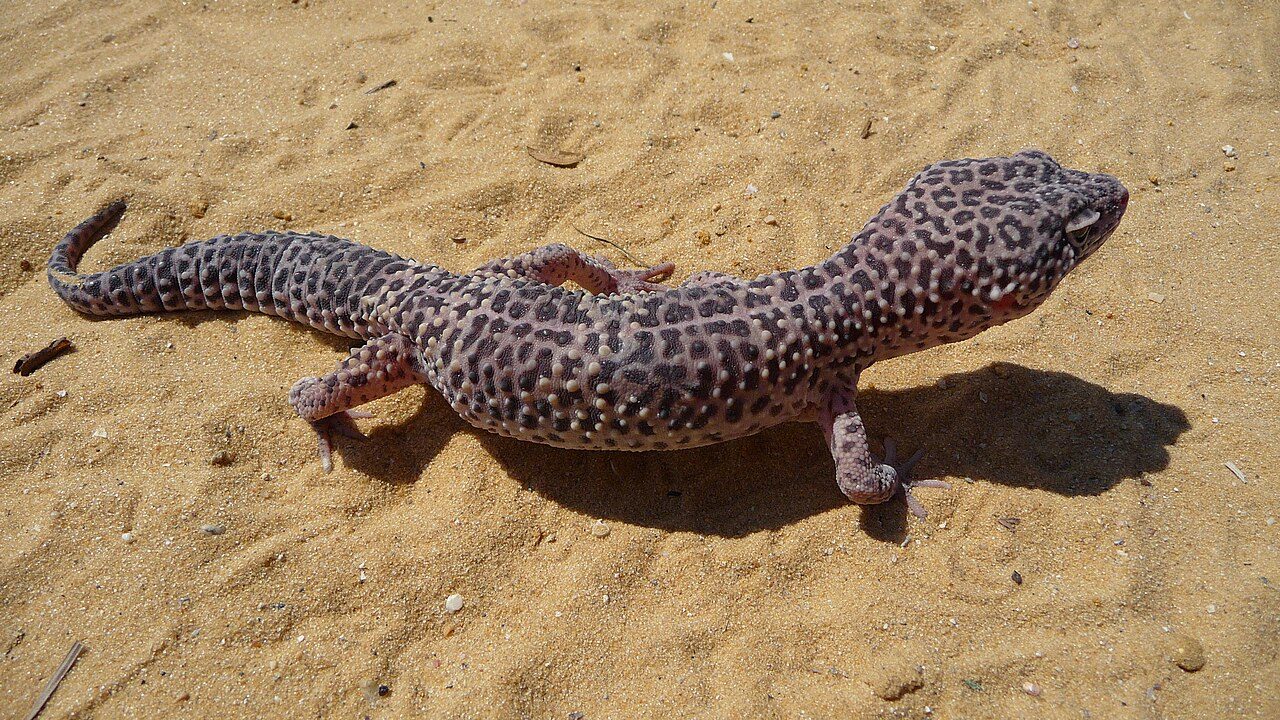
Normal (Wild Type)
Captive-bred morph (wild species native to Afghanistan, Pakistan & NW India)
Calm, nocturnal, ground-dwelling
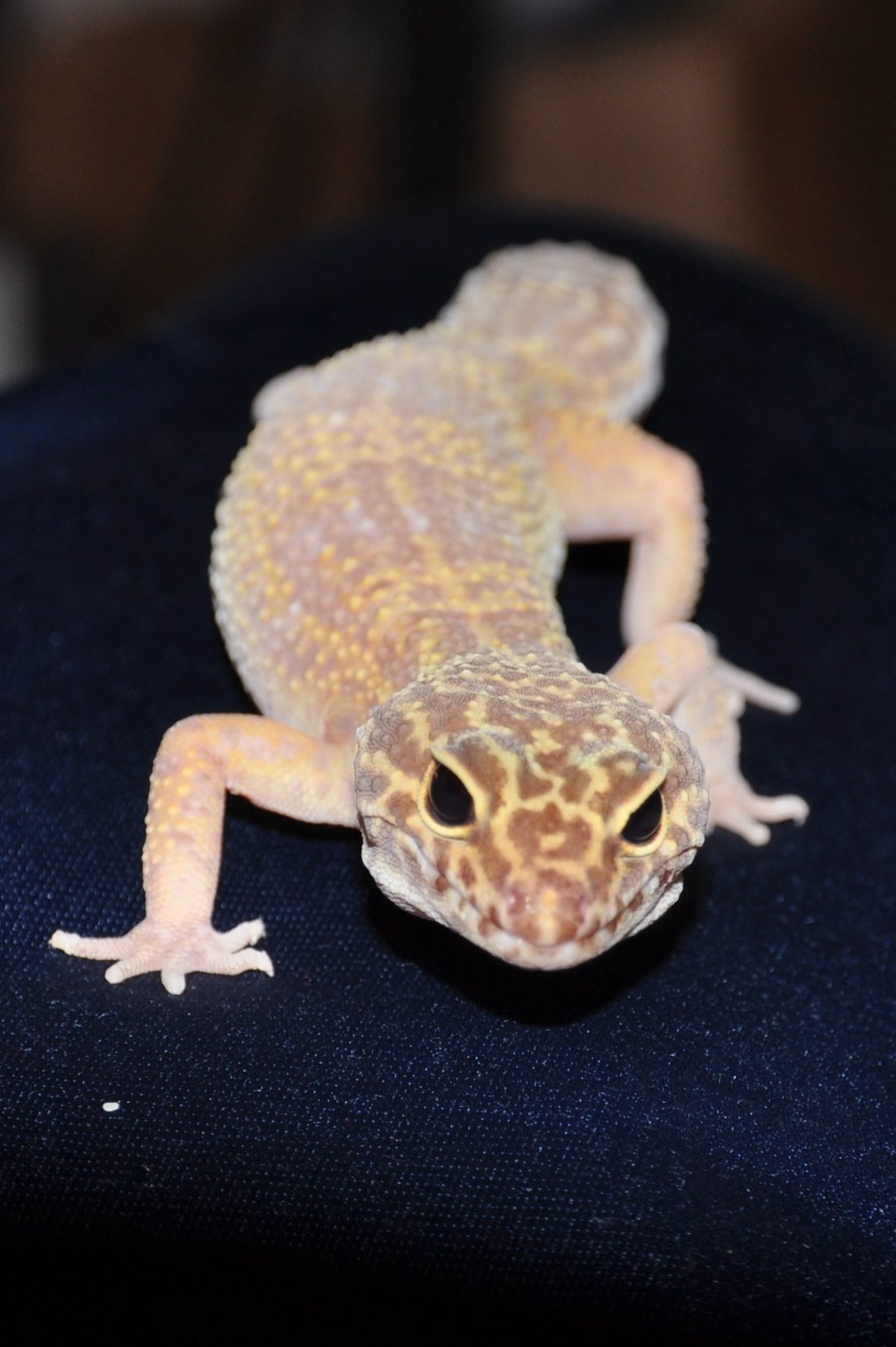
Tremper Albino
Captive-bred morph (wild species native to Afghanistan, Pakistan & NW India)
Calm, nocturnal, light-sensitive
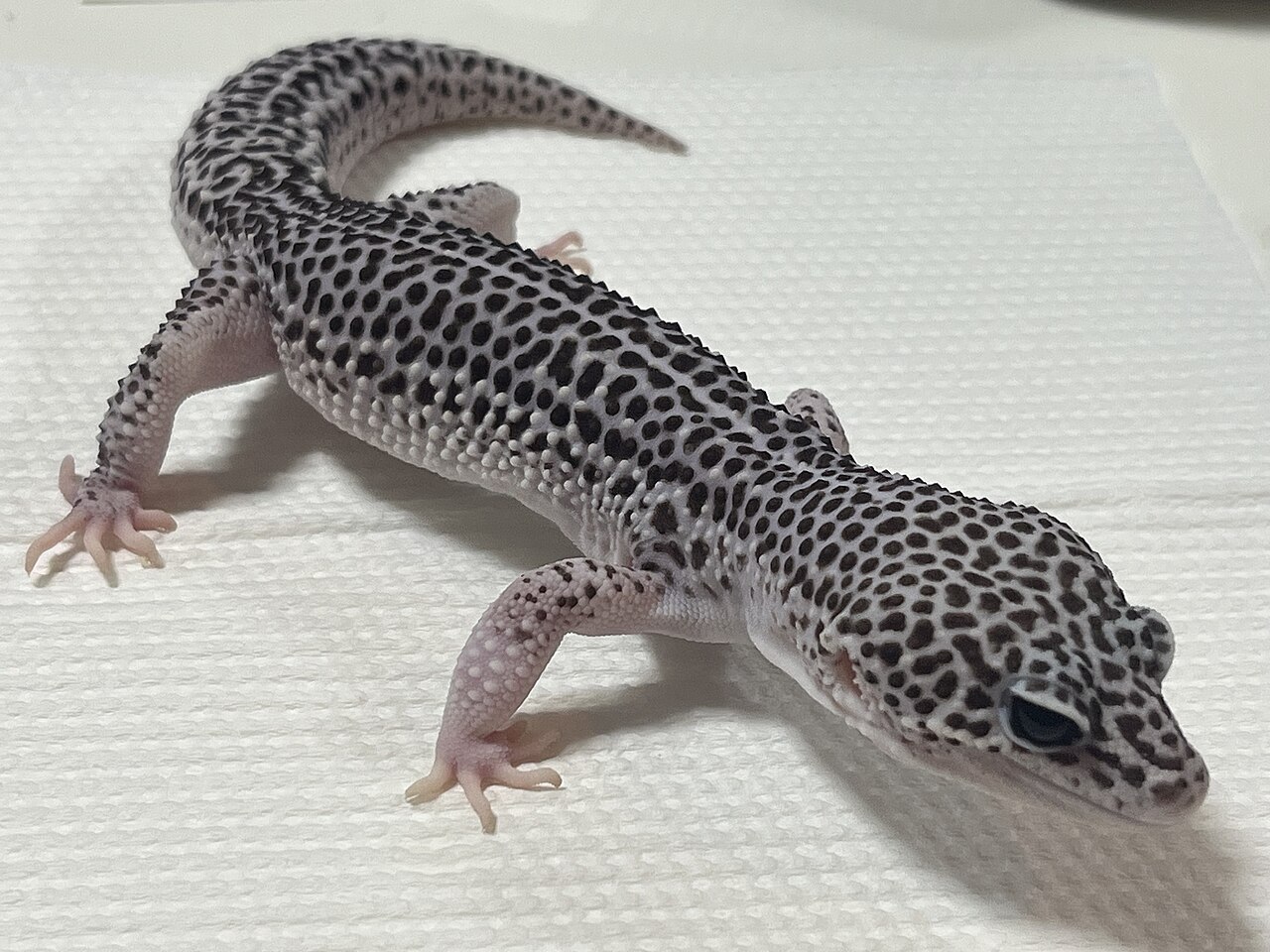
Mack Snow
Captive-bred morph (wild species native to Afghanistan, Pakistan & NW India)
Calm, nocturnal, hardy
Blizzard
Captive-bred morph (wild species native to Afghanistan, Pakistan & NW India)
Calm, nocturnal, hardy
What WARN Does
WARN publishes free reptile-welfare education. Leopard geckos are among the most-kept pet reptiles, and good husbandry — correct heat, calcium and diet — prevents most suffering. Honest guides also steer keepers away from welfare-linked morphs and the release of pet reptiles into the wild.
If this guide helps you understand wildlife and the pressures it faces, a gift to WARN supports habitat protection and free public education in our partner countries.
Leopard Gecko: Frequently Asked Questions
Are leopard gecko morphs different species?
Are leopard geckos good for beginners?
How long do leopard geckos live?
Do leopard geckos need UVB?
What is the Enigma morph and Enigma syndrome?
Where do common leopard geckos live?
Are common leopard geckos dangerous?
How big is a common leopard gecko?
What do common leopard geckos eat?
Sources & References
Population figures, conservation status and biological facts on this page are drawn from authoritative scientific and intergovernmental sources.
Terms used on this page
Plain-English definitions, from our wildlife and conservation glossary.
Explore more animals
Discover more animals, their habitats and their conservation status in the WARN wildlife-guide library.