Wildlife Guide · Colombia & Peru
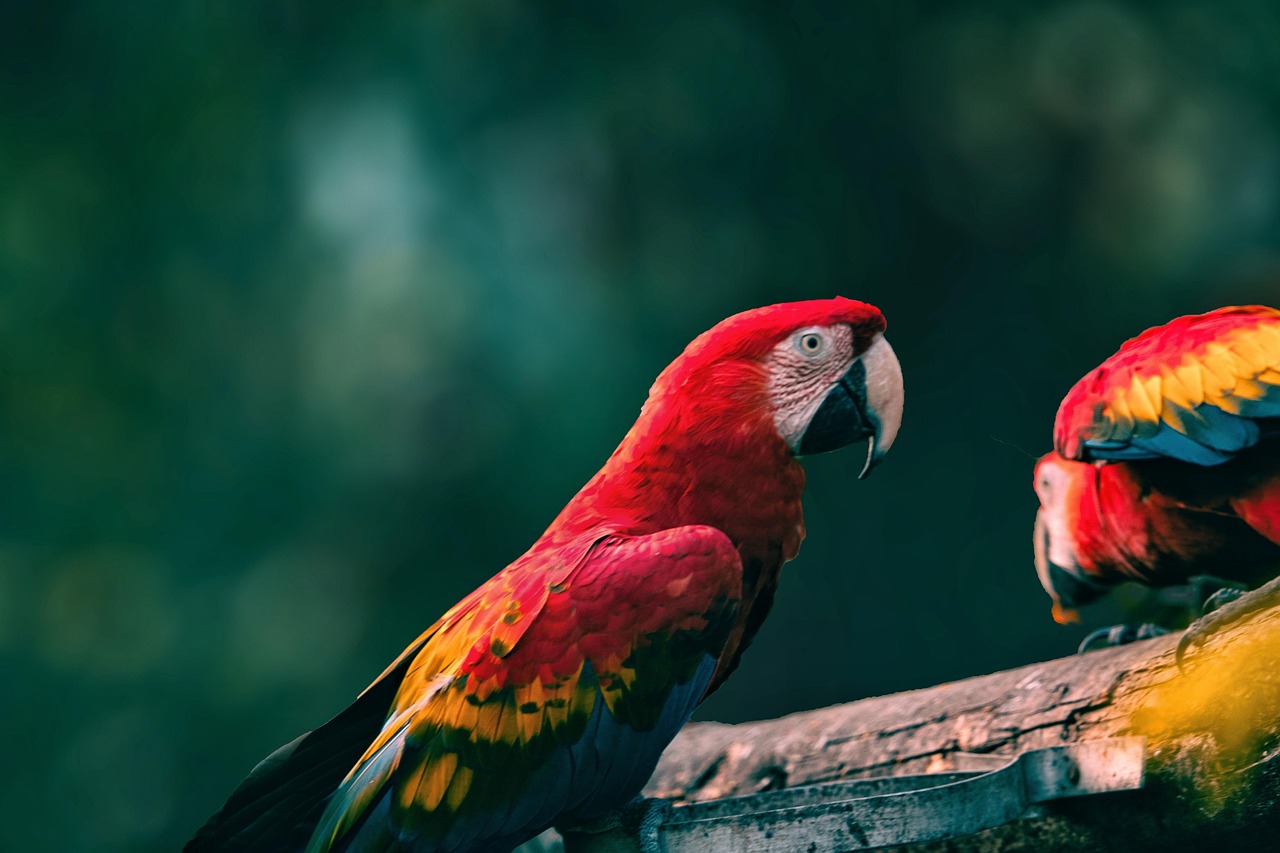
Macaw
Ara spp. / Anodorhynchus spp.
Among the most trafficked birds on earth — taken by the tens of thousands every year.
In brief
Macaws are large tropical parrots native to Central and South America; multiple species are Critically Endangered due to the illegal wildlife trade and deforestation.
~6,500
Hyacinth macaws remaining in the wild
66%
Of chicks die before reaching a buyer
10+
Macaw species threatened with extinction
0
Spix's macaws known in the wild
Key Facts: Macaw
- The Spix's macaw is now extinct in the wild — the last known wild individual disappeared in 2000.
- The hyacinth macaw, the world's largest flying parrot, has a wild population estimated at around 6,500.
- Macaws are taken as chicks from nest cavities in hollow trees — poachers often fell entire trees to reach a single nest.
- Chicks have extremely high mortality in transit: dehydration, stress, injury, and disease kill the majority before they reach a buyer.
- Macaws pair for life and can live for 60–80 years in captivity — illegal possession creates a decades-long welfare burden.
- Colombia, Peru, Bolivia, and Brazil are the primary source and transit countries for trafficked macaws.
How Is the Macaw Trade Organised?
The illegal macaw trade operates in layers. Local poachers in source countries locate nest trees, extract chicks, and sell to regional middlemen. Chicks are transported — often stuffed into PVC tubes, cloth sacks, or hidden in vehicle panels — to urban markets or export hubs. Corrupt customs officials facilitate export to demand markets in Europe, North America, and the Middle East. By the time a live bird reaches its buyer, dozens of others have died in transit. The trade is driven by consumer demand for exotic pets and, in some cases, by collectors seeking rare colour variants.
What Happens to Rescued Macaws?
Macaws seized at ports of entry or rescued from trade networks arrive at reception centres in poor condition — malnourished, dehydrated, and often with wing injuries from clipping or confinement. Triage involves rehydration, medical assessment, and quarantine. Birds with intact flight feathers and no severe imprinting can progress through rehabilitation and, eventually, soft release into protected habitat. Imprinted birds — those raised in prolonged human contact — cannot be released safely and require lifetime aviary care. The shortage of appropriate sanctuary facilities means many confiscated birds have nowhere adequate to go.
Macaw Conservation in Practice
Effective macaw conservation requires simultaneous work on multiple fronts: protecting nesting trees in key forest areas, working with customs authorities to improve detection at borders, building triage and rehabilitation capacity at receiving centres, and running community education programmes in source areas. Nest box programmes have shown strong results for some species — providing alternative nest sites that are easier to monitor and protect than hollow trees. WARN supports all of these approaches through its partner network in Colombia, Peru, and Indonesia.
What WARN Does
WARN works with rescue and rehabilitation centres in Colombia and Peru to fund triage capacity, aviary infrastructure, and soft-release programmes. We also support customs-detection training to improve interception rates at key border points.
Macaw: Frequently Asked Questions
What is the most trafficked bird in the world?
Why do so many macaws die in the illegal trade?
Can confiscated macaws be returned to the wild?
Is it legal to own a macaw?
Which macaw species are most at risk?
Explore More Species
Every animal in our network faces a crisis. Learn about the others.
View all wildlife guides