Wildlife Guide · Indonesia & Malaysia
Sun Bear
Helarctos malayanus
The smallest bear on earth — kept in cages for bile, or taken as cubs for pets.
In brief
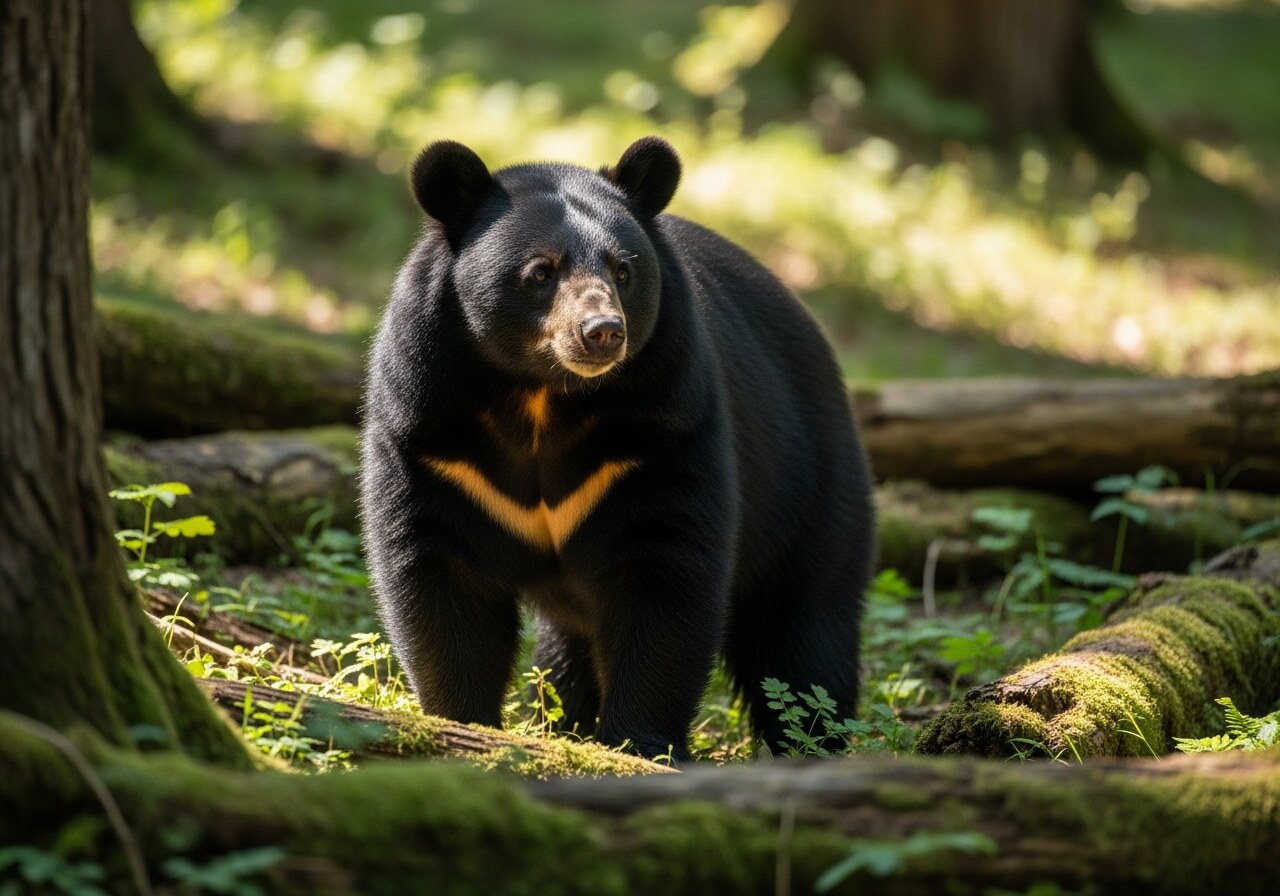
Sun bears are the world's smallest bears, native to Southeast Asia; they are threatened by deforestation and the bear bile farming industry, in which bears are caged for decades and milked for bile used in traditional medicine.
35%
Population decline in last 30 years
20+
Years a bile bear may be caged
10,000+
Bears on bile farms in Vietnam and China
1,000+
Bear sanctuaries needed — fewer than 10 exist
Key Facts: Sun Bear
- Sun bears are the smallest of the eight bear species, weighing 25–65 kg — smaller than most domestic dogs.
- They are keystone species in Southeast Asian forests, dispersing seeds and excavating cavities used by other wildlife.
- Bear bile farming — in which bears are kept in tiny "crush cages" and bile extracted through catheters — is legal in China and Vietnam.
- Bear bile contains ursodeoxycholic acid, which has genuine medical applications, but synthetic alternatives have been available for decades.
- Sun bear cubs are frequently taken from the wild after their mothers are killed — either for bile farming or the pet trade.
- Rescued sun bears are highly intelligent and require complex, enriched environments; recovery from bile farm conditions can take years.
What Is Bear Bile Farming?
Bear bile farming is the practice of keeping bears in captivity and extracting bile from their gallbladders, typically through a permanently open hole (fistula) or a surgically implanted catheter. Farmed bears — mostly Asiatic black bears (moon bears) and sun bears — are often confined in "crush cages" so small they cannot stand upright or turn around. Some remain in these conditions for twenty years or more. The practice is legal in China and Vietnam, where bear bile is used in traditional medicine. Bile contains ursodeoxycholic acid, a compound with genuine applications in treating liver disease — but synthetic ursodeoxycholic acid has been available since the 1950s.
Sun Bear Habitat Loss
Sun bears depend on intact lowland tropical forest. The conversion of Bornean and Sumatran forest to oil palm has eliminated vast areas of suitable habitat and brought bears into direct conflict with plantation workers, who frequently kill them as crop raiders. In Cambodia, Vietnam, and Thailand, forest clearance for agriculture and development is the primary driver of population decline. Sun bears are rarely photographed in the wild — they are shy, nocturnal, and travel large home ranges — meaning population declines often go undetected until local extinction has already occurred.
Life After the Bile Farm
Bears rescued from bile farms are among the most challenged animals to rehabilitate. Years of physical constraint cause muscle atrophy, joint deformity, and dental damage. Psychological trauma manifests as stereotypic behaviour — repetitive rocking, pacing, and bar-biting — that can persist for years in sanctuary conditions. Enrichment programmes, social companionship, and large naturalistic enclosures significantly improve outcomes, but most bile farm survivors cannot be released into the wild. They require lifetime care at specialist facilities.
What WARN Does
WARN funds sanctuary capacity expansion for rescued sun and moon bears in Vietnam and Indonesia, supports confiscation operations, and backs veterinary training for rescue teams dealing with bile farm survivors.
Sun Bear: Frequently Asked Questions
What is bear bile used for?
Is bear bile farming legal?
How small is a sun bear?
Can sun bears rescued from farms be released into the wild?
What is a sun bear's chest patch for?
Latest Sun Bear Stories
Explore More Species
Every animal in our network faces a crisis. Learn about the others.
View all wildlife guides