Wildlife appeal · Mountain gorilla conservation
How to Help Mountain Gorillas
Mountain gorilla recovery shows that sustained conservation matters. Keeping that progress safe means protecting health, habitat and the people who share the landscape.
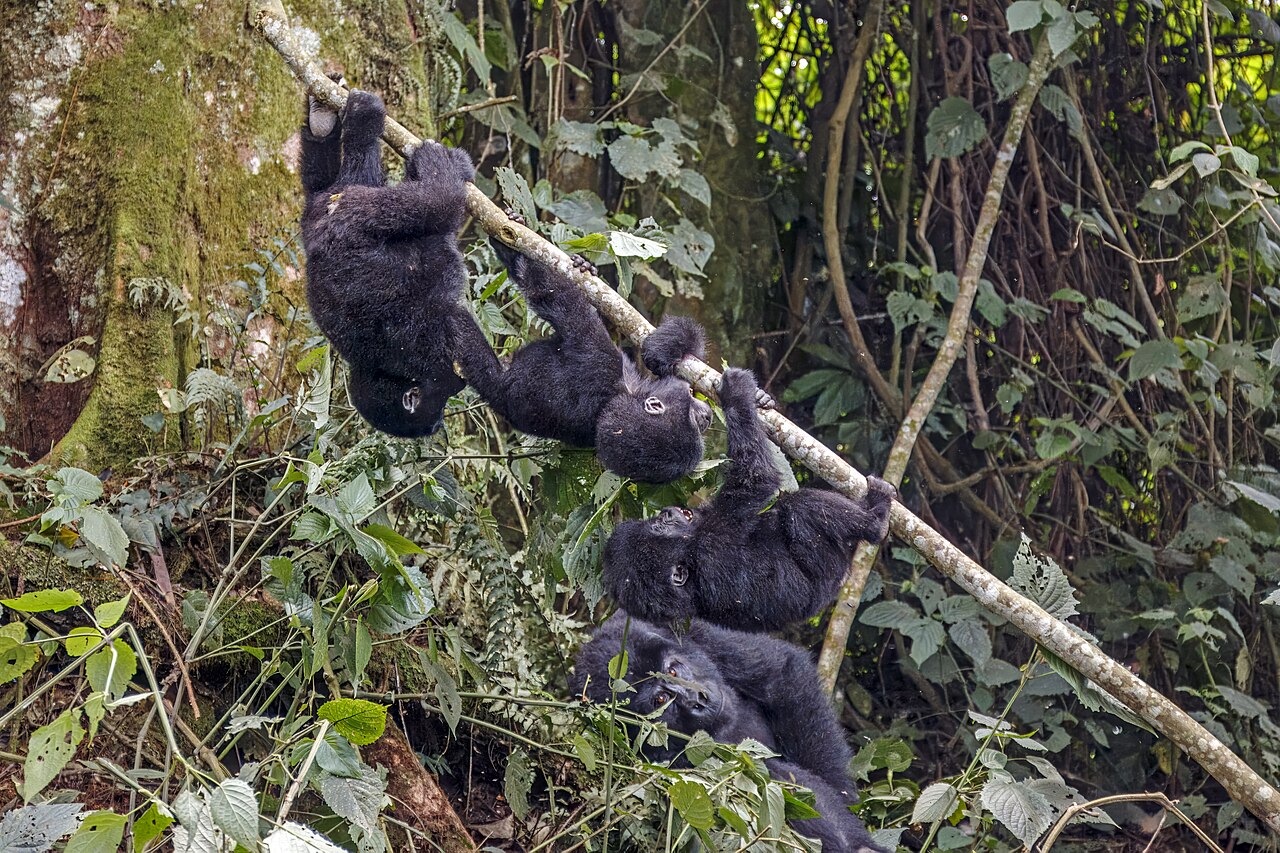
Mountain gorilla family photographed in Bwindi Impenetrable National Park, Uganda on 23 October 2016. This species photograph does not document a WARN grant or a current incident in Rwanda.
Photo: Charles J. Sharp / Wikimedia Commons (CC BY-SA 4.0). Commons-generated thumbnail; no further image edits. Display may be cropped. Source CC BY-SA 4.0
- Understand the animal’s needs and the proposed support
- Choose a one-off or monthly gift, or share the evidence
- Read recipient selection and grant records before giving
In brief
Mountain gorillas remain Endangered and face health and habitat pressures. This appeal seeks support for assessed welfare and conservation needs. WARN will publish recipient decisions and grant payments; no gift buys a gorilla encounter or guarantees a veterinary intervention.
By WARN Research & Conservation TeamLast updated
Choose informed support
Support mountain gorillas
Mountain gorilla recovery shows that sustained conservation matters. Keeping that progress safe means protecting health, habitat and the people who share the landscape.
Before you give
Your gift supports this appeal’s stated purpose. Activities described on this page are eligible or proposed support; published grant records show what has been agreed, paid or reported.
Choose an amount and frequency you can afford. No donation amount guarantees a particular rescue, treatment or release.
WARN is a UK community interest company, number 17298990. Gift Aid is unavailable.
Support mountain gorillas
Choose your amount and giving frequency
How often
Choose an amount
Your gift supports this appeal’s purpose. Grants depend on assessed needs, agreed budgets and available funds.
Where should it go?
Secure payment · You'll be directed to a secure checkout.
Secure donation · accepted methods
Secure card checkout powered by Stripe. Card details are entered on Stripe; available wallets depend on your device and browser.
Endangered
Mountain gorilla category
Two regions
Virunga and Bwindi–Sarambwe
Health
Disease prevention and assessment
Long-term
Conservation beyond one intervention
Species context checked 8 September 2026. Conservation classifications describe a species or population; they do not measure WARN’s work.
How to support mountain gorillas
Gifts selected for this appeal are intended for eligible mountain-gorilla welfare and conservation. WARN will assess proposals, permissions, costs and reporting before making awards. The operator reports cited here are not evidence of WARN-funded veterinary work.
- 1
Read the purpose and assessment questions
Explore the needs below and read grant selection and where your money goes. A species photograph or an outside organisation’s report does not establish a WARN grant.
- 2
Choose a gift that suits you
Select this appeal, choose one-off or monthly and enter an amount. Review the purpose, currency and frequency before continuing to Stripe. Available wallets depend on your device.
- 3
Follow the published records
Keep your payment receipt and use the grant register for recipient decisions and payment records when published. A receipt confirms your gift; it is not evidence that a grant has already reached a field team.
- 4
Share the evidence
Share dated conservation evidence and respectful viewing guidance. Keep the original organisation’s name with its results and avoid promoting close contact with wild gorillas.
Why mountain gorilla recovery still needs protection
The widely quoted total of 1,063 mountain gorillas combines the 2015–2016 Virunga survey with the 2018 Bwindi–Sarambwe survey, announced in December 2019. It is not a 2024 or 2026 census. Those dated results illustrate conservation progress while reminding us to distinguish a published estimate from a current count.
Gorilla Doctors describes infectious disease, habitat destruction and other pressures on eastern gorillas. Human proximity can increase the risk of disease transmission. Veterinary work therefore sits alongside prevention and careful decisions about when an intervention is appropriate.
Mountain gorillas live in the Virunga region and Bwindi–Sarambwe, spanning Rwanda, Uganda and the Democratic Republic of the Congo. That geography describes the animals, not a list of WARN operations. WARN would need to assess a specific lawful proposal before agreeing support, and would publish its own decisions rather than borrowing another organisation’s impact figures.
Evidence: Gorilla Doctors — Survey results announced 16 December 2019. External organisations describe their own work; citing them does not identify them as a WARN grantee.
What pressures remain despite conservation progress?
Disease and human proximity
Gorillas can be vulnerable to infections associated with contact with people. Prevention, monitoring and qualified assessment are important parts of protecting their health.
Pressure on habitat
Forested areas exist alongside human communities and competing resource needs. Conservation planning must account for the people who live near gorillas as well as the animals.
Injury and difficult intervention decisions
Responding to a wild animal can involve welfare and conservation trade-offs. Funding should support an authorised team’s justified response, without promising intervention for every reported injury.
Species, geography and donor context
| Animal | Mountain gorilla, an eastern gorilla subspecies |
|---|---|
| Range | Virunga and Bwindi–Sarambwe regions in Rwanda, Uganda and DR Congo |
| Classification | Endangered at subspecies level |
| Historical count | 1,063 combines surveys from 2015–2016 and 2018; announced in 2019 |
| WARN’s role | Assess eligible proposals and publish its own funding records |
What support could this appeal make possible?
Potential support must have a clear local purpose and the approval of the responsible authorities. These are areas to assess rather than claims of completed WARN work.
Focus1
Health monitoring and qualified care
Consider documented needs within authorised health programmes, with veterinary oversight and a clear explanation of when and why intervention would occur.
Focus2
Prevention and local conservation capacity
Consider locally appropriate work that reduces threats to gorillas, protects habitat or supports the ability to identify welfare risks early.
Focus3
Evidence and accountable reporting
Consider a defined monitoring need where the resulting information can improve decisions. Public reporting should protect sensitive animal and staff information.
What should a mountain-gorilla proposal demonstrate?
Health and conservation support should reinforce responsible decisions by the people and institutions charged with protecting gorillas.
- Who authorises the work?
- Identify the responsible organisation, park or wildlife authority and relevant qualified personnel. Fundraising does not itself authorise access to or treatment of wildlife.
- What is the benefit and what are the risks?
- Ask for the conservation or welfare purpose, the alternatives considered and how risks associated with human contact will be managed.
- How will progress be distinguished from publicity?
- Request specific activity, spending and outcome records. A veterinary visit, a treatment and a recovered animal are different claims and should be reported separately.
These are WARN’s assessment priorities for a proposed award. Read the recipient-selection policy.
How to help without donating
Follow the current park health rules
Use the responsible authority’s guidance about illness, distance and face coverings. Do not seek contact with gorillas for a photograph.
Share respectful viewing information
Gorilla Doctors’ visitor guidance explains why apparently friendly encounters can create a risk. Share that context rather than promoting close-contact footage.
Keep population figures dated
Include the survey period with a count. Avoid turning historical recovery into a claim that threats have ended or that WARN funded the result.
How would support reach mountain gorillas?
Gifts selected for this appeal are intended for eligible mountain-gorilla welfare and conservation. WARN will assess proposals, permissions, costs and reporting before making awards. The operator reports cited here are not evidence of WARN-funded veterinary work.
WARN is building its grant-making work. Before an award, an organisation’s authority, welfare standards, budget and ability to report must be assessed. Recipient decisions and grant payments will be published as records become available.
The activities described on this page are eligible needs to assess. They are not a statement that WARN has already paid for a rescue, clinic, patrol or sanctuary place. A suggested gift amount does not guarantee a fixed outcome.
How responsible support works
From a gift to a grant
This is WARN’s grant-making process. Check the published records below for this appeal’s actual progress.
Assess the need
Review an organisation’s identity, local capacity, welfare practices, current request and proposed budget.
Agree the support
Choose a suitable purpose within the appeal, agree the budget and set proportionate reporting requirements.
Record the payment
Publish the recipient, amount, purpose and payment status when a grant record is available.
Follow the results
Report what the recipient can evidence, with dates and limitations. An approved grant and a completed outcome are different stages.
Grant register
Approved commitments and completed payments are different stages. Public records identify recipients and purposes without exposing donor details, banking information or sensitive wildlife locations.
Records not yet published
A reconciled financial summary and individual grant records have not yet been published here. This is a reporting status, not a statement that income, expenditure or grants are zero. Contact WARN for information about your gift.
Ask about a donation or grantLearn more and explore other ways to help
Explore the evidence, practical animal-welfare information and other relevant ways to support the cause.
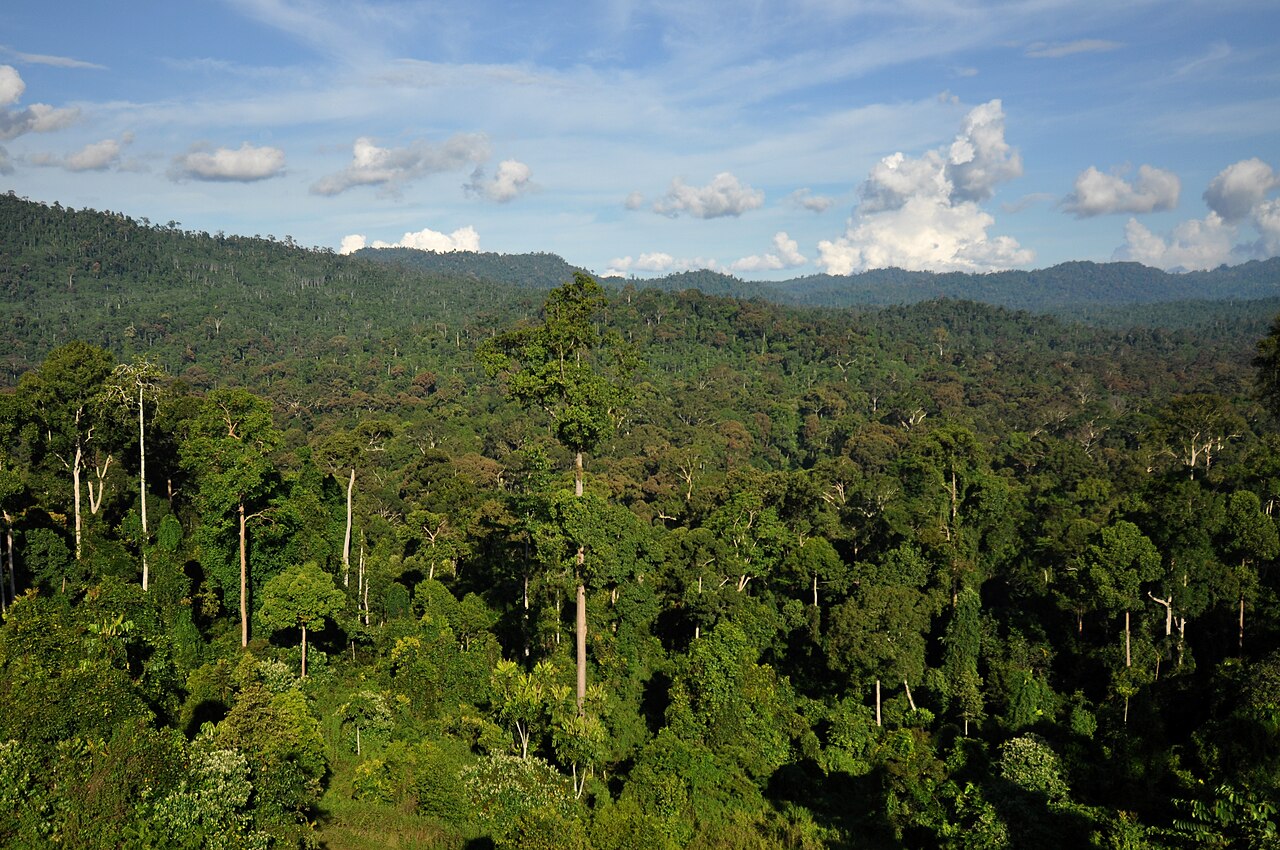
Protect Critical Habitats
Learn about habitat protection, ecological restoration and community stewardship, and how proposed work and its lasting benefit would be assessed.
Open this page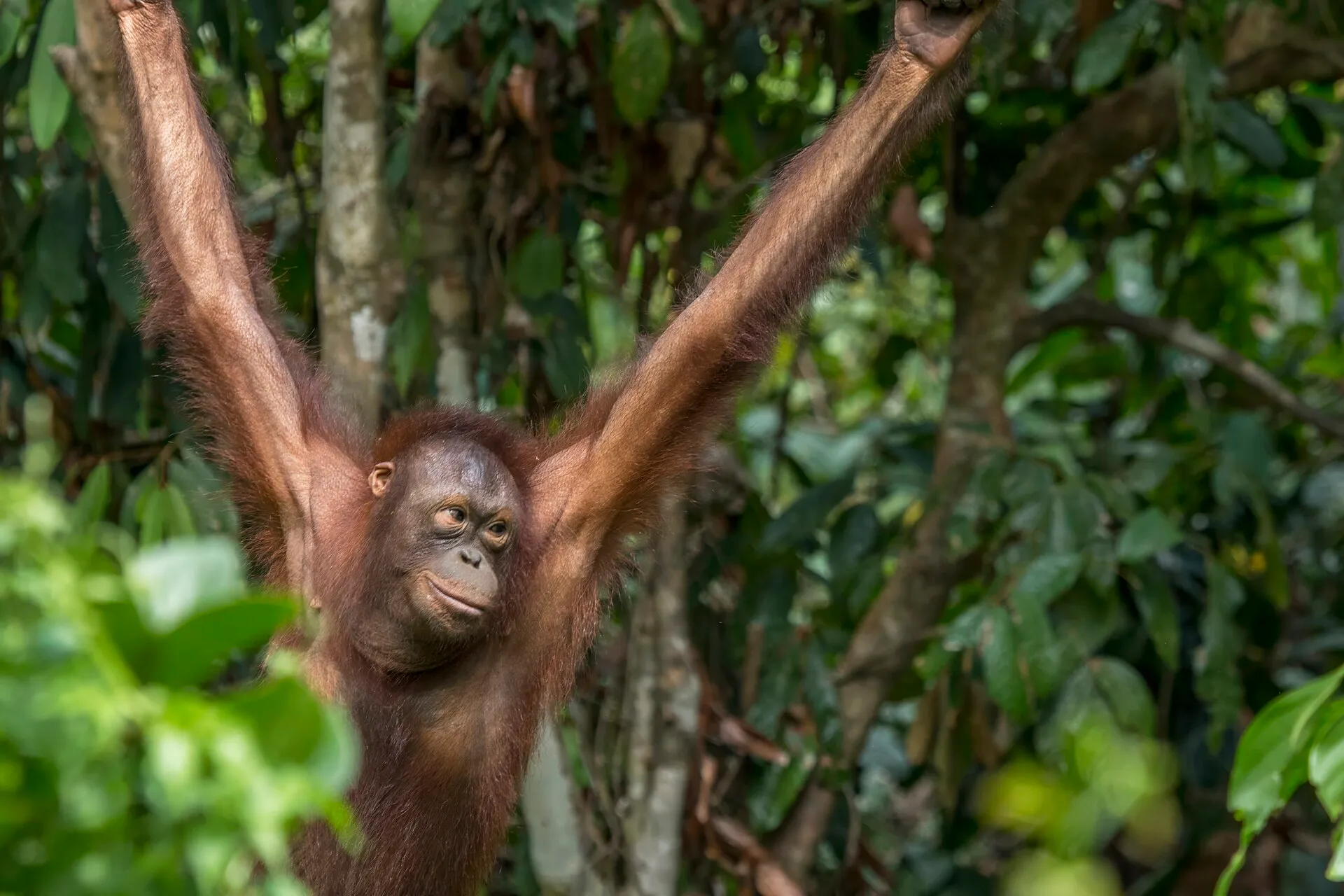
Help Orangutans
Explore how to help orangutans, compare donation purposes and symbolic adoption, and find practical ways to share and protect forests.
Open this page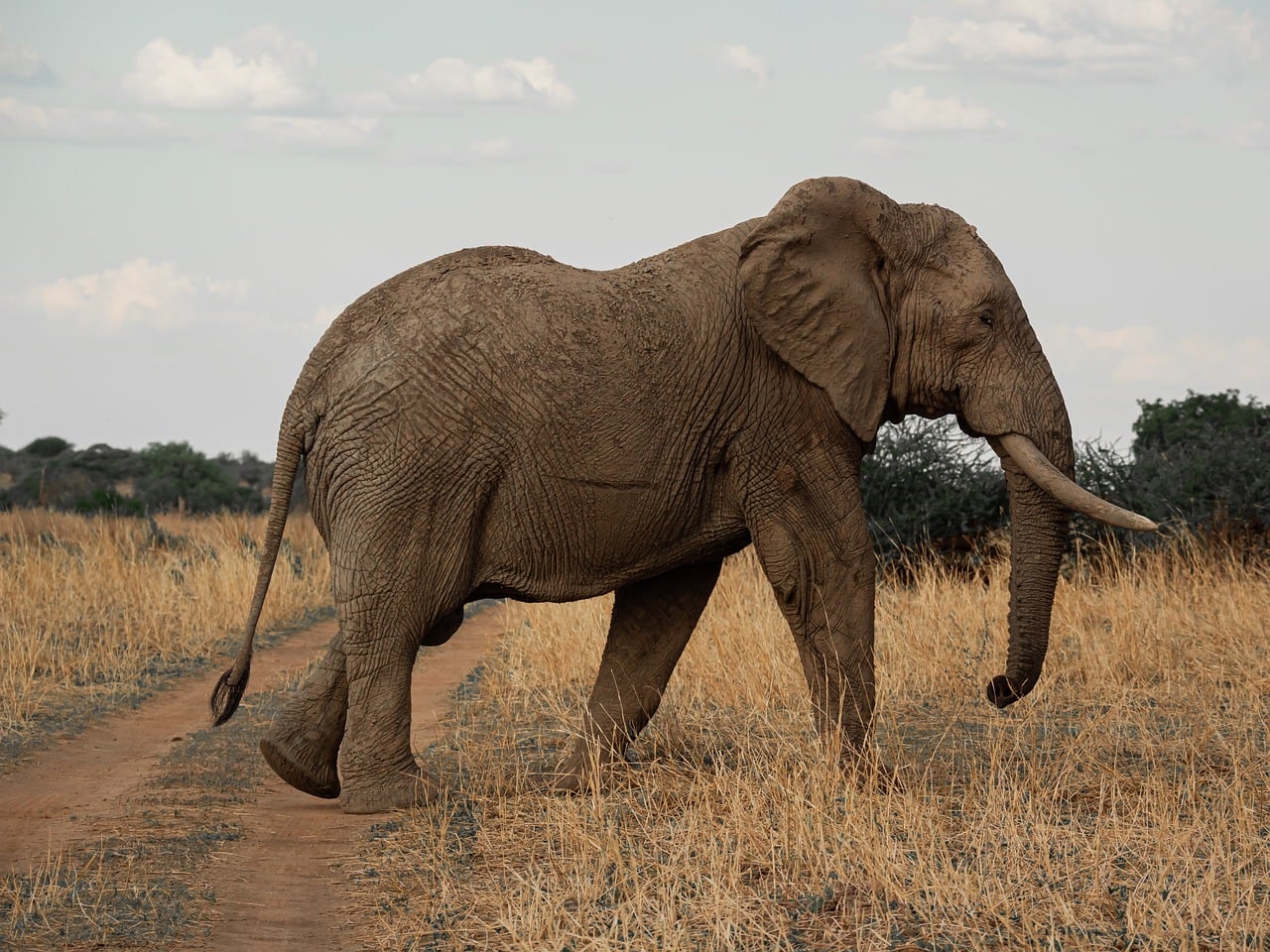
Elephant Rescue & Protection
Explore elephant veterinary care, snare prevention and humane coexistence in Indonesia and Malaysia, with clear proposed purposes and funding records.
Open this pageYour questions answered
Mountain gorillas: frequently asked questions
Is 1,063 a new mountain-gorilla census?
Are mountain gorillas still endangered?
Does a donation include a gorilla visit?
Does WARN fund Gorilla Doctors?
How do I donate to help mountain gorillas?
How can I help mountain gorillas from the UK?
Can I give monthly to help mountain gorillas?
How does my donation reach mountain gorillas?
Is this Gift Aid eligible or US tax-deductible?
Can I help without donating?
Help protect mountain gorilla progress
Contribute towards assessed conservation needs or share evidence that helps people support gorillas responsibly.
Help mountain gorillas