Animal Comparison
Armadillo vs Pangolin
Armadillos are New World mammals with bony armour; pangolins are Old World mammals with keratin scales. They look alike but are not close relatives.
By WARN Research & Conservation TeamLast updated
In brief — Armadillo vs Pangolin
Bony-banded New World digger means armadillo; keratin-scaled Old World mammal means pangolin — similar jobs, not the same lineage.
Armadillos and pangolins both wear armour and dig for ants and termites, which tempts people to treat them as versions of one animal. They are not. Armadillos are New World xenarthrans with bony osteoderm armour. Pangolins are Old World pholidotans covered in large keratin scales. Convergent lifestyle, separate continents and separate evolutionary paths.
See the difference
Images are shown at different scales. Read each caption for the species, source and context.
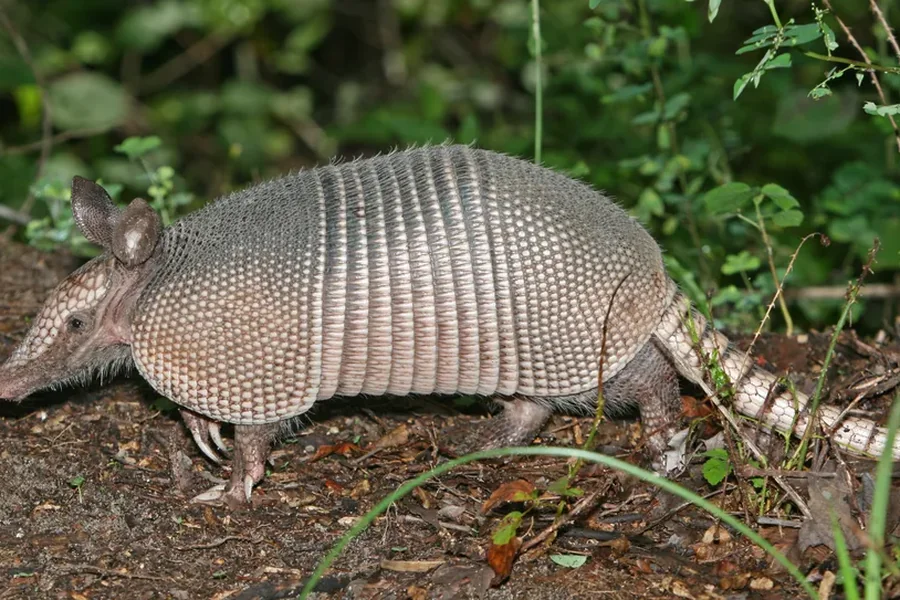
Armadillo — bony armour plates
AI-generated educational wildlife portrait — World Animal Rescue Network
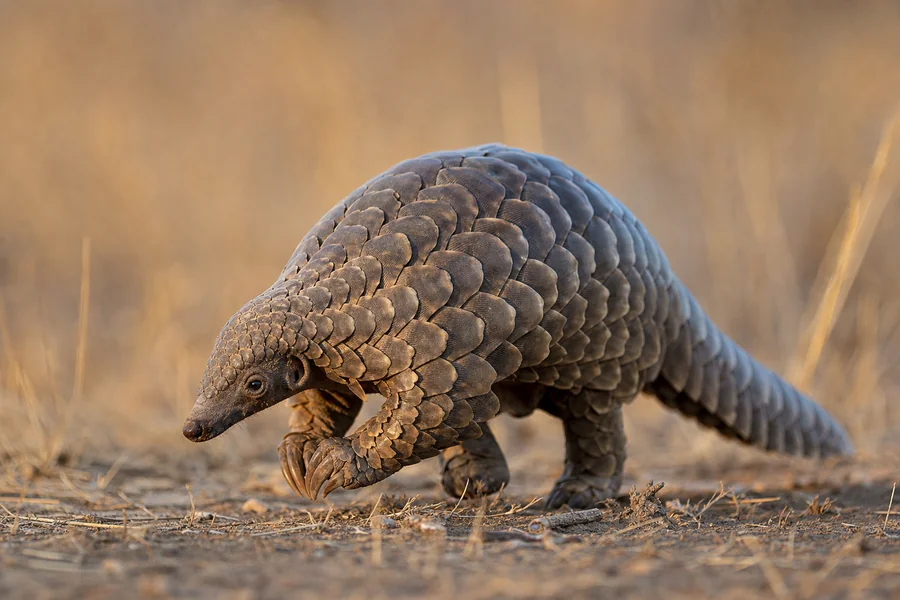
Pangolin — keratin scales
AI-generated educational wildlife portrait — World Animal Rescue Network
Armadillo vs Pangolin: At a Glance
| Feature | Armadillo | Pangolin |
|---|---|---|
| Native range | Americas | Africa and Asia |
| Armour | Bony osteoderms + keratin | Large keratin scales |
| Order/group | Xenarthra (cingulates) | Pholidota |
| Diet | Often ants/termites; varies by species | Specialist ant/termite feeders |
| Teeth | Some species have simple teeth | Toothless |
| Tongue | Long in insectivores | Very long, sticky |
| Rolling up | Some species curl tightly | Curl into scale ball |
| Claws | Strong digging claws | Strong digging claws |
| Conservation headline | Varies by species | Heavy trafficking pressure on pangolins |
| Same animal? | No | No |
Size and physical differences
Both groups include small and larger species; giant armadillos and large pangolins outweigh the familiar small forms — use armour type and geography before a single length.
Armadillo versus pangolin is a textbook case of convergent evolution dressed as a look-alike quiz. Both roll or hunker under armour, both have long tongues for social insects, and both suffer from people confusing their names in headlines. Armadillos live in the Americas. Pangolins live in Africa and Asia. Their armour materials differ at a touch: bone-backed scutes versus overlapping keratin scales like exaggerated fingernails.
Trafficking pressure on pangolins has made accurate naming urgent; mixing them up with armadillos muddles which animal faces which threats. This page keeps the biology clear without inventing population figures.
This comparison sticks to marks you can use without laboratory gear: size, shape, behaviour and the words people actually type into a search box. Scientific names are given where they prevent a regional mix-up. Where a popular belief is wrong, the correction leads; where two animals are simply different, the decisive field mark leads. Ranges and masses are given as working bands from standard natural-history references, not as courtroom measurements for every individual.
Continents first
Wild armadillos are New World mammals. Wild pangolins are Old World mammals. A scaly mammal in a Southeast Asian trafficking seizure is not an armadillo. A nine-banded armadillo on a Texas road is not a pangolin. Captive oddities exist, but natural range settles almost every honest identification question. Use more than one mark before you decide — single-trait IDs fail on juveniles, regional forms and poor light. In practice, people meet these animals in brief glances. Slow down long enough to check the two or three marks in the table above before accepting the first common name that comes to mind. Mislabeling spreads through photos and social posts faster than corrections do, which is why a short, checkable comparison page earns its keep. When experts disagree on subspecies or English names, the underlying biology — diet, body plan, reproductive cycle — remains the stable part of the answer.
Bone armour versus keratin scales
Armadillo “shell” includes bony plates within the skin. Pangolin cover is a coat of large, overlapping keratin scales with bare skin beneath between them. The textures differ in photos under good light: smoother banded carapace segments versus distinct leaf-like scales. That material difference tracks the separate evolutionary solutions to the same predation problem. Geography matters: the same English names attach to different species on different continents, and range often settles an argument faster than colour. In practice, people meet these animals in brief glances. Slow down long enough to check the two or three marks in the table above before accepting the first common name that comes to mind. Mislabeling spreads through photos and social posts faster than corrections do, which is why a short, checkable comparison page earns its keep. When experts disagree on subspecies or English names, the underlying biology — diet, body plan, reproductive cycle — remains the stable part of the answer.
Diet and tooth stories
Both lineages include dedicated myrmecophages — ant and termite eaters — with long tongues and strong claws. Pangolins are toothless; they grind food in a muscular stomach. Armadillos vary; some have peg-like teeth. Shared menu items do not prove kinship any more than shared flight proves bats are birds. Behaviour at the moment of observation — feeding, escape, nesting — is evidence, not a personality story about the whole species. In practice, people meet these animals in brief glances. Slow down long enough to check the two or three marks in the table above before accepting the first common name that comes to mind. Mislabeling spreads through photos and social posts faster than corrections do, which is why a short, checkable comparison page earns its keep. When experts disagree on subspecies or English names, the underlying biology — diet, body plan, reproductive cycle — remains the stable part of the answer.
Why the mix-up harms clarity
Pangolins have been described as the most trafficked mammals in many conservation explainers; armadillos face different regional pressures. Swapping names in social posts spreads false range maps and false product myths. Accurate words are a low-cost conservation tool. Conservation status is assessed taxon by taxon; a group label like 'wasp' or 'antelope' is not an IUCN status. In practice, people meet these animals in brief glances. Slow down long enough to check the two or three marks in the table above before accepting the first common name that comes to mind. Mislabeling spreads through photos and social posts faster than corrections do, which is why a short, checkable comparison page earns its keep. When experts disagree on subspecies or English names, the underlying biology — diet, body plan, reproductive cycle — remains the stable part of the answer.
Rolling behaviour is not a synonym
Several species in both groups curl defensively. A ball of scales is a pangolin image; a ball of bands is an armadillo image. Juveniles and species differ in how completely they close. Use armour type with behaviour, not behaviour alone. If you are managing conflict with people or pets, identify first, then choose a proportionate response; misidentification wastes effort and can harm the wrong animal. In practice, people meet these animals in brief glances. Slow down long enough to check the two or three marks in the table above before accepting the first common name that comes to mind. Mislabeling spreads through photos and social posts faster than corrections do, which is why a short, checkable comparison page earns its keep. When experts disagree on subspecies or English names, the underlying biology — diet, body plan, reproductive cycle — remains the stable part of the answer.
Did you know?
Pangolin scales are keratin — the same general material as hair and nails — while armadillo armour includes true bone plates in the skin.
Armadillo vs Pangolin: FAQs
Are armadillos and pangolins the same?
What is the difference between an armadillo and a pangolin?
Do pangolins have bones in their scales?
Which eats ants?
Can both roll into a ball?
Why do people confuse them?
Help protect animals
Learning about animals can help more people understand their needs. WARN raises funds for eligible animal-welfare organisations. Read the relevant appeal’s purpose, recipient status and fund terms, or share this free guide to raise awareness.