Animal Comparison
Cougar vs Mountain lion
Cougar and mountain lion are the same species, Puma concolor — also called puma, panther or catamount depending on region. One cat, many English names.
By WARN Research & Conservation TeamLast updated
In brief — Cougar vs Mountain lion
Same animal — cougar, mountain lion, puma and (in many places) panther are one species.
Cougar and mountain lion are the same species, Puma concolor. So are puma, panther and catamount in most North American uses. These words are regional English names for one wide-ranging American cat, not a pair of look-alike species with hidden anatomical differences.
See the difference
Images are shown at different scales. Read each caption for the species, source and context.
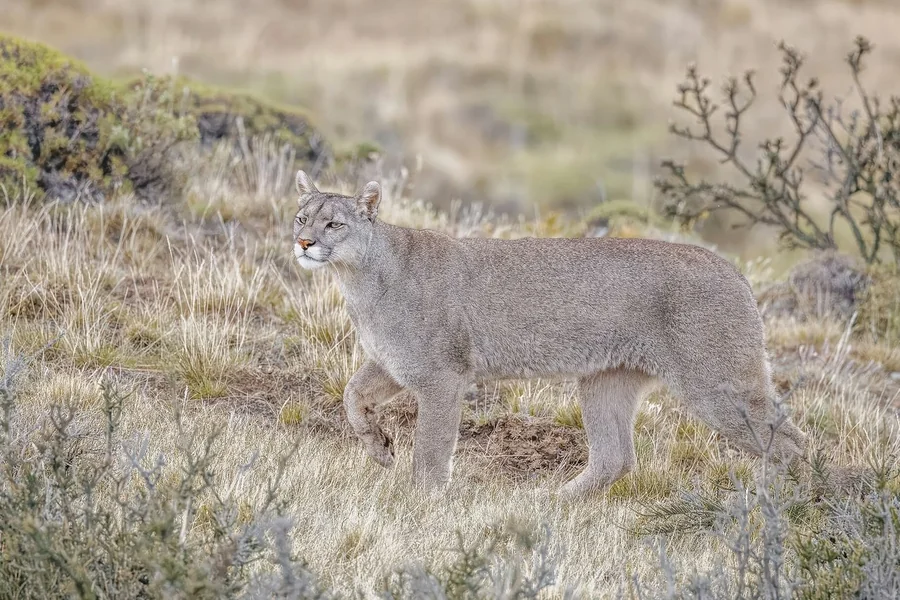
Cougar — Puma concolor; one of many English names
AI-generated educational wildlife portrait — World Animal Rescue Network
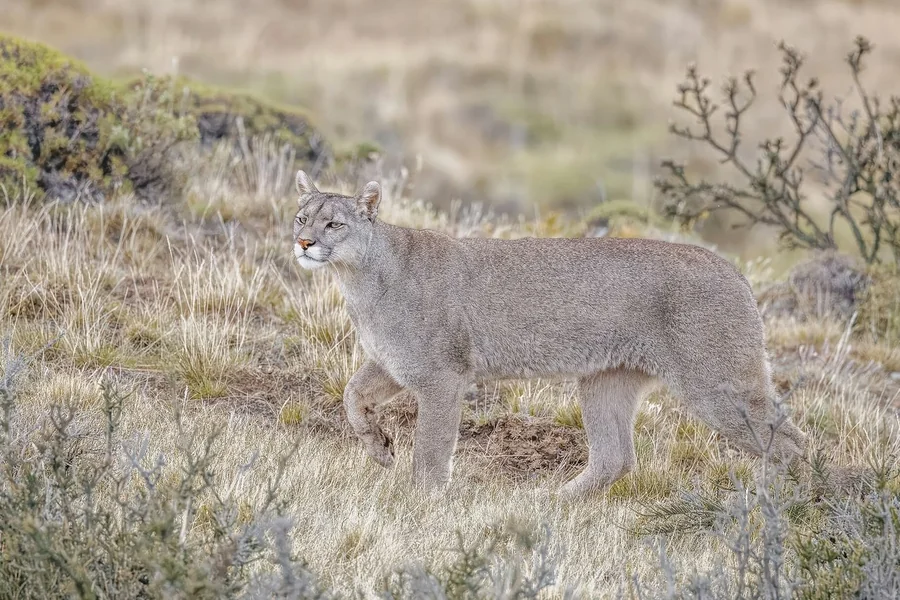
Mountain lion — same cat; regional English name
AI-generated educational wildlife portrait — World Animal Rescue Network
Cougar vs Mountain lion: At a Glance
| Feature | Cougar | Mountain lion |
|---|---|---|
| Scientific name | Puma concolor | Puma concolor |
| Also called | Puma, panther, catamount… | Cougar, puma, panther… |
| Species split | None | None |
| Coat (adult) | Tawny to grey-brown; unspotted | Tawny to grey-brown; unspotted |
| Tail | Long, black tip | Long, black tip |
| Spots | Cubs spotted; adults not | Cubs spotted; adults not |
| Weight (typical) | Roughly 29–64 kg by sex/region | Roughly 29–64 kg by sex/region |
| Range | Americas — patchy in places | Americas — patchy in places |
| IUCN | Least Concern globally; local crises exist | Least Concern globally; local crises exist |
| Florida panther | Endangered population of this species | Endangered population of this species |
Size and physical differences
Adults typically weigh about 29–64 kg depending on sex and region; males are larger than females — the name used does not change the size.
Cougar versus mountain lion is less a comparison than a thesaurus entry with claws. Puma concolor holds one of the longest lists of common names of any mammal in the Americas. Mountain lion, cougar, puma, panther, catamount and others point to the same tawny, unmarked (in adults) big cat with a long black-tipped tail.
The useful content after the correction is geographic: where the cat still occurs, how its prey and conflict patterns vary, and why Florida’s “panther” is a particular endangered population of the same species rather than a different animal. Name diversity is cultural history; conservation is local.
This comparison sticks to marks you can use without laboratory gear: size, shape, behaviour and the words people actually type into a search box. Scientific names are given where they prevent a regional mix-up. Where published measurements disagree, this page gives the range rather than a single tidy figure that implies more certainty than the sources support.
One species, many headlines
Searches arrive as if two cats might be fighting for a niche. They are not. Editors pick mountain lion in the west, cougar in many wildlife agencies, panther in Florida and parts of the east historically. The skull does not change with the byline. Field observers should treat colour alone as weak evidence and combine it with shape, behaviour and habitat before naming what they see. Where published measurements disagree, this page gives the range rather than a single tidy figure that implies more certainty than the sources support. Field observers should treat colour alone as weak evidence and combine it with shape, behaviour and habitat before naming what they see. Where published measurements disagree, this page gives the range rather than a single tidy figure that implies more certainty than the sources support.
How to recognise Puma concolor
Adults are plain tawny with a white to cream belly and a long tail with a dark tip. They lack the rosettes of jaguars and the open-country tear-mark face of cheetahs. Tracks show four toes without claw marks in a typical walk, as claws are retractile. Field observers should treat colour alone as weak evidence and combine it with shape, behaviour and habitat before naming what they see. Where published measurements disagree, this page gives the range rather than a single tidy figure that implies more certainty than the sources support. Field observers should treat colour alone as weak evidence and combine it with shape, behaviour and habitat before naming what they see. Where published measurements disagree, this page gives the range rather than a single tidy figure that implies more certainty than the sources support.
Panther as a confusing word
In Florida, panther means this puma population. Elsewhere panther can mean a melanistic leopard or jaguar. Context is everything. A black panther photo from Asia is not a mountain lion. Field observers should treat colour alone as weak evidence and combine it with shape, behaviour and habitat before naming what they see. Where published measurements disagree, this page gives the range rather than a single tidy figure that implies more certainty than the sources support. Field observers should treat colour alone as weak evidence and combine it with shape, behaviour and habitat before naming what they see. Where published measurements disagree, this page gives the range rather than a single tidy figure that implies more certainty than the sources support. Field observers should treat colour alone as weak evidence and combine it with shape, behaviour and habitat before naming what they see. Where published measurements disagree, this page gives the range rather than a single tidy figure that implies more certainty than the sources support.
Regional ecology differs, names do not
A mountain lion hunting mule deer in the Rockies and a Florida panther navigating fragmented swamp habitats face different prey and road pressures. Management is local. The English synonym list should not flatten those differences. Field observers should treat colour alone as weak evidence and combine it with shape, behaviour and habitat before naming what they see. Where published measurements disagree, this page gives the range rather than a single tidy figure that implies more certainty than the sources support. Field observers should treat colour alone as weak evidence and combine it with shape, behaviour and habitat before naming what they see. Where published measurements disagree, this page gives the range rather than a single tidy figure that implies more certainty than the sources support.
People and risk
Attacks on humans are rare relative to the cat’s wide range but are taken seriously where trails and expanding housing meet habitat. Livestock and pet predation drive most conflict. Accurate species identity matters less than accurate behaviour advice — and here identity is simple. Field observers should treat colour alone as weak evidence and combine it with shape, behaviour and habitat before naming what they see. Where published measurements disagree, this page gives the range rather than a single tidy figure that implies more certainty than the sources support. Field observers should treat colour alone as weak evidence and combine it with shape, behaviour and habitat before naming what they see. Where published measurements disagree, this page gives the range rather than a single tidy figure that implies more certainty than the sources support.
Why the comparison matters
People search for cougar versus mountain lion because a wrong name leads to the wrong expectation — about danger, about care, about what lives in a local habitat. Getting the distinction right is how accurate advice and conservation reporting stay attached to the animal that is actually present. Field observers should treat colour alone as weak evidence and combine it with shape, behaviour and habitat before naming what they see. Conservation status also diverges inside everyday labels: a common garden species and a rare relative can share a common name while facing completely different pressures. Where published measurements disagree, this page gives the range rather than a single tidy figure that implies more certainty than the sources support. WARN publishes these comparisons so high-intent questions get a sourced answer instead of an unsourced listicle.
Did you know?
Puma concolor may have more widely used English names than any other American mammal — a record driven by geography, not by cryptic species.
Cougar vs Mountain lion: FAQs
Are cougars and mountain lions the same?
Is a puma different from a cougar?
What about panthers?
Do mountain lions and cougars look different?
Which name is correct?
Are they endangered?
Help protect animals
Learning about animals can help more people understand their needs. WARN raises funds for eligible animal-welfare organisations. Read the relevant appeal’s purpose, recipient status and fund terms, or share this free guide to raise awareness.