Animal Comparison
Groundhog vs Beaver
Groundhogs are burrowing marmots of fields and edges; beavers are aquatic rodents with flat tails that cut wood and build in waterways.
By WARN Research & Conservation TeamLast updated
In brief — Groundhog vs Beaver
Land burrower with a bushy-ish body and no paddle tail means groundhog; flat scaly tail and water works means beaver.
Groundhogs (also called woodchucks) are large ground squirrels — marmots — that dig burrows in soil and eat plants on land. Beavers are aquatic rodents with flat scaly tails that cut woody plants and build dams and lodges. Both are hefty rodents, but one is a burrower of fields and forest edges while the other reshapes streams.
See the difference
Images are shown at different scales. Read each caption for the species, source and context.
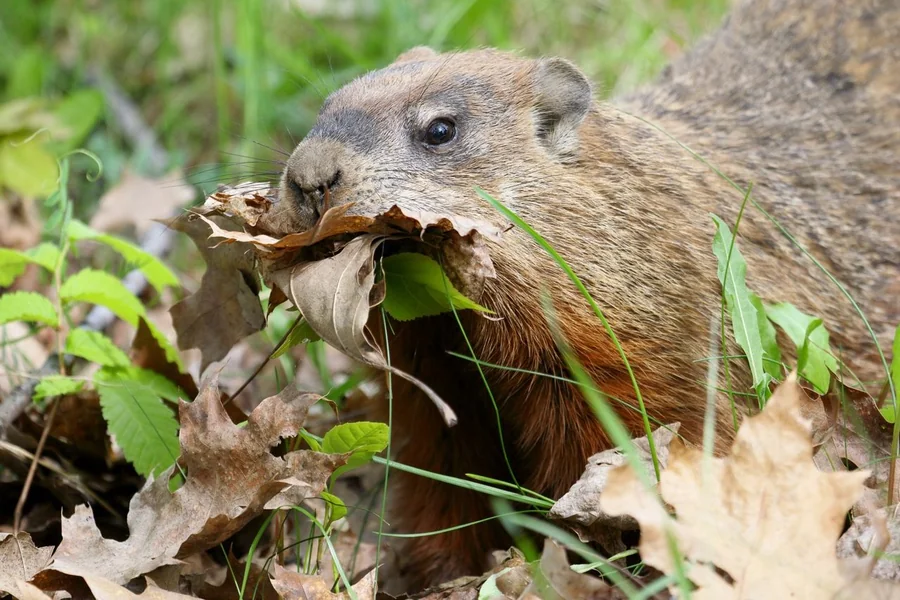
Groundhog — land burrower
AI-generated educational wildlife portrait — World Animal Rescue Network
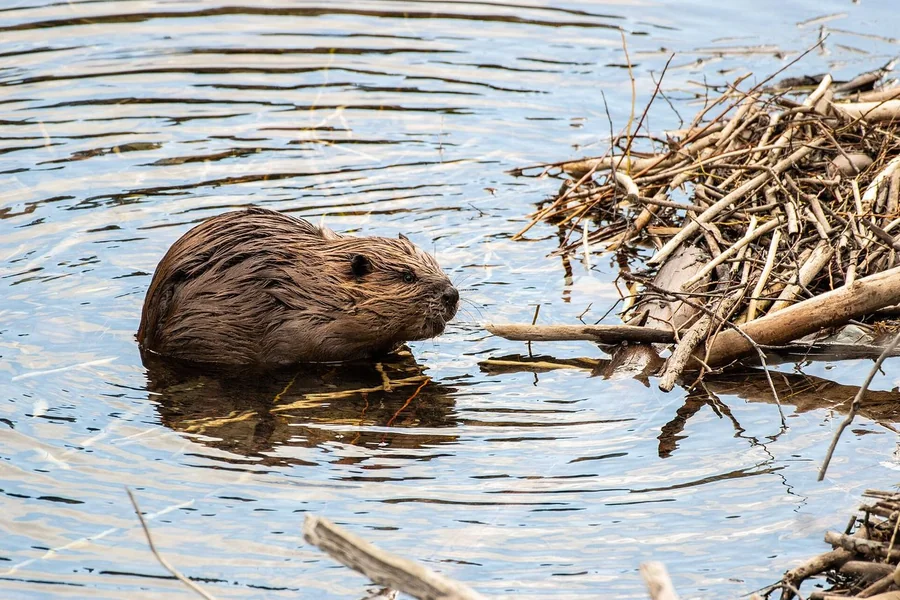
Beaver — aquatic paddle-tailed rodent
AI-generated educational wildlife portrait — World Animal Rescue Network
Groundhog vs Beaver: At a Glance
| Feature | Groundhog | Beaver |
|---|---|---|
| Lifestyle | Terrestrial burrower | Aquatic engineer |
| Tail | Furred, not a flat paddle | Flat, scaly paddle |
| Group | Marmot / ground squirrel | Beaver family |
| Diet | Grasses, herbs, crops, some bark | Bark, cambium, aquatic plants |
| Classic structure | Soil burrow systems | Dams and lodges |
| Swimming | Can swim but not specialised like beaver | Highly aquatic |
| Incisors | Rodent gnawers | Heavy wood-cutting chisels |
| Activity | Often day-active | Often crepuscular/night-leaning |
| Warning behaviour | Whistle alarm (woodchuck lore) | Tail slap on water |
| Foot feel | Digging claws | Webbed hind feet |
Size and physical differences
Both are large rodents: groundhogs often weigh several kilograms, while adult beavers are typically heavier still, frequently well into double-digit kilograms.
Groundhog versus beaver pairs two chunky North American rodents that people sometimes blur because both are brown, big and capable of reshaping their surroundings. Groundhogs (Marmota monax) are marmots: diurnal herbivores that excavate burrows in meadows, roadsides and woodland edges. Beavers (Castor canadensis in North America; Castor fiber in Eurasia) are water specialists whose flat tails and chiselling incisors support a timber-engineering lifestyle.
Habitat is half the identification. A whistle-pig standing by a pasture burrow is not a beaver away from water. A lodge on a pond with peeled sticks is not a groundhog holiday home. Tail shape closes the case when the animal is visible: only the beaver carries the famous paddle.
This comparison sticks to marks you can use without laboratory gear: size, shape, behaviour and the words people actually type into a search box. Scientific names are given where they prevent a regional mix-up. Where a popular belief is wrong, the correction leads; where two animals are simply different, the decisive field mark leads. Ranges and masses are given as working bands from standard natural-history references, not as courtroom measurements for every individual.
Land burrows versus waterworks
Groundhog ecology centres on burrows with spoil mounds and multiple entrances in well-drained soil. Beaver ecology centres on ponds, canals, lodges and dams built with wood and mud. If the “damage” is a pasture hole system, start with groundhog. If trees are felled toward water and a pond deepens behind a stick dam, start with beaver. Use more than one mark before you decide — single-trait IDs fail on juveniles, regional forms and poor light. In practice, people meet these animals in brief glances. Slow down long enough to check the two or three marks in the table above before accepting the first common name that comes to mind. Mislabeling spreads through photos and social posts faster than corrections do, which is why a short, checkable comparison page earns its keep. When experts disagree on subspecies or English names, the underlying biology — diet, body plan, reproductive cycle — remains the stable part of the answer.
The paddle tail ends debates
No groundhog has a beaver’s flat scaly tail. That single trait is decisive in photographs when visible. Groundhog tails are furred and ordinary by marmot standards. Distance swims can hide beaver tails under ripples — wait for a dive or a haul-out with a branch. Geography matters: the same English names attach to different species on different continents, and range often settles an argument faster than colour. In practice, people meet these animals in brief glances. Slow down long enough to check the two or three marks in the table above before accepting the first common name that comes to mind. Mislabeling spreads through photos and social posts faster than corrections do, which is why a short, checkable comparison page earns its keep. When experts disagree on subspecies or English names, the underlying biology — diet, body plan, reproductive cycle — remains the stable part of the answer.
Diet and chewing sign
Both gnaw plants, but beaver leave characteristic pencil-pointed stumps and wood chips near water. Groundhogs graze and may nibble garden crops near burrows without the timber-felling pattern of beavers. Match the chew sign to the landscape layer: aquatic woody versus terrestrial herbaceous. Behaviour at the moment of observation — feeding, escape, nesting — is evidence, not a personality story about the whole species. In practice, people meet these animals in brief glances. Slow down long enough to check the two or three marks in the table above before accepting the first common name that comes to mind. Mislabeling spreads through photos and social posts faster than corrections do, which is why a short, checkable comparison page earns its keep. When experts disagree on subspecies or English names, the underlying biology — diet, body plan, reproductive cycle — remains the stable part of the answer.
Body and locomotion
Groundhogs look like hefty marmots that waddle then sprint to a hole. Beavers look denser through the body and move with aquatic purpose, often ferrying materials. Climbing trees is not a beaver speciality; cutting them is. Groundhogs may climb modestly but live by digging. Conservation status is assessed taxon by taxon; a group label like 'wasp' or 'antelope' is not an IUCN status. In practice, people meet these animals in brief glances. Slow down long enough to check the two or three marks in the table above before accepting the first common name that comes to mind. Mislabeling spreads through photos and social posts faster than corrections do, which is why a short, checkable comparison page earns its keep. When experts disagree on subspecies or English names, the underlying biology — diet, body plan, reproductive cycle — remains the stable part of the answer.
Names and Groundhog Day
Woodchuck and groundhog are the same animal in ordinary North American English. Folklore weather rituals do not change biology or help separate them from beavers. For wildlife reporting, use habitat and tail, not calendar mythology. If you are managing conflict with people or pets, identify first, then choose a proportionate response; misidentification wastes effort and can harm the wrong animal. In practice, people meet these animals in brief glances. Slow down long enough to check the two or three marks in the table above before accepting the first common name that comes to mind. Mislabeling spreads through photos and social posts faster than corrections do, which is why a short, checkable comparison page earns its keep. When experts disagree on subspecies or English names, the underlying biology — diet, body plan, reproductive cycle — remains the stable part of the answer.
Did you know?
Woodchuck and groundhog are two names for one marmot — neither name makes it a junior beaver.
Groundhog vs Beaver: FAQs
What is the difference between a groundhog and a beaver?
Is a woodchuck a groundhog?
Do groundhogs build dams?
Which is bigger?
Can groundhogs swim?
How do I tell them apart quickly?
Help protect animals
Learning about animals can help more people understand their needs. WARN raises funds for eligible animal-welfare organisations. Read the relevant appeal’s purpose, recipient status and fund terms, or share this free guide to raise awareness.