Animal Comparison
Seal vs Walrus
Walruses are huge tusked pinnipeds of the Arctic; seal is a broader label for true seals and sometimes eared seals.
By WARN Research & Conservation TeamLast updated
In brief — Seal vs Walrus
Walruses are the tusked Arctic giants; seal is the wider label for several smaller pinniped groups.
A walrus is a single Arctic species famous for long tusks, bulk and whiskered muzzle. Seal is a broader everyday word that usually means true seals (earless seals) and is sometimes loosely applied to sea lions. Walruses are much heavier than most seals people meet, and only walruses grow those continuous tusk teeth.
See the difference
Images are shown at different scales. Read each caption for the species, source and context.
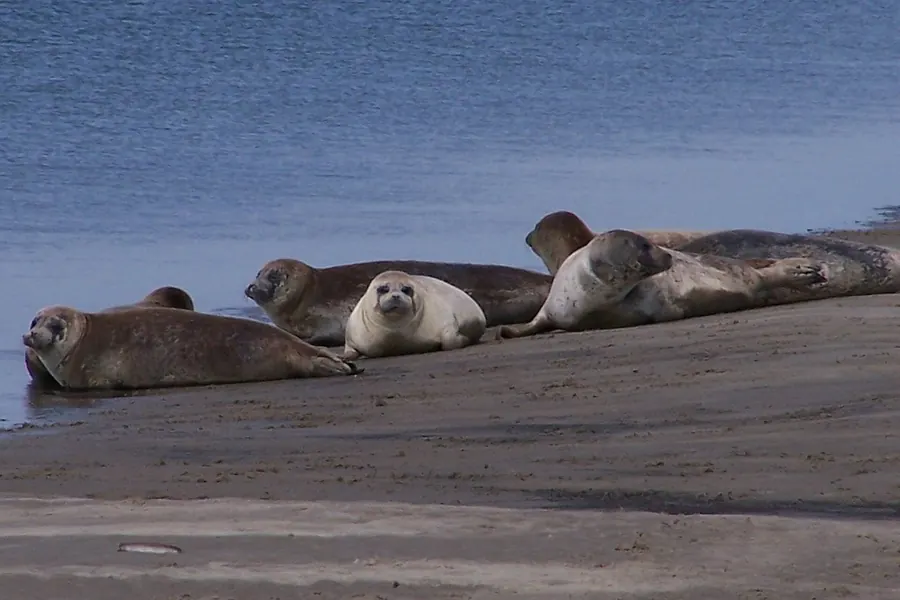
Seal — earless true seal profile
AI-generated educational wildlife portrait — World Animal Rescue Network
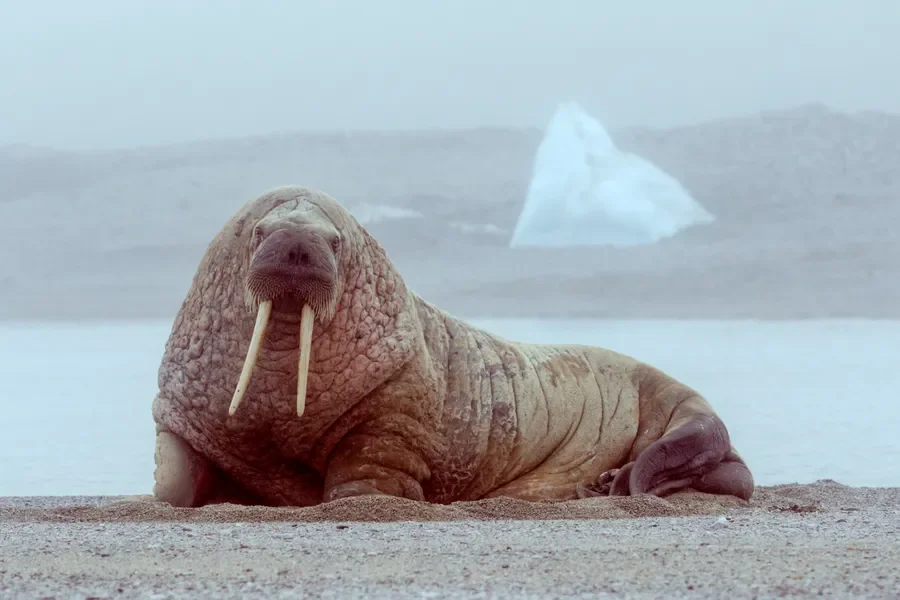
Walrus — tusks and bulk
AI-generated educational wildlife portrait — World Animal Rescue Network
Seal vs Walrus: At a Glance
| Feature | Seal | Walrus |
|---|---|---|
| Everyday scope | Several pinniped species | One species (two subspecies) |
| Tusks | Absent | Long upper canines in both sexes |
| Typical adult mass | Harbour seal often <150 kg | Males commonly 800–1,700 kg |
| Hind flippers on land | True seals cannot turn them under to walk | Can rotate flippers; better on land than true seals |
| External ear flap | True seals lack pinnae | No large pinnae; not a sea lion |
| Face | Dog-like or soft muzzle | Broad muzzle; dense whiskers |
| Diet focus | Fish, squid, crustaceans vary by species | Often benthic molluscs and invertebrates |
| Range | Worldwide coastal seas | Arctic and subarctic |
| Social haul-outs | Varies; some dense colonies | Often large mixed herds |
| Family | Phocidae (true seals) in careful use | Odobenidae |
Size and physical differences
Walruses are far heavier, with adult males commonly around 800–1,700 kg, while harbour seals are typically under 150 kg.
Seal versus walrus pits a broad common name against a distinctive specialist. Walruses (Odobenus rosmarus) are unmistakable adults once tusks show: long upper canines, thick body, and a face covered in sensitive vibrissae used while feeding on benthic invertebrates. Seal, in careful British usage, often means true seals in the family Phocidae — harbour seals, grey seals and relatives — though casual speech also sweeps in eared seals.
Size and face settle most sightings. A hauled-out walrus looks like a blunt-headed barrel with tusks; a harbour seal looks smaller, spotted or plain, and tuskless. Geography helps: walruses are Arctic and subarctic; many seal species range much more widely.
This comparison sticks to marks you can use without laboratory gear: size, shape, behaviour and the words people actually type into a search box. Scientific names are given where they prevent a regional mix-up. Where published measurements disagree, this page gives the range rather than a single tidy figure that implies more certainty than the sources support.
Tusks and bulk identify the walrus
Adult walruses carry elongated upper canine tusks used in social display, hauling onto ice, and occasionally fighting. Seals lack anything like that continuous tusk pair. Body mass reinforces the contrast: a big male walrus is a tonne-class animal, while the seals most people meet in temperate harbours are an order of magnitude lighter. Calves and distant views can still confuse beginners, so combine tusk presence with head shape and location. A tuskless young walrus still shows the broad muzzle and whisker array that grey seals do not match. Field observers should combine silhouette, behaviour and habitat before naming what they see. Where published measurements disagree, this page gives the range rather than a single tidy figure. Treat a single trait as supporting evidence rather than a complete identification.
What people mean by seal
Seal is an everyday word with fuzzy edges. Strictly, true seals are phocids that cannot bring their hind flippers forward under the body, so they hitch along on land. Sea lions and fur seals are otariids with external ear flaps and a more walk-like gait; many members of the public still call them seals. Walrus sits in its own family. When someone asks seal versus walrus, they usually mean a true seal they know from beaches against the tusked Arctic animal. Clarify which seal before arguing about ears or walking style. Field observers should combine silhouette, behaviour and habitat before naming what they see. Where published measurements disagree, this page gives the range rather than a single tidy figure. Treat a single trait as supporting evidence rather than a complete identification.
Movement on ice and shore
Walruses can rotate the hind flippers to walk more effectively than true seals, which is useful on ice floes and rocky haul-outs. True seals undulate and hump forward. Sea lions walk still more readily, which is another reason casual seal labelling causes arguments. In water all are capable swimmers, but foraging styles differ: walruses often root along the seafloor using whiskers and snout, while many seals pursue fish in midwater. Trackways on sand — belly drag versus flipper prints — can separate groups after the animals have left. Field observers should combine silhouette, behaviour and habitat before naming what they see. Where published measurements disagree, this page gives the range rather than a single tidy figure. Treat a single trait as supporting evidence rather than a complete identification.
Diet and whiskers
Walrus vibrissae are a sensory array for finding clams and other bottom prey in murky water. Many seals also have sensitive whiskers, but the walrus face looks exaggerated because the lifestyle depends on touch at the seabed. Shell middens and seafloor pits are ecological signatures of walrus feeding in some areas. Seals leave different prey signs depending on species — fish bones, bird remains, or cephalopod beaks. Diet is a supporting ecological difference rather than a beach identification key, yet it explains why tusks and whiskers evolved together in the walrus niche. Field observers should combine silhouette, behaviour and habitat before naming what they see. Where published measurements disagree, this page gives the range rather than a single tidy figure.
Why the comparison matters
Tour operators, Arctic communities and wildlife viewers need the right name because haul-out disturbance rules and population status differ. Walruses face sea-ice change in ways temperate harbour seals do not. Calling every pinniped a seal erases those distinctions in public debate. Accurate labels keep advice attached to the animal present. WARN publishes these comparisons so high-intent questions get a sourced answer instead of an unsourced listicle. Field observers should combine silhouette, behaviour and habitat before naming what they see. Where published measurements disagree, this page gives the range rather than a single tidy figure. Treat a single trait as supporting evidence rather than a complete identification. Local field guides remain the final check when similar species share a landscape. When evidence is thin, prefer a broader label over a false precise name.
Did you know?
Walrus whiskers are so sensitive that the animal can identify prey by touch along the seafloor even when visibility is near zero.
Seal vs Walrus: FAQs
Is a walrus a seal?
How do you tell a seal from a walrus?
Do female walruses have tusks?
Are sea lions seals?
Which is bigger?
Where do walruses live?
Help protect animals
Learning about animals can help more people understand their needs. WARN raises funds for eligible animal-welfare organisations. Read the relevant appeal’s purpose, recipient status and fund terms, or share this free guide to raise awareness.