Animal Comparison
Yak vs Bison
Yaks are high-altitude bovines of the Himalayan region; bison are stocky New World (and European) bovines. Shaggy skirts and humps differ by lineage.
By WARN Research & Conservation TeamLast updated
In brief — Yak vs Bison
High-Asia shaggy bovine means yak; plains or European heavy-shouldered bovine means bison.
Yaks are long-haired bovines adapted to high plateaus of High Asia, kept as domestic animals and persisting as wild forms in remote ranges. Bison are heavy-shouldered bovines of North American plains and European forests (depending on species). Both are cattle relatives with big heads and cold-tolerant coats, but continents, horn curves and shoulder humps differ.
See the difference
Images are shown at different scales. Read each caption for the species, source and context.
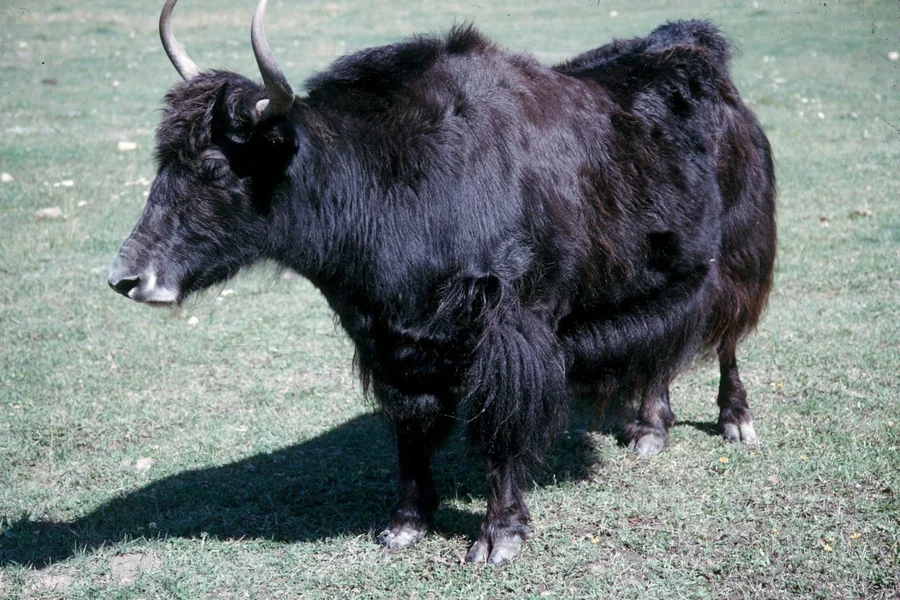
Yak — high-altitude bovine
AI-generated educational wildlife portrait — World Animal Rescue Network
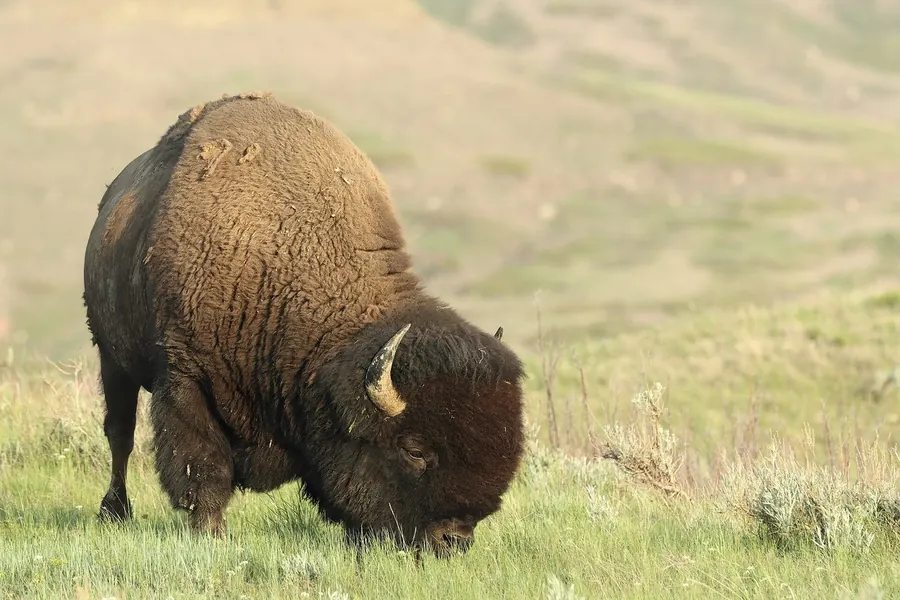
Bison — plains/forest bovine
AI-generated educational wildlife portrait — World Animal Rescue Network
Yak vs Bison: At a Glance
| Feature | Yak | Bison |
|---|---|---|
| Core geography | High Asia | North America / Europe (by species) |
| Coat | Very long skirt hair | Thick, shorter than yak skirts; woolly forequarter |
| Shoulder hump | Present but different profile | Pronounced muscular/fatty hump |
| Horns | Typically upswept curves | Shorter curves; species-specific |
| Domestication | Important domestic animal | Mostly wild/conservation herds; some ranching |
| Tail | Horselike long hair switch | Shorter tufted tail feel |
| Voice stereotype | Grunting associations | Bellows/snorts |
| Altitude life | Extreme high-elevation specialist | Plains to forest; not Himalayan |
| Genus everyday | Bos (yak) | Bison |
| Herd role | Transport, fibre, milk, meat historically | Keystone grazing ecology in NA |
Size and physical differences
Both are large bovids often exceeding several hundred kilograms in adults; wild yak and bison bulls are among the heaviest cattle relatives — use range and silhouette, not a single mass.
Yak versus bison compares two iconic cold-country bovines that tourists sometimes blur into “shaggy cow.” Yaks (Bos grunniens domestic; Bos mutus wild in careful usage) are tied to the Tibetan Plateau and neighbouring highlands, with long skirt-like hair and a lifestyle shaped by altitude. Bison include the American bison (Bison bison) and the European bison or wisent (Bison bonasus), with massive forequarters and a distinct shoulder hump.
Domestic cattle hybrid stories exist in human history, but field identification for most readers is about pure silhouettes and maps. A herd on a Wyoming grassland is bison territory in the cultural imagination; a caravan animal in a Himalayan village is yak territory.
This comparison sticks to marks you can use without laboratory gear: size, shape, behaviour and the words people actually type into a search box. Scientific names are given where they prevent a regional mix-up. Where a popular belief is wrong, the correction leads; where two animals are simply different, the decisive field mark leads. Ranges and masses are given as working bands from standard natural-history references, not as courtroom measurements for every individual.
Maps before fleece
If the landscape is Tibetan plateau or high Himalayan pasture, yak is the default bovine. If it is Great Plains or a European rewilding forest with wisent, bison is the default. Fleece length alone can trick cameras; location rarely lies for wild or village contexts. Use more than one mark before you decide — single-trait IDs fail on juveniles, regional forms and poor light. In practice, people meet these animals in brief glances. Slow down long enough to check the two or three marks in the table above before accepting the first common name that comes to mind. Mislabeling spreads through photos and social posts faster than corrections do, which is why a short, checkable comparison page earns its keep. When experts disagree on subspecies or English names, the underlying biology — diet, body plan, reproductive cycle — remains the stable part of the answer.
Hump and head furniture
Bison advertise a tall shoulder hump and a massive head with a dense forelock. Yaks show long ventral skirts and a different horn and head profile, often reading longer-bodied under the hair. Winter coats exaggerate everything; wait for a side view. Geography matters: the same English names attach to different species on different continents, and range often settles an argument faster than colour. In practice, people meet these animals in brief glances. Slow down long enough to check the two or three marks in the table above before accepting the first common name that comes to mind. Mislabeling spreads through photos and social posts faster than corrections do, which is why a short, checkable comparison page earns its keep. When experts disagree on subspecies or English names, the underlying biology — diet, body plan, reproductive cycle — remains the stable part of the answer.
People and domestication
Yaks are deeply woven into highland pastoral economies for fibre, milk, meat and transport. American bison were nearly destroyed historically and now exist in conservation and ranching contexts that differ from yak pastoralism. Those human stories are not interchangeable. Behaviour at the moment of observation — feeding, escape, nesting — is evidence, not a personality story about the whole species. In practice, people meet these animals in brief glances. Slow down long enough to check the two or three marks in the table above before accepting the first common name that comes to mind. Mislabeling spreads through photos and social posts faster than corrections do, which is why a short, checkable comparison page earns its keep. When experts disagree on subspecies or English names, the underlying biology — diet, body plan, reproductive cycle — remains the stable part of the answer.
European bison confusion
Wisent are bison, not yaks, despite also being cold-tolerant and rare. Another reminder that “shaggy wild cattle” is not a species. Check continent and hump. Conservation status is assessed taxon by taxon; a group label like 'wasp' or 'antelope' is not an IUCN status. In practice, people meet these animals in brief glances. Slow down long enough to check the two or three marks in the table above before accepting the first common name that comes to mind. Mislabeling spreads through photos and social posts faster than corrections do, which is why a short, checkable comparison page earns its keep. When experts disagree on subspecies or English names, the underlying biology — diet, body plan, reproductive cycle — remains the stable part of the answer.
Hybrids and market names
Human-managed hybrids between cattle lineages exist in some places and complicate meat labelling. For a wildlife comparison page, stick to the parental silhouettes and honest geography rather than menu trivia. If you are managing conflict with people or pets, identify first, then choose a proportionate response; misidentification wastes effort and can harm the wrong animal. In practice, people meet these animals in brief glances. Slow down long enough to check the two or three marks in the table above before accepting the first common name that comes to mind. Mislabeling spreads through photos and social posts faster than corrections do, which is why a short, checkable comparison page earns its keep. When experts disagree on subspecies or English names, the underlying biology — diet, body plan, reproductive cycle — remains the stable part of the answer.
Did you know?
A yak’s skirt hair can hide how much bovine is underneath — the map of High Asia still does clearer work than the fleece alone.
Yak vs Bison: FAQs
What is the difference between a yak and a bison?
Do yaks live in North America as natives?
Is a wisent a yak?
Which is bigger?
Why are yaks so hairy?
Are they both cattle?
Help protect animals
Learning about animals can help more people understand their needs. WARN raises funds for eligible animal-welfare organisations. Read the relevant appeal’s purpose, recipient status and fund terms, or share this free guide to raise awareness.