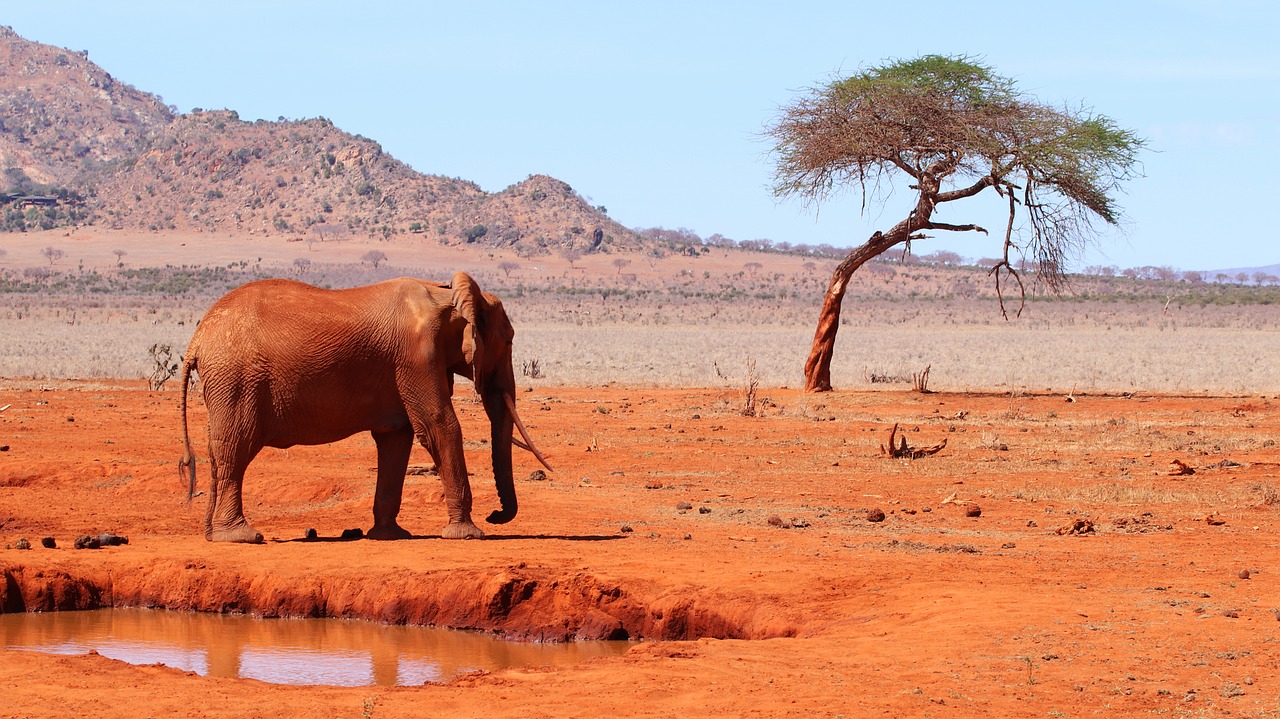
The image most people associate with elephant poaching is an ivory carcass. The reality across much of East Africa is different — and quieter. The most consistent threat to elephants in Kenya's Tsavo ecosystem is wire snaring, set not for elephants but for bushmeat species like impala and buffalo.
The problem
- The Tsavo ecosystem protects around 13,000 elephants — Kenya's largest single elephant population.
- Roughly 2,000 snares are removed from Tsavo each year by ranger patrols, with many more never found.
- Elephants caught in snares typically survive the initial capture and walk on — the wire cuts deeper over weeks until infection sets in.
- Snare wounds are treatable if found early. Field surgery in the wild has a survival rate above 80% with rapid veterinary response.
How rescue works
Snare wounds on elephants are easiest to spot from the air — a limp visible at distance, a younger animal lagging behind the herd. Aerial surveys give ground teams the location, and the elephant's life then depends on how fast that report becomes a darting operation and a wound debridement in the field.
What WARN is preparing to do
Our Kenya programme is designed to fund a mobile field-surgery unit, aerial patrol hours over Tsavo, thermal-imaging drones for ranger services, and a separate sea-turtle triage capacity on the Mombasa coast. None of this is possible without supporter funding.
We need your support to make this happen
World Animal Rescue Network is at the launch stage of this work. We do not yet have rescue numbers to share — and that is exactly why your support matters now. Every donation helps us put trained teams on the ground, secure veterinary supplies and equipment, and reach the first animals before they are lost.
Donate today to fund our first deployments, or sponsor an animal to back a specific species through rehabilitation. You can also join the network as a volunteer, fundraiser, or monthly supporter.