Guide 1
Why Donkeys Suffer in Pakistan
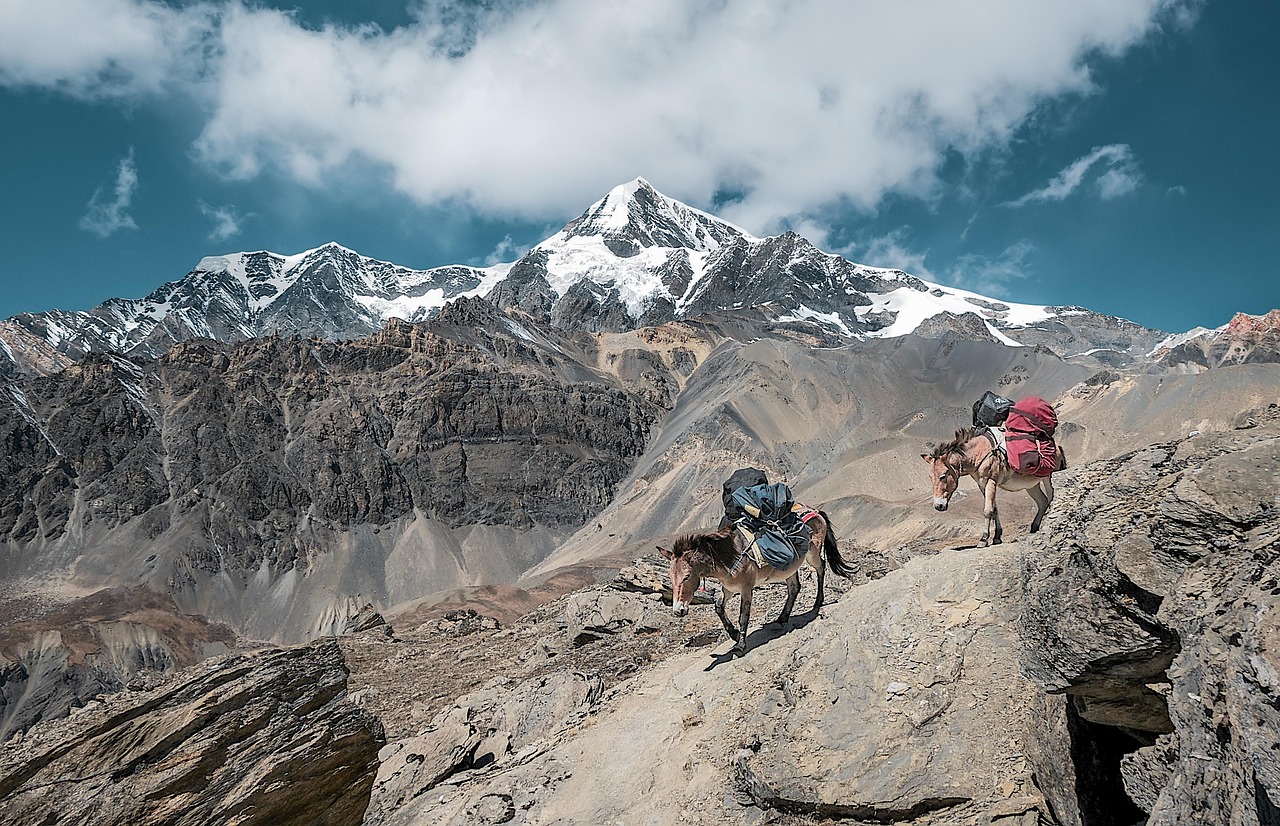
Working donkeys in Pakistan are used in brick kilns, markets, water transport and construction settings. Many owners have little money and no nearby veterinary access. This does not excuse cruelty, but it explains why preventable problems become severe: harness wounds, infected cuts, lameness, dehydration and exhaustion.
Guide 2
What Practical Rescue Looks Like
For working donkeys, rescue usually means bringing veterinary help to the animal rather than taking the animal away. Mobile clinics can treat wounds, trim hooves, rasp teeth, give pain relief, deworm animals and teach owners how to prevent repeat injuries.
Guide 3
Why This Helps Families Too
A healthier donkey can work with less pain and less risk of collapse. When welfare support is delivered respectfully, owners are more likely to accept better harnessing, rest, water and veterinary advice.
Guide 4
Brick Kiln and Industrial Donkey Abuse
Working donkeys in Pakistan's brick kilns and industrial zones haul heavy loads in extreme heat with inadequate water, rest or hoof care. Wounds from ill-fitting harnesses, lameness and colic from poor nutrition are routine — mobile veterinary clinics are the primary response WARN aims to raise support for.
Guide 5
What a Mobile Clinic Visit Delivers
A single clinic day can treat dozens of donkeys: wound dressing, hoof trimming, dental checks, deworming and humane harness education for owners. Amounts are voluntary contributions; no verified unit cost or fixed care outcome is promised.