Colombia · Illegal bird trade

Parrot Trafficking in Colombia

Why parrots and macaws are trafficked in Colombia, how rescue and soft release works, and how WARN supports partner-led triage and rehabilitation.

By WARN Research & Conservation TeamLast updated

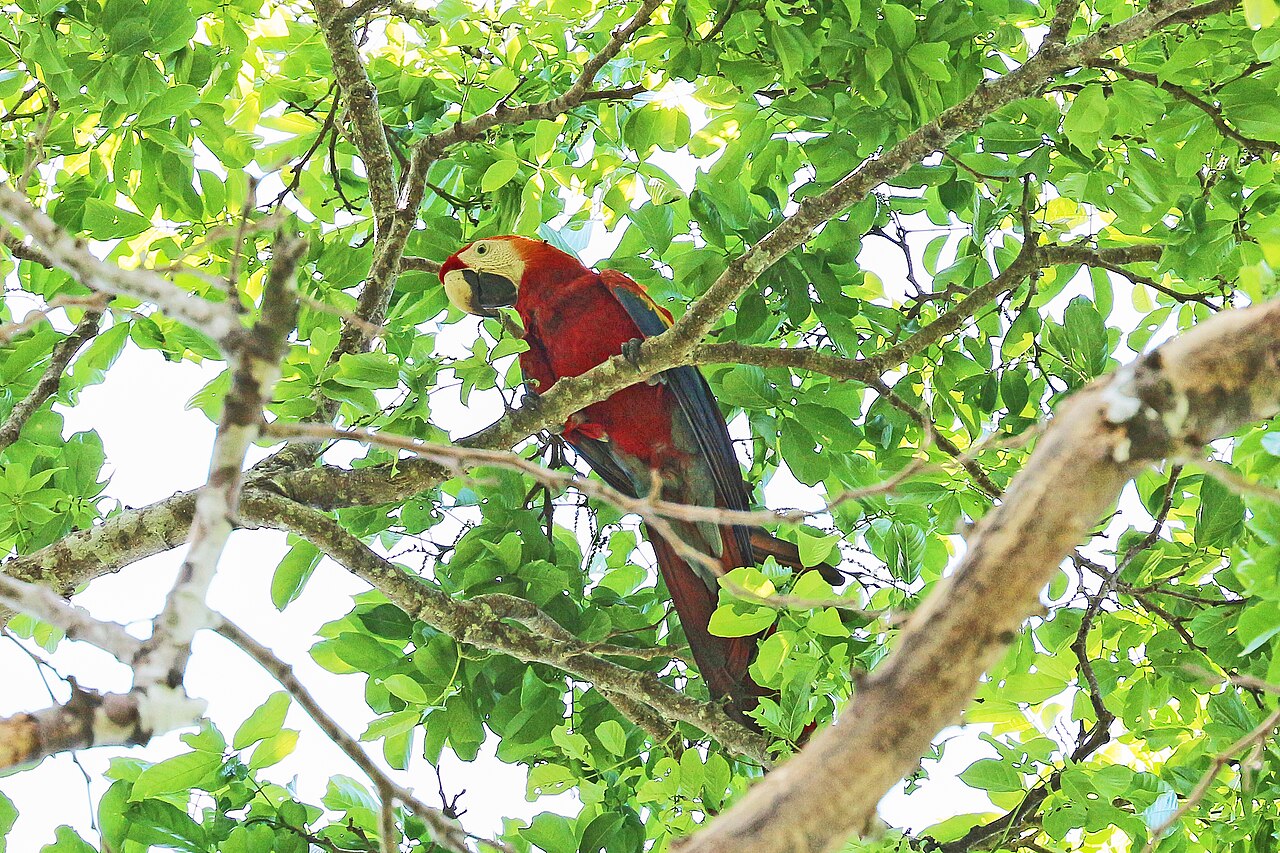
A scarlet macaw perched among leafy branches in Corcovado National Park, Costa Rica.

In brief

Parrot trafficking in Colombia targets chicks and adult birds for the illegal pet trade; rescue depends on fast triage, quarantine, flight rehabilitation and carefully managed soft release.

75,000+
Parrots trafficked annually
26%
Parrot species threatened
3
WARN parrot programme countries
CITES
International trade controls

Guide 1

How Parrot Trafficking Works

Parrots and macaws are taken from nests, forest edges and local markets before being moved through middlemen to urban buyers or export routes. Chicks are often removed before they can fly. Transport conditions are crowded, dark and dehydrating, which means many birds die before a buyer ever sees them.

Guide 2

What Rescue Centres Need

Rescued parrots need immediate fluids, warmth, quarantine and veterinary checks. Birds that can still fly and have not become deeply imprinted may move into flight aviaries and social groups before soft release. Birds with clipped wings, old injuries or long-term captivity often need lifetime sanctuary care.

Guide 3

Why Colombia Is a Priority

Colombia is one of the world's most biodiverse countries and a source country for parrots, macaws and other trafficked wildlife. A strong rescue response in Colombia can help birds before they leave the region and before trauma becomes irreversible.

Guide 4

UK Donor Route for Colombian Parrot Rescue

UK supporters can fund parrot rescue through parrot appeal or symbolic macaw adoption at adopt a macaw from £5/month. WARN directs grants to Colombian partners for emergency intake, flight aviaries and soft-release monitoring — the highest-impact response before birds leave the region.

Guide 5

Why Chicks Die Before Buyers See Them

Nest poachers remove chicks before they can fly. Transport uses crowded, dark crates with no water — stress and dehydration kill most birds in transit. Rescue that intercepts birds early, before wing clipping and imprinting, dramatically improves release chances.

Source Notes

WARN uses named intergovernmental, conservation and animal-welfare sources for numeric claims. These notes summarise the source basis for this page.

CITES

Parrots and macaws are covered by international wildlife trade controls.

IUCN Red List

Multiple parrot and macaw species are threatened by trade and habitat loss.

TRAFFIC

Wildlife trade monitoring repeatedly identifies parrots as heavily trafficked birds.

Parrot Trafficking in Colombia: Frequently Asked Questions

Can trafficked parrots be released?
Some can, especially birds rescued young with intact flight feathers and natural behaviour. Birds held for years as pets or with serious injuries may need lifetime sanctuary care.
Why do parrots die in the illegal trade?
Stress, dehydration, crowding, disease and rough transport kill many birds before they reach buyers. Chicks are especially vulnerable because they are taken before they can feed or fly independently.
What is soft release?
Soft release is a gradual return to protected habitat. Birds first learn to fly, forage and socialise in aviaries, then are released with feeding support and monitoring.
Can I donate to parrot rescue from the UK?
Yes. Donate to parrot appeal or adopt a macaw symbolically. Gifts are intended to support partner-led triage, quarantine and soft release in Colombia, Brazil and Indonesia.
How many parrots are trafficked annually?
Wildlife trade monitoring suggests more than 75,000 parrots are trafficked each year globally, with Colombia among the highest source countries.
Does WARN run aviaries in Colombia?
No. WARN is developing grant support. Check the relevant appeal and /about/where-your-money-goes/#grant-register for recipient selection, agreements and published payments.
What is the difference between hard and soft release?
Hard release returns birds immediately to habitat. Soft release uses aviaries, supplementary feeding and monitoring so birds rebuild flight strength and foraging behaviour first.
How can I check whether WARN has paid a grant?
Read /about/where-your-money-goes/#grant-register for published recipient, approval and payment records. A reconciled financial summary and individual grant records have not yet been published here. This is a reporting status, not a statement that income, expenditure or grants are zero. Contact WARN for information about your gift.

Help Fund Frontline Rescue

World Animal Rescue Network CIC (Company no. 17298990) raises funds for established local partners. Your support helps build the rescue capacity these animals need.

Support the Parrot Appeal