Slow loris · Pet trade injury

Rescued Slow Loris Teeth Removed

Why traffickers remove slow loris teeth, what it means for rescue, and when a rescued slow loris can or cannot return to the wild.

By WARN Research & Conservation TeamLast updated

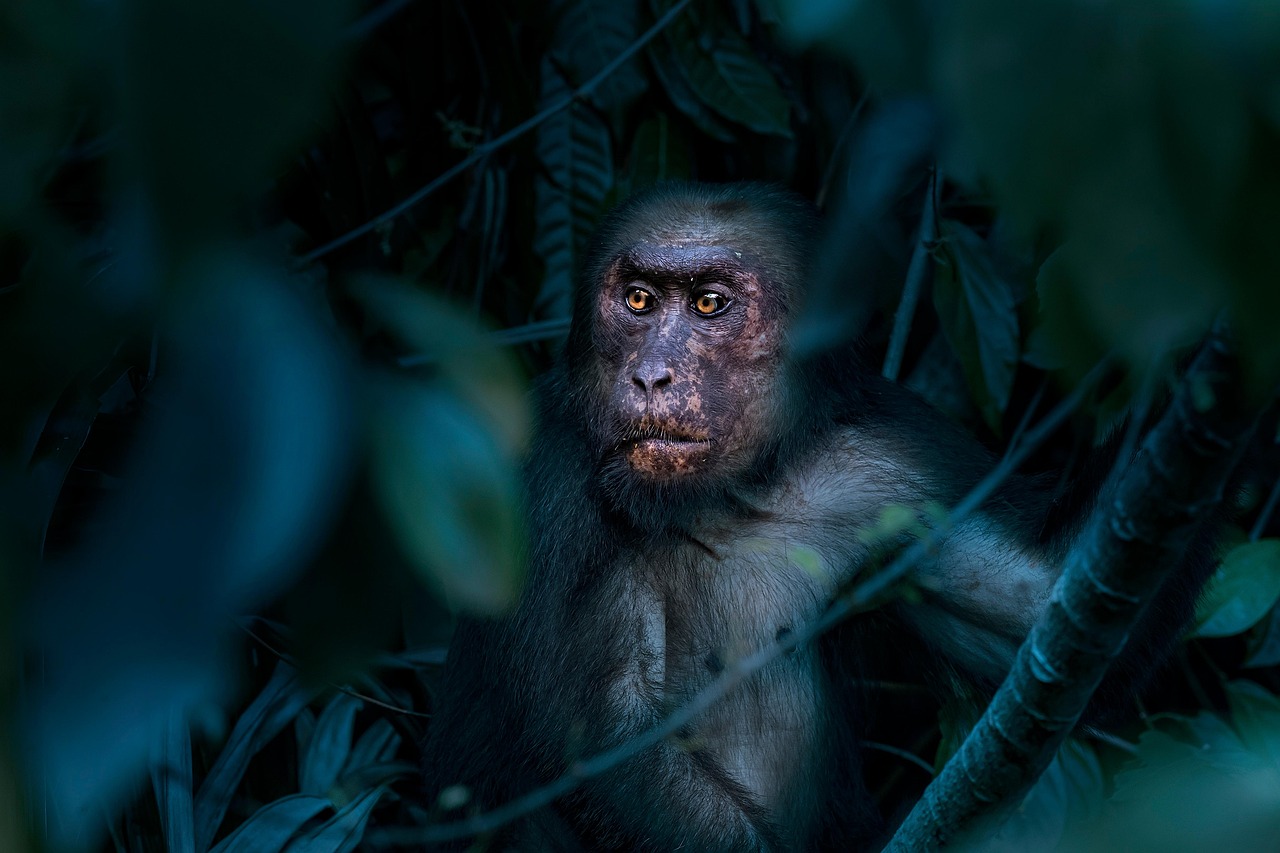
A rescued slow loris receiving specialist nocturnal rehabilitation care

In brief

Slow loris teeth are often cut or pulled by traders to prevent biting; rescued lorises with dental damage need urgent veterinary care and may be unable to return to the wild.

Teeth
Common mutilation
Venom
Reason traders fear bites
Night
Nocturnal care need
CITES I
Trade ban

Guide 1

Why Traders Remove Teeth

Slow lorises are venomous primates. Traders often cut or pull their teeth so the animals cannot bite buyers. The process is painful, usually unsanitary and can cause infection, starvation, chronic pain and death.

Guide 2

What Dental Damage Means for Rescue

A slow loris with damaged teeth may struggle to feed naturally, defend itself or process gum and insects. Rescue teams need specialist dental assessment, pain control, infection treatment and long-term monitoring.

Can These Lorises Be Released?

Release depends on the severity of dental damage, behaviour, health and ability to forage. Some animals can recover enough for soft release; others need lifetime sanctuary care in nocturnal, species-appropriate enclosures.

Guide 4

Why Traffickers Cut Teeth

Slow lorises are the only venomous primates. Pet traders clip or pull teeth with pliers — often without anaesthetic — so buyers are not bitten. The procedure causes infection, inability to feed and often death.

Guide 5

Release Outcomes After Dental Mutilation

Lorises with removed teeth cannot gouge tree gum — a staple food. Many face lifetime sanctuary care. Early seizure before mutilation dramatically improves release prospects — another reason trafficking interdiction funding matters.

Source Notes

WARN uses named intergovernmental, conservation and animal-welfare sources for numeric claims. These notes summarise the source basis for this page.

CITES

Slow lorises are protected from commercial international trade.

IUCN Red List

Slow loris species are threatened by illegal trade and habitat loss.

Wildlife trade research

Dental mutilation is documented in slow lorises sold through the exotic pet trade.

Rescued Slow Loris Teeth Removed: Frequently Asked Questions

Why do slow loris traders remove teeth?
They remove or cut teeth to reduce the risk of venomous bites, making the animal easier to sell as a pet.
Can a slow loris live without teeth?
Some survive with specialist care, but dental damage can make natural feeding and wild survival impossible.
Is a slow loris raising its arms cute?
No. That behaviour is commonly linked to stress and defence, not enjoyment.
Can slow lorises survive without teeth?
Some survive in sanctuary with modified diets, but wild release is usually impossible. Infection from crude extraction kills many.
Is dental mutilation legal?
No — it is cruel and illegal in most jurisdictions, yet persists in the exotic pet supply chain driven by social media demand.
How can UK donors help?
Donate to slow loris appeal for partner-led rescue, dental assessment and specialist rehabilitation in Indonesia and Thailand.
Why do people buy slow lorises as pets?
Social-media videos misrepresent them as cute, slow and harmless — hiding nocturnal needs, venom, dietary requirements and the cruelty behind teeth removal.
How can I check whether WARN has paid a grant?
Read /about/where-your-money-goes/#grant-register for published recipient, approval and payment records. A reconciled financial summary and individual grant records have not yet been published here. This is a reporting status, not a statement that income, expenditure or grants are zero. Contact WARN for information about your gift.

Help Fund Frontline Rescue

World Animal Rescue Network CIC (Company no. 17298990) raises funds for established local partners. Your support helps build the rescue capacity these animals need.

Support Slow Loris Rescue