Southeast Asia
Animal rescue in Thailand
Thailand’s forests, wetlands and coasts create varied wildlife and animal welfare contexts. Responsible support starts with the animal’s needs, the location and qualified local…
By WARN Research & Conservation TeamLast updated
Find urgent animal help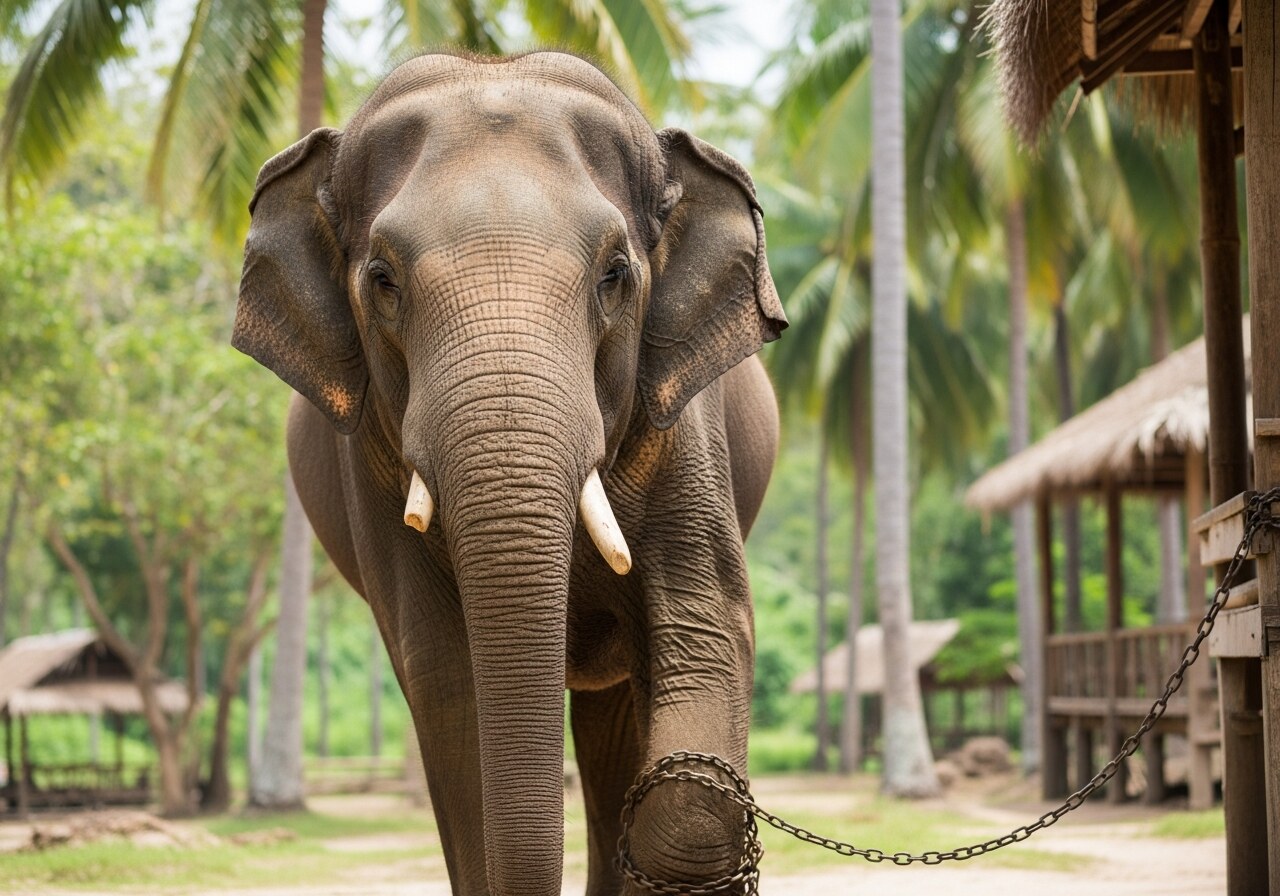
Illustrative image. The location, date and any connection to a WARN-funded activity have not been verified.
In brief
Thailand’s forests, wetlands and coasts create varied wildlife and animal welfare contexts. Responsible support starts with the animal’s needs, the location and qualified local advice.
Key Facts About Thailand
- Habitat loss is an important context for animal welfare and conservation.
- The related appeals explain proposed purposes and their geographic scope.
- Published grant records are separate from country and species information.
Protection across different habitats
Thailand’s CBD profile discusses pressures including forest clearance, hunting, pollution and disturbance around coastal areas. It provides background rather than a current emergency assessment. Conservation responses need to fit the ecosystem and the people who depend on it.
Choosing animal experiences responsibly
When planning a visit, ask how animals are cared for, whether activities interfere with their welfare and how the organisation explains its role. A sanctuary name or an attractive photograph does not establish ethical standards, a rescue history or a connection with WARN.
How to assess a relevant appeal
Start with the stated purpose, its geographic scope and the current recipient status. Then look for a costed proposal, authority to do the work, an animal welfare approach and a reporting plan. Proposed support, an approved award and a completed payment are different stages. Country and species guides explain context; grant records establish what WARN has committed or paid.
Threats to Wildlife in Thailand
Habitat loss
Hunting and collection
Pollution
Disturbance of coastal and wetland habitats
WARN’s role and funding status
WARN raises awareness and seeks funds for assessed animal welfare needs. Before an award, proposed recipients, activities, permissions, costs and reporting need review. This country guide is not a list of funded operations; check the public grant register for published decisions and payments.
Key Species in Thailand
Thailand FAQ
What animal welfare issues does this Thailand guide cover?
Does this page confirm WARN has funded work in Thailand?
Can I restrict a gift to Thailand?
How do I find urgent animal help in Thailand?
Can I help by sharing this information?
Rescue Guides for Thailand
Explore animal welfare and conservation topics connected to Thailand. These explain needs and possible responses, rather than confirming funded WARN operations.
Southeast Asia · Exotic pet trade
Slow Loris Pet Trade Rescue
Slow loris pet trade rescue is difficult because trafficked lorises often arrive with clipped teeth, stress injuries and specialist dietary needs after being taken from the wild for viral exotic pet demand.
Thailand · Wildlife tourism welfare
Ethical Wildlife Tourism in Thailand
Ethical wildlife tourism in Thailand means choosing genuine non-contact sanctuaries and avoiding riding, bathing, selfies, performances, cub handling and any venue that breeds or trades animals for visitors.
Slow loris · Pet trade injury
Rescued Slow Loris Teeth Removed
Slow loris teeth are often cut or pulled by traders to prevent biting; rescued lorises with dental damage need urgent veterinary care and may be unable to return to the wild.
Related animal welfare appeals
Explore a related cause and read its stated purpose, geographic scope and recipient status before donating. A link from this guide does not create a fund restricted to Thailand.
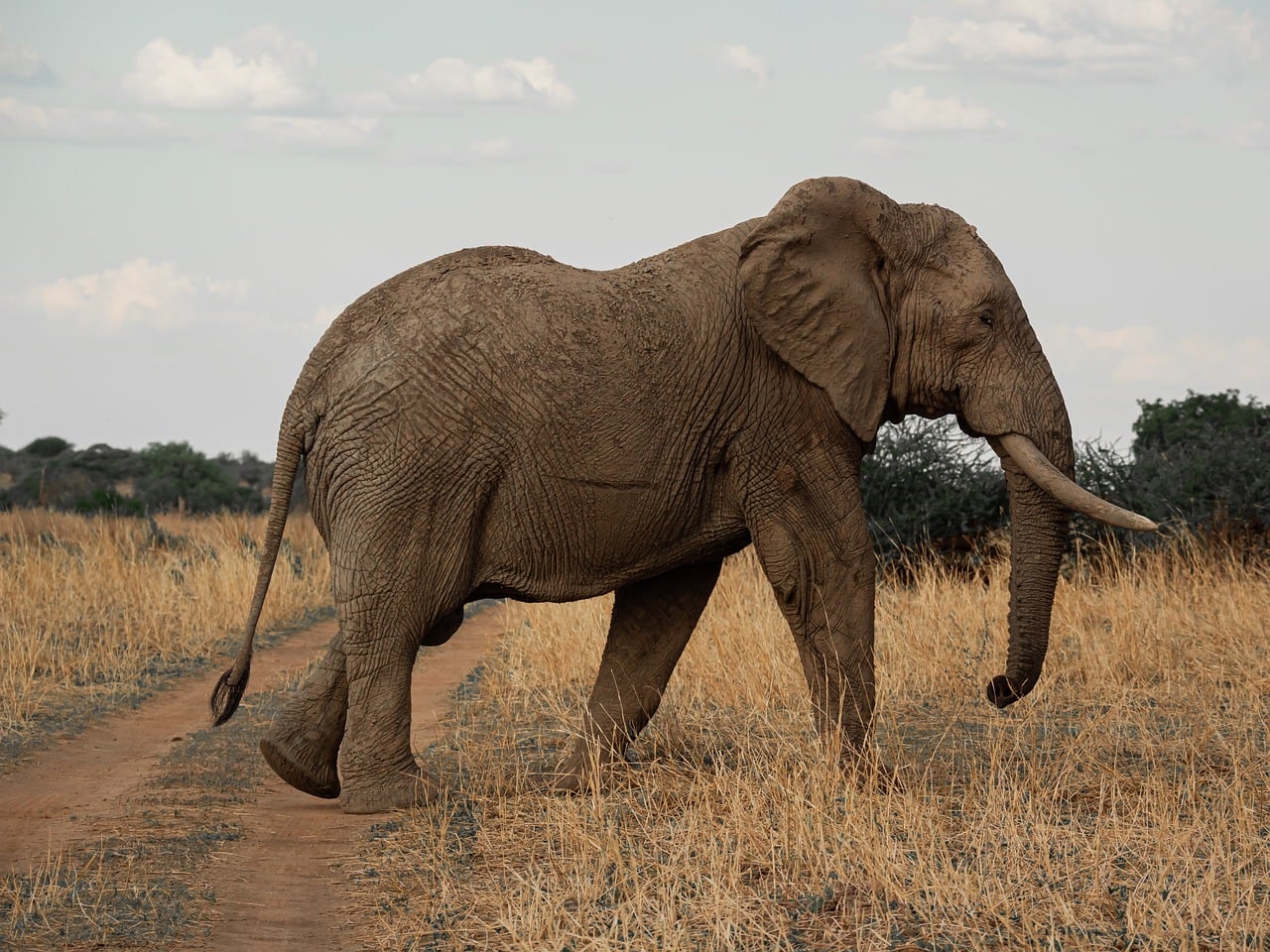
Elephant welfare · Indonesia and Malaysia
Elephant Rescue & Protection
Explore elephant veterinary care, snare prevention and humane coexistence in Indonesia and Malaysia, with clear proposed purposes and funding records.
Support this appeal
Wild tiger conservation
Help Wild Tigers
Tigers need safe habitat and protection from illegal killing and conflict. Explore proposed conservation support and dated evidence before giving.
Support this appeal
Slow loris welfare and conservation
Help Slow Lorises
Explore the specialist needs of slow lorises affected by trafficking and habitat loss, from dental treatment to rehabilitation and safer habitat.
Support this appealSources and how to use this guide
The CBD country profile provides background on biodiversity and habitat pressures. Its figures and policy sections include historical information, and some profiles are marked draft; it is not a live emergency feed. Follow dated original sources in the related appeals for incident information, and the linked species guides for assessment context.
Sources reviewed 8 September 2026. Country coverage does not establish a partnership with the organisations cited.
Help the Animals of Thailand
Choose a relevant appeal, share reliable information or find local animal help. The general donation page offers unrestricted support and available appeal choices; it does not automatically restrict a gift to this country.
Donate Now