Southeast Asia · Exotic pet trade

Slow Loris Pet Trade Rescue

Why slow lorises should never be pets, how viral videos fuel trafficking, and what rescue centres need to rehabilitate them.

By WARN Research & Conservation TeamLast updated

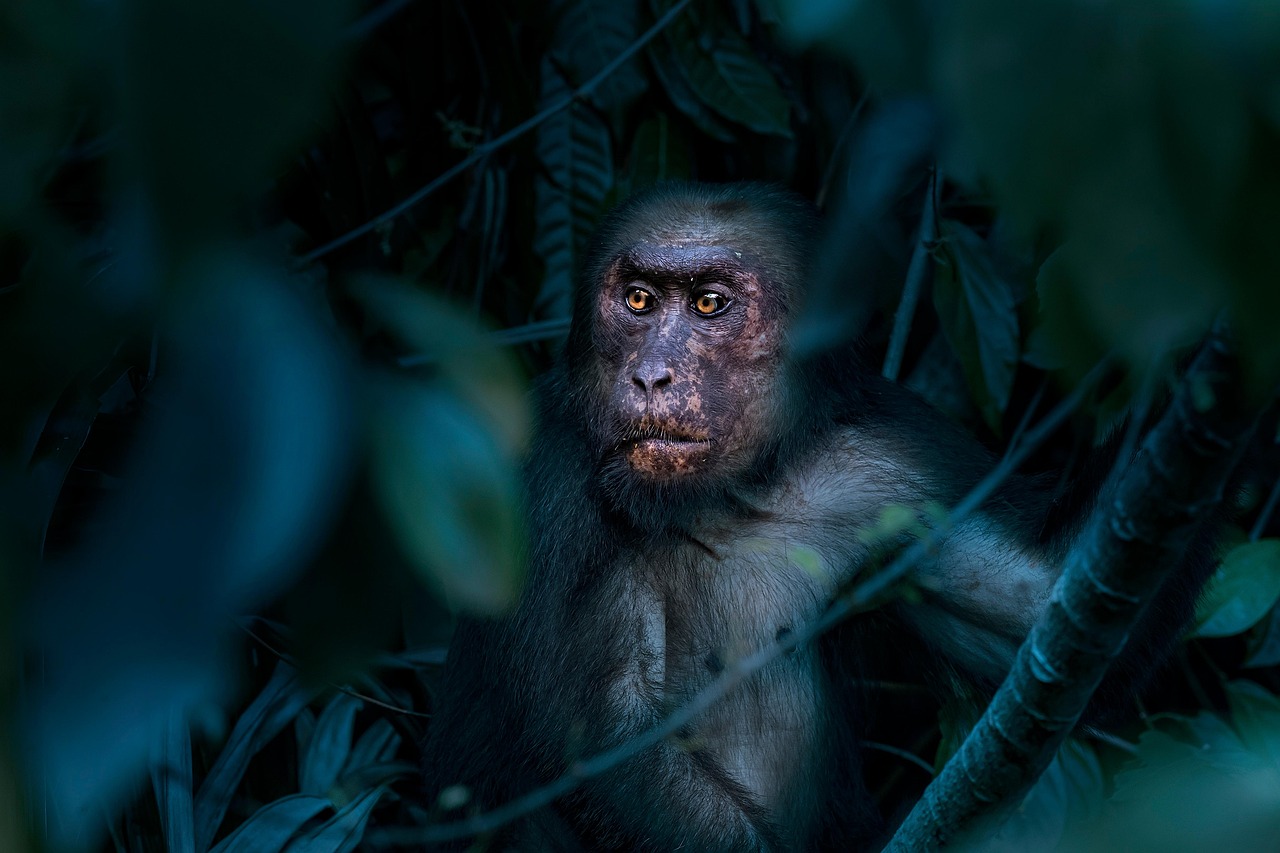
A rescued slow loris in a nocturnal rehabilitation enclosure

In brief

Slow loris pet trade rescue is difficult because trafficked lorises often arrive with clipped teeth, stress injuries and specialist dietary needs after being taken from the wild for viral exotic pet demand.

8
Slow loris species
CITES I
International trade ban
Night
Nocturnal specialist

Guide 1

Why Slow Lorises Are Trafficked

Slow lorises became famous through viral videos that present frightened nocturnal animals as cute pets. Demand encourages poachers to take them from forests and traders to remove or clip their teeth so they cannot bite.

Guide 2

Why Rescue Is Specialist

A rescued slow loris may have dental mutilation, infection, malnutrition, stress behaviours and poor muscle condition. Rehabilitation requires quiet nocturnal housing, natural gum and insect diets, veterinary dental care and careful release assessment.

Guide 3

What Makes Release Possible

Release is most likely when the loris still has enough dental function, behaves naturally, avoids humans and can forage. Animals who have lost teeth or spent long periods as pets may need lifelong sanctuary care.

Guide 4

Why Slow Lorises Cannot Be Pets

Slow lorises are nocturnal, venomous primates with specialised diets. Social-media "cute pet" videos drive demand. Traffickers clip teeth without anaesthetic so buyers are not bitten — a mutilation that often kills the animal or prevents release.

Guide 5

Specialist Nocturnal Rehabilitation

Rescued slow lorises need quiet, dark enclosures, gum and insect diets, and months of stress recovery before any release assessment. WARN's slow-loris appeal at slow loris appeal funds partner grants for this specialist capacity in Indonesia and Thailand.

Source Notes

WARN uses named intergovernmental, conservation and animal-welfare sources for numeric claims. These notes summarise the source basis for this page.

CITES

Slow lorises are protected from commercial international trade.

IUCN Red List

Slow loris species face severe pressure from trade and habitat loss.

Wildlife trade research

Online exotic pet content is documented as a driver of demand for slow lorises.

Slow Loris Pet Trade Rescue: Frequently Asked Questions

Can you keep a slow loris as a pet?
No. Slow lorises are wild, nocturnal, protected animals. International commercial trade is prohibited and pet keeping causes severe welfare harm.
Why do slow lorises raise their arms in videos?
That posture is widely understood as a defensive response, not enjoyment. The animal is stressed and preparing to access its venom gland.
Can rescued slow lorises go back to the wild?
Some can after specialist rehabilitation. Animals with severe dental damage or long captivity may not be releasable.
Can a slow loris with clipped teeth be released?
Often no. Dental mutilation causes infection, inability to gouge gum and permanent disability. Many mutilated lorises need lifetime sanctuary care.
Why are slow lorises venomous?
They combine brachial gland secretions with saliva. This is one reason the pet trade is dangerous — and why teeth are illegally removed.
Can I donate to slow loris rescue from the UK?
Yes — donate to slow loris appeal. WARN aims to raise support for partner-led nocturnal rehabilitation, not WARN-run facilities.
Where does slow loris trafficking happen?
Indonesia, Thailand and social-media export routes are major concern areas. WARN aims to raise support for partner work in Indonesia and Thailand.
How can I check whether WARN has paid a grant?
Read /about/where-your-money-goes/#grant-register for published recipient, approval and payment records. A reconciled financial summary and individual grant records have not yet been published here. This is a reporting status, not a statement that income, expenditure or grants are zero. Contact WARN for information about your gift.

Help Fund Frontline Rescue

World Animal Rescue Network CIC (Company no. 17298990) raises funds for established local partners. Your support helps build the rescue capacity these animals need.

Support the Slow Loris Appeal