Wildlife Guide · Indonesia & Malaysia
Slow Loris
Nycticebus spp. (and Xanthonycticebus pygmaeus, the pygmy slow loris, since 2022)
Viral pet videos are fuelling the extinction of the world's only venomous primate.
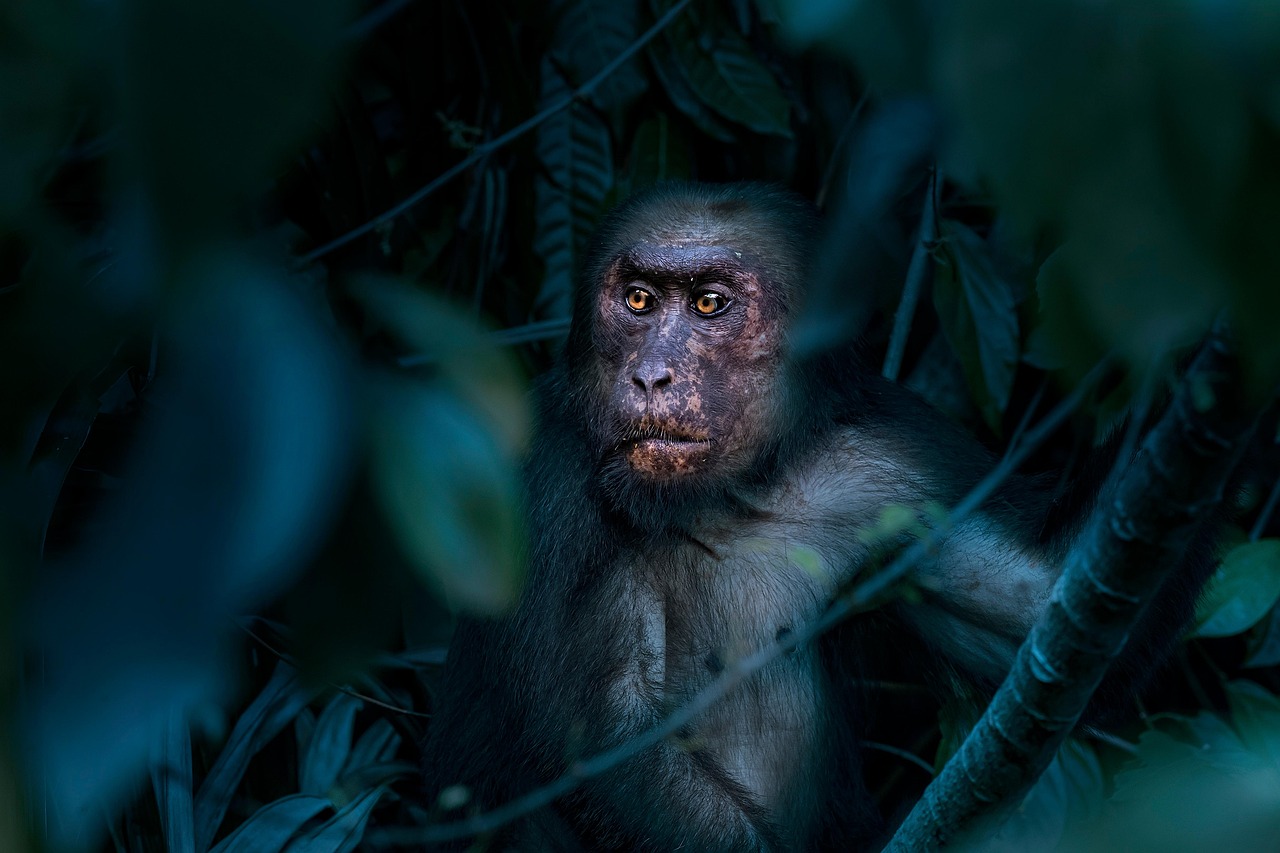
Source: Wikimedia Commons — “Nycticebus coucang, Sunda slow loris - Kaeng Krachan National Park (25704660113)” by Rushen, CC BY-SA 2.0
In brief
Slow lorises are small nocturnal primates from South and Southeast Asia; every species is threatened with extinction — ranging from Vulnerable to Critically Endangered — largely because of the illegal pet trade, which is fuelled in part by viral social media videos.
Also in Animals A to Z · Animals that start with S
By WARN Research & Conservation TeamLast updated
Slow lorises are small, nocturnal primates native to the tropical forests of South and Southeast Asia. They are the only known venomous primates — venom is produced by a gland near the elbow and activated when mixed with saliva. They are also among the most heavily trafficked primates in the world, driven by demand for exotic pets fuelled by viral social media videos. Every slow loris species is threatened with extinction, ranging from Vulnerable to Critically Endangered, and all assessed populations are declining.
9
Species — all threatened, Vulnerable to Critically Endangered
Appendix I
CITES listing — all commercial trade banned since 2007
Pliers
Teeth routinely cut or pulled without anaesthetic before sale
Decreasing
Population trend for every assessed species
Figures sourced from IUCN Red List — Javan slow loris (Nycticebus javanicus), IUCN Red List — search slow loris assessments, CITES — Appendices (Nycticebus listed Appendix I) and other references on this page.
Slow Loris: Quick Facts
| Lifespan | Up to ~20 years in human care (pygmy slow loris averages ~17 years); wild lifespan poorly documented |
|---|---|
| Weight | ~265 g (Bornean) to ~2,100 g (Bengal); pygmy slow loris ~120–500 g |
| Head-body length | ~18–38 cm across species (pygmy ~15–25 cm) |
| Diet | Omnivore/exudativore — tree gum and sap, nectar, fruit, insects and small vertebrates |
| Gestation | ~185–197 days (about 6 months) |
| Young per birth | Usually 1; twins common in the pygmy slow loris |
| Sexual maturity | Females ~9 months; males ~18–20 months (pygmy slow loris) |
| Activity | Nocturnal and arboreal; slow, deliberate quadrupedal climbing (no leaping) |
| Distinction | Only venomous primates; brachial-gland secretion activated with saliva |
| CITES | Appendix I (all species, since 2007) |
Scientific Classification
| Kingdom | Animalia |
|---|---|
| Phylum | Chordata |
| Class | Mammalia |
| Order | Primates |
| Family | Lorisidae |
| Genera | Nycticebus; Xanthonycticebus (pygmy slow loris, since Nekaris & Nijman, 2022) |
| Species | ~9 slow loris species total (8 Nycticebus + Xanthonycticebus pygmaeus) |
Conservation Status
- IUCN Status
- Varies: Vulnerable to Critically Endangered (per species)
- Population
- No reliable combined global estimate; species assessed individually and surveyed at low densities
- Trend
- Decreasing for all assessed species
- Assessed
- Per species (e.g. Javan slow loris assessed Critically Endangered, listed since 2013)
- CITES
- Appendix I (all slow lorises, uplisted from Appendix II in 2007)
Only the Javan and Bangka slow lorises are Critically Endangered; others are Endangered (Bengal, Sunda, Sumatran) or Vulnerable (Bornean, Kayan, Philippine).
Did you know?
Slow lorises are the only venomous primates on Earth: they draw a secretion from a gland near the elbow, mix it with saliva, and can deliver a bite toxic enough to cause anaphylactic shock in humans — and mothers even coat their infants in it to ward off predators.
Key Facts: Slow Loris
- Every slow loris species is threatened with extinction and declining: the Javan and Bangka slow lorises are Critically Endangered, the Bengal, Sunda and Sumatran are Endangered, and the Bornean, Kayan and Philippine are Vulnerable.
- Before being sold as pets, slow lorises routinely have their teeth cut or pulled out with pliers or clippers — without anaesthetic — to prevent their venomous bite.
- Pet-trade mortality is severe across capture, transport and captivity; tooth removal causes infection and stress that many animals do not survive.
- The sight of a "ticklish" slow loris raising its arms in viral videos is actually a fear response — the animal is lifting its arms to access its venom gland.
- Slow lorises cannot be legally traded internationally — all species were uplisted to CITES Appendix I in 2007 — and possession is illegal in most range and import countries.
- Rehabilitation is possible but extremely difficult because of their specialist gum-and-insect diet, nocturnal habits, and the trauma and dental mutilation caused by captivity.
The Venom No One Talks About
Slow lorises are unique among primates in producing venom. The venom is formed by combining a secretion from a brachial gland near the elbow with saliva. It is used both for defence and in mother-infant interactions, where mothers coat their young to deter predators. The venom of some species can cause anaphylactic shock in humans — a documented case followed the bite of a wild Kayan slow loris. This is why pet slow lorises have their teeth removed — and why the operation, performed without anaesthetic by traders, is so often fatal. A slow loris without teeth is also unable to feed naturally, further compromising its welfare in captivity.
What Happens at a Rescue Centre?
Slow lorises confiscated from markets or surrendered by owners arrive with multiple serious problems: dental mutilation, malnutrition, metabolic bone disease from an inadequate diet, severe stress, and sometimes injuries from confinement. Triage involves dental assessment, rehydration, and a carefully controlled reintroduction to natural food — primarily tree gum and sap, nectar, and invertebrates, the exudativore diet they are built for. Animals that cannot be released require lifetime sanctuary care in appropriately sized nocturnal enclosures. Those that recover sufficiently undergo pre-release assessment before soft release into protected forest.
Taxonomy: One Genus Becomes Two
Slow lorises are strepsirrhine primates — relatives of lemurs and bushbabies, not monkeys. Most were long grouped in the single genus Nycticebus. In 2022 the pygmy slow loris was moved into its own genus, Xanthonycticebus pygmaeus, on the basis of genetic and morphological differences. Counting it, most current sources recognise nine slow loris species in total: eight in Nycticebus plus the pygmy slow loris. All belong to the family Lorisidae and share the same slow, deliberate, non-leaping climbing style and round, forward-facing eyes adapted for night vision.
Key slow loris species: range and IUCN status
| Species | Scientific name | Main range | IUCN status |
|---|---|---|---|
| Javan slow loris | Nycticebus javanicus | Java (Indonesia) | Critically Endangered |
| Bangka slow loris | Nycticebus bancanus | Bangka & Borneo (Indonesia) | Critically Endangered |
| Bengal slow loris | Nycticebus bengalensis | India, Bangladesh, mainland SE Asia, S China | Endangered |
| Sunda slow loris | Nycticebus coucang | Sumatra, Malay Peninsula | Endangered |
| Bornean slow loris | Nycticebus borneanus | Borneo | Vulnerable |
| Philippine slow loris | Nycticebus menagensis | Borneo, Philippines | Vulnerable |
| Pygmy slow loris | Xanthonycticebus pygmaeus | Vietnam, Laos, Cambodia, S China | Endangered |
What WARN Does
WARN focuses current slow loris rescue funding on Indonesia and Malaysia, while keeping Vietnam, Thailand and Cambodia context live for education about the wider viral pet-trade crisis.
A rescued slow loris needs months of round-the-clock care — a controlled return to its natural gum-and-insect diet, dental treatment, and a quiet nocturnal enclosure — before it can even be assessed for release. Your gift helps WARN's partners in Indonesia and Malaysia fund that recovery, one loris at a time.
Slow Loris: Frequently Asked Questions
Are slow lorises venomous?
Why do slow lorises raise their arms?
Can you keep a slow loris as a pet?
Are all slow loris species critically endangered?
What do slow lorises eat?
Where do slow loris live?
Are slow loris dangerous?
How long do slow loris live?
How big is a slow loris?
Sources & References
Population figures, conservation status and biological facts on this page are drawn from authoritative scientific and intergovernmental sources.
- IUCN Red List — Javan slow loris (Nycticebus javanicus)
- IUCN Red List — search slow loris assessments
- CITES — Appendices (Nycticebus listed Appendix I)
- Wikipedia — Slow loris
- Wikipedia — Pygmy slow loris (Xanthonycticebus pygmaeus)
- Madani & Nekaris 2014 — Anaphylactic shock from a wild Kayan slow loris bite (PMC4192448)
- New England Primate Conservancy — Javan Slow Loris
Related Rescue Guides
Selected guides that explain this animal’s rescue, habitat needs or ways to help. Check each appeal for its current funding status.
Southeast Asia · Exotic pet trade
Slow Loris Pet Trade Rescue
Slow loris pet trade rescue is difficult because trafficked lorises often arrive with clipped teeth, stress injuries and specialist dietary needs after being taken from the wild for viral exotic pet demand.
Slow loris · Pet trade injury
Rescued Slow Loris Teeth Removed
Slow loris teeth are often cut or pulled by traders to prevent biting; rescued lorises with dental damage need urgent veterinary care and may be unable to return to the wild.
Terms used on this page
Plain-English definitions, from our wildlife and conservation glossary.
Latest Slow Loris Stories
Quick, fact-checked reads on the slow loris — amazing facts, key questions and the threats it faces.
Species
12 Amazing Facts About the Slow Loris, the World's Only Venomous Primate
From a venomous bite to those enormous night-vision eyes, here are 12 surprising, science-backed facts about one of the planet's most trafficked primates.
Read the storySpecies
Are Slow Lorises Venomous? Inside the Bite of the World's Only Venomous Primate
Yes — slow lorises are the only venomous primates, and their bite can trigger anaphylactic shock. Here is how the venom works and why it matters for conservation.
Read the storySpecies
Slow Loris vs Pygmy Slow Loris: 6 Key Differences
They look alike and share a venomous bite, but the pygmy slow loris now has its own genus. Here's how to tell these night-time primates apart.
Read the storyExplore more animals
Discover more animals, their habitats and their conservation status in the WARN wildlife-guide library.