South Africa · Anti-poaching

Rhino Poaching in South Africa

Why rhino poaching remains a crisis in South Africa, how anti-poaching and orphan-calf rescue works, and what WARN aims to raise support for through partners.

By WARN Research & Conservation TeamLast updated

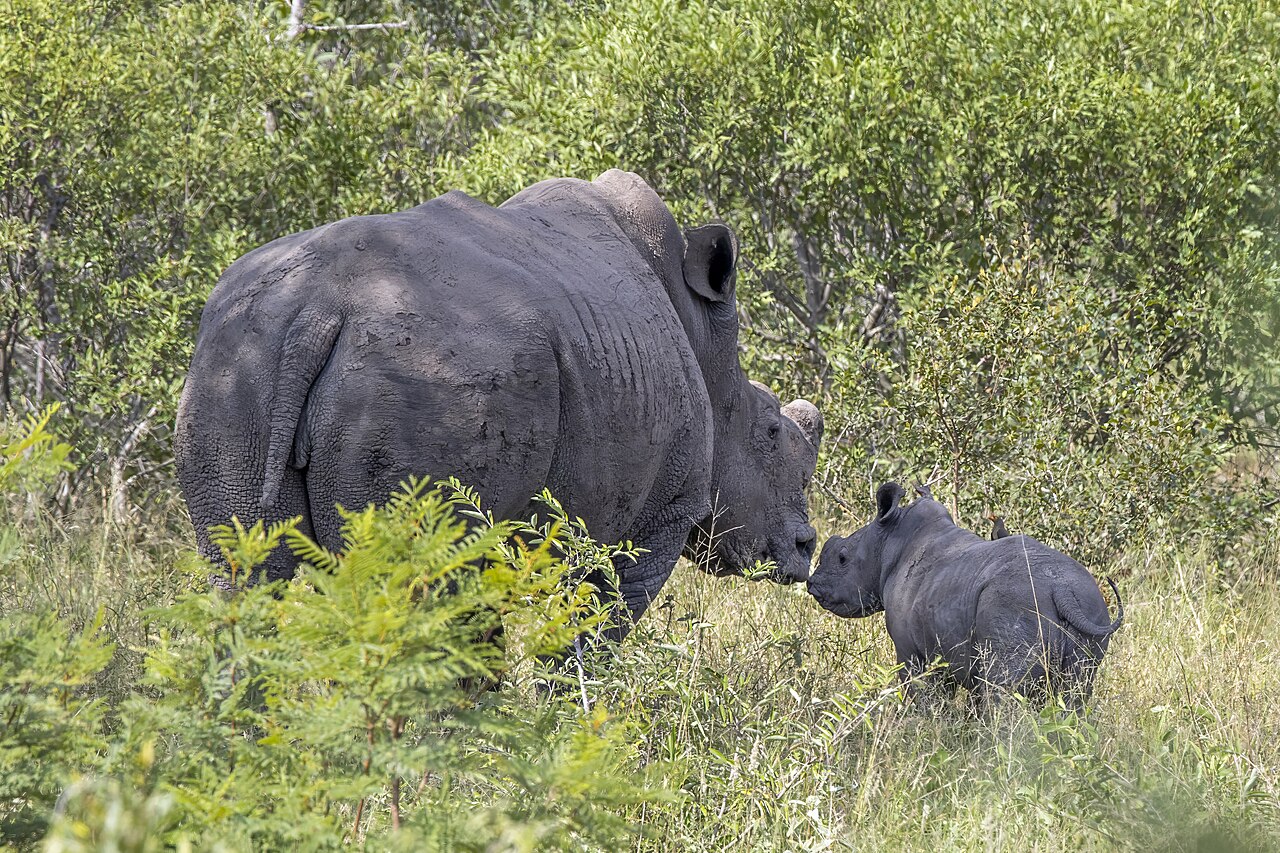
An adult white rhinoceros touching noses with its calf among shrubs in Kruger National Park, South Africa.

In brief

Rhino poaching in South Africa is driven by illegal demand for horn; rescue work combines anti-poaching patrols, emergency veterinary care and orphan-calf rehabilitation.

~27,000
Rhinos worldwide
1/day
Poaching scale in bad years
ZA
Largest rhino range state
CR
Black rhino status

Guide 1

Why South Africa Is Central to Rhino Protection

South Africa holds the largest rhino population in the world, making it the main target for organised horn-poaching networks. Protecting rhinos there has global significance because losses or gains shift the future of the species.

Guide 2

What Happens After a Poaching Incident

If a rhino survives a poaching attack, it needs urgent veterinary care for facial wounds, blood loss, infection and trauma. Calves whose mothers are killed need specialised milk, secure enclosures and long rehabilitation before any return to protected reserves.

Guide 3

Why Anti-Poaching Is Expensive

Effective protection needs ranger salaries, patrol vehicles, communications, intelligence networks, veterinary response and sometimes aerial monitoring. A single weak point can expose an entire reserve to poaching pressure.

Guide 4

Anti-Poaching and Veterinary Response

South Africa holds the largest white rhino population but faces relentless poaching for horn. Potential grants could support anti-poaching patrol support, emergency veterinary response for wounded rhinos and orphan-calf care when mothers are killed. Horn has no proven medicinal value — it is keratin, like human fingernails.

Guide 5

UK Donor Route for Rhino Conservation

Donate to rhino appeal for partner grants in South Africa, Kenya, Tanzania, India and Nepal. WARN does not run rhino facilities — it channels UK and international gifts to established anti-poaching and orphan-care partners.

Source Notes

WARN uses named intergovernmental, conservation and animal-welfare sources for numeric claims. These notes summarise the source basis for this page.

IUCN Red List

Black rhinos are Critically Endangered; white rhino populations remain under poaching pressure.

CITES

International commercial trade in rhino horn is prohibited.

South African conservation reporting

South Africa remains central to global rhino protection because it holds the largest rhino populations.

Rhino Poaching in South Africa: Frequently Asked Questions

Why are rhinos poached?
Rhinos are poached for horn, which is trafficked to demand markets as a status product or falsely promoted for medicinal use. Rhino horn is keratin.
Can a rhino survive after being dehorned by poachers?
Some survive if found quickly and treated by expert veterinarians, but wounds can be catastrophic and many calves are orphaned when mothers are killed.
Does dehorning stop poaching?
Dehorning can reduce risk but does not remove it entirely. It must be combined with patrols, intelligence, secure reserves and demand reduction.
Can I donate to rhino conservation from the UK?
Yes — rhino appeal funds anti-poaching, veterinary response and orphan-calf care through partners in South Africa and East Africa.
How many rhinos are poached each year?
Poaching rates fluctuate but remain a critical threat. South Africa reports hundreds of poaching losses annually in peak years despite intensive protection.
What happens to rhino orphan calves?
Calves need milk, warmth and years of care before any rewilding. See rhino orphan calf rescue for the full orphan pathway.
Does WARN fund rhino horn demand reduction?
Partner programmes include education and advocacy. Horn is keratin with no proven medicinal efficacy — demand reduction is part of long-term strategy.
How can I check whether WARN has paid a grant?
Read /about/where-your-money-goes/#grant-register for published recipient, approval and payment records. A reconciled financial summary and individual grant records have not yet been published here. This is a reporting status, not a statement that income, expenditure or grants are zero. Contact WARN for information about your gift.

Help Fund Frontline Rescue

World Animal Rescue Network CIC (Company no. 17298990) raises funds for established local partners. Your support helps build the rescue capacity these animals need.

Support Rhino Protection