Cat Breed · United States
Savannah
A hybrid breed with serval ancestry — tall, spotted, and high-energy.
By WARN Research & Conservation TeamLast updated
In brief
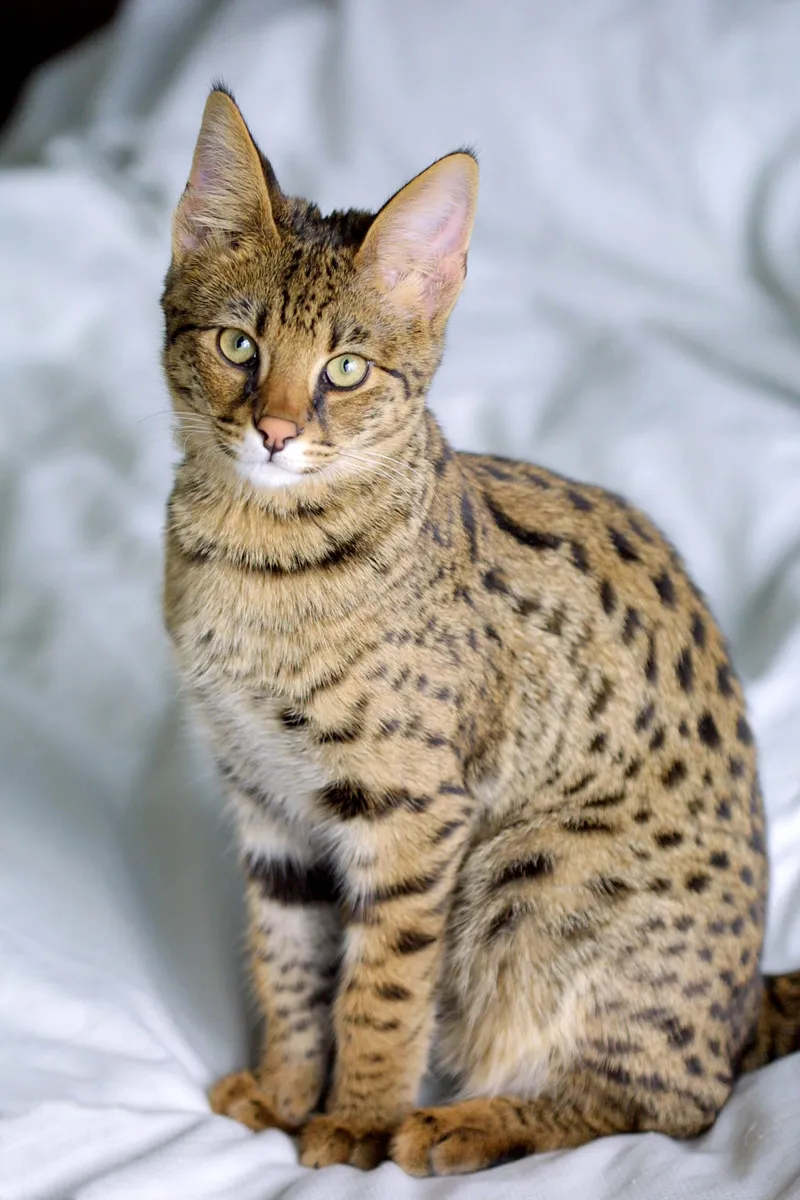
The Savannah is a tall, athletic hybrid cat created by crossing a domestic cat with the African serval. It is famed for its exotic spotted coat, dog-like devotion and an extraordinary appetite for climbing, leaping and active play.
What are the key facts about a Savannah?
The Savannah is a cat breed from United States: large (5–11 kg), active, adventurous, dog-like. A hybrid breed with serval ancestry — tall, spotted, and high-energy.
| Origin | United States |
|---|---|
| Size | Large (5–11 kg) |
| Weight | 5.5-11 kg (12-25 lb); early-generation males are largest, while later-generation cats sit nearer 3.5-7 kg (8-15 lb) |
| Lifespan | 12–15 years |
| Coat | Short to medium, dense and notably soft with a slightly coarse guard layer; the bold dark spotting on a warm gold, silver, smoke or black background needs little upkeep. A weekly brush and the occasional bath keep the coat glossy, and shedding is moderate. |
| Temperament | Active, adventurous, dog-like |
| Good with | Best suited to experienced, active owners who can offer space, tall climbing furniture and plenty of interactive play; not a quiet lap cat. Confident Savannahs often live happily with cat-savvy dogs and respectful older children, but their drive and size can overwhelm timid pets or very young toddlers. Daily enrichment is essential to prevent boredom. |
Is a Savannah a good cat for you?
A Savannah is a good cat when your home matches best suited to experienced, active owners who can offer space, tall climbing furniture and plenty of interactive play; not a quiet lap cat. confident savannahs often live happily with cat-savvy dogs and respectful older children, but their drive and size can overwhelm timid pets or very young toddlers. daily enrichment is essential to prevent boredom.. It is a active, adventurous, dog-like large (5–11 kg) breed from United States.
A hybrid breed with serval ancestry — tall, spotted, and high-energy. That one-line pitch is not a care plan. Factor grooming (Short to medium, dense and notably soft with a slightly coarse guard layer; the bold dark spotting on a warm gold, silver, smoke or black background needs little upkeep. A weekly brush and the occasional bath keep the coat glossy, and shedding is moderate.), typical adult size (5.5-11 kg (12-25 lb); early-generation males are largest, while later-generation cats sit nearer 3.5-7 kg (8-15 lb)), and the health issues listed below before you pay a deposit.
Meet adults of the breed, not only puppies or kittens, and prefer rescue or health-screened homes. A Savannah that looks right in a photo can still be the wrong animal for a small flat, a full-time office job, or a household that wanted a low-energy companion.
What is a Savannah?
A hybrid breed with serval ancestry — tall, spotted, and high-energy. Origin is United States; coat or markings are described as Short to medium, dense and notably soft with a slightly coarse guard layer; the bold dark spotting on a warm gold, silver, smoke or black background needs little upkeep. A weekly brush and the occasional bath keep the coat glossy, and shedding is moderate..
Kennel and registry labels describe a type. Individual Savannahs still vary, and rescue animals may be mixes.
Where does the Savannah come from?
Savannahs come from United States. The Savannah began in 1986 when breeder Judee Frank crossed a male African serval with a domestic cat, producing the first kitten named Savannah.
Enthusiasts including Patrick Kelly and Joyce Sroufe championed the new breed, writing the original standard and presenting it to TICA, which granted full championship recognition in 2012. Generations are labelled F1 to F5 onward, reflecting how many removed they are from the serval ancestor. Ownership of early generations is restricted or banned in several jurisdictions because of that wild lineage.
How much care does a Savannah need?
Plan 12–15 years of food, vet care, grooming and time. A Savannah is large (5–11 kg) (5.5-11 kg (12-25 lb); early-generation males are largest, while later-generation cats sit nearer 3.5-7 kg (8-15 lb)) from United States, with coat care described as short to medium, dense and notably soft with a slightly coarse guard layer; the bold dark spotting on a warm gold, silver, smoke or black background needs little upkeep. a weekly brush and the occasional bath keep the coat glossy, and shedding is moderate..
This temperament does not thrive on a 20-minute walk and eight hours alone.
Grooming follows the coat, not a generic clip: Short to medium, dense and notably soft with a slightly coarse guard layer; the bold dark spotting on a warm gold, silver, smoke or black background needs little upkeep. A weekly brush and the occasional bath keep the coat glossy, and shedding is moderate.. Keep the animal lean; extra weight is a joint and heart tax, especially in a large cat.
Budget for unexpected vet bills. The health section below is why “cheap to buy” is not the same as cheap to keep.
What surprises people about the Savannah?
A few details about the breed, alongside the practical care information in this guide.
- An F1 Savannah named Magic once held the Guinness World Record for the tallest domestic cat, measuring over 43 cm at the shoulder.
- Many Savannahs enjoy water and will paw at running taps, splash in bowls or even join their owners in the shower.
- Some are known for a powerful vertical leap, able to spring around 2.4 metres into the air from a standing position.
- They are often taught to walk on a harness and play fetch, behaving more like a dog than a typical cat.
What health issues should you know about in a Savannah?
Health concerns to discuss with your vet, including changes to watch for and everyday care. This is general guidance, not veterinary advice — always speak to your vet.
Hypertrophic cardiomyopathy (HCM)
Thickening of the heart muscle that may cause sudden illness or heart failure.
Care: Breeding cats should be screened; affected cats may need lifelong medication under veterinary care.
Dental disease
Plaque and tartar build-up leads to gum infection and tooth loss.
Care: Brush teeth regularly and schedule professional dental cleanings as your vet advises.
Hybrid fertility issues
Hybrid fertility issues can occur in this breed and may need veterinary monitoring.
Care: Discuss prevention and treatment with your vet.
Who should skip a Savannah?
Skip a Savannah if you are owners who wanted a low-exercise companion. This United States cat is large (5–11 kg) and active, adventurous, dog-like — the mismatch is usually lifestyle, not a missing accessory.
This page is allowed to say no. Skip if you are owners who wanted a low-exercise companion.
A different cat breed on this site may fit. Wanting “a Savannah” after a film or a colour photo is not a reason to ignore the skip list.
What are the hidden catches with a Savannah?
The hidden cost of a Savannah is usually not the purchase price. It is years of care, the health list on this page, and the mismatch between a active, adventurous, dog-like animal and a busy home.
The impulse-buy catch
A Savannah from United States is often sold on looks. Coat, colour and size are not a temperament test. Meet the adult animal, ask about health screening, and walk away from pressure sales.
The hypertrophic cardiomyopathy (hcm) catch
Thickening of the heart muscle that may cause sudden illness or heart failure. Breeding cats should be screened; affected cats may need lifelong medication under veterinary care.
The dental disease catch
Plaque and tartar build-up leads to gum infection and tooth loss. Brush teeth regularly and schedule professional dental cleanings as your vet advises.
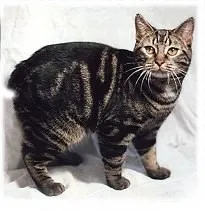
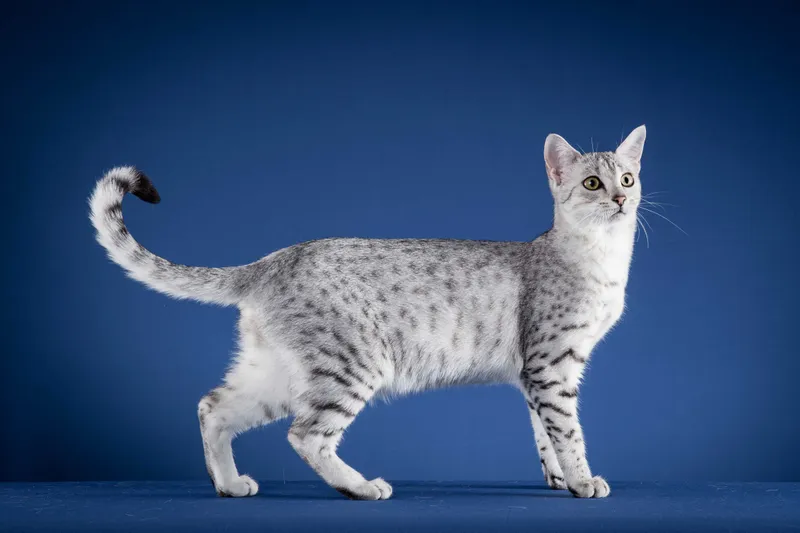
How does a Savannah compare with Manx and Egyptian Mau?
A Savannah is not interchangeable with Manx and Egyptian Mau. Compare origin, size, lifespan and temperament before you choose — those four lines prevent most regret.
| Cat fact | Savannah | Manx | Egyptian Mau |
|---|---|---|---|
| Origin | United States | Isle of Man | Egypt |
| Size | Large (5–11 kg) | Medium (3–5 kg) | Medium (3–5 kg) |
| Lifespan | 12–15 years | 13–17 years | 13–17 years |
| Temperament | Active, adventurous, dog-like | Playful, loyal, rabbit-like hop | Loyal, active, sensitive |
What is the verdict on the Savannah?
Choose a Savannah only if the care, skip-if and health sections still look like your life after a week of thinking. Otherwise pick a different cat or wait. Rescue is usually the better first door than a waiting-list puppy or kitten.
If the match is real, budget for 12–15 years of vet care and do not skip health screening. If it is not, walking away is the kind choice — for you and for the animal.
Every cat deserves a chance
Whatever breed you love, countless cats live without a home or care. A symbolic adoption or a gift to WARN funds community-cat welfare — neutering, vaccination and treatment for cats most people never see.