Dog Breed · United States (Alaska)
Alaskan Malamute
An Arctic sled dog built for endurance hauling heavy loads.
By WARN Research & Conservation TeamLast updated
In brief
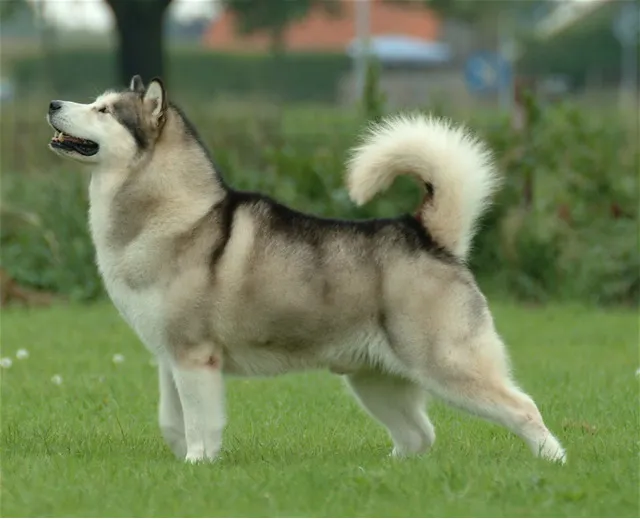
The Alaskan Malamute is a large, powerful Arctic sled dog built for hauling heavy freight over long distances in extreme cold. Affectionate, playful and pack-oriented, it is friendly with people but strong-willed, highly vocal and demanding of exercise, making it a rewarding challenge rather than a beginner's companion.
What are the key facts about a Alaskan Malamute?
The Alaskan Malamute is a dog breed from United States (Alaska): large (34–45 kg), affectionate, strong, playful. An Arctic sled dog built for endurance hauling heavy loads.
| Origin | United States (Alaska) |
|---|---|
| Size | Large (34–45 kg) |
| Weight | 34-45 kg (75-100 lb) |
| Lifespan | 10–14 years |
| Coat | Thick, coarse double coat with a dense, oily, woolly undercoat and a harsh outer coat, superbly insulating against Arctic cold. It is a heavy, year-round shedder that blows its undercoat completely twice a year, requiring daily brushing during those weeks and a couple of sessions weekly otherwise. The coat is naturally clean and odour-free, so bathing is infrequent, but regular grooming prevents matting, especially behind the ears and on the legs. |
| Temperament | Affectionate, strong, playful |
| Good with | Suits active, experienced owners with space, a securely fenced garden and time for daily vigorous exercise. Malamutes are typically affectionate and good-natured with children and love being part of a busy family, but their size, strength and exuberance call for supervision with toddlers. High prey drive makes cats and small pets risky, and same-sex dog aggression is common. They are poorly suited to flats, hot climates or homes where they would be left alone, as boredom turns into digging and howling. |
Is a Alaskan Malamute a good dog for you?
A Alaskan Malamute is a good dog when your home matches suits active, experienced owners with space, a securely fenced garden and time for daily vigorous exercise. malamutes are typically affectionate and good-natured with children and love being part of a busy family, but their size, strength and exuberance call for supervision with toddlers. high prey drive makes cats and small pets risky, and same-sex dog aggression is common. they are poorly suited to flats, hot climates or homes where they would be left alone, as boredom turns into digging and howling.. It is a affectionate, strong, playful large (34–45 kg) breed from United States (Alaska).
An Arctic sled dog built for endurance hauling heavy loads. That one-line pitch is not a care plan. Factor grooming (Thick, coarse double coat with a dense, oily, woolly undercoat and a harsh outer coat, superbly insulating against Arctic cold. It is a heavy, year-round shedder that blows its undercoat completely twice a year, requiring daily brushing during those weeks and a couple of sessions weekly otherwise. The coat is naturally clean and odour-free, so bathing is infrequent, but regular grooming prevents matting, especially behind the ears and on the legs.), typical adult size (34-45 kg (75-100 lb)), and the health issues listed below before you pay a deposit.
Meet adults of the breed, not only puppies or kittens, and prefer rescue or health-screened homes. A Alaskan Malamute that looks right in a photo can still be the wrong animal for a small flat, a full-time office job, or a household that wanted a low-energy companion.
What is a Alaskan Malamute?
An Arctic sled dog built for endurance hauling heavy loads. Origin is United States (Alaska); coat or markings are described as Thick, coarse double coat with a dense, oily, woolly undercoat and a harsh outer coat, superbly insulating against Arctic cold. It is a heavy, year-round shedder that blows its undercoat completely twice a year, requiring daily brushing during those weeks and a couple of sessions weekly otherwise. The coat is naturally clean and odour-free, so bathing is infrequent, but regular grooming prevents matting, especially behind the ears and on the legs..
Kennel and registry labels describe a type. Individual Alaskan Malamutes still vary, and rescue animals may be mixes.
Where does the Alaskan Malamute come from?
Alaskan Malamutes come from United States (Alaska). The Alaskan Malamute is one of the oldest Arctic sled dogs, developed by the Mahlemut, an Inupiaq people of north-western Alaska, who relied on these dogs to haul heavy loads, hunt seals and even hold large game at bay.
Bred for strength and endurance rather than speed, the Malamute was central to survival in the harsh north long before European contact. The Klondike Gold Rush brought a surge of demand and crossbreeding that threatened the original type, prompting later preservation of distinct lines. The breed gained the spotlight through polar expeditions and was officially recognised in the United States in 1935, and it stands today as Alaska's official state dog.
How much care does a Alaskan Malamute need?
Plan 10–14 years of food, vet care, grooming and time. A Alaskan Malamute is large (34–45 kg) (34-45 kg (75-100 lb)) from United States (Alaska), with coat care described as thick, coarse double coat with a dense, oily, woolly undercoat and a harsh outer coat, superbly insulating against arctic cold. it is a heavy, year-round shedder that blows its undercoat completely twice a year, requiring daily brushing during those weeks and a couple of sessions weekly otherwise. the coat is naturally clean and odour-free, so bathing is infrequent, but regular grooming prevents matting, especially behind the ears and on the legs..
Match daily exercise to the affectionate, strong, playful temperament rather than to Instagram.
Grooming follows the coat, not a generic clip: Thick, coarse double coat with a dense, oily, woolly undercoat and a harsh outer coat, superbly insulating against Arctic cold. It is a heavy, year-round shedder that blows its undercoat completely twice a year, requiring daily brushing during those weeks and a couple of sessions weekly otherwise. The coat is naturally clean and odour-free, so bathing is infrequent, but regular grooming prevents matting, especially behind the ears and on the legs.. Keep the animal lean; extra weight is a joint and heart tax, especially in a large dog.
Budget for unexpected vet bills. The health section below is why “cheap to buy” is not the same as cheap to keep.
What surprises people about the Alaskan Malamute?
A few details about the breed, alongside the practical care information in this guide.
- Malamutes are freight haulers, not racers: they were bred to pull heavy loads steadily over distance, whereas the lighter Siberian Husky was built for speed.
- Rather than barking, Malamutes 'talk' with an expressive range of woos, howls and grumbles, and a chorus of them can sound startlingly like conversation.
- Their feet are snowshoe-shaped with thick pads and tough hair between the toes, helping them travel over snow and ice without sinking or freezing.
- Malamutes served in polar expeditions and as pack and search dogs in the Second World War, valued for their strength and cold-weather endurance.
What health issues should you know about in a Alaskan Malamute?
Health concerns to discuss with your vet, including changes to watch for and everyday care. This is general guidance, not veterinary advice — always speak to your vet.
Hip dysplasia
An inherited malformation of the hip joint that can cause stiffness, lameness, or arthritis as the dog ages.
Care: Keep dogs lean, choose health-screened parents, and seek vet advice for pain management or surgery if needed.
Chondrodysplasia
Chondrodysplasia can occur in this breed and may need veterinary monitoring.
Care: Discuss prevention and treatment with your vet.
Bloat risk
Bloat risk can occur in this breed and may need veterinary monitoring.
Care: Discuss prevention and treatment with your vet.
Who should skip a Alaskan Malamute?
Skip a Alaskan Malamute if you are anyone unwilling to learn bloat emergency signs. This United States (Alaska) dog is large (34–45 kg) and affectionate, strong, playful — the mismatch is usually lifestyle, not a missing accessory.
This page is allowed to say no. Skip if you are anyone unwilling to learn bloat emergency signs.
A different dog breed on this site may fit. Wanting “a Alaskan Malamute” after a film or a colour photo is not a reason to ignore the skip list.
What are the hidden catches with a Alaskan Malamute?
The hidden cost of a Alaskan Malamute is usually not the purchase price. It is years of care, the health list on this page, and the mismatch between a affectionate, strong, playful animal and a busy home.
The impulse-buy catch
A Alaskan Malamute from United States (Alaska) is often sold on looks. Coat, colour and size are not a temperament test. Meet the adult animal, ask about health screening, and walk away from pressure sales.
The bloat catch
Deep-chested Alaskan Malamutes can develop gastric dilatation-volvulus. Know the emergency signs (unproductive retching, swollen abdomen) and have a 24-hour vet plan.
The hip dysplasia catch
An inherited malformation of the hip joint that can cause stiffness, lameness, or arthritis as the dog ages. Keep dogs lean, choose health-screened parents, and seek vet advice for pain management or surgery if needed.
The chondrodysplasia catch
Chondrodysplasia can occur in this breed and may need veterinary monitoring. Discuss prevention and treatment with your vet.
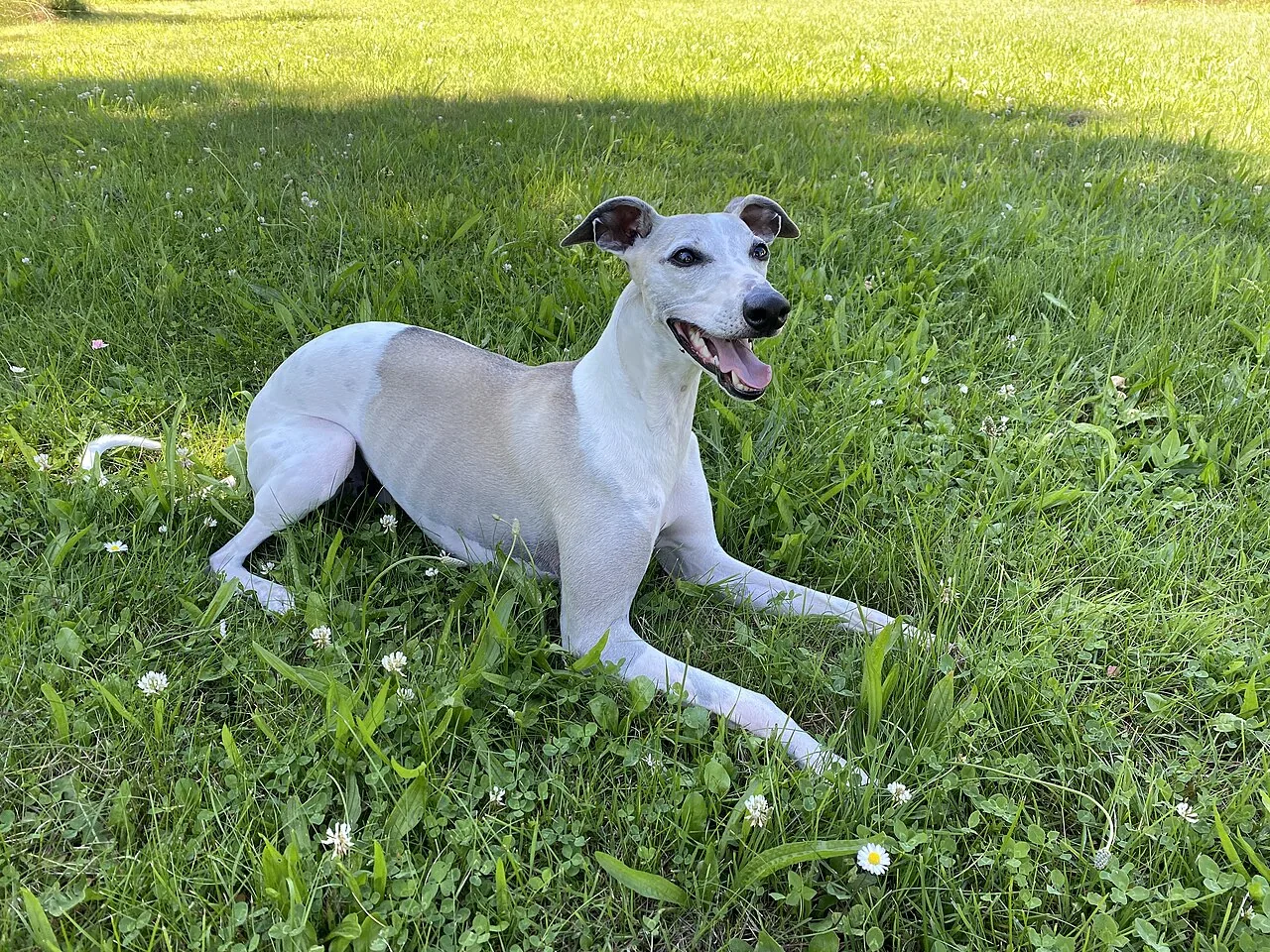
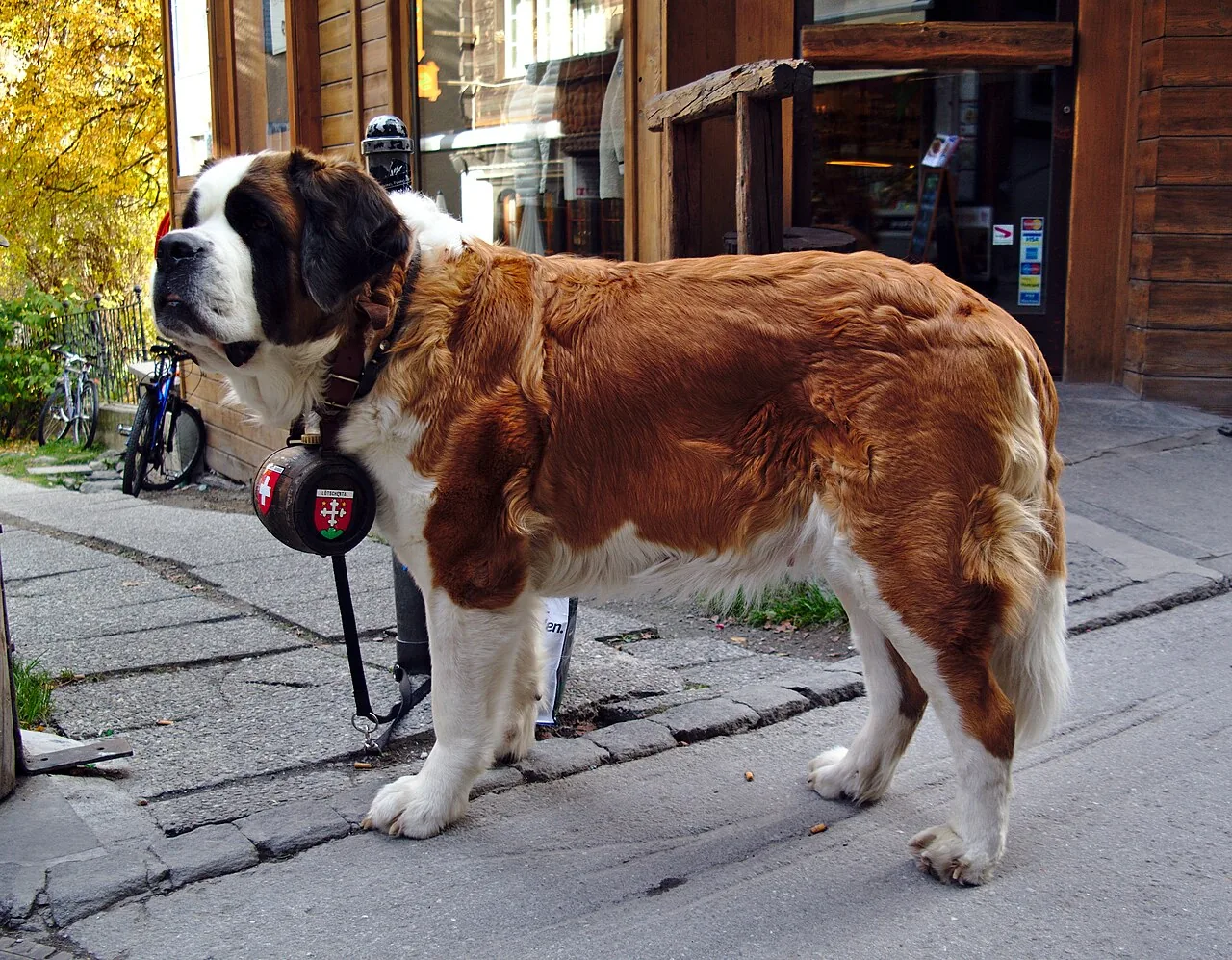
How does a Alaskan Malamute compare with Whippet and Saint Bernard?
A Alaskan Malamute is not interchangeable with Whippet and Saint Bernard. Compare origin, size, lifespan and temperament before you choose — those four lines prevent most regret.
| Dog fact | Alaskan Malamute | Whippet | Saint Bernard |
|---|---|---|---|
| Origin | United States (Alaska) | England | Switzerland |
| Size | Large (34–45 kg) | Medium (9–14 kg) | Giant (54–82 kg) |
| Lifespan | 10–14 years | 10–14 years | 8–10 years |
| Temperament | Affectionate, strong, playful | Gentle, quiet, athletic | Gentle, patient, watchful |
What is the verdict on the Alaskan Malamute?
Choose a Alaskan Malamute only if the care, skip-if and health sections still look like your life after a week of thinking. Otherwise pick a different dog or wait. Rescue is usually the better first door than a waiting-list puppy or kitten.
If the match is real, budget for 10–14 years of vet care and do not skip health screening. If it is not, walking away is the kind choice — for you and for the animal.
Every dog deserves a chance
Whatever breed steals your heart, millions of dogs around the world have no home at all. A symbolic adoption or a gift to WARN funds humane care for street and community dogs — vaccination, neutering and emergency treatment.