Dog Breed · Siberia
Samoyed
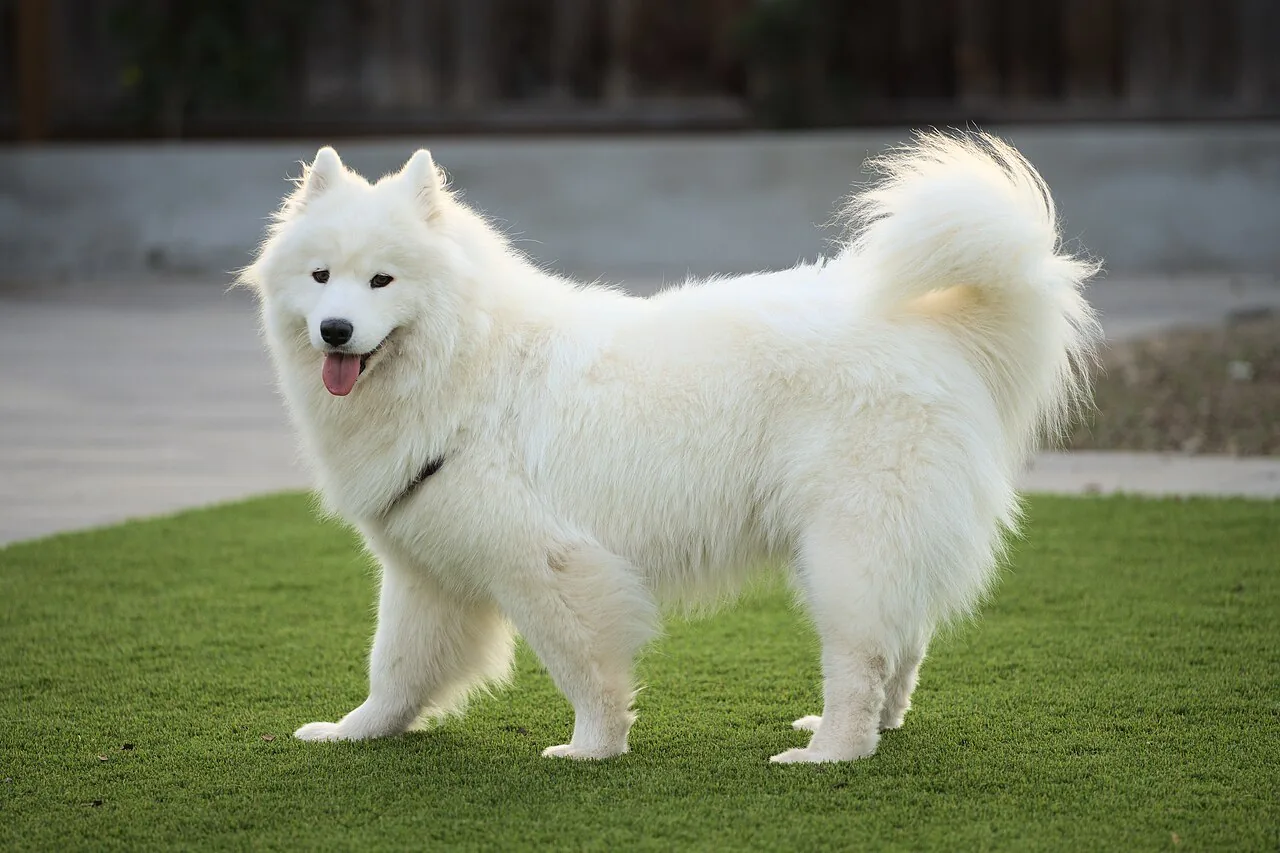
The smiling Spitz — a fluffy sled dog that loves people and cold weather.
By WARN Research & Conservation TeamLast updated
In brief
The Samoyed is a friendly, fluffy spitz breed from Siberia, instantly recognised by its dense white coat and upturned 'Sammy smile'. Bred by the Samoyede people to herd reindeer and haul sledges, it is sociable, hardy and famously poor at being left alone.
What are the key facts about a Samoyed?
The Samoyed is a dog breed from Siberia: large (17–30 kg), friendly, social, mischievous. The smiling Spitz — a fluffy sled dog that loves people and cold weather.
| Origin | Siberia |
|---|---|
| Size | Large (17–30 kg) |
| Weight | Females 16-23 kg (35-50 lb), males 20-30 kg (45-66 lb) |
| Lifespan | 10–14 years |
| Coat | A profuse double coat: a soft, dense, woolly undercoat beneath long, straight, weather-resistant guard hairs that stand off the body. It sheds heavily year-round with two major 'blow-outs' a year, so plan on brushing several times a week (daily during a moult). The harsh outer coat resists dirt and the white-to-biscuit colour stays surprisingly clean; bathe only occasionally and never clip the coat, which insulates against both cold and heat. |
| Temperament | Friendly, social, mischievous |
| Good with | Excellent with children and other dogs, and generally too friendly to be a guard dog. Best suited to active households with time and space rather than first-time owners who underestimate the grooming and exercise. They need a good hour or more of daily activity, dislike being left alone for long (separation-related barking and digging are common), and cope far better in cool climates than hot ones. |
Is a Samoyed a good dog for you?
A Samoyed is a good dog when your home matches excellent with children and other dogs, and generally too friendly to be a guard dog. best suited to active households with time and space rather than first-time owners who underestimate the grooming and exercise. they need a good hour or more of daily activity, dislike being left alone for long (separation-related barking and digging are common), and cope far better in cool climates than hot ones.. It is a friendly, social, mischievous large (17–30 kg) breed from Siberia.
The smiling Spitz — a fluffy sled dog that loves people and cold weather. That one-line pitch is not a care plan. Factor grooming (A profuse double coat: a soft, dense, woolly undercoat beneath long, straight, weather-resistant guard hairs that stand off the body. It sheds heavily year-round with two major 'blow-outs' a year, so plan on brushing several times a week (daily during a moult). The harsh outer coat resists dirt and the white-to-biscuit colour stays surprisingly clean; bathe only occasionally and never clip the coat, which insulates against both cold and heat.), typical adult size (Females 16-23 kg (35-50 lb), males 20-30 kg (45-66 lb)), and the health issues listed below before you pay a deposit.
Meet adults of the breed, not only puppies or kittens, and prefer rescue or health-screened homes. A Samoyed that looks right in a photo can still be the wrong animal for a small flat, a full-time office job, or a household that wanted a low-energy companion.
What is a Samoyed?
The smiling Spitz — a fluffy sled dog that loves people and cold weather. Origin is Siberia; coat or markings are described as A profuse double coat: a soft, dense, woolly undercoat beneath long, straight, weather-resistant guard hairs that stand off the body. It sheds heavily year-round with two major 'blow-outs' a year, so plan on brushing several times a week (daily during a moult). The harsh outer coat resists dirt and the white-to-biscuit colour stays surprisingly clean; bathe only occasionally and never clip the coat, which insulates against both cold and heat..
Kennel and registry labels describe a type. Individual Samoyeds still vary, and rescue animals may be mixes.
Where does the Samoyed come from?
Samoyeds come from Siberia. The Samoyed takes its name from the Samoyede (Nenets) peoples of north-western Siberia, who for centuries relied on the dogs to herd and guard reindeer, pull sledges and even sleep alongside them for warmth.
The breed reached the West in the late 19th century, when explorers acquired the dogs for polar expeditions; Samoyeds accompanied Fridtjof Nansen and were part of the teams associated with early Antarctic exploration. English fanciers, including Ernest Kilburn-Scott, established the breed in Britain around the 1890s and set the foundation for the modern type. Queen Alexandra was an early enthusiast, helping popularise the breed among British dog lovers.
How much care does a Samoyed need?
Plan 10–14 years of food, vet care, grooming and time. A Samoyed is large (17–30 kg) (Females 16-23 kg (35-50 lb), males 20-30 kg (45-66 lb)) from Siberia, with coat care described as a profuse double coat: a soft, dense, woolly undercoat beneath long, straight, weather-resistant guard hairs that stand off the body. it sheds heavily year-round with two major 'blow-outs' a year, so plan on brushing several times a week (daily during a moult). the harsh outer coat resists dirt and the white-to-biscuit colour stays surprisingly clean; bathe only occasionally and never clip the coat, which insulates against both cold and heat..
Match daily exercise to the friendly, social, mischievous temperament rather than to Instagram.
Grooming follows the coat, not a generic clip: A profuse double coat: a soft, dense, woolly undercoat beneath long, straight, weather-resistant guard hairs that stand off the body. It sheds heavily year-round with two major 'blow-outs' a year, so plan on brushing several times a week (daily during a moult). The harsh outer coat resists dirt and the white-to-biscuit colour stays surprisingly clean; bathe only occasionally and never clip the coat, which insulates against both cold and heat.. Keep the animal lean; extra weight is a joint and heart tax, especially in a large dog.
Budget for unexpected vet bills. The health section below is why “cheap to buy” is not the same as cheap to keep.
What surprises people about the Samoyed?
A few details about the breed, alongside the practical care information in this guide.
- The breed's natural expression, with up-curved lip corners that prevent drooling and icicle formation, is affectionately called the 'Sammy smile'.
- Samoyed fur is sometimes spun like wool into yarn, producing a soft, warm fibre that is naturally hypoallergenic to many people sensitive to sheep's wool.
- Their coat can show a faint 'biscuit' or cream shading and carries silver tips that reflect light, helping it stay strikingly bright rather than dingy.
- Samoyeds pulled sledges on several historic polar expeditions, valued for endurance in temperatures that would defeat most working breeds.
What health issues should you know about in a Samoyed?
Health concerns to discuss with your vet, including changes to watch for and everyday care. This is general guidance, not veterinary advice — always speak to your vet.
Hip dysplasia
An inherited malformation of the hip joint that can cause stiffness, lameness, or arthritis as the dog ages.
Care: Keep dogs lean, choose health-screened parents, and seek vet advice for pain management or surgery if needed.
Eye conditions
Breed-related eye problems may include cataracts, progressive retinal atrophy, or cherry eye.
Care: Regular eye checks and prompt vet attention for redness or cloudiness help preserve vision.
Diabetes risk
Diabetes risk can occur in this breed and may need veterinary monitoring.
Care: Discuss prevention and treatment with your vet.
Who should skip a Samoyed?
Skip a Samoyed if you are homes that cannot match a friendly, social, mischievous large (17–30 kg) dog from Siberia. This Siberia dog is large (17–30 kg) and friendly, social, mischievous — the mismatch is usually lifestyle, not a missing accessory.
This page is allowed to say no. Skip if you are homes that cannot match a friendly, social, mischievous large (17–30 kg) dog from Siberia.
A different dog breed on this site may fit. Wanting “a Samoyed” after a film or a colour photo is not a reason to ignore the skip list.
What are the hidden catches with a Samoyed?
The hidden cost of a Samoyed is usually not the purchase price. It is years of care, the health list on this page, and the mismatch between a friendly, social, mischievous animal and a busy home.
The impulse-buy catch
A Samoyed from Siberia is often sold on looks. Coat, colour and size are not a temperament test. Meet the adult animal, ask about health screening, and walk away from pressure sales.
The hip dysplasia catch
An inherited malformation of the hip joint that can cause stiffness, lameness, or arthritis as the dog ages. Keep dogs lean, choose health-screened parents, and seek vet advice for pain management or surgery if needed.
The eye conditions catch
Breed-related eye problems may include cataracts, progressive retinal atrophy, or cherry eye. Regular eye checks and prompt vet attention for redness or cloudiness help preserve vision.
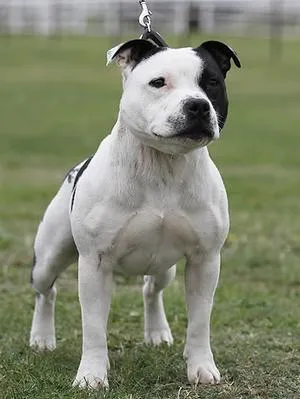
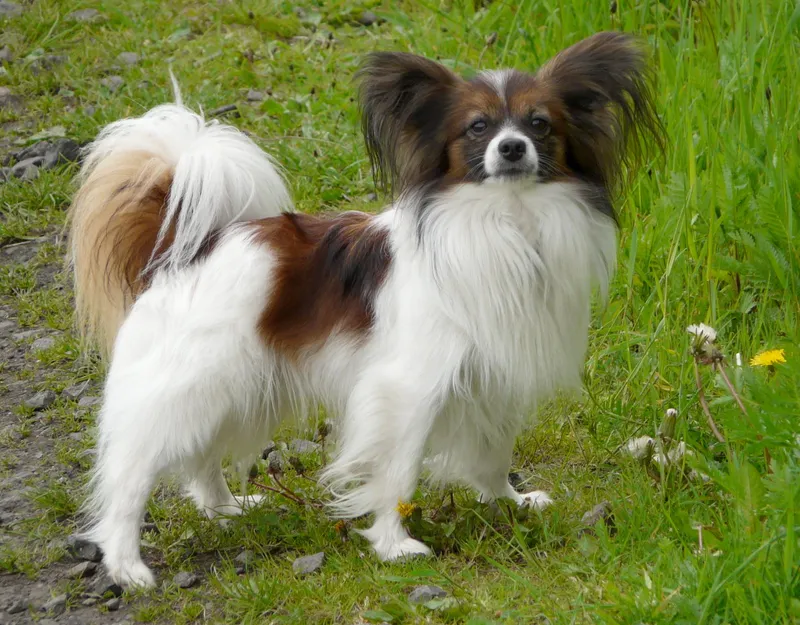
How does a Samoyed compare with Staffordshire Bull Terrier and Papillon?
A Samoyed is not interchangeable with Staffordshire Bull Terrier and Papillon. Compare origin, size, lifespan and temperament before you choose — those four lines prevent most regret.
| Dog fact | Samoyed | Staffordshire Bull Terrier | Papillon |
|---|---|---|---|
| Origin | Siberia | England | France/Belgium |
| Size | Large (17–30 kg) | Medium (11–17 kg) | Toy (3–5 kg) |
| Lifespan | 10–14 years | 10–14 years | 12–16 years |
| Temperament | Friendly, social, mischievous | Bold, affectionate, reliable | Alert, friendly, intelligent |
What is the verdict on the Samoyed?
Choose a Samoyed only if the care, skip-if and health sections still look like your life after a week of thinking. Otherwise pick a different dog or wait. Rescue is usually the better first door than a waiting-list puppy or kitten.
If the match is real, budget for 10–14 years of vet care and do not skip health screening. If it is not, walking away is the kind choice — for you and for the animal.
Every dog deserves a chance
Whatever breed steals your heart, millions of dogs around the world have no home at all. A symbolic adoption or a gift to WARN funds humane care for street and community dogs — vaccination, neutering and emergency treatment.