Dog Breed · France/Belgium
Papillon
Named for butterfly-like ears — a toy spaniel that excels at agility.
By WARN Research & Conservation TeamLast updated
In brief
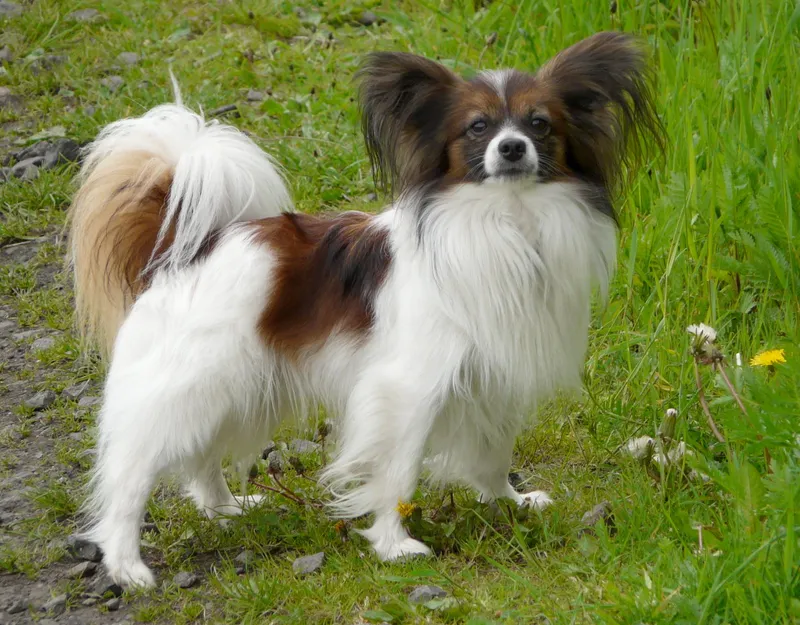
The Papillon is an alert, friendly toy spaniel from France and Belgium, named for the butterfly-like fringing on its large, upright ears. Surprisingly athletic and one of the most trainable toy breeds, it consistently shines in obedience and agility despite weighing only a few kilograms.
What are the key facts about a Papillon?
The Papillon is a dog breed from France/Belgium: toy (3–5 kg), alert, friendly, intelligent. Named for butterfly-like ears — a toy spaniel that excels at agility.
| Origin | France/Belgium |
|---|---|
| Size | Toy (3–5 kg) |
| Weight | 2-4.5 kg (4.5-10 lb) |
| Lifespan | 12–16 years |
| Coat | A single, long, fine, silky coat with no undercoat, lying flat with abundant feathering on the ears, chest, legs and a plumed tail; it is most often white with patches of any colour. Because there is no woolly undercoat, shedding is light and the coat is fairly easy to maintain with two or three brushings a week to prevent tangles behind the ears and on the trousers. No clipping is needed, and occasional baths keep the silky coat bright. |
| Temperament | Alert, friendly, intelligent |
| Good with | A lively, affectionate companion that suits families with considerate older children, singles, and flat-dwellers alike, as well as first-time owners willing to train. Being tiny and delicate, it is less ideal around very boisterous toddlers or large rough-playing dogs. Papillons are sociable with other pets when introduced well, and although small they are energetic and clever, needing daily walks, play and mental challenges to stay content. |
Is a Papillon a good dog for you?
A Papillon is a good dog when your home matches a lively, affectionate companion that suits families with considerate older children, singles, and flat-dwellers alike, as well as first-time owners willing to train. being tiny and delicate, it is less ideal around very boisterous toddlers or large rough-playing dogs. papillons are sociable with other pets when introduced well, and although small they are energetic and clever, needing daily walks, play and mental challenges to stay content.. It is a alert, friendly, intelligent toy (3–5 kg) breed from France/Belgium.
Named for butterfly-like ears — a toy spaniel that excels at agility. That one-line pitch is not a care plan. Factor grooming (A single, long, fine, silky coat with no undercoat, lying flat with abundant feathering on the ears, chest, legs and a plumed tail; it is most often white with patches of any colour. Because there is no woolly undercoat, shedding is light and the coat is fairly easy to maintain with two or three brushings a week to prevent tangles behind the ears and on the trousers. No clipping is needed, and occasional baths keep the silky coat bright.), typical adult size (2-4.5 kg (4.5-10 lb)), and the health issues listed below before you pay a deposit.
Meet adults of the breed, not only puppies or kittens, and prefer rescue or health-screened homes. A Papillon that looks right in a photo can still be the wrong animal for a small flat, a full-time office job, or a household that wanted a low-energy companion.
What is a Papillon?
Named for butterfly-like ears — a toy spaniel that excels at agility. Origin is France/Belgium; coat or markings are described as A single, long, fine, silky coat with no undercoat, lying flat with abundant feathering on the ears, chest, legs and a plumed tail; it is most often white with patches of any colour. Because there is no woolly undercoat, shedding is light and the coat is fairly easy to maintain with two or three brushings a week to prevent tangles behind the ears and on the trousers. No clipping is needed, and occasional baths keep the silky coat bright..
Kennel and registry labels describe a type. Individual Papillons still vary, and rescue animals may be mixes.
Where does the Papillon come from?
Papillons come from France/Belgium. The Papillon is one of the oldest toy spaniels, depicted in European art from at least the 16th century, when small spaniels were favourites of the French and Italian nobility and appeared in paintings by artists such as Titian and later in works associated with the courts of France.
The breed descends from the dwarf spaniels long kept as lap dogs across Europe, and was refined chiefly in France and Belgium. Originally the ears dropped, but selective breeding produced the erect, fringed ears that resemble a butterfly ('papillon' in French) and give the breed its name; the drop-eared variety is called the Phalène, or 'moth'. Legend links the breed to Marie Antoinette, and its enduring presence in royal portraiture cemented its status as an aristocratic companion.
How much care does a Papillon need?
Plan 12–16 years of food, vet care, grooming and time. A Papillon is toy (3–5 kg) (2-4.5 kg (4.5-10 lb)) from France/Belgium, with coat care described as a single, long, fine, silky coat with no undercoat, lying flat with abundant feathering on the ears, chest, legs and a plumed tail; it is most often white with patches of any colour. because there is no woolly undercoat, shedding is light and the coat is fairly easy to maintain with two or three brushings a week to prevent tangles behind the ears and on the trousers. no clipping is needed, and occasional baths keep the silky coat bright..
Toy breeds still need daily walks and mental work; they are not ornaments.
Grooming follows the coat, not a generic clip: A single, long, fine, silky coat with no undercoat, lying flat with abundant feathering on the ears, chest, legs and a plumed tail; it is most often white with patches of any colour. Because there is no woolly undercoat, shedding is light and the coat is fairly easy to maintain with two or three brushings a week to prevent tangles behind the ears and on the trousers. No clipping is needed, and occasional baths keep the silky coat bright.. Keep the animal lean; extra weight is a joint and heart tax, especially in a toy dog.
Budget for unexpected vet bills. The health section below is why “cheap to buy” is not the same as cheap to keep.
What surprises people about the Papillon?
A few details about the breed, alongside the practical care information in this guide.
- 'Papillon' is French for butterfly, a nod to the breed's large fringed ears resembling spread wings; the drop-eared version is called the Phalène, meaning 'moth'.
- Both erect-eared Papillons and drop-eared Phalènes can appear in the same litter and are considered the same breed.
- Despite their toy size, Papillons are regular winners in competitive obedience and agility, regarded as among the brightest and most trainable of all small breeds.
- The breed appears in centuries of European court paintings, making it one of the most frequently depicted dogs in Old Master art.
What health issues should you know about in a Papillon?
Health concerns to discuss with your vet, including changes to watch for and everyday care. This is general guidance, not veterinary advice — always speak to your vet.
Patellar luxation
The kneecap slips out of place, causing intermittent skipping or lameness.
Care: Mild cases may need weight control only; severe cases can require surgery.
Dental disease
Plaque and tartar build-up leads to gum infection and tooth loss.
Care: Brush teeth regularly and schedule professional dental cleanings as your vet advises.
Eye conditions
Breed-related eye problems may include cataracts, progressive retinal atrophy, or cherry eye.
Care: Regular eye checks and prompt vet attention for redness or cloudiness help preserve vision.
Who should skip a Papillon?
Skip a Papillon if you are households with very young children who may handle roughly. This France/Belgium dog is toy (3–5 kg) and alert, friendly, intelligent — the mismatch is usually lifestyle, not a missing accessory.
This page is allowed to say no. Skip if you are households with very young children who may handle roughly. Skip if you are owners who wanted a low-exercise companion.
A different dog breed on this site may fit. Wanting “a Papillon” after a film or a colour photo is not a reason to ignore the skip list.
What are the hidden catches with a Papillon?
The hidden cost of a Papillon is usually not the purchase price. It is years of care, the health list on this page, and the mismatch between a alert, friendly, intelligent animal and a busy home.
The impulse-buy catch
A Papillon from France/Belgium is often sold on looks. Coat, colour and size are not a temperament test. Meet the adult animal, ask about health screening, and walk away from pressure sales.
The patellar luxation catch
The kneecap slips out of place, causing intermittent skipping or lameness. Mild cases may need weight control only; severe cases can require surgery.
The dental disease catch
Plaque and tartar build-up leads to gum infection and tooth loss. Brush teeth regularly and schedule professional dental cleanings as your vet advises.
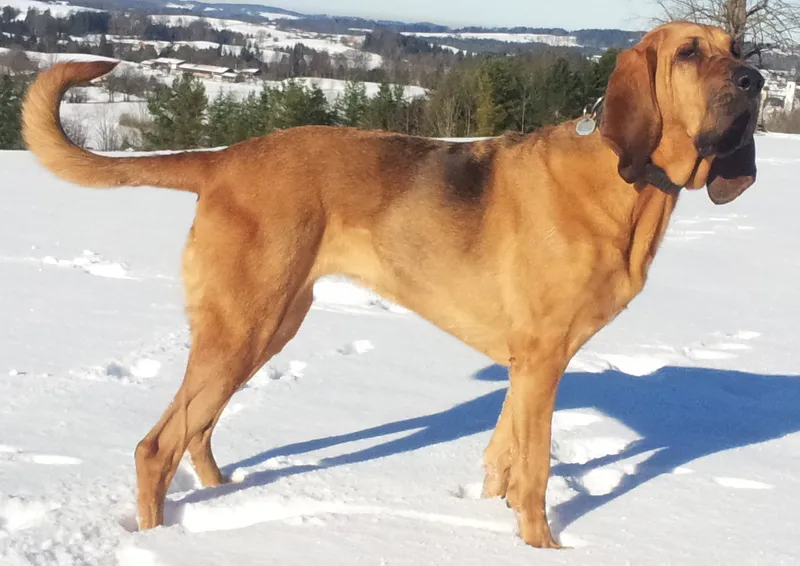
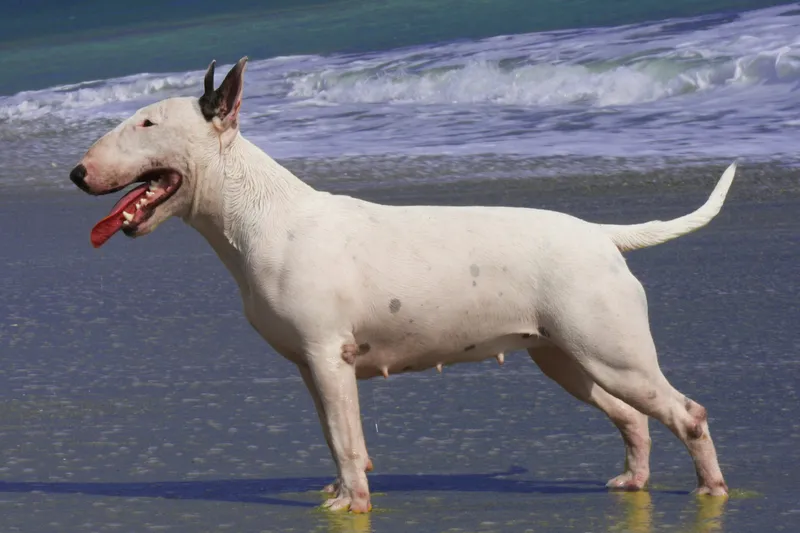
How does a Papillon compare with Bloodhound and Bull Terrier?
A Papillon is not interchangeable with Bloodhound and Bull Terrier. Compare origin, size, lifespan and temperament before you choose — those four lines prevent most regret.
| Dog fact | Papillon | Bloodhound | Bull Terrier |
|---|---|---|---|
| Origin | France/Belgium | Belgium/France | England |
| Size | Toy (3–5 kg) | Large (36–50 kg) | Medium (22–38 kg) |
| Lifespan | 12–16 years | 10–14 years | 10–14 years |
| Temperament | Alert, friendly, intelligent | Gentle, stubborn, determined | Playful, stubborn, comical |
What is the verdict on the Papillon?
Choose a Papillon only if the care, skip-if and health sections still look like your life after a week of thinking. Otherwise pick a different dog or wait. Rescue is usually the better first door than a waiting-list puppy or kitten.
If the match is real, budget for 12–16 years of vet care and do not skip health screening. If it is not, walking away is the kind choice — for you and for the animal.
Every dog deserves a chance
Whatever breed steals your heart, millions of dogs around the world have no home at all. A symbolic adoption or a gift to WARN funds humane care for street and community dogs — vaccination, neutering and emergency treatment.