Dog Breed · Scotland (Shetland)
Shetland Sheepdog
A miniature collie-type herder known for agility, obedience, and a lush double coat.
By WARN Research & Conservation TeamLast updated
In brief
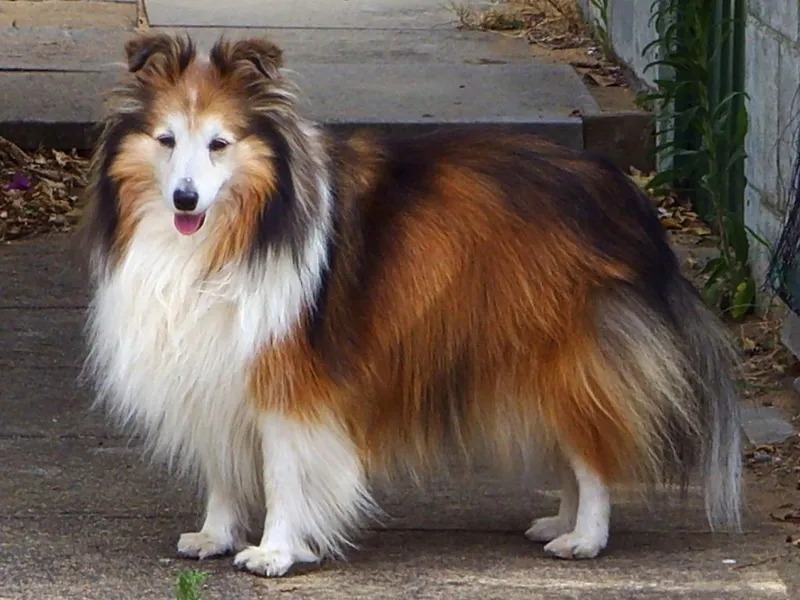
The Shetland Sheepdog is a small, agile herding breed from Scotland's Shetland Islands, resembling a miniature Rough Collie. Famously intelligent and trainable, the Sheltie excels at obedience and agility but is also notably vocal and deeply bonded to its family.
What are the key facts about a Shetland Sheepdog?
The Shetland Sheepdog is a dog breed from Scotland (Shetland): small (6–12 kg), intelligent, loyal, vocal. A miniature collie-type herder known for agility, obedience, and a lush double coat.
| Origin | Scotland (Shetland) |
|---|---|
| Size | Small (6–12 kg) |
| Weight | 6-12 kg (13-27 lb) |
| Lifespan | 10–14 years |
| Coat | A dense double coat with a long, straight, harsh outer coat and a soft, tight undercoat, forming a profuse mane and frill around the neck. Shelties shed heavily, especially during seasonal moults, and need brushing two or three times weekly (more when blowing coat) to prevent matting behind the ears and on the legs. They should be bathed occasionally rather than clipped. |
| Temperament | Intelligent, loyal, vocal |
| Good with | Excellent family dogs, gentle and patient with children they are raised alongside, though their herding instinct can prompt chasing and nipping at running youngsters. They suit active first-time owners willing to manage barking, and adapt to flats only with ample daily exercise and mental stimulation. Generally good with other dogs and pets; they need at least an hour of activity plus training games each day. |
Is a Shetland Sheepdog a good dog for you?
A Shetland Sheepdog is a good dog when your home matches excellent family dogs, gentle and patient with children they are raised alongside, though their herding instinct can prompt chasing and nipping at running youngsters. they suit active first-time owners willing to manage barking, and adapt to flats only with ample daily exercise and mental stimulation. generally good with other dogs and pets; they need at least an hour of activity plus training games each day.. It is a intelligent, loyal, vocal small (6–12 kg) breed from Scotland (Shetland).
A miniature collie-type herder known for agility, obedience, and a lush double coat. That one-line pitch is not a care plan. Factor grooming (A dense double coat with a long, straight, harsh outer coat and a soft, tight undercoat, forming a profuse mane and frill around the neck. Shelties shed heavily, especially during seasonal moults, and need brushing two or three times weekly (more when blowing coat) to prevent matting behind the ears and on the legs. They should be bathed occasionally rather than clipped.), typical adult size (6-12 kg (13-27 lb)), and the health issues listed below before you pay a deposit.
Meet adults of the breed, not only puppies or kittens, and prefer rescue or health-screened homes. A Shetland Sheepdog that looks right in a photo can still be the wrong animal for a small flat, a full-time office job, or a household that wanted a low-energy companion.
What is a Shetland Sheepdog?
A miniature collie-type herder known for agility, obedience, and a lush double coat. Origin is Scotland (Shetland); coat or markings are described as A dense double coat with a long, straight, harsh outer coat and a soft, tight undercoat, forming a profuse mane and frill around the neck. Shelties shed heavily, especially during seasonal moults, and need brushing two or three times weekly (more when blowing coat) to prevent matting behind the ears and on the legs. They should be bathed occasionally rather than clipped..
Kennel and registry labels describe a type. Individual Shetland Sheepdogs still vary, and rescue animals may be mixes.
Where does the Shetland Sheepdog come from?
Shetland Sheepdogs come from Scotland (Shetland). The Shetland Sheepdog developed on the harsh, remote Shetland Islands of Scotland, where small, hardy dogs herded sheep, ponies and poultry on sparse crofts.
Local Spitz-type dogs were crossed with working collies and other breeds, producing a compact herder suited to the islands' scarce resources. Originally called the Shetland Collie, the name was changed after objections from Rough Collie breeders, and the Kennel Club recognised the breed in 1909. Careful breeding through the early twentieth century refined the modern Sheltie's collie-like appearance.
How much care does a Shetland Sheepdog need?
Plan 10–14 years of food, vet care, grooming and time. A Shetland Sheepdog is small (6–12 kg) (6-12 kg (13-27 lb)) from Scotland (Shetland), with coat care described as a dense double coat with a long, straight, harsh outer coat and a soft, tight undercoat, forming a profuse mane and frill around the neck. shelties shed heavily, especially during seasonal moults, and need brushing two or three times weekly (more when blowing coat) to prevent matting behind the ears and on the legs. they should be bathed occasionally rather than clipped..
This temperament does not thrive on a 20-minute walk and eight hours alone.
Grooming follows the coat, not a generic clip: A dense double coat with a long, straight, harsh outer coat and a soft, tight undercoat, forming a profuse mane and frill around the neck. Shelties shed heavily, especially during seasonal moults, and need brushing two or three times weekly (more when blowing coat) to prevent matting behind the ears and on the legs. They should be bathed occasionally rather than clipped.. Keep the animal lean; extra weight is a joint and heart tax, especially in a small dog.
Budget for unexpected vet bills. The health section below is why “cheap to buy” is not the same as cheap to keep.
What surprises people about the Shetland Sheepdog?
A few details about the breed, alongside the practical care information in this guide.
- Despite looking like a shrunken Rough Collie, the Sheltie is a distinct breed and was not simply created by miniaturising Collies.
- Shelties consistently rank among the most trainable of all breeds, often cited alongside the Border Collie and Poodle for working intelligence.
- They dominate competitive dog sports for their size, frequently topping agility, obedience and herding trials.
- The breed carries a merle coat gene, and breeding two merles together can cause serious health problems, so reputable breeders avoid merle-to-merle pairings.
What health issues should you know about in a Shetland Sheepdog?
Health concerns to discuss with your vet, including changes to watch for and everyday care. This is general guidance, not veterinary advice — always speak to your vet.
Collie eye anomaly
Collie eye anomaly can occur in this breed and may need veterinary monitoring.
Care: Discuss prevention and treatment with your vet.
Hip dysplasia
An inherited malformation of the hip joint that can cause stiffness, lameness, or arthritis as the dog ages.
Care: Keep dogs lean, choose health-screened parents, and seek vet advice for pain management or surgery if needed.
Epilepsy
Recurrent seizures without other identifiable cause.
Care: Never withhold medication; keep a seizure diary and work with your vet on management.
Who should skip a Shetland Sheepdog?
Skip a Shetland Sheepdog if you are owners who wanted a low-exercise companion. This Scotland (Shetland) dog is small (6–12 kg) and intelligent, loyal, vocal — the mismatch is usually lifestyle, not a missing accessory.
This page is allowed to say no. Skip if you are owners who wanted a low-exercise companion.
A different dog breed on this site may fit. Wanting “a Shetland Sheepdog” after a film or a colour photo is not a reason to ignore the skip list.
What are the hidden catches with a Shetland Sheepdog?
The hidden cost of a Shetland Sheepdog is usually not the purchase price. It is years of care, the health list on this page, and the mismatch between a intelligent, loyal, vocal animal and a busy home.
The impulse-buy catch
A Shetland Sheepdog from Scotland (Shetland) is often sold on looks. Coat, colour and size are not a temperament test. Meet the adult animal, ask about health screening, and walk away from pressure sales.
The collie eye anomaly catch
Collie eye anomaly can occur in this breed and may need veterinary monitoring. Discuss prevention and treatment with your vet.
The hip dysplasia catch
An inherited malformation of the hip joint that can cause stiffness, lameness, or arthritis as the dog ages. Keep dogs lean, choose health-screened parents, and seek vet advice for pain management or surgery if needed.
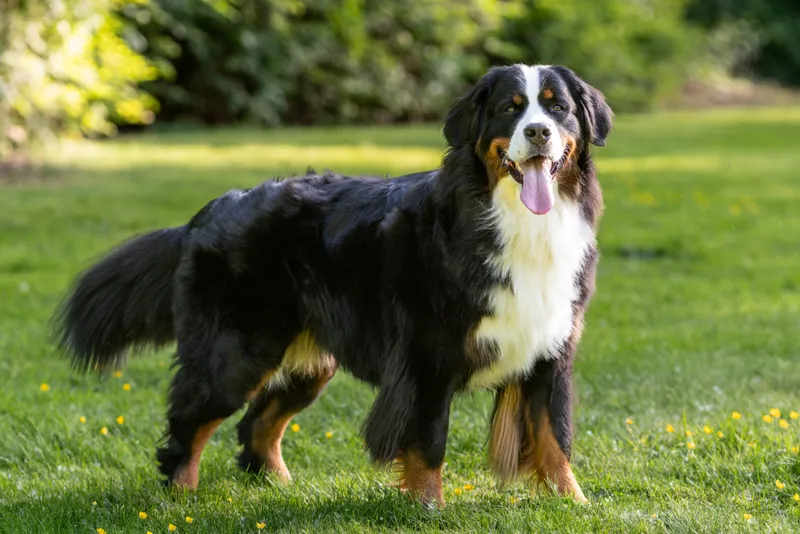
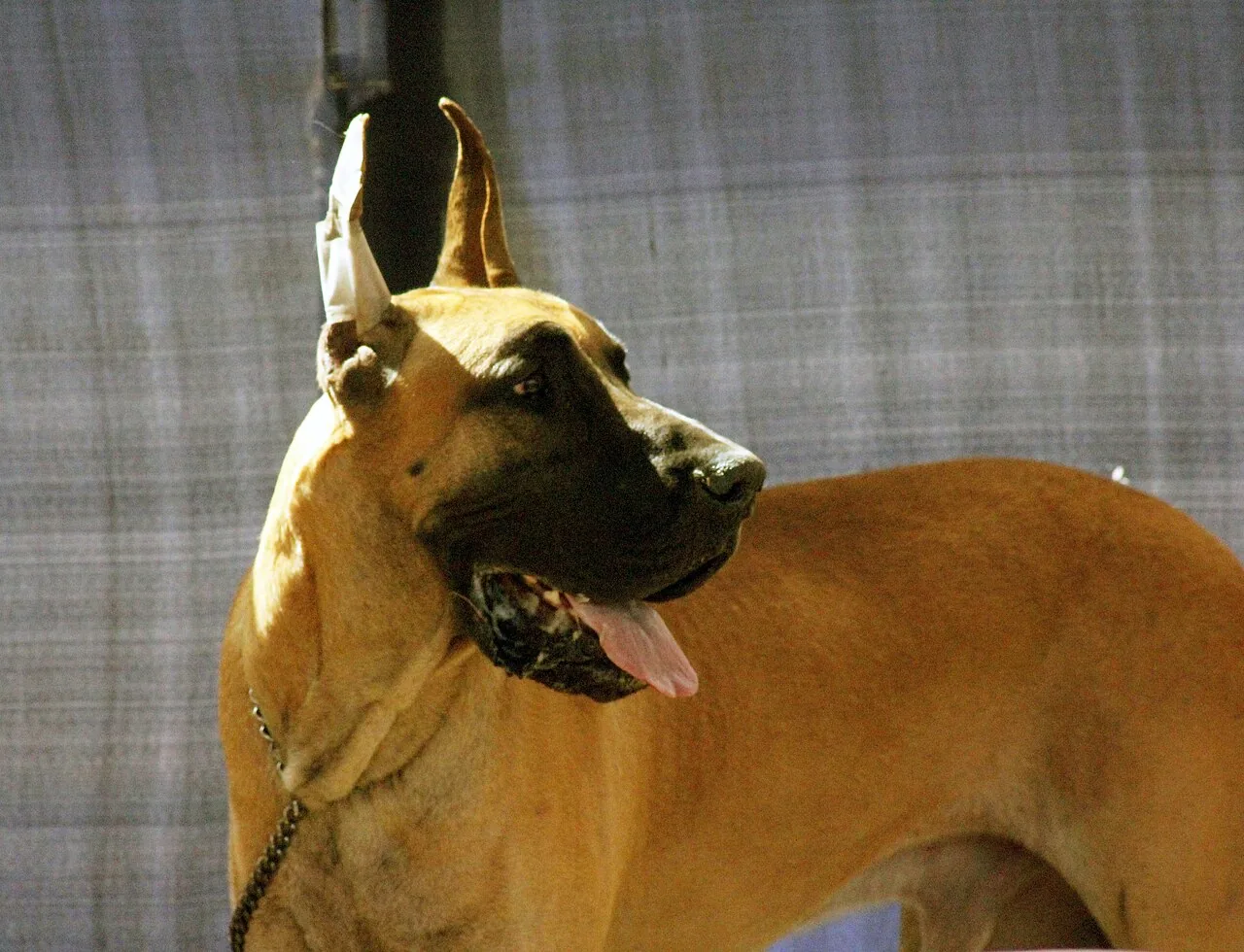
How does a Shetland Sheepdog compare with Bernese Mountain Dog and Great Dane?
A Shetland Sheepdog is not interchangeable with Bernese Mountain Dog and Great Dane. Compare origin, size, lifespan and temperament before you choose — those four lines prevent most regret.
| Dog fact | Shetland Sheepdog | Bernese Mountain Dog | Great Dane |
|---|---|---|---|
| Origin | Scotland (Shetland) | Switzerland | Germany |
| Size | Small (6–12 kg) | Giant (35–55 kg) | Giant (50–82 kg) |
| Lifespan | 10–14 years | 8–10 years | 8–10 years |
| Temperament | Intelligent, loyal, vocal | Gentle, calm, devoted | Gentle, friendly, dignified |
What is the verdict on the Shetland Sheepdog?
Choose a Shetland Sheepdog only if the care, skip-if and health sections still look like your life after a week of thinking. Otherwise pick a different dog or wait. Rescue is usually the better first door than a waiting-list puppy or kitten.
If the match is real, budget for 10–14 years of vet care and do not skip health screening. If it is not, walking away is the kind choice — for you and for the animal.
Every dog deserves a chance
Whatever breed steals your heart, millions of dogs around the world have no home at all. A symbolic adoption or a gift to WARN funds humane care for street and community dogs — vaccination, neutering and emergency treatment.