Wildlife Guide · Europe & Asia
Duck
Family Anatidae (e.g. Anas platyrhynchos)
Waterbirds of pond, marsh and coast — and the wild ancestors of the farmyard duck.
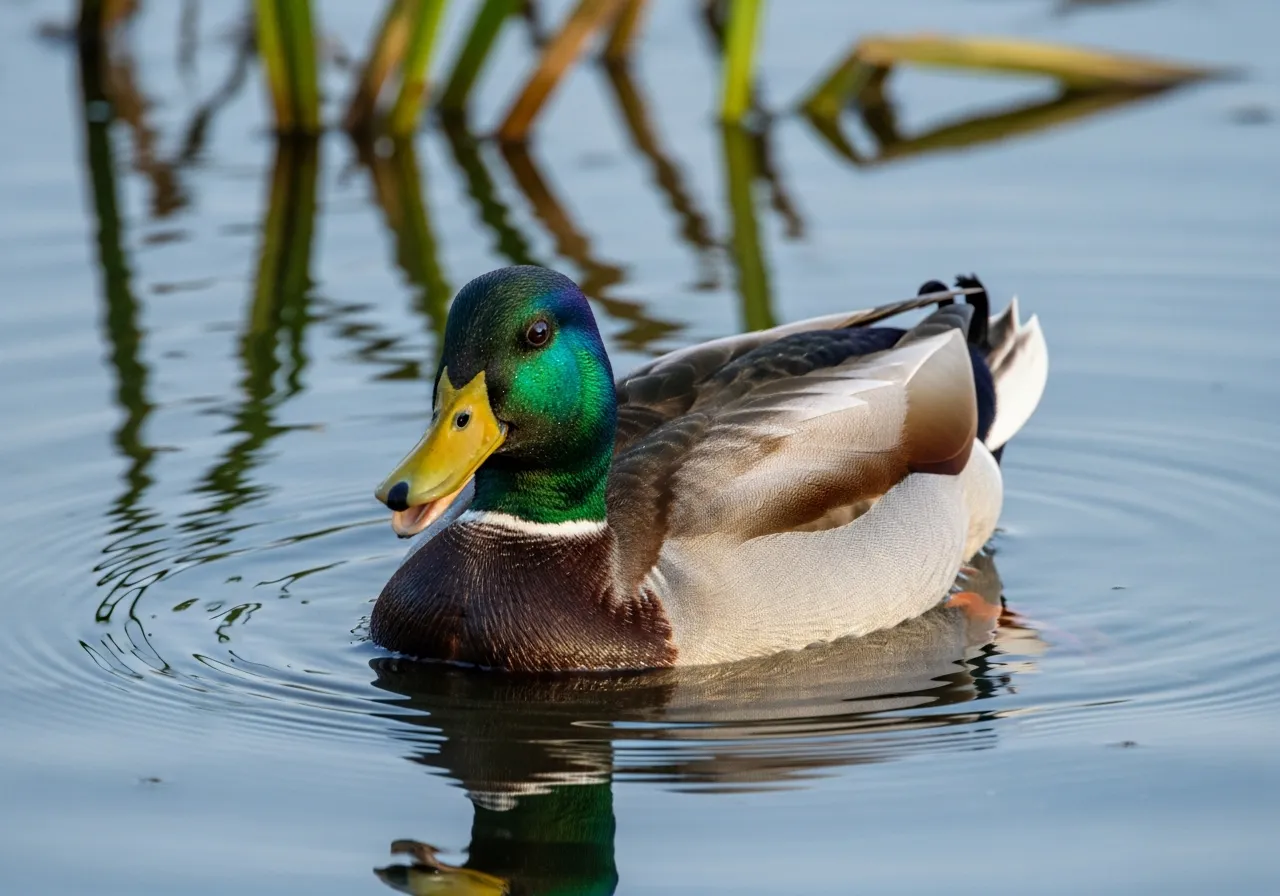
Source: Global Animal Guide (WARN)
In brief
A duck is a waterbird in the family Anatidae — smaller and shorter-necked than its relatives the geese and swans. Ducks have a broad flat bill, webbed feet and waterproof feathers, live on fresh and salt water worldwide, and feed by dabbling at the surface or diving underwater.
Also in Animals A to Z · Animals that start with D
By WARN Research & Conservation TeamLast updated
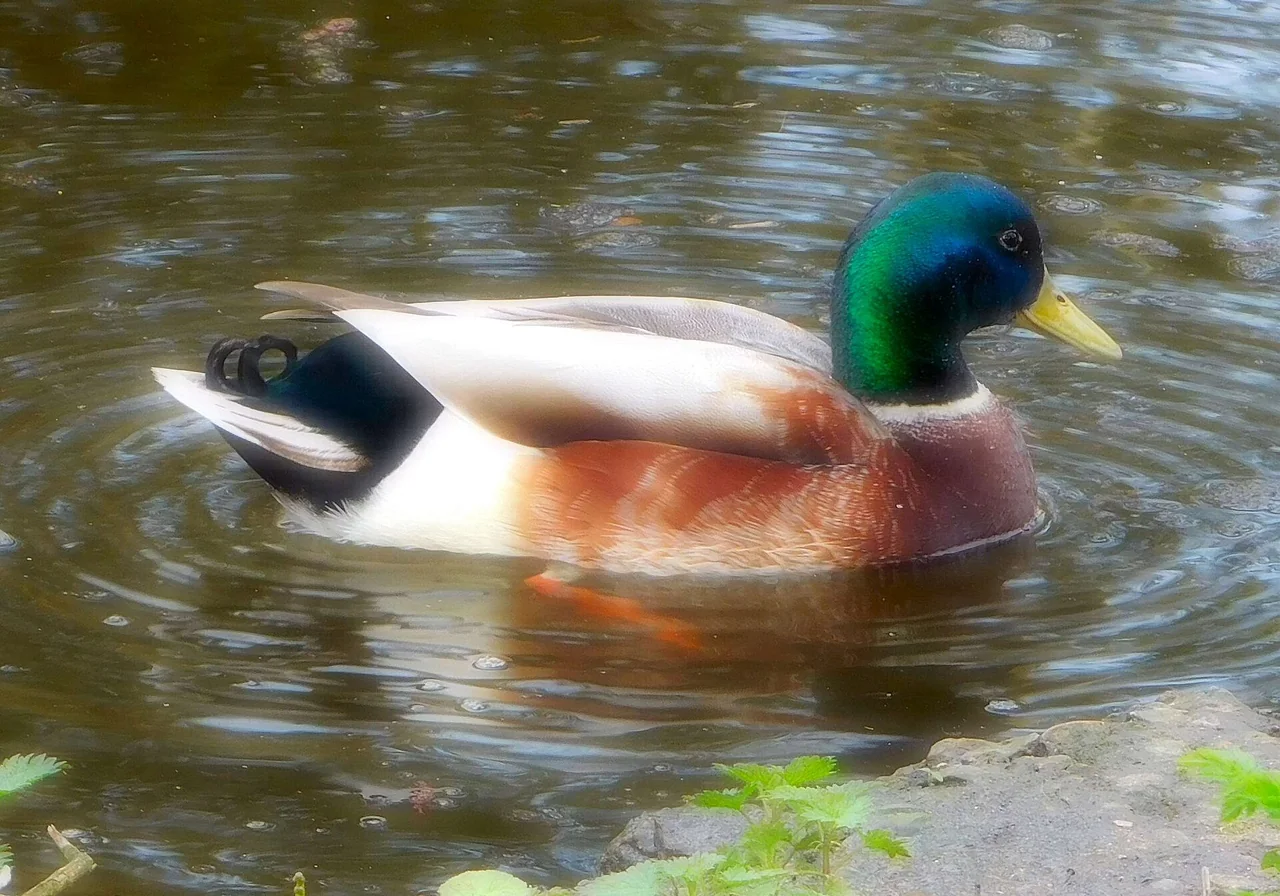
A duck is a waterbird in the family Anatidae, the same family as geese and swans, but smaller and shorter-necked. "Duck" is not a single scientific group: it covers many species across several subfamilies, united by a broad flat bill, webbed feet and dense waterproof plumage. The most familiar is the mallard (Anas platyrhynchos), a dabbling duck found across the Northern Hemisphere and the ancestor of almost all domestic ducks. Ducks live on fresh and salt water on every continent except Antarctica, feeding by dabbling at the surface or diving below it. Most common species are widespread and classed as Least Concern, though some specialised ducks are threatened by habitat loss.
17M+
Mature mallards estimated worldwide (IUCN)
50–65cm
Typical mallard body length
6
Continents ducks inhabit (all but Antarctica)
Least Concern
IUCN status of the mallard and many common ducks
Figures sourced from Wikipedia — Duck, Wikipedia — Mallard, IUCN Red List — Mallard (Anas platyrhynchos) and other references on this page.
Duck: Quick Facts
| Common name | Duck |
|---|---|
| Group | Many species in family Anatidae |
| Most familiar species | Mallard (Anas platyrhynchos) |
| Diet | Omnivore — seeds, plants, insects, molluscs, fish |
| Feeding styles | Dabbling (surface) and diving (underwater) |
| Mallard length | 50–65 cm (20–26 in) |
| Mallard weight | 0.7–1.6 kg (1.5–3.5 lb) |
| Distribution | Worldwide except Antarctica |
| Names | Drake (male), duck/hen (female), duckling (young) |
| IUCN status | Varies; mallard and many common ducks Least Concern |
Scientific Classification
| Kingdom | Animalia |
|---|---|
| Phylum | Chordata |
| Class | Aves |
| Order | Anseriformes |
| Family | Anatidae |
| Example genus | Anas |
| Example species | Anas platyrhynchos (mallard) |
Conservation Status
- IUCN Status
- Varies by species. "Duck" covers many species in the family Anatidae, ranging from Least Concern to Critically Endangered. The mallard (Anas platyrhynchos), the most familiar duck, is assessed by the IUCN as Least Concern. Other widespread ducks are similarly secure, while ducks restricted to small islands or specialised wetlands can be threatened or extinct, chiefly through habitat loss, introduced predators, hunting and hybridisation.
- Population
- Mallard: more than 17 million mature individuals (IUCN). Other species range from abundant to fewer than a thousand birds.
- Trend
- Varies; the mallard population is currently noted as decreasing despite remaining abundant.
- Assessed
- Mallard assessed Least Concern; latest IUCN Red List assessment 2024
- CITES
- Not all ducks are CITES-listed; some rarer species and their relatives appear on CITES appendices.
Because ducks depend almost entirely on wetlands, the draining, pollution and degradation of marshes, lakes, rivers and estuaries is the dominant pressure on the group worldwide.
Key Facts: Duck
- Ducks belong to the family Anatidae, alongside geese and swans, but are generally smaller and shorter-necked.
- The mallard (Anas platyrhynchos) is the most familiar species and the ancestor of almost all domestic duck breeds.
- Dabbling ducks feed at the surface or by upending; diving ducks submerge fully and are usually heavier.
- Waterproof feathers, kept oiled by preening and an insulating layer of down, let ducks stay warm and dry on water.
- A male is a drake, a female a duck or hen, and the young are ducklings; many drakes moult into dull 'eclipse' plumage in summer.
- Most common ducks are classed as Least Concern, but some specialised species face pressure from habitat loss.
What is a duck, and how does it differ from geese and swans?
A duck is a waterbird in the family Anatidae, which also contains geese and swans. There is no single "duck" group in scientific classification — the name is applied to many species spread across several subfamilies, and taxonomists still disagree on exactly how to divide them. What unites ducks is a familiar body plan: a broad, flattened bill, short legs set well back on the body, fully webbed front toes and dense, waterproof plumage. Compared with their relatives, ducks are generally smaller and noticeably shorter in the neck than the long-necked swans and geese. They also tend to have brighter, more patterned plumage, especially the males of Northern Hemisphere species. Ducks have a near-worldwide distribution, living on lakes, rivers, marshes, estuaries and coasts on every continent except Antarctica. Some, like the mallard, are at home almost anywhere there is water, including city parks; others are restricted to particular habitats such as fast rivers, sea coasts or tropical wetlands. This mix of a shared, recognisable form and great variety between species is exactly why "duck" is an everyday word rather than a precise scientific one.
How do ducks feed — dabbling versus diving?
Ducks are usually split into two broad feeding groups. Dabbling ducks, such as the mallard, teal and wigeon, feed at or just below the surface. They skim food from the water, graze on land, or "upend" — tipping forward so the head and neck are underwater and the tail points to the sky — to reach plants and small animals just beneath the surface. Many strain water through comb-like ridges along the edge of the bill, called the pecten or lamellae, trapping seeds, insects and tiny aquatic creatures. Dabbling ducks can usually spring almost straight up off the water into flight. Diving ducks, including pochards, scaup and eiders, submerge completely and swim underwater to feed on plants, molluscs, crustaceans and fish. They are typically heavier and have legs set further back, which makes them powerful swimmers but means they often need a running take-off across the water before becoming airborne. Diet varies widely between species and seasons: many ducks eat more plant matter outside the breeding season and take more protein-rich invertebrates when laying eggs and raising young.
Why are ducks so well adapted to life on water?
A duck's body is built for water. Its feathers are waterproof, kept that way by frequent preening: the duck draws its bill over its plumage, spreading oils and locking the feather barbs together so water runs off rather than soaking in. Beneath the outer feathers lies a thick layer of soft down that traps air and insulates against cold water — the same down long valued for filling quilts. Webbed feet act as paddles, and because the legs have little blood flow near the skin and a heat-exchange system in the circulation, ducks can stand on ice or swim in cold water without losing much body heat. Many ducks show strong differences between the sexes: in numerous Northern species the drake wears bright breeding colours while the female is mottled brown for camouflage on the nest. After breeding, drakes often moult into a dull "eclipse" plumage that resembles the female, and during this moult they briefly lose the power of flight while new wing feathers grow. A male is called a drake, a female a duck or hen, and the downy young are ducklings.
Are ducks endangered?
For ducks as a whole, the honest answer is: it depends on the species. "Duck" covers dozens of species, and their conservation status ranges from extremely abundant to critically threatened. Many of the most familiar ducks are doing well. The mallard, for example, is assessed by the IUCN as Least Concern, with a population estimated at more than 17 million mature individuals across an enormous range — although even its numbers are noted as currently decreasing. Other widespread, adaptable species are similarly secure. At the other end of the scale, ducks restricted to small islands, single lakes or specialised wetlands can be highly vulnerable. Several species have become endangered or extinct because of habitat loss, drainage of wetlands, introduced predators, hunting pressure and hybridisation with introduced ducks. Because ducks depend so completely on wetlands, the draining and pollution of marshes, lakes and estuaries is the single biggest pressure on the group. Protecting and restoring healthy wetlands benefits not only the rarer ducks but the whole community of waterbirds, fish, amphibians and insects that share their world.
Dabbling ducks vs diving ducks
| Feature | Dabbling ducks | Diving ducks |
|---|---|---|
| Examples | Mallard, teal, wigeon | Pochard, scaup, eider |
| How they feed | At the surface or by upending | Submerge fully and swim underwater |
| Typical food | Seeds, plants, surface insects | Molluscs, crustaceans, fish, water plants |
| Build | Lighter, legs more central | Heavier, legs set further back |
| Take-off | Spring almost straight off the water | Often need a running start across the water |
Duck Breeds Guide
From the Pekin and Khaki Campbell to the Muscovy, Indian Runner, Cayuga and eight more — explore 12 of the world's most searched duck breeds with temperament, egg production, common health issues and responsible care guidance.
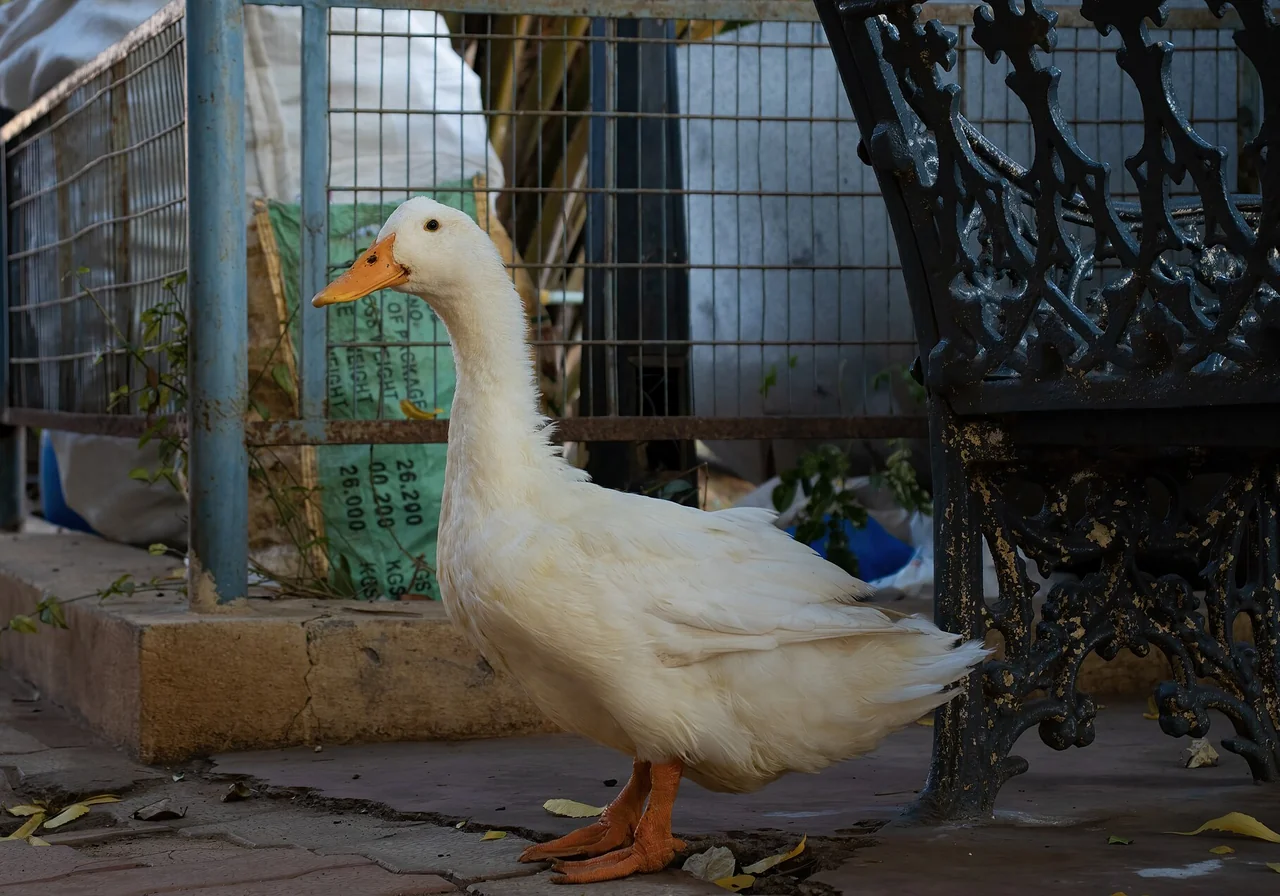
Pekin
China
Calm, friendly, vocal
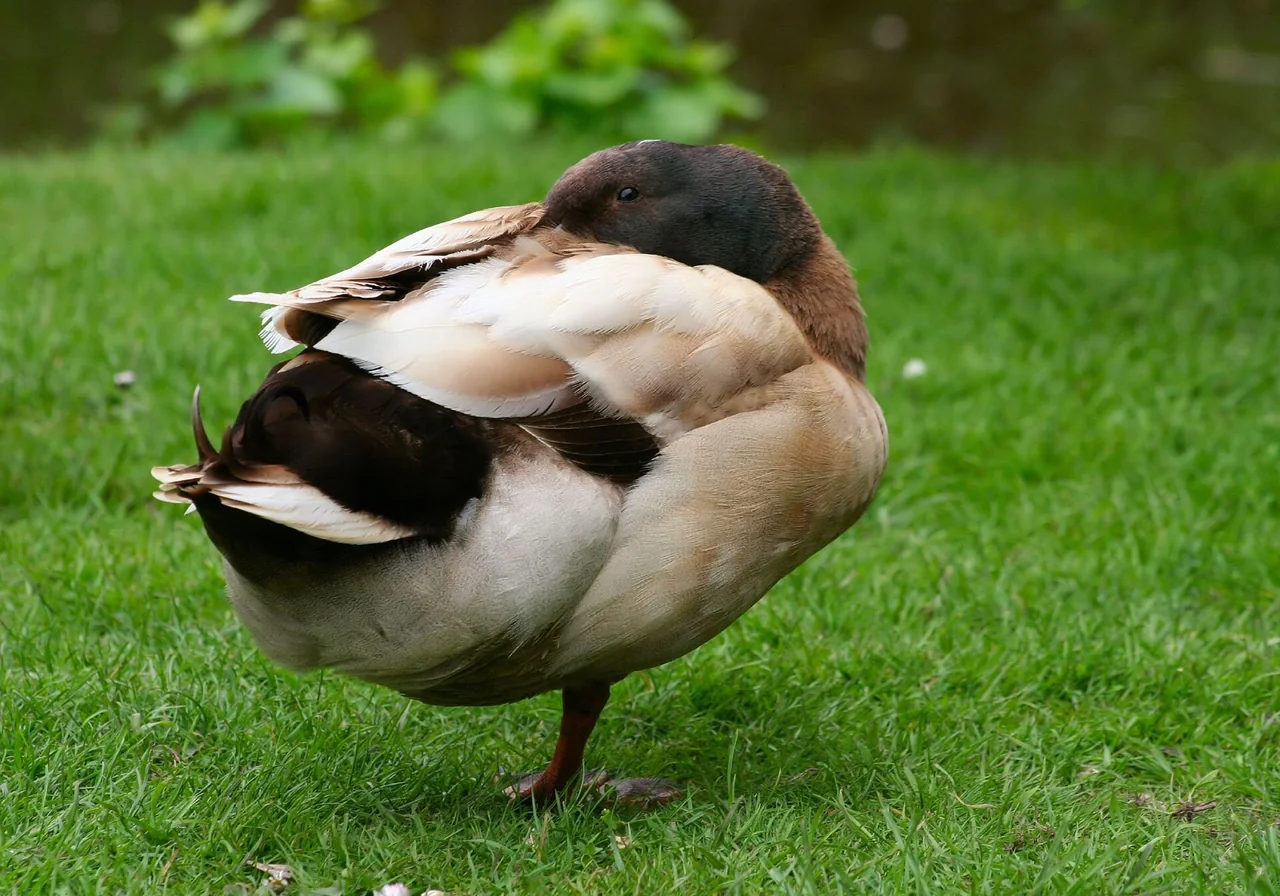
Khaki Campbell
England
Active, independent, foraging
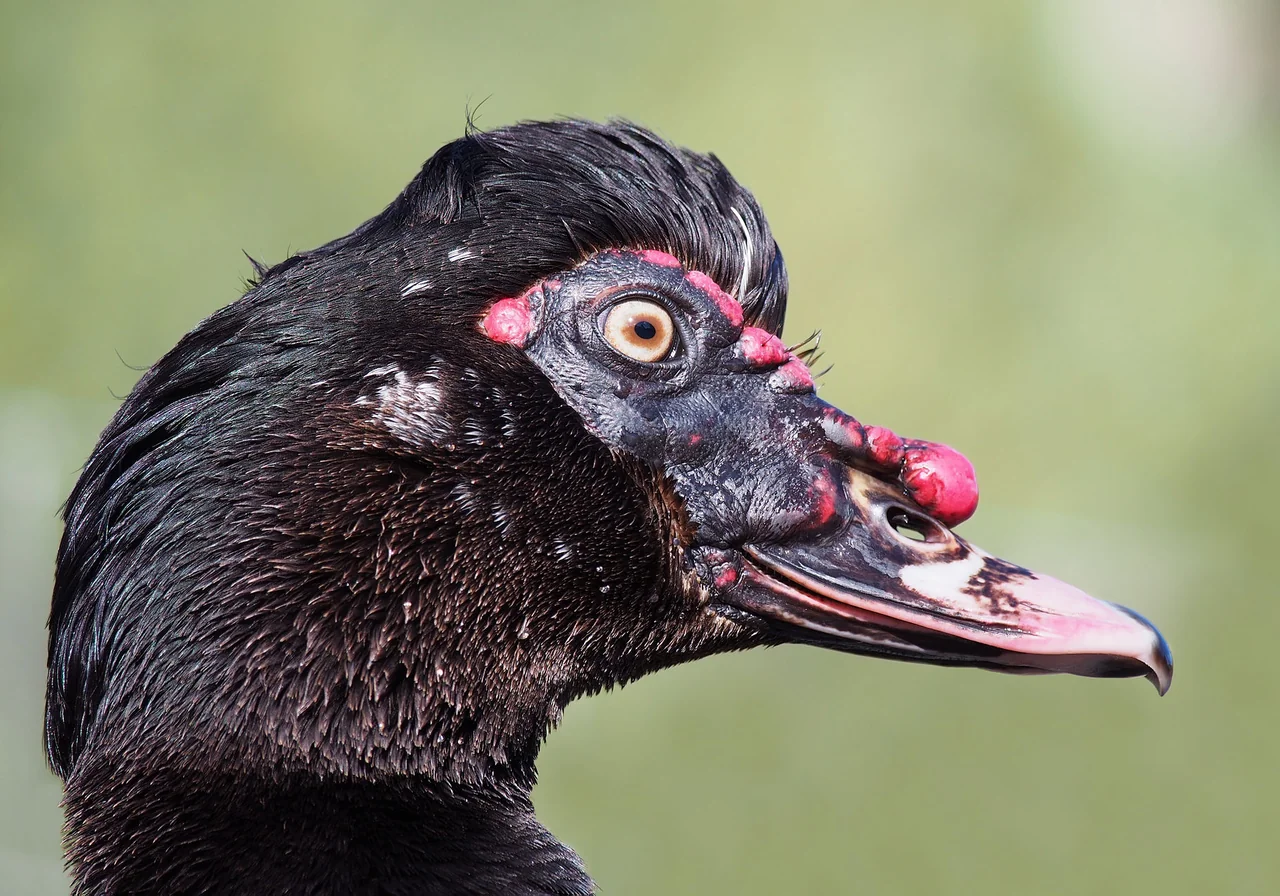
Muscovy
Central and South America
Quiet, calm, territorial
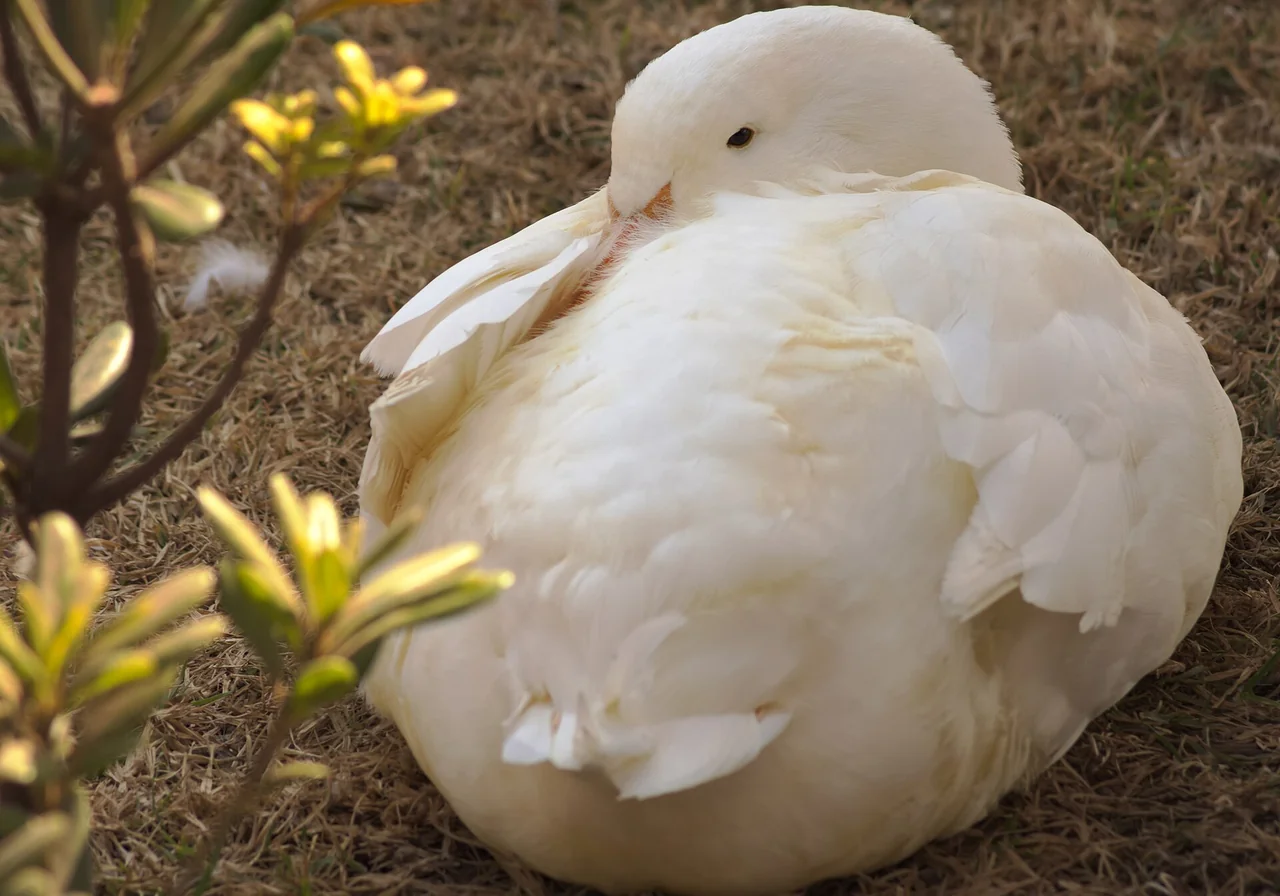
Indian Runner
Indonesia (via Europe)
Active, upright, foraging
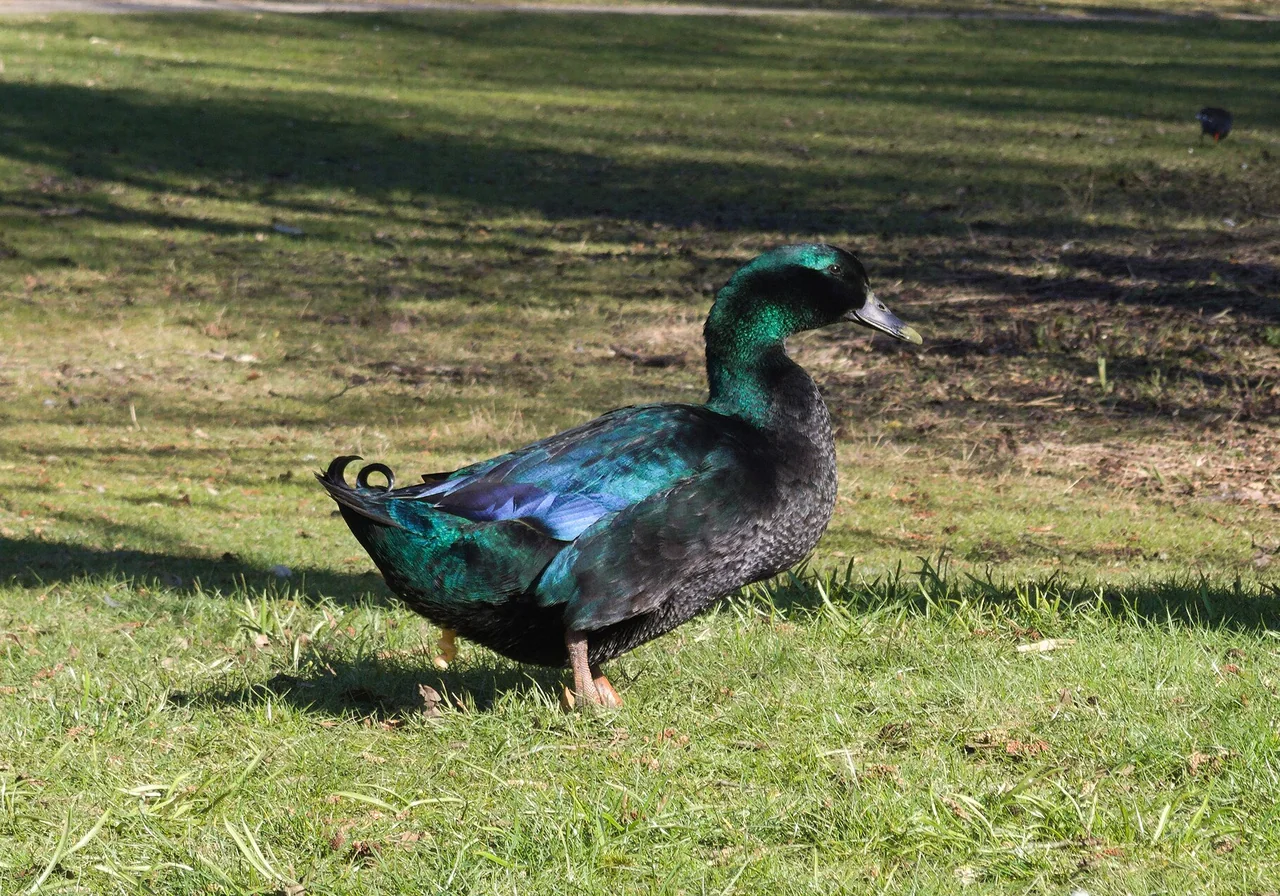
Cayuga
United States
Hardy, calm, cold-tolerant
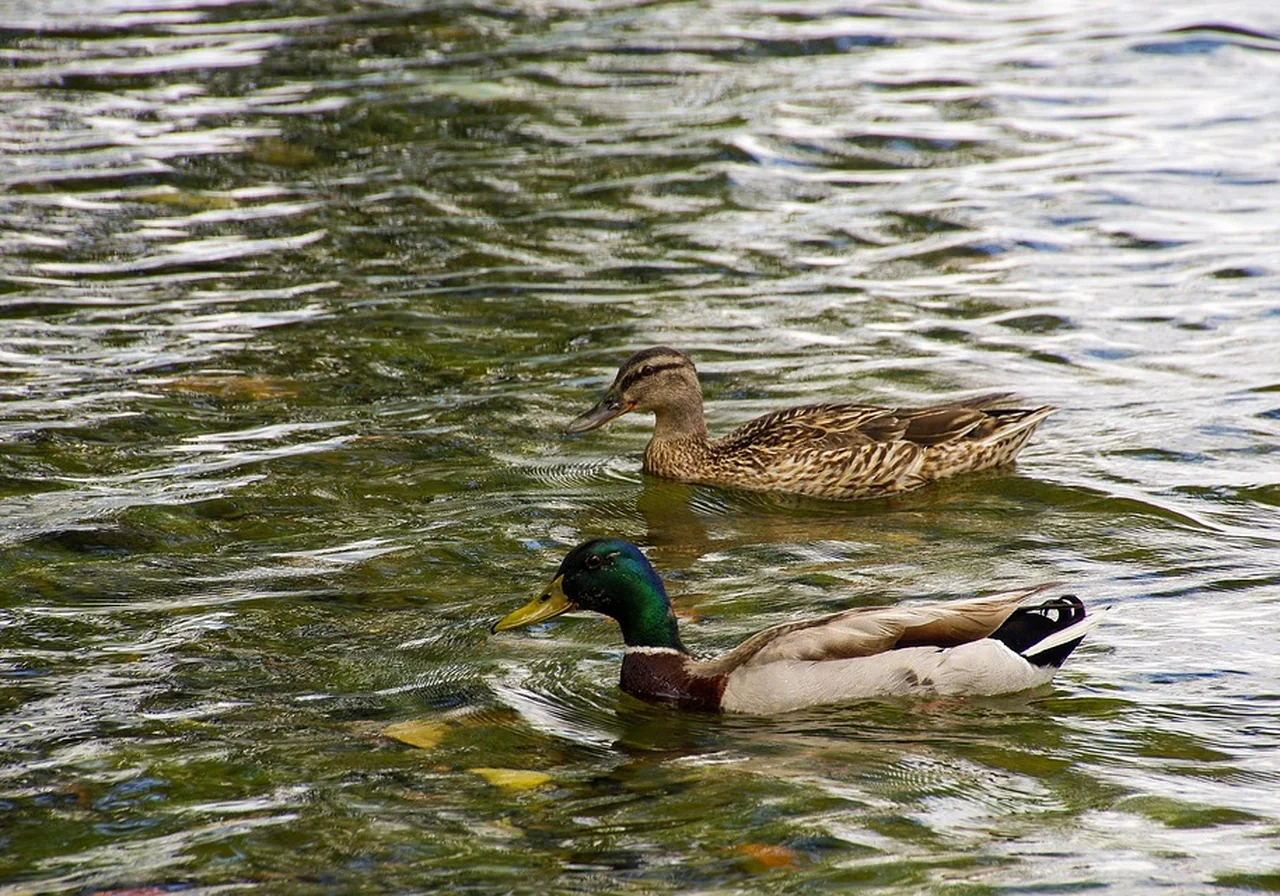
Rouen
France
Docile, slow, ornamental
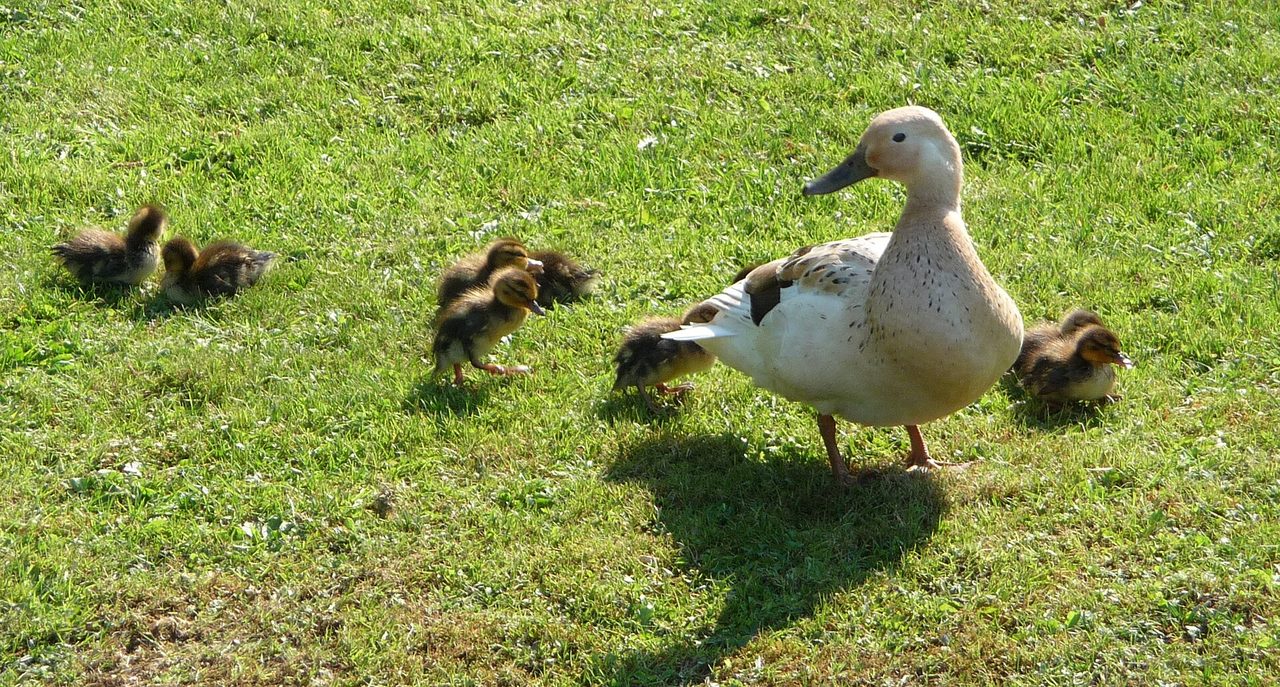
Welsh Harlequin
Wales
Calm, excellent layer, friendly
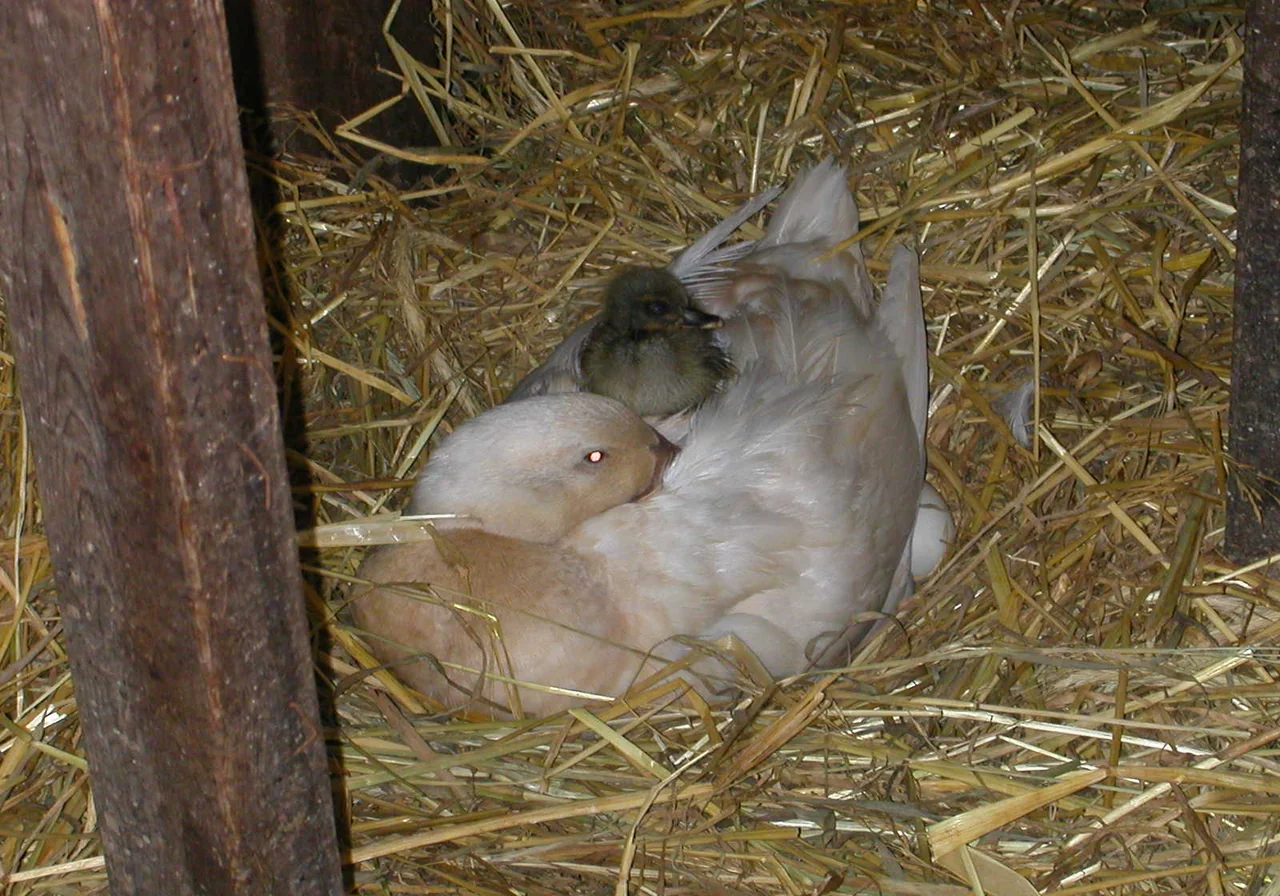
Buff Duck
United States/United Kingdom
Gentle, attractive, dual-purpose
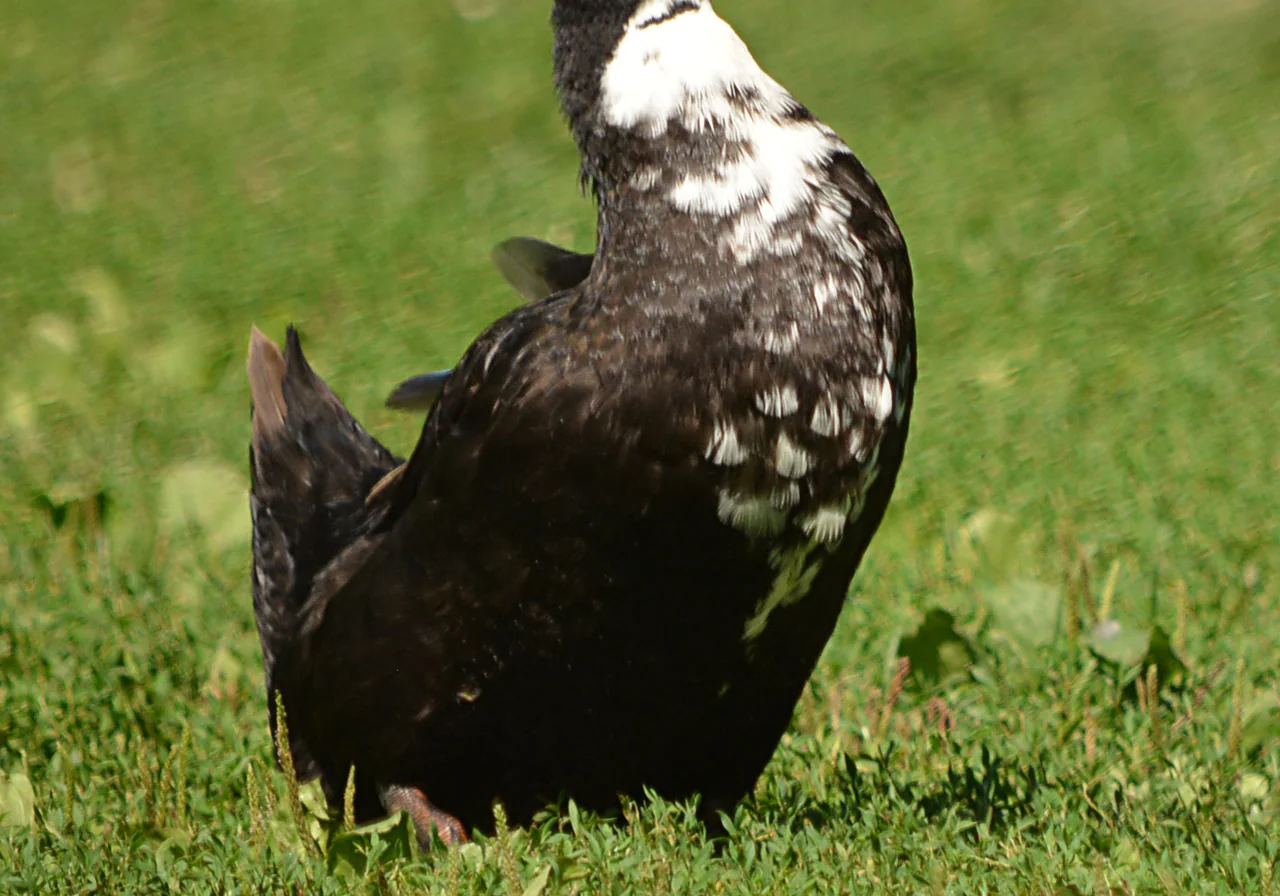
Swedish Blue
Sweden
Hardy, calm, foraging
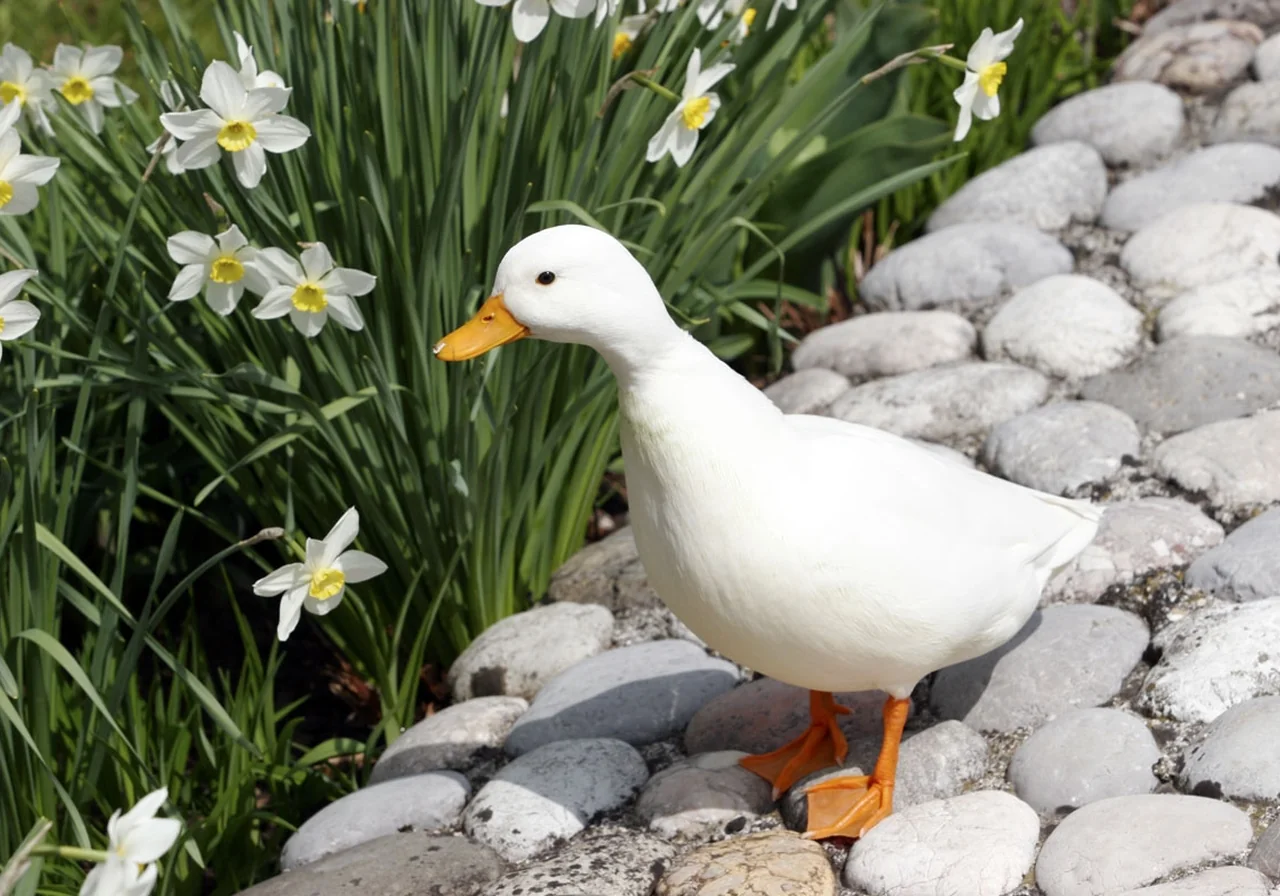
Call Duck
Netherlands/United Kingdom
Noisy, compact, showy
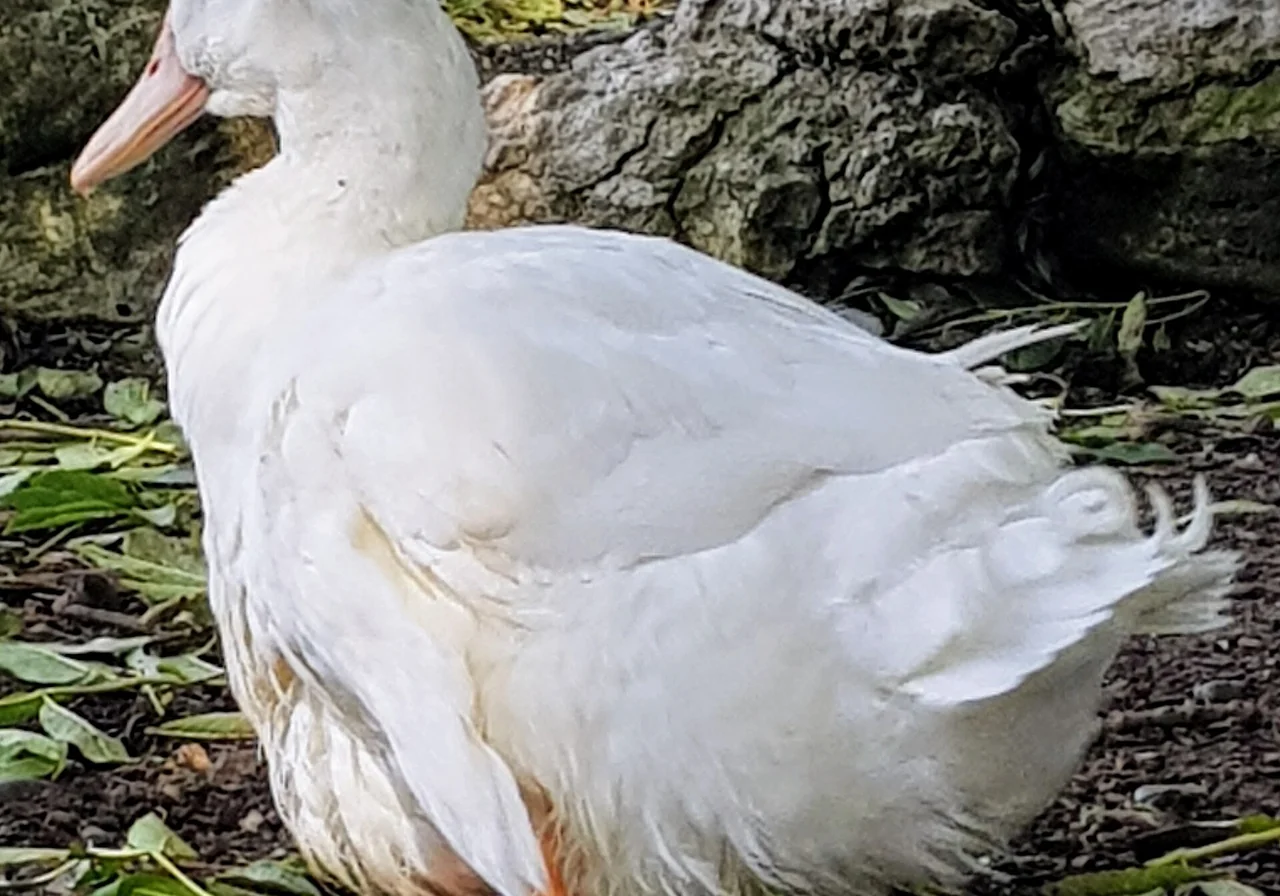
Aylesbury
England
Docile, meat-type, slow
Mallard (Domestic)
Worldwide (domestic form)
Wild-type alertness; domestic lines vary
What WARN Does
World Animal Rescue Network does not run field projects dedicated to wild ducks, which are widespread across the Northern Hemisphere and beyond, outside the countries where WARN's partners work. This guide is part of WARN's free educational library. The threats that affect specialised ducks most — wetland drainage, pollution and habitat loss — are the same pressures that harm many of the animals WARN's partners do protect, so understanding them helps the wider cause.
If this guide helped you understand ducks a little better, a small gift helps keep WARN's free wildlife education growing and supports the animals its partners care for every day.
Duck: Frequently Asked Questions
What is the difference between a duck, a goose and a swan?
What is the most common type of duck?
Why do ducks not get wet or cold in the water?
What do you call a male, female and baby duck?
What do ducks eat?
Are ducks endangered?
Where do ducks live?
Are ducks dangerous?
How long do ducks live?
How big is a duck?
Sources & References
Population figures, conservation status and biological facts on this page are drawn from authoritative scientific and intergovernmental sources.
Terms used on this page
Plain-English definitions, from our wildlife and conservation glossary.
Latest Duck Stories
Quick, fact-checked reads on the duck — amazing facts, key questions and the threats it faces.
Species
Slow Loris: Why the Internet's Favourite Pet Is a Conservation Disaster
The slow loris looks like a cartoon character — and that has nearly destroyed the species. Here is the truth behind the viral videos.
Read the storySpecies
The Snow Leopard: Why the Ghost of the Mountains Is Still Vulnerable
The snow leopard is one of the most elusive big cats on earth, with an estimated 4,000-6,500 individuals across twelve range states — including Pakistan, where WARN is preparing to operate. This briefing explains why the species was downlisted from Endangered to Vulnerable in 2017 and why that is not the success story it sounds like.
Read the storyGuides
Sun Bear vs Moon Bear: The Two Most Trafficked Asian Bears
The sun bear and the Asiatic black bear (moon bear) are the two most commonly trafficked bears in Asia — for the pet trade, for traditional medicine and for bear-bile farming. Here is how to tell them apart.
Read the storyExplore more animals
Discover more animals, their habitats and their conservation status in the WARN wildlife-guide library.