Duck Breed · England
Khaki Campbell
Elite egg layer in khaki plumage — bred for production without sacrificing hardiness.
By WARN Research & Conservation TeamLast updated
In brief
The Khaki Campbell is a lightweight duck breed developed in England for exceptional egg production. Hardy and active, it can lay 250–340 eggs per year while still foraging well on pasture.
What are the key facts about a Khaki Campbell?
The Khaki Campbell is a duck breed from England: light (1.8–2.3 kg), active, independent, foraging. Elite egg layer in khaki plumage — bred for production without sacrificing hardiness.
| Origin | England |
|---|---|
| Size | Light (1.8–2.3 kg) |
| Typical weight | 1.8–2.3 kg (4–5 lb) |
| Lifespan | 8–12 years |
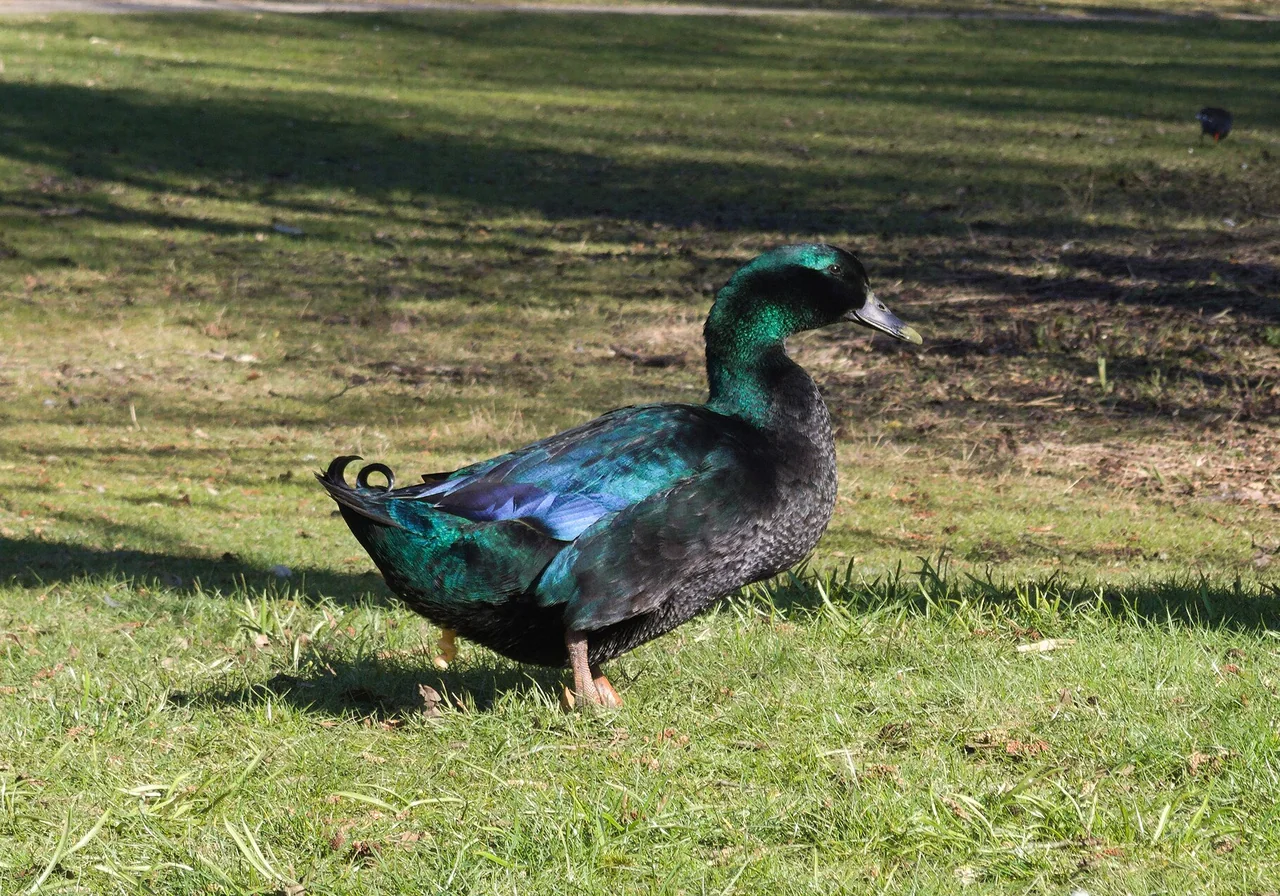
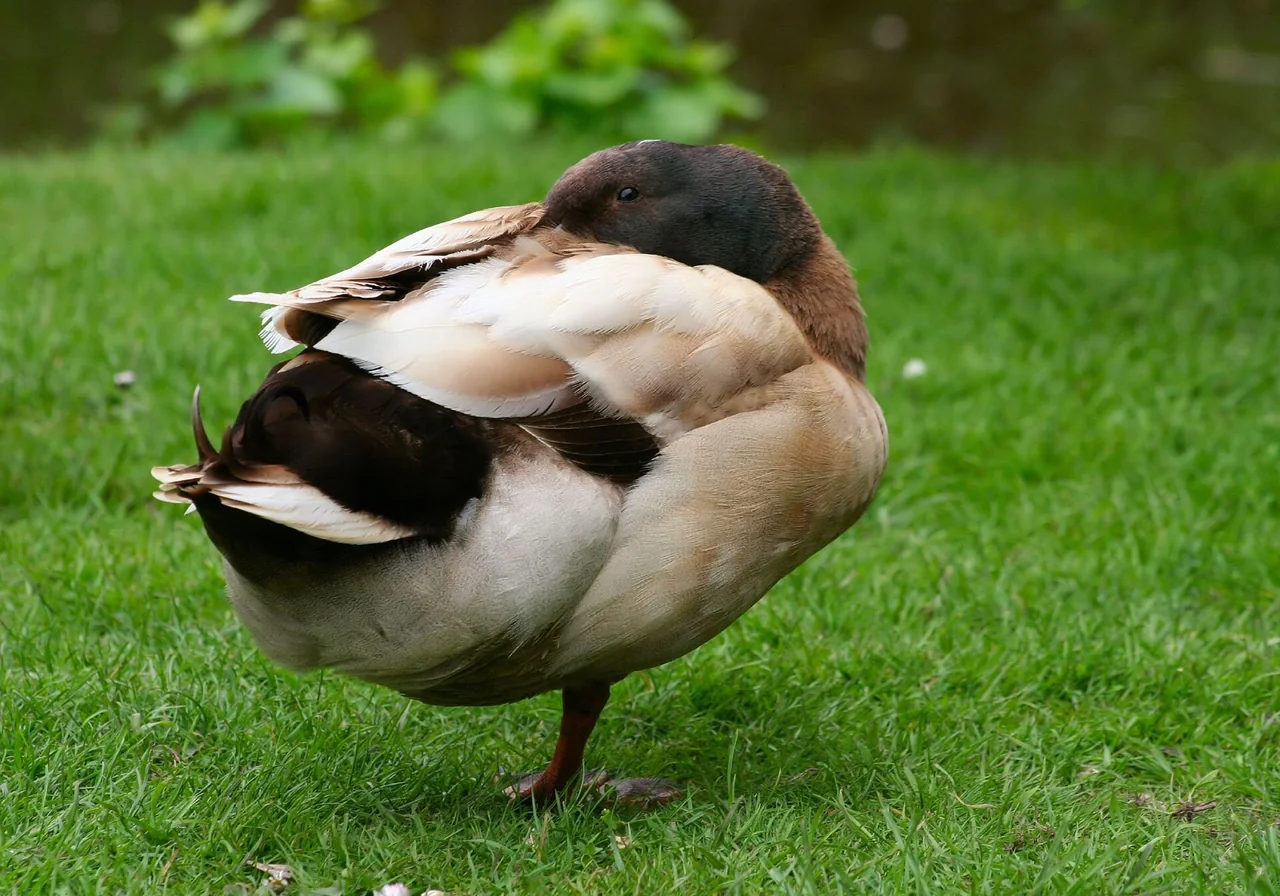
| Plumage | Khaki or buff-brown plumage; drakes have darker heads |
| Temperament | Active, independent, foraging |
| Best suited to | Egg-focused smallholdings, pasture systems, owners who want production without heavy breeds |
Should you keep a Khaki Campbell?
Keep a Khaki Campbell only if you can meet livestock law, land, feed and veterinary care — not because the duck looks friendly online. This England type is light (1.8–2.3 kg) and active, independent, foraging.
A Khaki Campbell is husbandry, not a house pet. Check local zoning, neighbour rules, and whether you can provide species-appropriate shelter, forage and handling. Elite egg layer in khaki plumage — bred for production without sacrificing hardiness.
Impulse “micro” livestock and Easter-gift birds are how ducks end up dumped. If you cannot commit for 8–12 years, do not start. Rescue and rehoming exist; buying a cheap animal you cannot keep is the problem this page is trying to prevent.
What is a Khaki Campbell?
Elite egg layer in khaki plumage — bred for production without sacrificing hardiness. Origin is England; coat or markings are described as Khaki or buff-brown plumage; drakes have darker heads.
Kennel and registry labels describe a type. Individual Khaki Campbells still vary, and rescue animals may be mixes.
Where does the Khaki Campbell come from?
Khaki Campbells come from England. Ad Mrs Adele Campbell developed the breed in Gloucestershire by crossing Indian Runners, Rouens and wild mallard stock.
She aimed for a practical farm duck that laid abundantly without specialised care. Khaki Campbell lines dominated twentieth-century egg-duck breeding and influenced modern hybrid layers.
That origin still shows. A Khaki Campbell is light (1.8–2.3 kg) and active, independent, foraging, typically living 8–12 years. Use the history as context for care and conservation, not as folklore to repeat without sources.
What husbandry does a Khaki Campbell need?
Khaki Campbell husbandry is land, feed, handling and veterinary access — for 8–12 years. This England type is light (1.8–2.3 kg) (1.8–2.3 kg (4–5 lb)) and active, independent, foraging.
Shelter, clean water, species-appropriate forage and a plan for parasites and feet or hooves are the baseline. Coat notes (Khaki or buff-brown plumage; drakes have darker heads) tell you about weather and grooming, not whether the animal can live in a garage.
Know what you will do with offspring, and do not keep a single highly social duck alone if the species is a flock or herd animal.
What surprises people about the Khaki Campbell?
A few details about the breed, alongside the practical care information in this guide.
- One Khaki Campbell reportedly laid 364 eggs in 365 days in official trials.
- The breed name reflects both its khaki colour and the breeder's surname.
- Campbells are lighter and more agile than Pekins.
- They remain popular in permaculture and homestead flocks.
What health issues should you know about in a Khaki Campbell?
Health concerns to discuss with your vet, including changes to watch for and everyday care. This is general guidance, not veterinary advice — always speak to your vet.
Egg binding
High-production ducks may struggle to pass oversized or stuck eggs, causing lethargy and straining.
Care: Provide calcium, oyster shell and prompt vet care if a duck stops eating or strains without laying.
Predator injuries if free-ranged unsafely
Light breeds are vulnerable to foxes, dogs and birds of prey when unprotected.
Care: Lock ducks in secure housing at night and supervise daytime ranging in predator-prone areas.
Niacin deficiency
Active foragers on chicken-only feed still risk leg weakness without adequate niacin.
Care: Use waterfowl feed or niacin supplementation, especially for growing ducklings.
Who should skip a Khaki Campbell?
Skip a Khaki Campbell if you are owners who wanted a low-exercise companion. This England duck is light (1.8–2.3 kg) and active, independent, foraging — the mismatch is usually lifestyle, not a missing accessory.
This page is allowed to say no. Skip if you are owners who wanted a low-exercise companion. Skip if you are first-time owners hoping the animal will train itself. Skip if you are anyone without land, zoning permission, and a vet.
A different duck breed on this site may fit. Wanting “a Khaki Campbell” after a film or a colour photo is not a reason to ignore the skip list.
What are the hidden catches with a Khaki Campbell?
The hidden cost of a Khaki Campbell is usually not the purchase price. It is years of care, the health list on this page, and the mismatch between a active, independent, foraging animal and a busy home.
The impulse-buy catch
A Khaki Campbell from England is often sold on looks. Coat, colour and size are not a temperament test. Meet the adult animal, ask about health screening, and walk away from pressure sales.
The egg binding catch
High-production ducks may struggle to pass oversized or stuck eggs, causing lethargy and straining. Provide calcium, oyster shell and prompt vet care if a duck stops eating or strains without laying.
The predator injuries if free-ranged unsafely catch
Light breeds are vulnerable to foxes, dogs and birds of prey when unprotected. Lock ducks in secure housing at night and supervise daytime ranging in predator-prone areas.
How does a Khaki Campbell compare with Muscovy and Indian Runner?
A Khaki Campbell is not interchangeable with Muscovy and Indian Runner. Compare origin, size, lifespan and temperament before you choose — those four lines prevent most regret.
| Duck fact | Khaki Campbell | Muscovy | Indian Runner |
|---|---|---|---|
| Origin | England | Central and South America | Indonesia (via Europe) |
| Size | Light (1.8–2.3 kg) | Large (2.7–6.8 kg) | Light (1.8–2.3 kg) |
| Lifespan | 8–12 years | 8–12 years | 8–15 years |
| Temperament | Active, independent, foraging | Quiet, calm, territorial | Active, upright, foraging |
What is the verdict on the Khaki Campbell?
Choose a Khaki Campbell only if the care, skip-if and health sections still look like your life after a week of thinking. Otherwise pick a different duck or wait. Rescue is usually the better first door than a waiting-list puppy or kitten.
If the match is real, budget for 8–12 years of vet care and do not skip health screening. If it is not, walking away is the kind choice — for you and for the animal.
Ducks deserve proper care
Domestic ducks are often bought as Easter gifts or pond ornaments without understanding their social, dietary and veterinary needs. These guides support responsible keeping and WARN's broader animal welfare education mission.