Ferret Breed · Domestic (colour type)
Black Sable
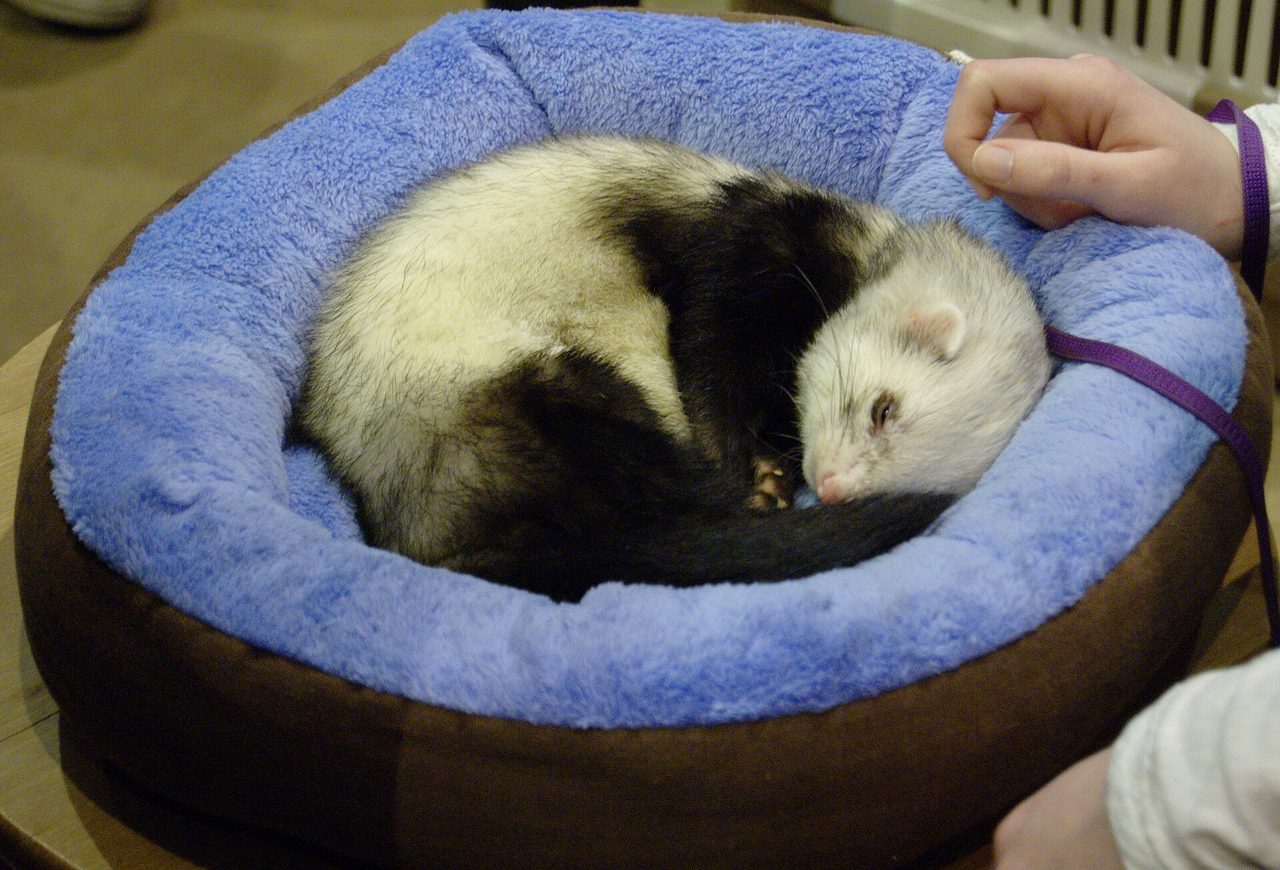
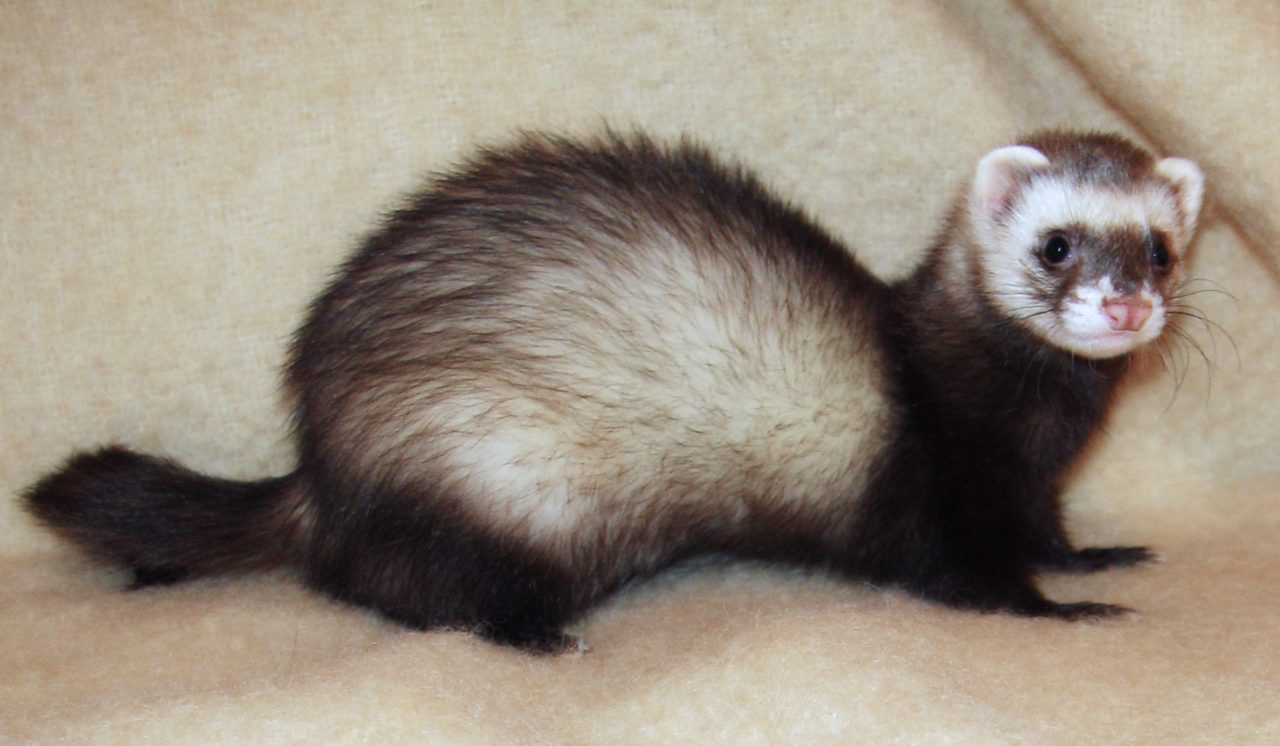
Deep, almost black guard hairs with a warm undercoat — darker than standard sable.
By WARN Research & Conservation TeamLast updated
In brief
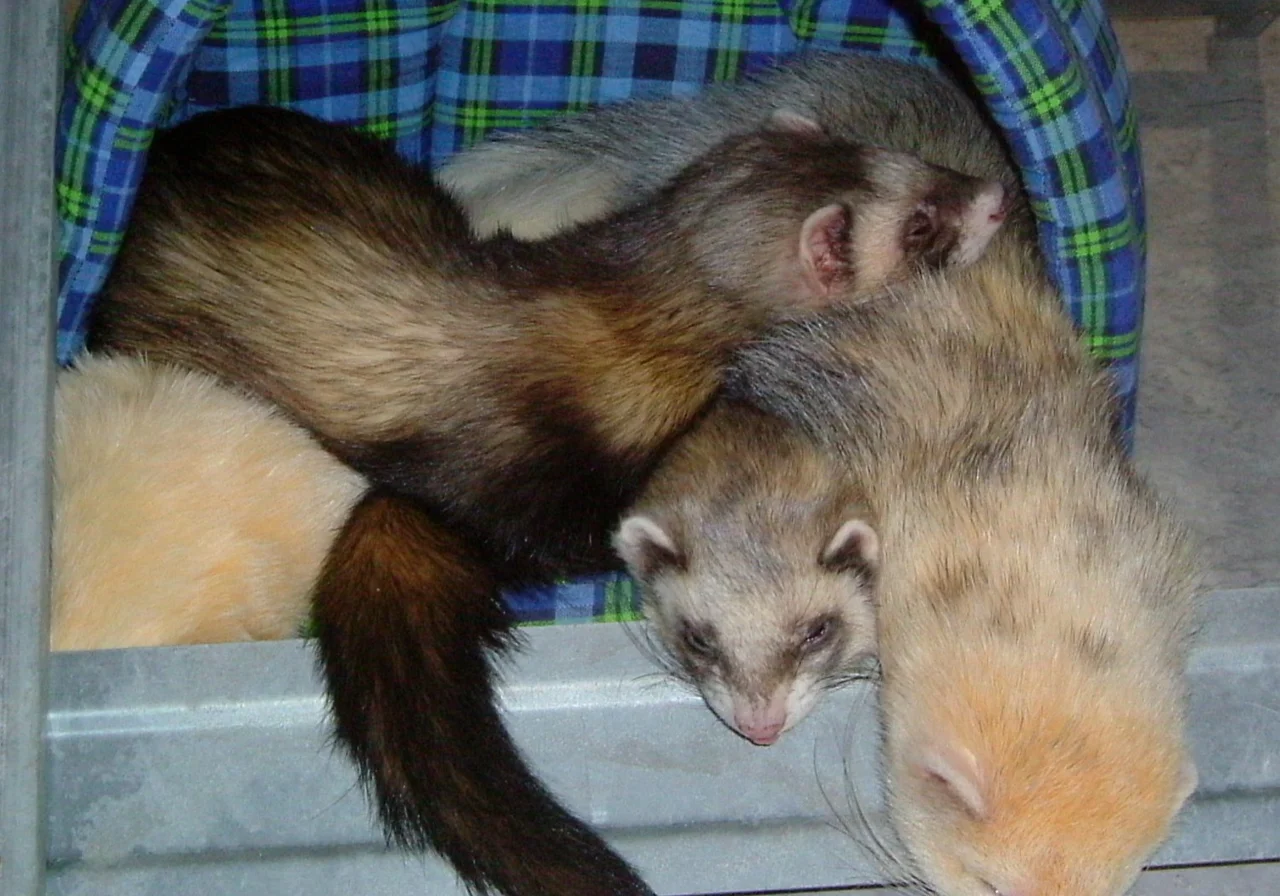
The Black Sable ferret is a domestic colour type with deep, almost black guard hairs over a warm undercoat — darker than standard sable. Its defining trait is rich coat contrast and a bold, playful temperament typical of working ferret lines.
What are the key facts about a Black Sable?
The Black Sable is a ferret breed from Domestic (colour type): small (0.7–2 kg), bold, playful, determined. Deep, almost black guard hairs with a warm undercoat — darker than standard sable.
| Origin | Domestic (colour type) |
|---|---|
| Size | Small (0.7–2 kg) |
| Adult weight | 0.7–2 kg (1.5–4.4 lb); compact muscular body |
| Lifespan | 5–10 years |
| Coat & colour | Short dense fur with dark guard hairs and a lighter cream or gold undercoat visible when parted. The face often shows a pronounced mask. Seasonal moults thicken the coat in winter; regular brushing limits ingested fur during heavy sheds. |
| Temperament | Bold, playful, determined |
| Best suited to | Well suited to experienced ferret owners who enjoy energetic, determined companions. Black sables tolerate robust play and often excel at enrichment games. They need ferret companions or dedicated human interaction daily and a cool indoor environment. |
Is a Black Sable a good ferret for you?
A Black Sable is a good ferret when your home matches well suited to experienced ferret owners who enjoy energetic, determined companions. black sables tolerate robust play and often excel at enrichment games. they need ferret companions or dedicated human interaction daily and a cool indoor environment.. It is a bold, playful, determined small (0.7–2 kg) breed from Domestic (colour type).
Deep, almost black guard hairs with a warm undercoat — darker than standard sable. That one-line pitch is not a care plan. Factor grooming (Short dense fur with dark guard hairs and a lighter cream or gold undercoat visible when parted. The face often shows a pronounced mask. Seasonal moults thicken the coat in winter; regular brushing limits ingested fur during heavy sheds.), typical adult size (0.7–2 kg (1.5–4.4 lb); compact muscular body), and the health issues listed below before you pay a deposit.
Meet adults of the breed, not only puppies or kittens, and prefer rescue or health-screened homes. A Black Sable that looks right in a photo can still be the wrong animal for a small flat, a full-time office job, or a household that wanted a low-energy companion.
What is a Black Sable?
Deep, almost black guard hairs with a warm undercoat — darker than standard sable. Origin is Domestic (colour type); coat or markings are described as Short dense fur with dark guard hairs and a lighter cream or gold undercoat visible when parted. The face often shows a pronounced mask. Seasonal moults thicken the coat in winter; regular brushing limits ingested fur during heavy sheds..
Kennel and registry labels describe a type. Individual Black Sables still vary, and rescue animals may be mixes.
Where does the Black Sable come from?
Black Sables come from Domestic (colour type). Black sable types were refined for deeper coat contrast in European and North American ferret clubs from the 1970s onward.
The variety descends from polecat-influenced working stock crossed with lighter pet lines. Breeders selected for uniform dark guard hairs while preserving the warm undercoat that distinguishes sable from true black. Black sable remains a staple colour in both exhibition and companion ferret breeding.
That origin still shows. A Black Sable is small (0.7–2 kg) and bold, playful, determined, typically living 5–10 years. Use the history as context for care and conservation, not as folklore to repeat without sources.
How much care does a Black Sable need?
Plan 5–10 years of food, vet care, grooming and time. A Black Sable is small (0.7–2 kg) (0.7–2 kg (1.5–4.4 lb); compact muscular body) from Domestic (colour type), with coat care described as short dense fur with dark guard hairs and a lighter cream or gold undercoat visible when parted. the face often shows a pronounced mask. seasonal moults thicken the coat in winter; regular brushing limits ingested fur during heavy sheds..
Match daily exercise to the bold, playful, determined temperament rather than to Instagram.
Grooming follows the coat, not a generic clip: Short dense fur with dark guard hairs and a lighter cream or gold undercoat visible when parted. The face often shows a pronounced mask. Seasonal moults thicken the coat in winter; regular brushing limits ingested fur during heavy sheds.. Keep the animal lean; extra weight is a joint and heart tax, especially in a small ferret.
Budget for unexpected vet bills. The health section below is why “cheap to buy” is not the same as cheap to keep.
What surprises people about the Black Sable?
A few details about the breed, alongside the practical care information in this guide.
- Black sable ferrets often appear nearly black until sunlight reveals the warm undercoat.
- Working ferret lines historically favoured darker coats for camouflage in burrows.
- The mask pattern can lighten slightly with age in some individuals.
- Black sable is one of the oldest recognised colour categories in ferret standards.
What health issues should you know about in a Black Sable?
Health concerns to discuss with your vet, including changes to watch for and everyday care. This is general guidance, not veterinary advice — always speak to your vet.
Adrenal disease
Middle-aged ferrets may develop adrenal tumours causing symmetrical or patchy alopecia and vulvar swelling in females.
Care: Hormone implants or surgical options exist; early intervention prevents secondary skin trauma from scratching.
Insulinoma
Progressive pancreatic beta-cell tumours lead to hypoglycaemia signs that worsen over months to years.
Care: Combine dietary management with prednisolone or other medications as directed by your vet.
Heat stress
Temperatures above 26 °C can cause panting, collapse and death in ferrets within minutes.
Care: Use air conditioning or fans in summer, never leave ferrets in cars, and offer cool surfaces and hydration.
Who should skip a Black Sable?
Skip a Black Sable if you are homes that cannot match a bold, playful, determined small (0.7–2 kg) ferret from Domestic (colour type). This Domestic (colour type) ferret is small (0.7–2 kg) and bold, playful, determined — the mismatch is usually lifestyle, not a missing accessory.
This page is allowed to say no. Skip if you are homes that cannot match a bold, playful, determined small (0.7–2 kg) ferret from Domestic (colour type).
A different ferret breed on this site may fit. Wanting “a Black Sable” after a film or a colour photo is not a reason to ignore the skip list.
What are the hidden catches with a Black Sable?
The hidden cost of a Black Sable is usually not the purchase price. It is years of care, the health list on this page, and the mismatch between a bold, playful, determined animal and a busy home.
The impulse-buy catch
A Black Sable from Domestic (colour type) is often sold on looks. Coat, colour and size are not a temperament test. Meet the adult animal, ask about health screening, and walk away from pressure sales.
The adrenal disease catch
Middle-aged ferrets may develop adrenal tumours causing symmetrical or patchy alopecia and vulvar swelling in females. Hormone implants or surgical options exist; early intervention prevents secondary skin trauma from scratching.
The insulinoma catch
Progressive pancreatic beta-cell tumours lead to hypoglycaemia signs that worsen over months to years. Combine dietary management with prednisolone or other medications as directed by your vet.
How does a Black Sable compare with Panda and Blaze?
A Black Sable is not interchangeable with Panda and Blaze. Compare origin, size, lifespan and temperament before you choose — those four lines prevent most regret.
| Ferret fact | Black Sable | Panda | Blaze |
|---|---|---|---|
| Origin | Domestic (colour type) | Domestic (colour type) | Domestic (colour type) |
| Size | Small (0.7–2 kg) | Small (0.7–2 kg) | Small (0.7–2 kg) |
| Lifespan | 5–10 years | 5–10 years | 5–10 years |
| Temperament | Bold, playful, determined | Social, lively, sometimes deaf | Curious, friendly, active |
What is the verdict on the Black Sable?
Choose a Black Sable only if the care, skip-if and health sections still look like your life after a week of thinking. Otherwise pick a different ferret or wait. Rescue is usually the better first door than a waiting-list puppy or kitten.
If the match is real, budget for 5–10 years of vet care and do not skip health screening. If it is not, walking away is the kind choice — for you and for the animal.
Ferrets need responsible homes
Ferrets are playful companions but often bought on impulse and abandoned when owners underestimate their care needs. WARN publishes these guides to promote responsible ownership and highlight the wider exotic-pet welfare issues our partners confront.