Wildlife Guide · Worldwide (as a domestic pet and working animal) & Europe
Ferret
Mustela furo
The long, playful, domesticated polecat that has shared human homes and warrens for over two thousand years.
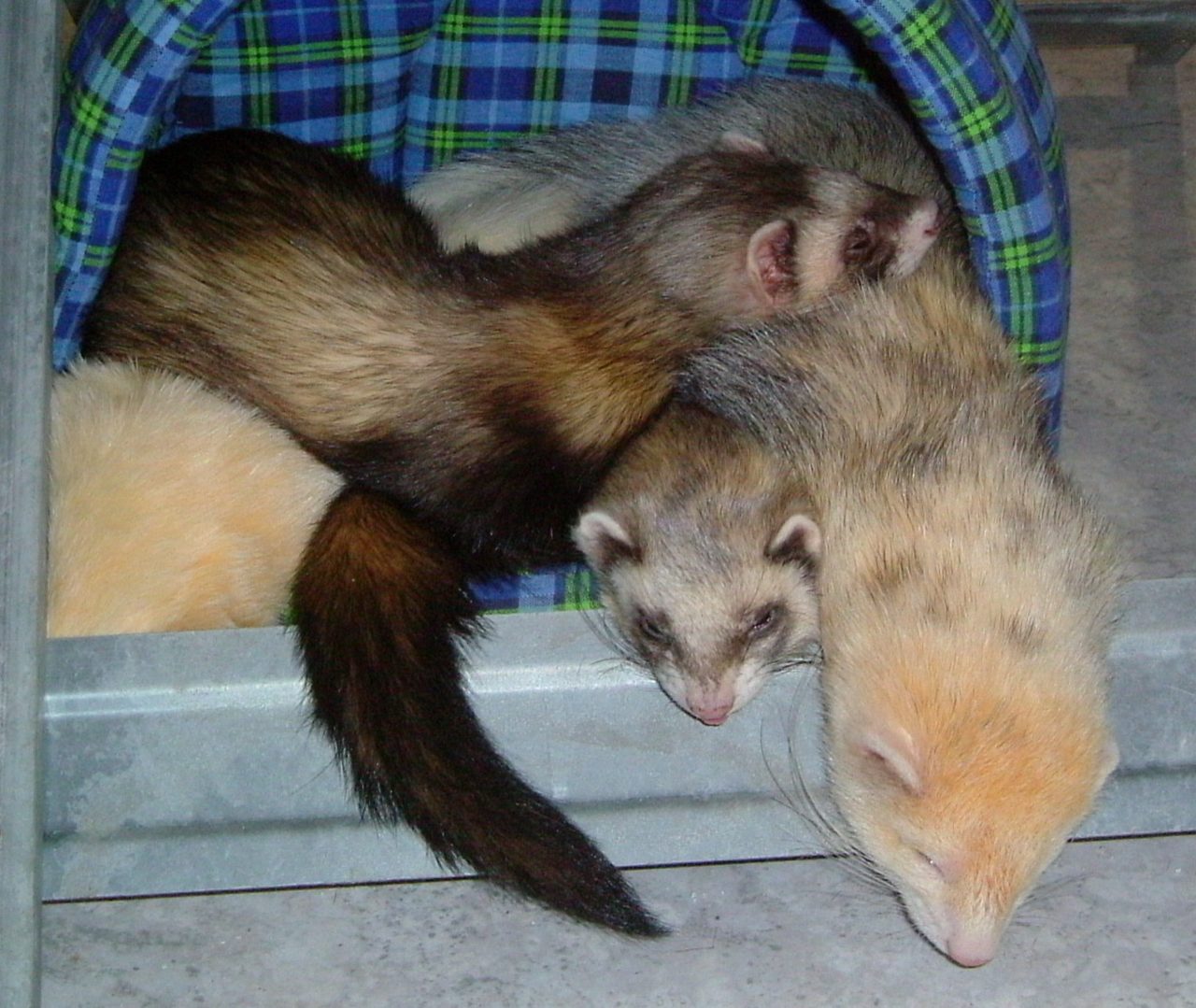
Source: Wikimedia Commons — “Fretts 301004 selbstfotografiert, GNU-FDL” by Viki, CC BY-SA 3.0
In brief
A ferret (Mustela furo) is a domesticated member of the weasel family, bred from the European polecat about 2,500 years ago. Long-bodied, playful and carnivorous, it has long been used to hunt rabbits and is today a popular household pet, typically living seven to ten years.
Also in Animals A to Z · Animals that start with F
By WARN Research & Conservation TeamLast updated
The ferret (Mustela furo) is a small, long-bodied carnivore in the weasel family, Mustelidae, domesticated from the European polecat roughly 2,500 years ago. Bred originally to flush rabbits and rodents from burrows, ferrets are now one of the most popular small pets in the world, kept for their curious, mischievous and intensely playful nature. Slinky and supple, they sleep up to 18 hours a day yet burst into acrobatic bouts of the famous "weasel war dance" when awake. As obligate carnivores they need a meat-based diet. Crucially, the domestic ferret is a tame animal, not a wild or threatened one, and should not be confused with the endangered black-footed ferret of North America.
~2,500 yrs
Since ferrets were first domesticated
7-10 yrs
Typical pet lifespan
~50 cm
Head-and-body length, plus a 13 cm tail
14-18 hrs
Spent sleeping each day
Figures sourced from Wikipedia: Ferret, Wikipedia: Black-footed ferret, Wikipedia: European polecat and other references on this page.
Ferret: Quick Facts
| Common name | Ferret (domestic ferret) |
|---|---|
| Scientific name | Mustela furo |
| Family | Mustelidae (weasel family) |
| Wild ancestor | European polecat (Mustela putorius) |
| Domesticated | About 2,500 years ago |
| Length | ~50 cm body, plus ~13 cm tail |
| Weight | ~0.7-2 kg (males larger than females) |
| Diet | Obligate carnivore |
| Lifespan | 7-10 years (pet) |
| Gestation | ~42 days, litters of 3-7 kits |
Scientific Classification
| Kingdom | Animalia |
|---|---|
| Phylum | Chordata |
| Class | Mammalia |
| Order | Carnivora |
| Family | Mustelidae |
| Genus | Mustela |
| Species | Mustela furo |
Conservation Status
- IUCN Status
- The domestic ferret (Mustela furo) is a domesticated animal and is not assessed on the IUCN Red List; it has no wild population requiring conservation. By contrast, the separate black-footed ferret (Mustela nigripes) of North America is classified as Endangered, and the wild ancestor of the domestic ferret, the European polecat (Mustela putorius), is listed as Least Concern.
- Population
- Not assessed as a wild species; kept as a pet and working animal worldwide, with several million in the United States alone.
- Trend
- Not applicable (domesticated); pet populations are stable to common.
- Assessed
- Not assessed (domesticated species)
- CITES
- Not listed on the CITES appendices as a domestic animal.
Because the ferret is domesticated, conservation concern attaches not to it but to its wild relatives, especially the Endangered black-footed ferret.
Key Facts: Ferret
- The ferret is a domesticated animal bred from the wild European polecat, not a wild species in its own right.
- It belongs to the weasel family (Mustelidae) and is an obligate carnivore that thrives on a meat-based diet.
- Ferrets are renowned for their playfulness, including the bouncy, sideways "weasel war dance".
- They have been used for centuries to hunt rabbits and rodents out of their burrows, a practice called ferreting.
- The domestic ferret should not be confused with the Endangered black-footed ferret of the North American prairies.
- Pet ferrets are legal in many places but restricted or banned in some jurisdictions, so always check local laws first.
What kind of animal is a ferret?
The ferret is a domesticated mammal in the genus Mustela and the family Mustelidae, which also includes weasels, stoats, polecats, mink and otters. Its scientific name, Mustela furo, reflects its place among the true weasels. Like its relatives, the ferret has a long, tubular body, short legs, a flexible spine and a pointed face, an anatomy perfectly suited to following prey down narrow tunnels. Adults usually measure around 50 cm in head-and-body length with a tail of about 13 cm, and weigh between roughly 0.7 and 2 kg, with males noticeably larger than females. Coat colours range from the classic dark-masked "sable" through albino (white with pink eyes) to silver, cinnamon and chocolate. Genetic and historical evidence indicates the ferret was domesticated from the European polecat (Mustela putorius) around 2,500 years ago, most likely to control rabbits and rodents. This long shared history with people makes the ferret a true domestic animal, comparable to the cat or dog rather than a tamed wild creature.
How do ferrets behave, and what do they eat?
Ferrets are intelligent, inquisitive and famously playful. They sleep deeply for 14 to 18 hours a day and are most active around dawn and dusk, a crepuscular rhythm inherited from their hunting ancestors. When awake and excited they perform the "weasel war dance": a frenzied series of sideways hops, bumps and backward shuffles that signals pure delight rather than aggression. They are social by nature and often kept in pairs or small groups, communicating through soft chuckles known as "dooking". As members of the weasel family, ferrets are obligate carnivores: their digestive systems are built to process meat, and they cannot extract nutrition efficiently from plant matter. A suitable diet is high in animal protein and fat and low in carbohydrate and fibre, supplied either as a specially formulated ferret food or an appropriate whole-prey or raw diet. Their fast metabolism and short gut mean they eat little and often. Curiosity and a talent for squeezing through gaps also make ferrets escape artists, so secure housing and supervised play are essential.
What have ferrets been used for, and are they legal to keep?
For most of their history, ferrets earned their keep as working animals. The practice of "ferreting" sends a ferret into a rabbit warren to flush the occupants out into nets or towards waiting hunters, a tradition recorded since Roman times and still used in parts of Europe today. In the 19th and early 20th centuries ferrets were widely employed to protect grain stores and farms from rodents, including across the American West before modern pest control. Their slender build also led to occasional industrial use threading cables and wires through narrow conduits. Today most ferrets are kept simply as companions. Legality, however, varies considerably: ferrets are legal across most of the United Kingdom and many other countries and US states, but they are banned or tightly restricted in some places, including California, Hawaii and New York City, often over concerns about feral populations or rabies vaccination status. Anyone considering a ferret should confirm local regulations, licensing and vaccination requirements before bringing one home.
Is the ferret the same as the black-footed ferret?
No, and the distinction matters for conservation. The domestic ferret (Mustela furo) is a tame, widely kept animal with no wild population to conserve and no IUCN Red List threat assessment. The black-footed ferret (Mustela nigripes) is an entirely separate species native to the grasslands and prairies of North America, where it preys almost exclusively on prairie dogs. Once thought extinct, the black-footed ferret was rediscovered in 1981 and remains one of the most endangered mammals on the continent, classified by the IUCN as Endangered and dependent on intensive captive breeding and reintroduction. The European polecat (Mustela putorius), the wild ancestor of the domestic ferret, is a third, distinct animal still found across much of Europe. Confusing these species can muddle public understanding of which animals actually need protection. When people picture a "ferret" as a pet, they mean Mustela furo; when conservationists discuss a ferret in peril, they almost always mean the black-footed ferret of the American plains.
Ferret vs black-footed ferret
| Feature | Domestic ferret | Black-footed ferret |
|---|---|---|
| Scientific name | Mustela furo | Mustela nigripes |
| Status | Domesticated, not assessed | Endangered (IUCN) |
| Origin | Bred from European polecat ~2,500 yrs ago | Wild native of North American prairies |
| Where found | Worldwide as a pet/working animal | Grasslands of central North America |
| Main prey | Rabbits, rodents (and pet food) | Prairie dogs almost exclusively |
| Role for people | Companion and hunting animal | Flagship of prairie conservation |
Ferret Colours & Types Guide
From the classic Sable and Albino to Cinnamon, Dark-Eyed White, Champagne and six more — explore 10 of the most searched ferret colour types with temperament, lifespan, common health issues and responsible care guidance.
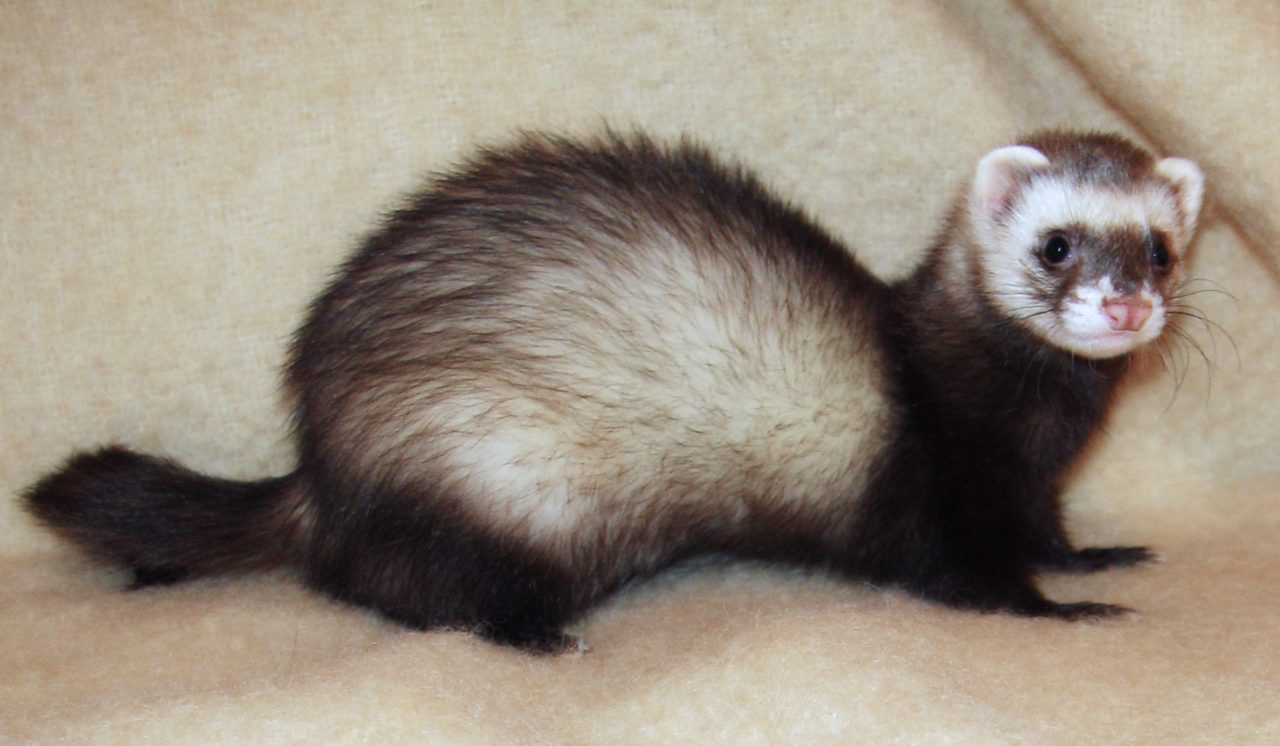
Sable
Domestic (European polecat lineage)
Playful, curious, social
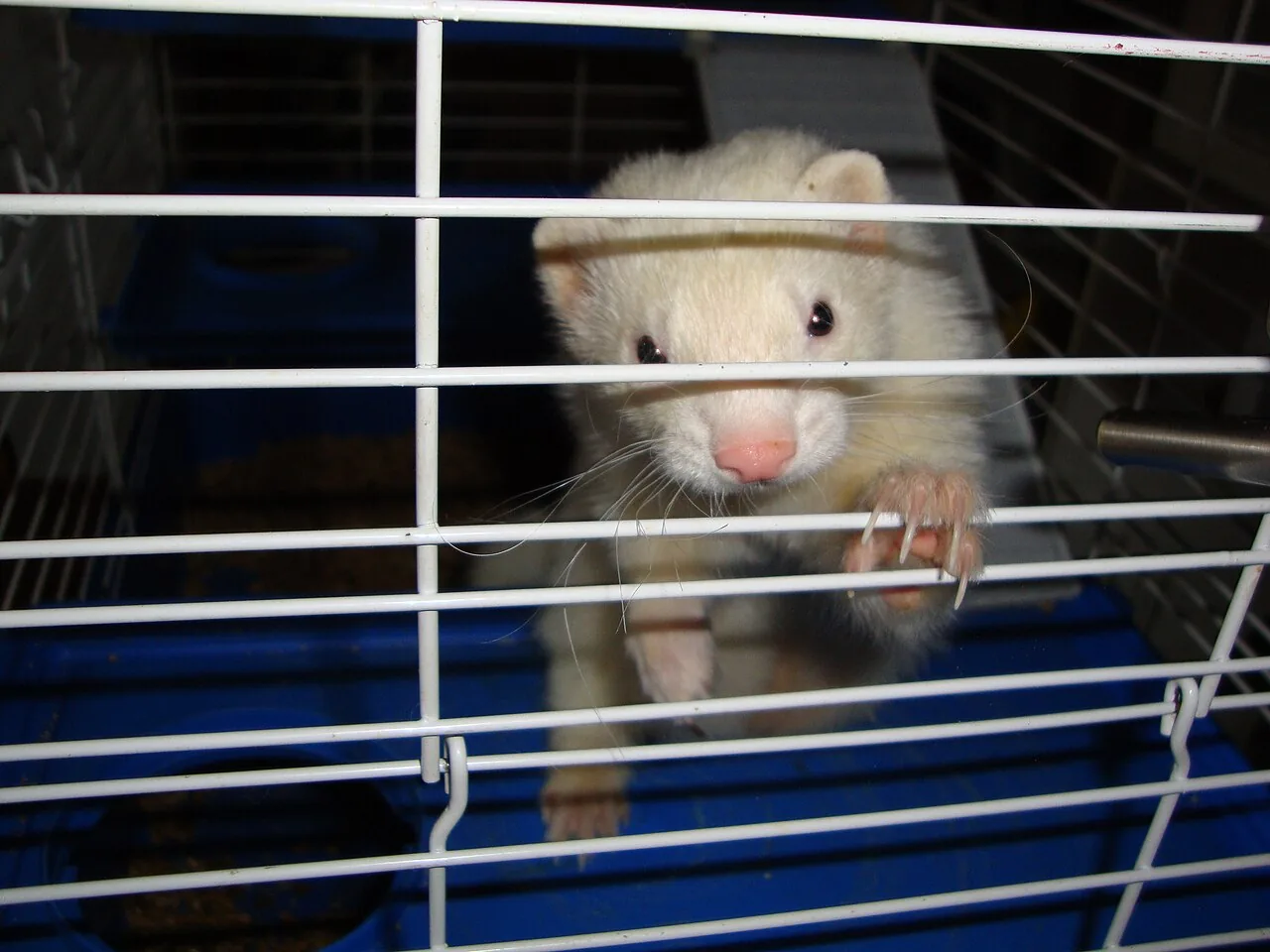
Albino
Domestic (colour mutation)
Energetic, friendly, bold
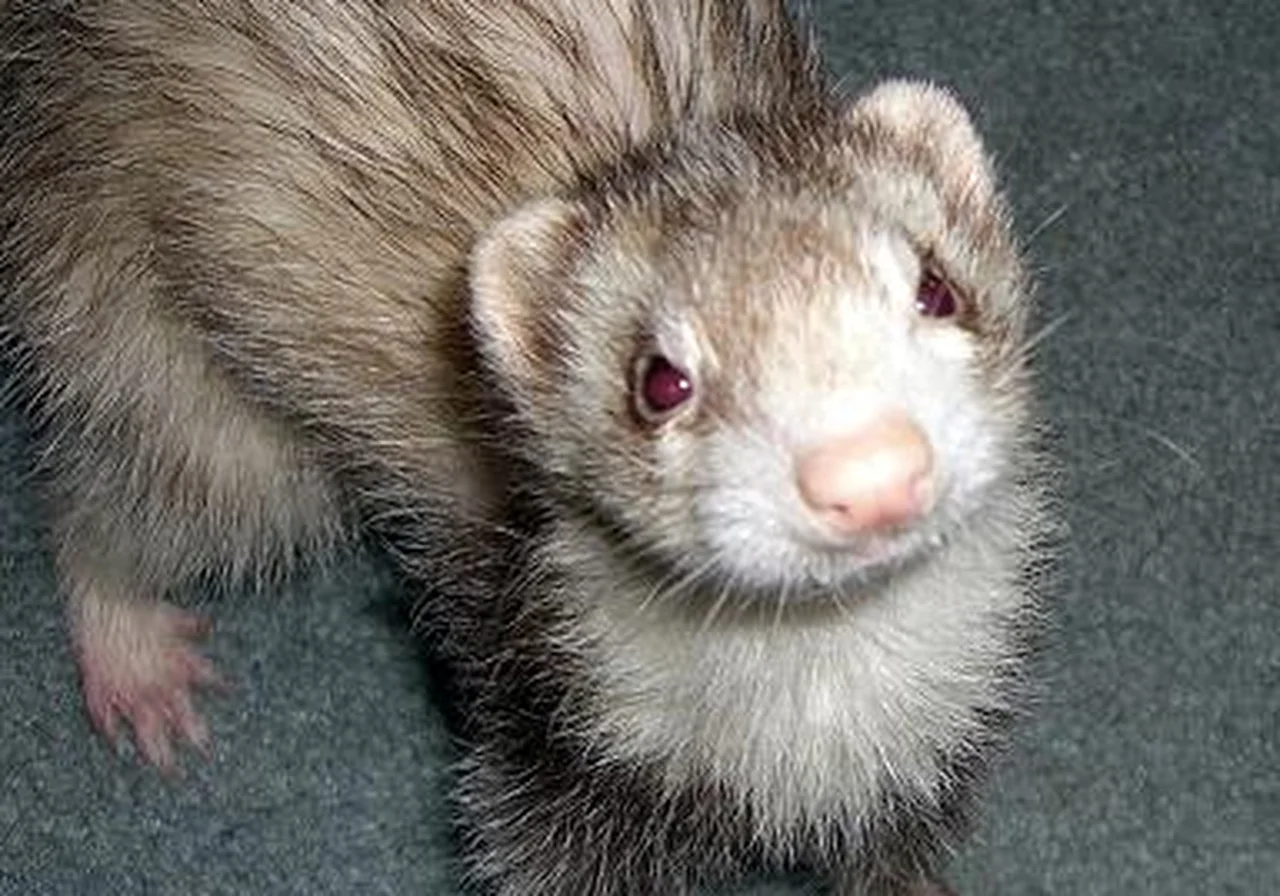
Cinnamon
Domestic (colour type)
Affectionate, lively, mischievous
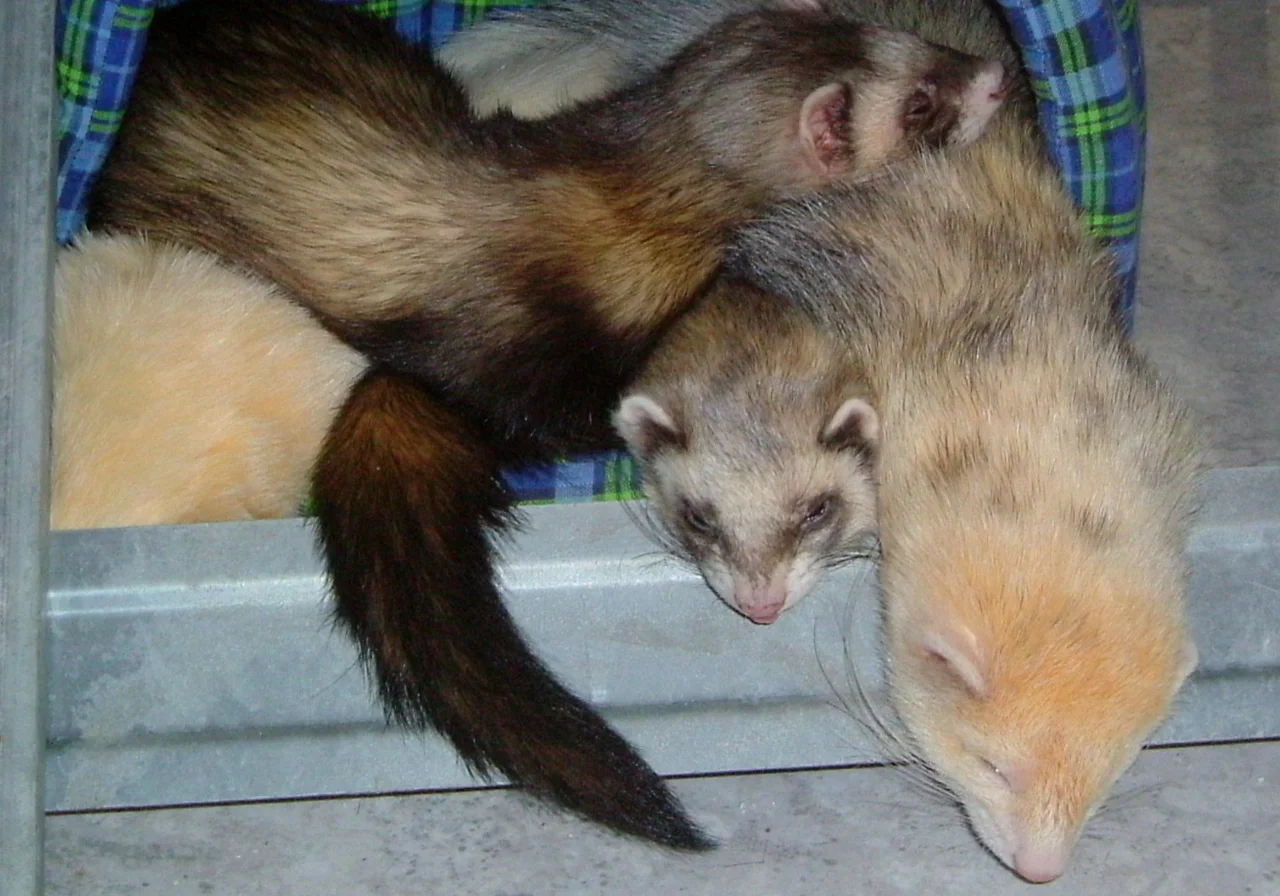
Dark-Eyed White
Domestic (colour type)
Playful, inquisitive, social
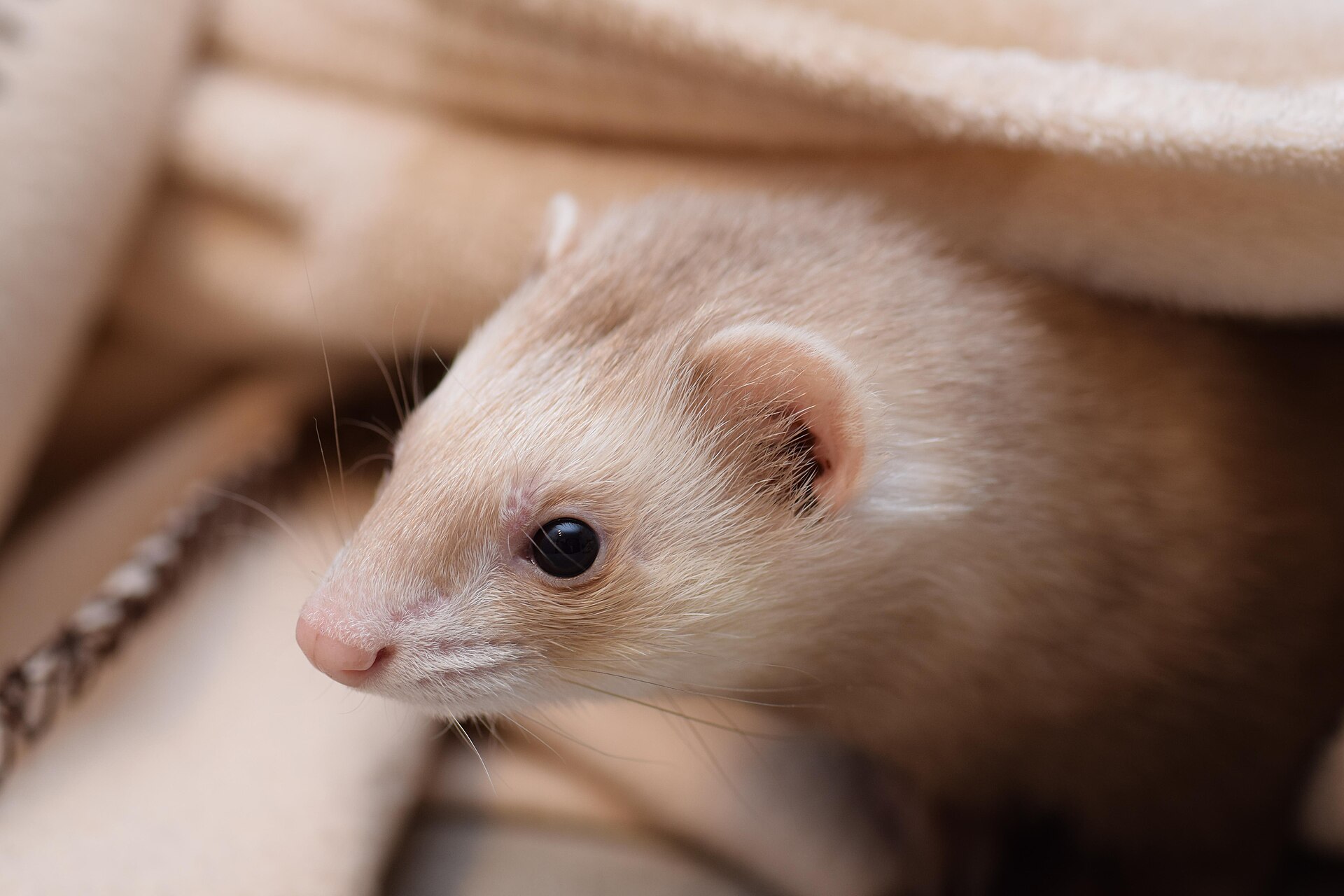
Champagne
Domestic (colour type)
Energetic, curious, affectionate
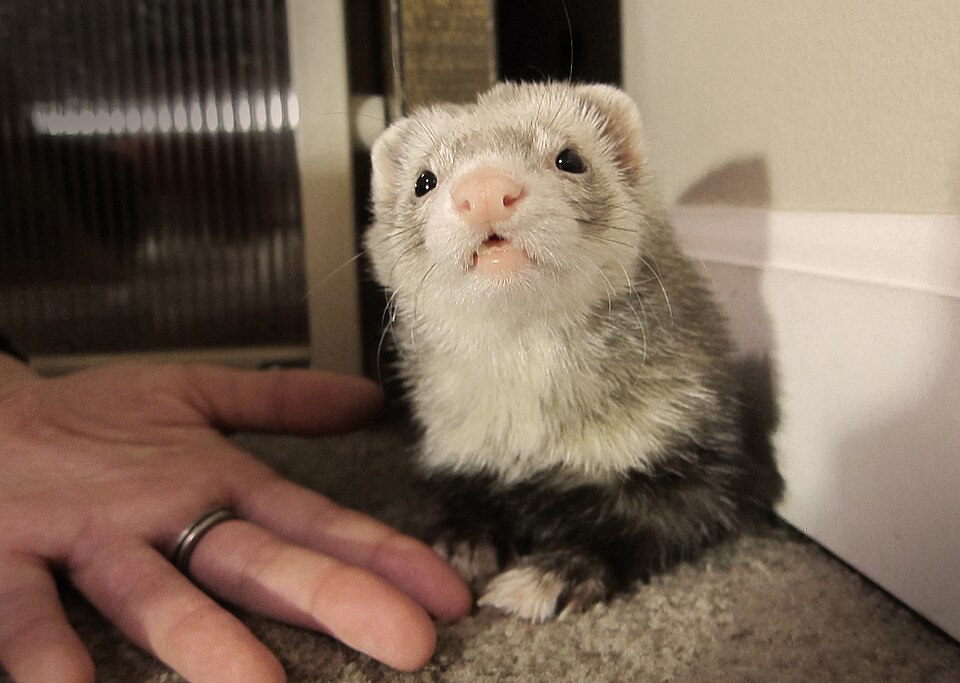
Silver
Domestic (colour type)
Active, mischievous, bonded
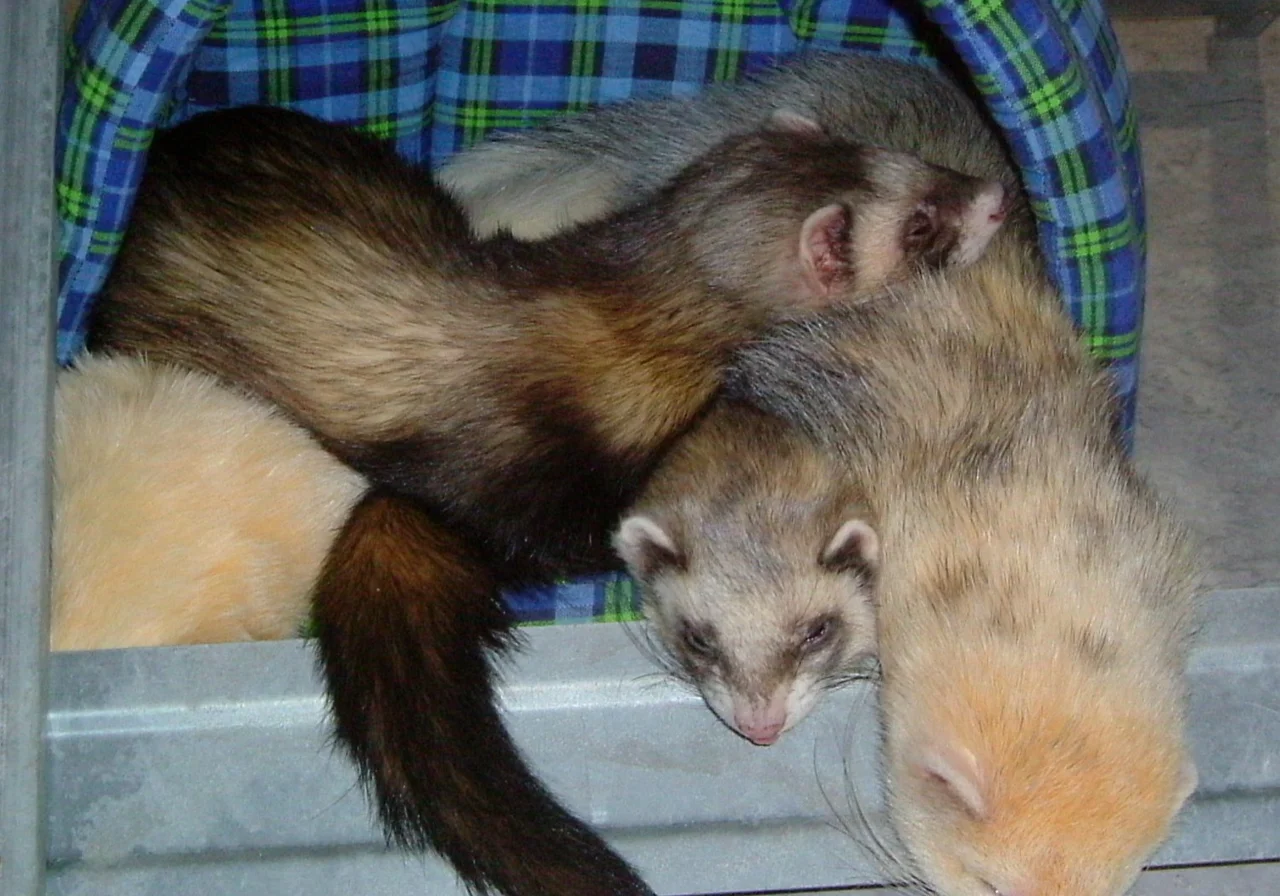
Black Sable
Domestic (colour type)
Bold, playful, determined
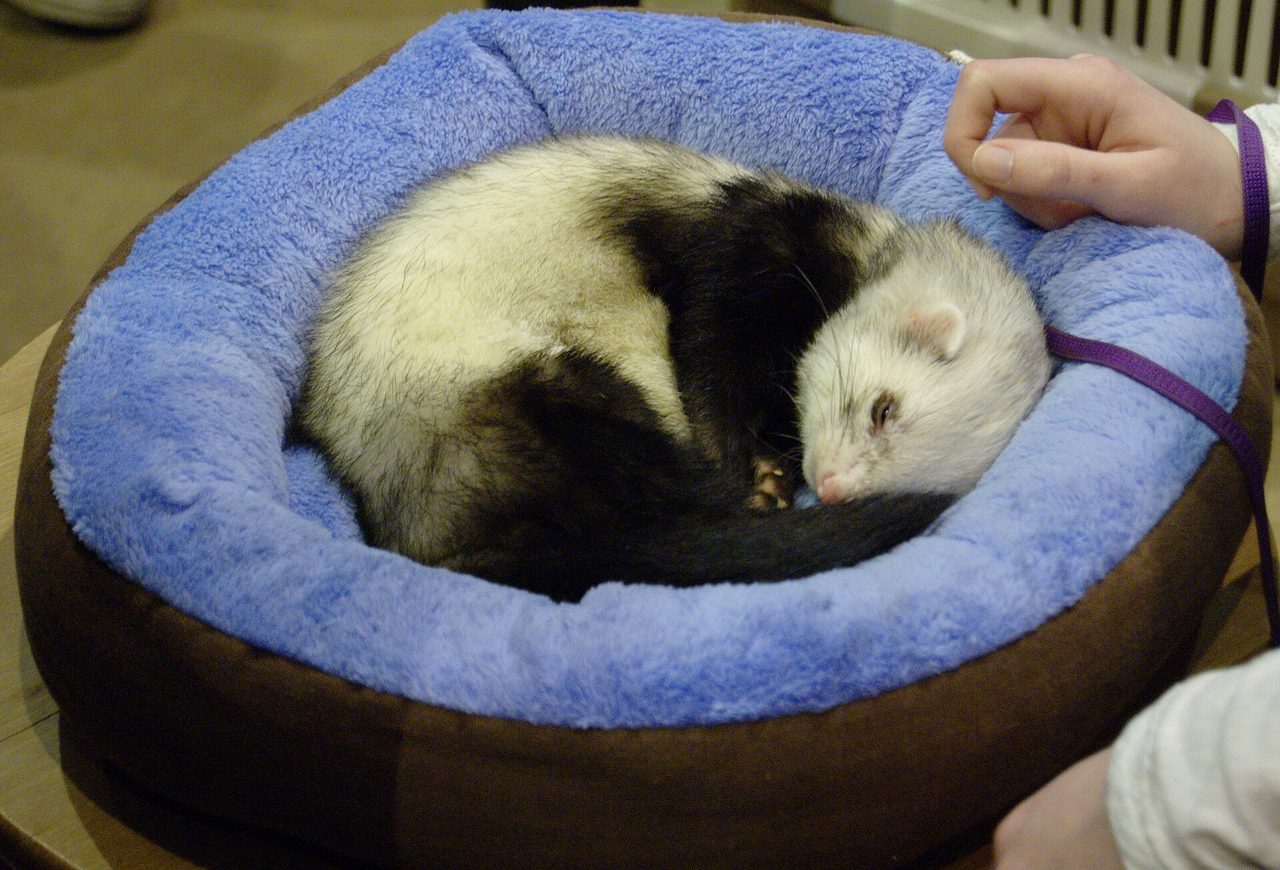
Panda
Domestic (colour type)
Social, lively, sometimes deaf
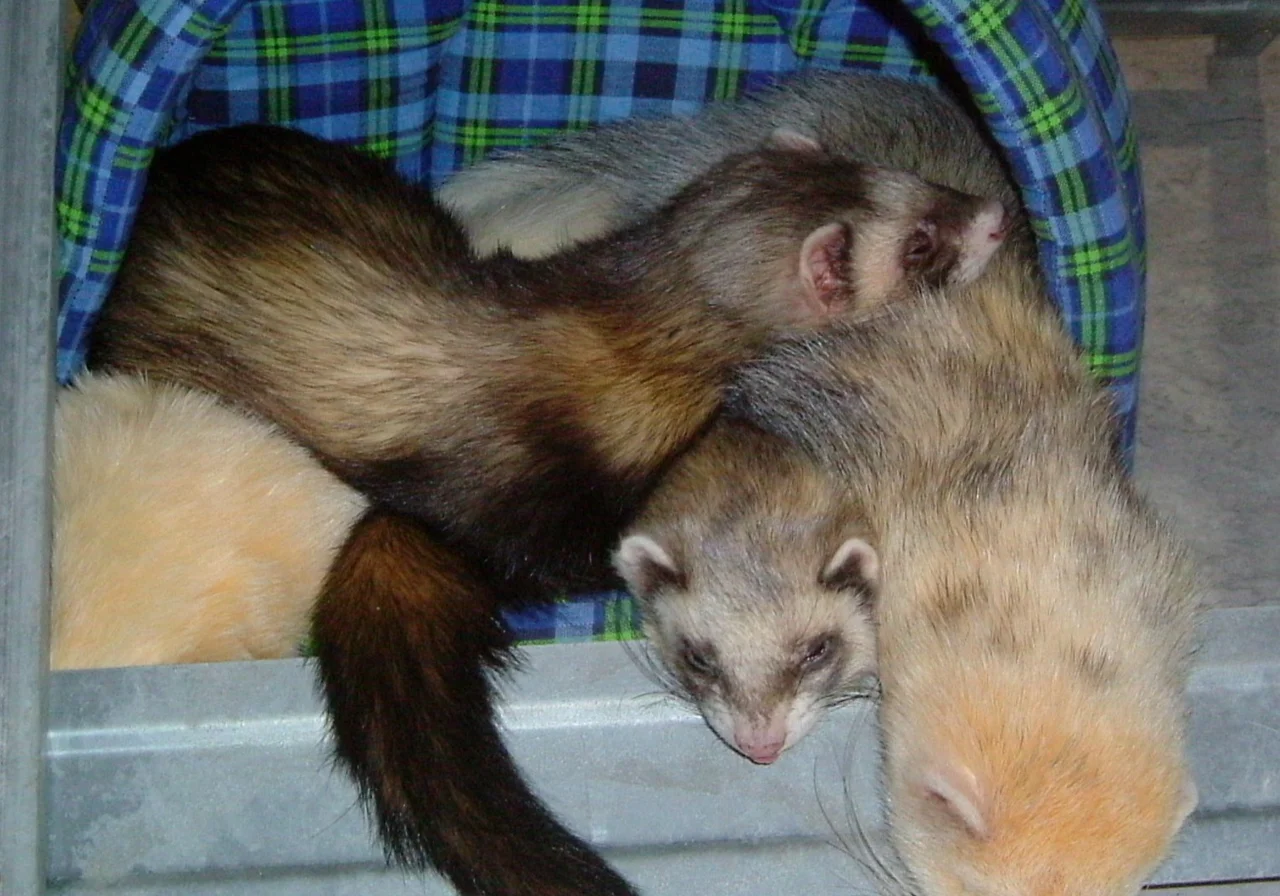
Blaze
Domestic (colour type)
Curious, friendly, active
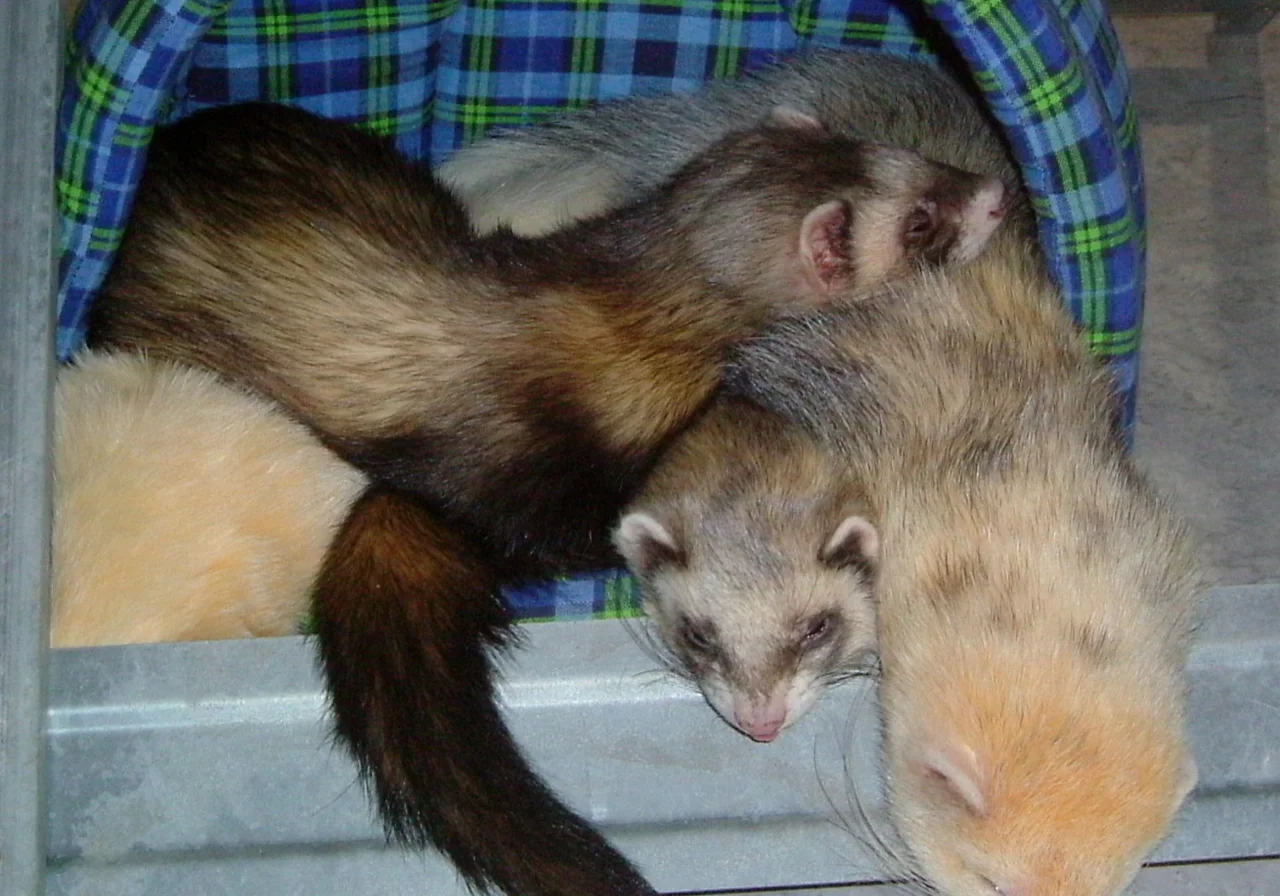
Chocolate
Domestic (colour type)
Gentle, playful, people-oriented
What WARN Does
WARN does not run field conservation projects for the domestic ferret, because it is a domesticated companion animal rather than a wild or threatened species; this guide is part of WARN's free public education work. The wider threats that endanger the ferret's wild relatives, such as the habitat loss and prey decline behind the black-footed ferret's plight, are the very same pressures facing the wild animals WARN does help protect.
If you have learned something new here, a small gift helps keep WARN's wildlife education free and supports the wild animals whose homes are disappearing.
Ferret: Frequently Asked Questions
Is a ferret a rodent?
How long do pet ferrets live?
What is the difference between a ferret and a polecat?
Are ferrets legal to keep as pets?
What is the weasel war dance?
Why is the black-footed ferret endangered but the pet ferret is not?
What do ferrets eat?
Where do ferrets live?
Are ferrets dangerous?
How big is a ferret?
Sources & References
Population figures, conservation status and biological facts on this page are drawn from authoritative scientific and intergovernmental sources.
Terms used on this page
Plain-English definitions, from our wildlife and conservation glossary.
Latest Ferret Stories
Quick, fact-checked reads on the ferret — amazing facts, key questions and the threats it faces.
Species
12 Amazing Facts About Grey Wolves (And Why Alpha Wolves Aren't Real)
A howl that carries 16 km, a pack that is really a family, and the debunked study behind the 'alpha wolf' myth. Twelve verified facts.
Read the storySpecies
12 Amazing Facts About Flamingos (They Are Born Grey and Eat Upside Down)
Pink from diet, a bill that filters upside down, and milk produced by both parents. Twelve verified flamingo facts.
Read the storySpecies
12 Amazing Facts About Beavers (Iron in Their Teeth, and They Rebuild Rivers)
Orange iron-hardened incisors, transparent eyelids, and a keystone role that reduces flooding and drought. Twelve facts.
Read the storyExplore more animals
Discover more animals, their habitats and their conservation status in the WARN wildlife-guide library.