Ferret Breed · Domestic (colour type)
Silver
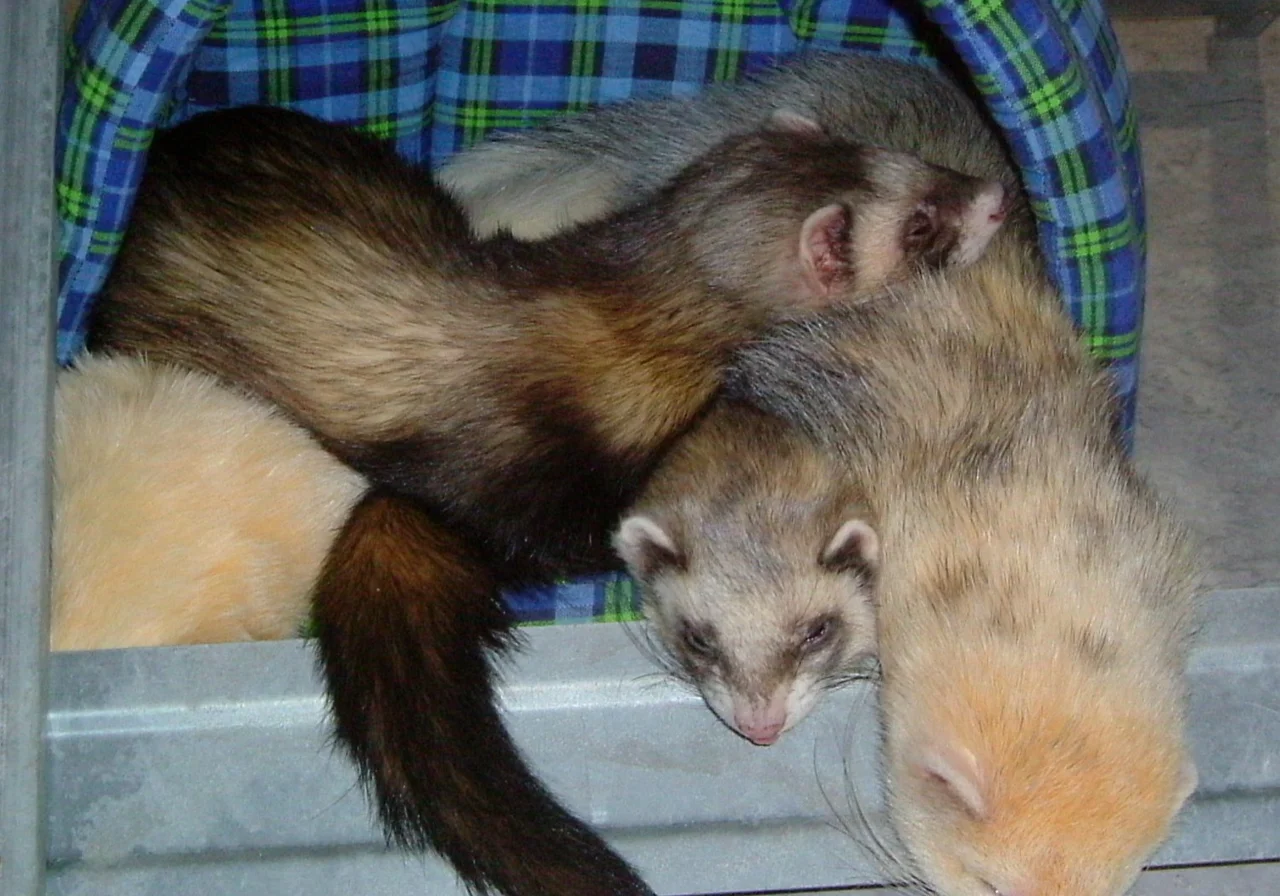
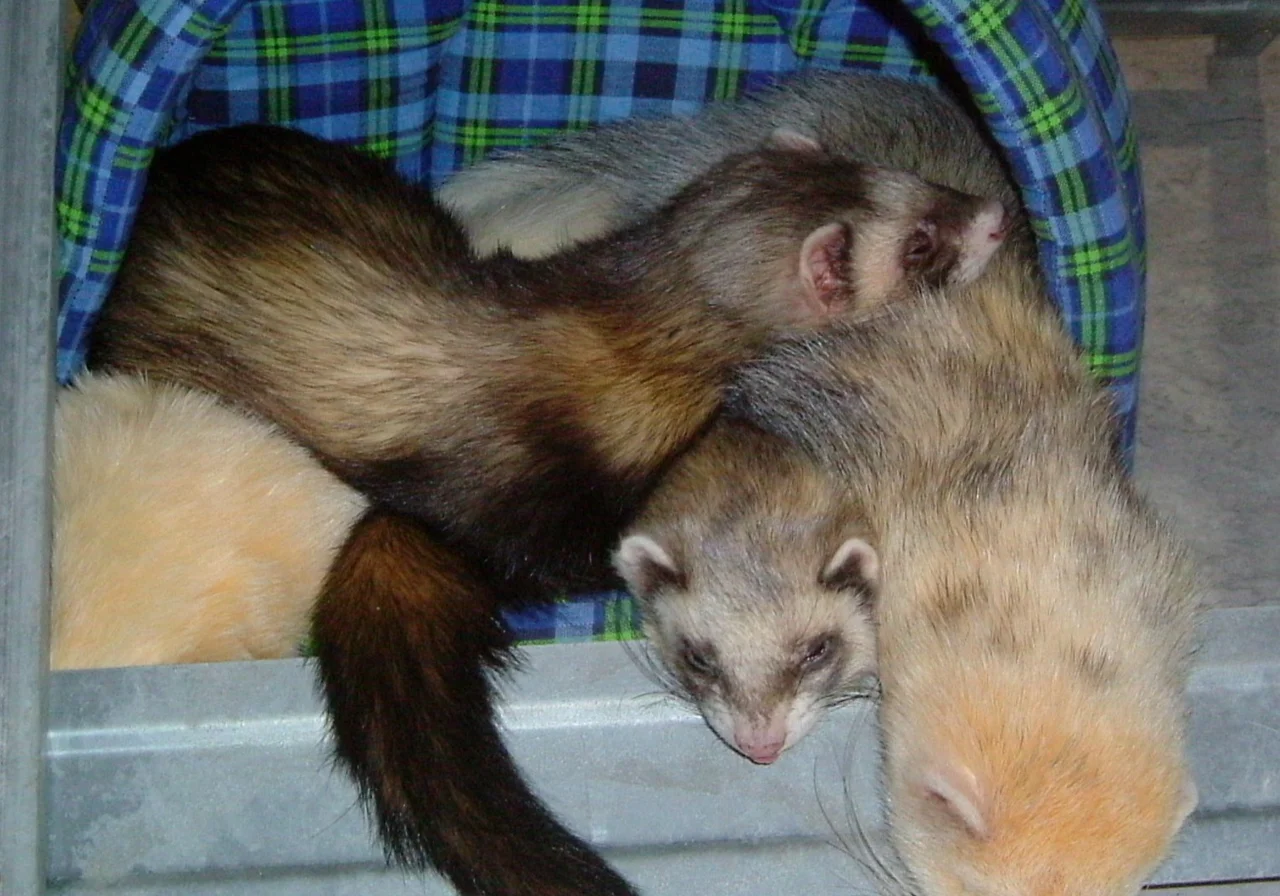
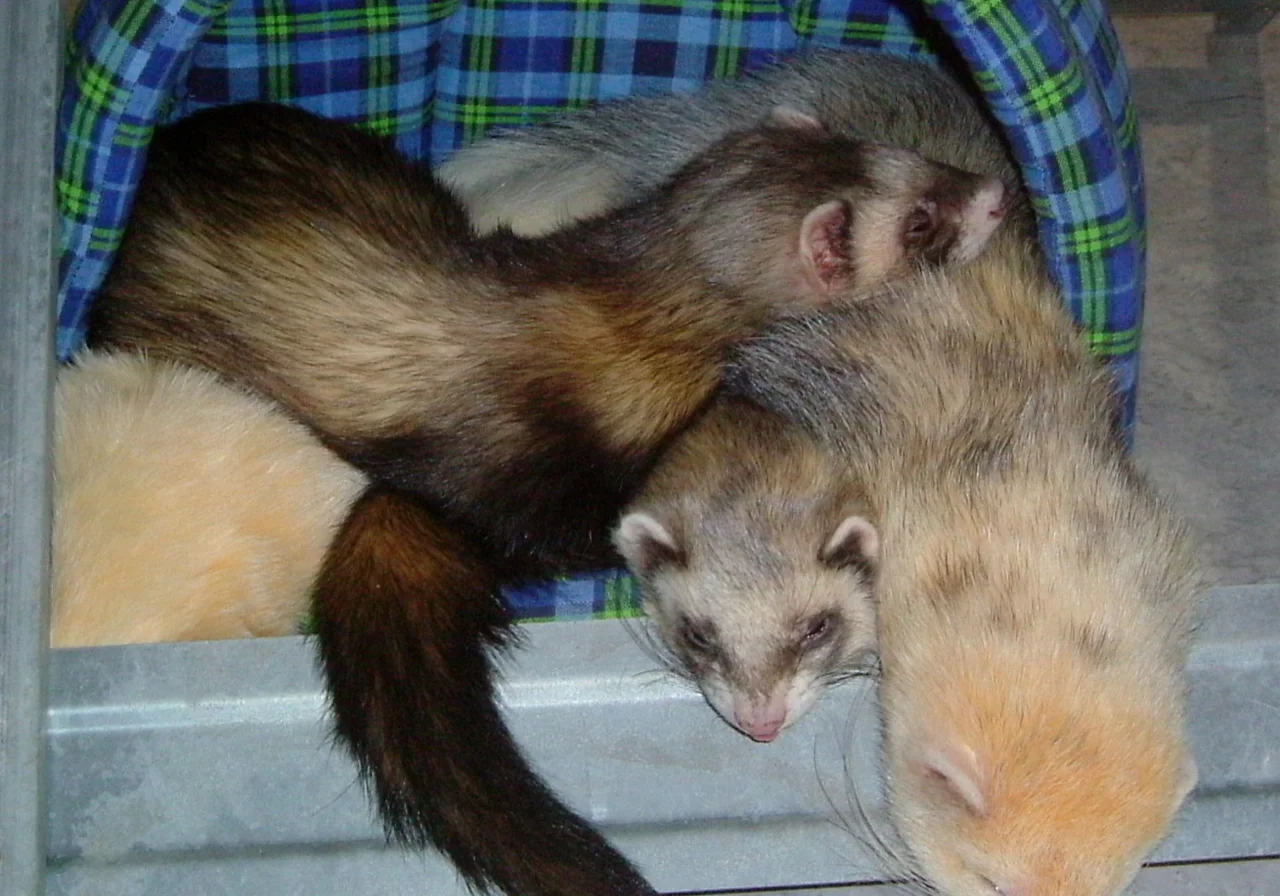
Silvery guard hairs over a darker undercoat — a striking contrast on a slender frame.
By WARN Research & Conservation TeamLast updated
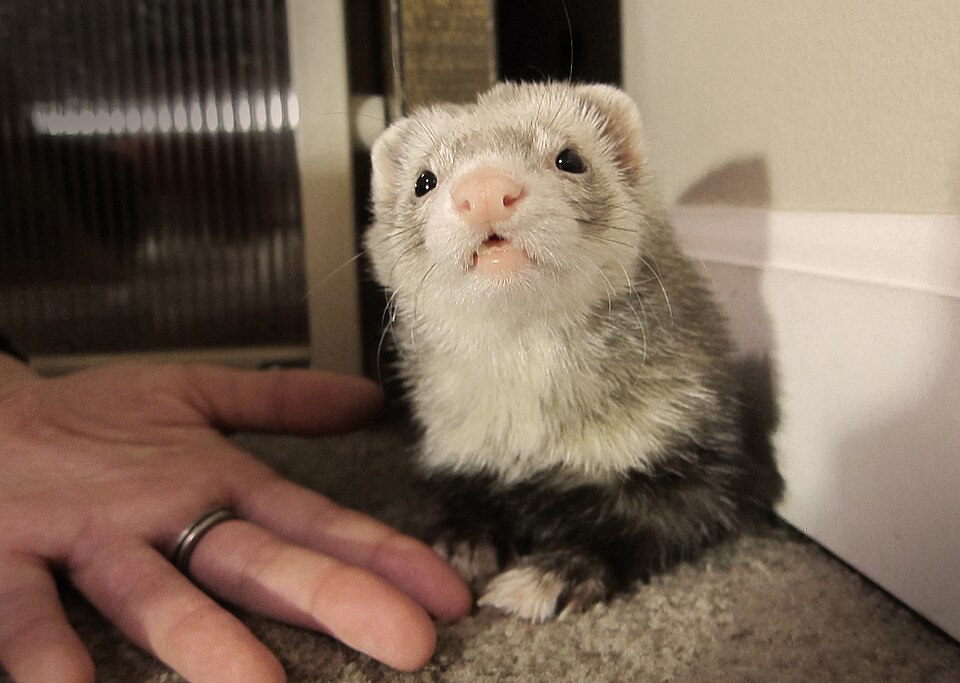
Photo: roy maloon / Wikimedia Commons (CC BY 2.0)
In brief
The Silver ferret is a domestic colour type with silvery guard hairs over a darker undercoat, creating a striking two-tone effect. Its defining trait is bold coat contrast on a slender, agile frame prized in show and companion circles.
What are the key facts about a Silver?
The Silver is a ferret breed from Domestic (colour type): small (0.7–2 kg), active, mischievous, bonded. Silvery guard hairs over a darker undercoat — a striking contrast on a slender frame.
| Origin | Domestic (colour type) |
|---|---|
| Size | Small (0.7–2 kg) |
| Adult weight | 0.7–2 kg (1.5–4.4 lb); males often heavier than females |
| Lifespan | 5–10 years |
| Coat & colour | Dense short fur with pale silver guard hairs tipping darker base colour, often with a darker mask and tail. Moulting occurs twice yearly; brushing helps prevent hairballs. Silver coats photograph well and remain a favourite among ferret enthusiasts. |
| Temperament | Active, mischievous, bonded |
| Best suited to | Suits active households that can match the ferret's mischievous energy with daily play. Silver ferrets often form strong bonds with owners who handle them consistently from a young age. They benefit from compatible neutered companions and a rotating toy selection to prevent boredom. |
Is a Silver a good ferret for you?
A Silver is a good ferret when your home matches suits active households that can match the ferret's mischievous energy with daily play. silver ferrets often form strong bonds with owners who handle them consistently from a young age. they benefit from compatible neutered companions and a rotating toy selection to prevent boredom.. It is a active, mischievous, bonded small (0.7–2 kg) breed from Domestic (colour type).
Silvery guard hairs over a darker undercoat — a striking contrast on a slender frame. That one-line pitch is not a care plan. Factor grooming (Dense short fur with pale silver guard hairs tipping darker base colour, often with a darker mask and tail. Moulting occurs twice yearly; brushing helps prevent hairballs. Silver coats photograph well and remain a favourite among ferret enthusiasts.), typical adult size (0.7–2 kg (1.5–4.4 lb); males often heavier than females), and the health issues listed below before you pay a deposit.
Meet adults of the breed, not only puppies or kittens, and prefer rescue or health-screened homes. A Silver that looks right in a photo can still be the wrong animal for a small flat, a full-time office job, or a household that wanted a low-energy companion.
What is a Silver?
Silvery guard hairs over a darker undercoat — a striking contrast on a slender frame. Origin is Domestic (colour type); coat or markings are described as Dense short fur with pale silver guard hairs tipping darker base colour, often with a darker mask and tail. Moulting occurs twice yearly; brushing helps prevent hairballs. Silver coats photograph well and remain a favourite among ferret enthusiasts..
Kennel and registry labels describe a type. Individual Silvers still vary, and rescue animals may be mixes.
Where does the Silver come from?
Silvers come from Domestic (colour type). Silver colouring was fixed in show lines from sable and black-sable stock during the late twentieth century in North America and Europe.
Breeders selected for crisp silver tipping without excessive blurring of the undercoat. The variety appears in modern colour registries alongside pewter and sterling terminology in some clubs. Silver ferrets remain popular both as exhibition animals and affectionate pets.
That origin still shows. A Silver is small (0.7–2 kg) and active, mischievous, bonded, typically living 5–10 years. Use the history as context for care and conservation, not as folklore to repeat without sources.
How much care does a Silver need?
Plan 5–10 years of food, vet care, grooming and time. A Silver is small (0.7–2 kg) (0.7–2 kg (1.5–4.4 lb); males often heavier than females) from Domestic (colour type), with coat care described as dense short fur with pale silver guard hairs tipping darker base colour, often with a darker mask and tail. moulting occurs twice yearly; brushing helps prevent hairballs. silver coats photograph well and remain a favourite among ferret enthusiasts..
This temperament does not thrive on a 20-minute walk and eight hours alone.
Grooming follows the coat, not a generic clip: Dense short fur with pale silver guard hairs tipping darker base colour, often with a darker mask and tail. Moulting occurs twice yearly; brushing helps prevent hairballs. Silver coats photograph well and remain a favourite among ferret enthusiasts.. Keep the animal lean; extra weight is a joint and heart tax, especially in a small ferret.
Budget for unexpected vet bills. The health section below is why “cheap to buy” is not the same as cheap to keep.
What surprises people about the Silver?
A few details about the breed, alongside the practical care information in this guide.
- Silver guard hairs can appear almost white under bright light while retaining dark roots.
- Some silver ferrets develop a more pronounced mask as they mature.
- The colour type is distinct from pewter, though terminology varies between registries.
- Silver kits may look darker before adult guard hairs grow in fully.
What health issues should you know about in a Silver?
Health concerns to discuss with your vet, including changes to watch for and everyday care. This is general guidance, not veterinary advice — always speak to your vet.
Adrenal disease
Hair loss starting at the tail base and progressing forward is a classic sign of adrenal tumours in ferrets.
Care: Do not delay vet assessment; treatment can restore coat and reduce itching within weeks in many cases.
Insulinoma
Chronic low blood sugar affects activity levels and may cause intermittent collapse in affected ferrets.
Care: Feed small frequent meals and follow medication protocols prescribed by your exotics veterinarian.
Ear mites
Dark waxy discharge, head shaking and scratching indicate Otodectes infestation, common in ferrets from pet shops.
Care: Treat all in-contact ferrets with vet-prescribed parasiticides and clean bedding during treatment.
Who should skip a Silver?
Skip a Silver if you are owners who wanted a low-exercise companion. This Domestic (colour type) ferret is small (0.7–2 kg) and active, mischievous, bonded — the mismatch is usually lifestyle, not a missing accessory.
This page is allowed to say no. Skip if you are owners who wanted a low-exercise companion.
A different ferret breed on this site may fit. Wanting “a Silver” after a film or a colour photo is not a reason to ignore the skip list.
What are the hidden catches with a Silver?
The hidden cost of a Silver is usually not the purchase price. It is years of care, the health list on this page, and the mismatch between a active, mischievous, bonded animal and a busy home.
The impulse-buy catch
A Silver from Domestic (colour type) is often sold on looks. Coat, colour and size are not a temperament test. Meet the adult animal, ask about health screening, and walk away from pressure sales.
The adrenal disease catch
Hair loss starting at the tail base and progressing forward is a classic sign of adrenal tumours in ferrets. Do not delay vet assessment; treatment can restore coat and reduce itching within weeks in many cases.
The insulinoma catch
Chronic low blood sugar affects activity levels and may cause intermittent collapse in affected ferrets. Feed small frequent meals and follow medication protocols prescribed by your exotics veterinarian.
How does a Silver compare with Black Sable and Panda?
A Silver is not interchangeable with Black Sable and Panda. Compare origin, size, lifespan and temperament before you choose — those four lines prevent most regret.
| Ferret fact | Silver | Black Sable | Panda |
|---|---|---|---|
| Origin | Domestic (colour type) | Domestic (colour type) | Domestic (colour type) |
| Size | Small (0.7–2 kg) | Small (0.7–2 kg) | Small (0.7–2 kg) |
| Lifespan | 5–10 years | 5–10 years | 5–10 years |
| Temperament | Active, mischievous, bonded | Bold, playful, determined | Social, lively, sometimes deaf |
What is the verdict on the Silver?
Choose a Silver only if the care, skip-if and health sections still look like your life after a week of thinking. Otherwise pick a different ferret or wait. Rescue is usually the better first door than a waiting-list puppy or kitten.
If the match is real, budget for 5–10 years of vet care and do not skip health screening. If it is not, walking away is the kind choice — for you and for the animal.
Ferrets need responsible homes
Ferrets are playful companions but often bought on impulse and abandoned when owners underestimate their care needs. WARN publishes these guides to promote responsible ownership and highlight the wider exotic-pet welfare issues our partners confront.