Wildlife Guide · Worldwide — domestic; wild ancestors in Middle East and Central Asia
Goat
Capra hircus (Linnaeus, 1758) — domestic goat; wild bezoar ibex ancestor
Climbers, browsers and companions — smarter than their reputation, failed by tethering and neglect.
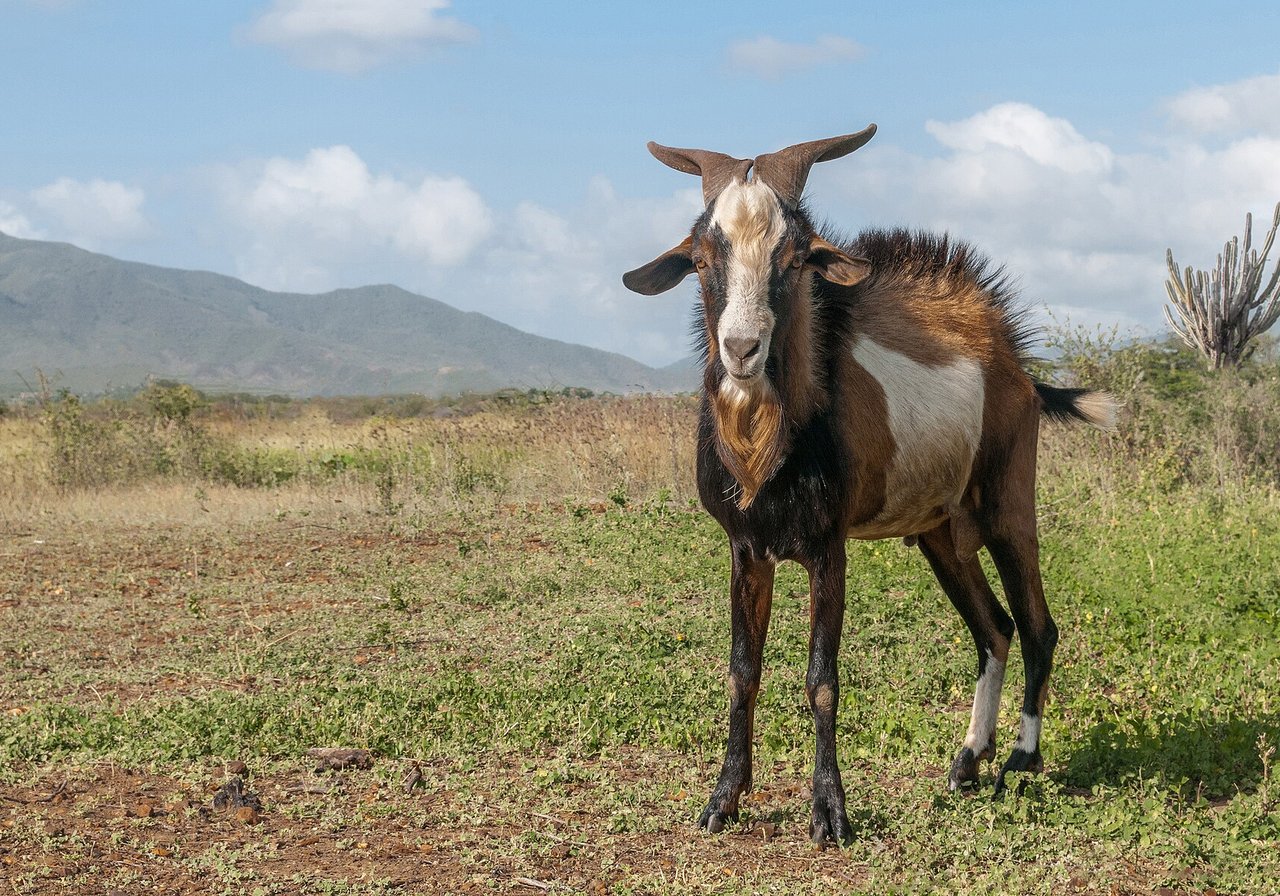
Source: Wikimedia Commons
In brief
Goats (Capra hircus) are intelligent browsing livestock domesticated from Near Threatened bezoar ibex — need companions, climbing enrichment and hoof care; tethering and solitary keeping cause severe welfare harm.
Also in Animals A to Z · Animals that start with G
By WARN Research & Conservation TeamLast updated
Domestic goats (Capra hircus) were domesticated from the wild bezoar ibex in the Fertile Crescent roughly 10,000 years ago — among the earliest livestock alongside sheep. More than one billion goats supply milk, meat, fibre and pack work on terrain too steep for cattle. Goats are intelligent, curious browsers that solve problems and form social hierarchies — yet are often tethered on short ropes, kept alone and fed inappropriate grain diets. Wild bezoar ibex are Near Threatened. WARN links goat welfare on smallholdings to working-animal veterinary programmes through working horses appeal.
1 billion+
Goats alive worldwide
10,000 yr
Approximate domestication history
Near Threatened
IUCN status — wild bezoar ibex (Capra aegagrus)
Not listed
CITES — domestic livestock
Figures sourced from IUCN Red List — Capra aegagrus, RSPCA — goat welfare, Compassion in World Farming — goats .
Goat: Quick Facts
| Wild ancestor | Bezoar ibex (Capra aegagrus) — Near Threatened |
|---|---|
| Global population | Roughly 1 billion |
| Diet type | Browser — shrubs, leaves, hay |
| Social rule | Minimum two compatible companions |
| Hoof care | Trim every 6–8 weeks |
| CITES | Not listed — domestic livestock |
Scientific Classification
| Kingdom | Animalia |
|---|---|
| Phylum | Chordata |
| Class | Mammalia |
| Order | Artiodactyla |
| Family | Bovidae |
| Genus | Capra |
| Species | Capra hircus (Linnaeus, 1758) |
Conservation Status
- IUCN Status
- Domesticated — not assessed. Wild bezoar ibex Near Threatened; feral goats invasive on many islands.
- Population
- Roughly 1 billion domestic goats worldwide
- Trend
- Increasing — especially in Africa and Asia
- Assessed
- 2008 (Capra aegagrus)
- CITES
- Not listed
Key Facts: Goat
- Goats domesticated from wild bezoar ibex in the Middle East.
- Browsers — not grass grazers; need shrubs, hay and climbing enrichment.
- Highly intelligent and social — solitary goats suffer stress and depression.
- Tethering on short ropes causes strangulation, hoof rot and boredom.
- Hoof trimming every six to eight weeks prevents lameness.
- WARN's horses appeal funds rural veterinary access for goats and working equines.
Domestication and the bezoar legacy
Goats were domesticated in the Zagros Mountains and Levant from bezoar ibex (Capra aegagrus) — Near Threatened today from hunting and habitat loss in Turkey, Iran and the Caucasus. Early selection favoured milk yield, manageable temperament and coat colour; modern breeds include Nigerian Dwarfs, Boers, Angoras and British pygmies.
Feral goats on Galapagos, Australia and Mediterranean islands devastate vegetation — invasive descendants of domestic escapes, not wild bezoar. Controlling feral populations protects native plants while domestic goats on managed farms serve livelihoods.
Browsing behaviour and enrichment
Goats are browsers — they prefer leaves, shrubs, bark and weeds over short grass lawns. Feeding only grain causes rumen acidosis and urinary calculi in males. Hay, mineral supplements and safe browsing opportunities match digestive biology.
Climbing platforms, stumps and varied terrain prevent boredom — goats explore with lips and tongues, investigating gates and latches. Intelligent animals in barren pens develop stereotypic chewing and aggression. Minimum welfare requires at least two compatible goats; single-goat keeping is common but cruel.
Milking, meat and commercial welfare
Dairy goats produce milk for cheese and yoghurt — kid separation practices mirror cattle dairy welfare debates. Meat goats slaughter at months old; cull does follow when productivity drops. Horn disbudding with hot irons causes acute pain — pain relief is legally required in Britain but inconsistently applied globally.
Live markets in some countries handle goats without water or shade — transport stress kills weak animals. Cashmere production from combing Mongolian goats supports herder livelihoods but overgrazing degrades steppe when herd sizes exceed carrying capacity.
Working goats, tethering and rural care
Pack goats carry loads in mountainous regions; smallholders milk does for family nutrition across WARN partner countries. Tethering goats on roadsides — common in Pakistan and Colombia — causes rope wounds, inability to reach shelter and predator vulnerability without improving welfare.
Hoof trimming, deworming based on faecal tests and access to clean water are baseline needs often neglected. Mobile veterinary teams funded through working horses appeal reach villages where goat health overlaps working horse and donkey care on the same rural routes. Owners who invest in fencing and companionship reduce the temptation to tether — a practice that persists only where welfare education and veterinary access are absent.
Responsible keeping and WARN's working-animal link
Backyard goat keepers should provide secure fencing (goats escape expertly), companions, shelter from rain and wind, and veterinary relationships before emergencies. Rehoming surplus kids responsibly beats abandonment — feral goats begin with discarded pets.
WARN publishes goat education alongside working-horse and donkey appeals — recognising that rural welfare infrastructure serves multiple species. Supporting working-animal programmes improves veterinary presence for goats, equines and cattle in the same communities.
Goat Breeds Guide
From the high-volume Saanen and rich-milk Nubian dairy goats to the meat-bred Boer, the fibre-producing Angora and the pet-friendly Pygmy and Nigerian Dwarf — explore the most recognised goat breeds, with origins, purpose, temperament, common health issues and honest welfare guidance.
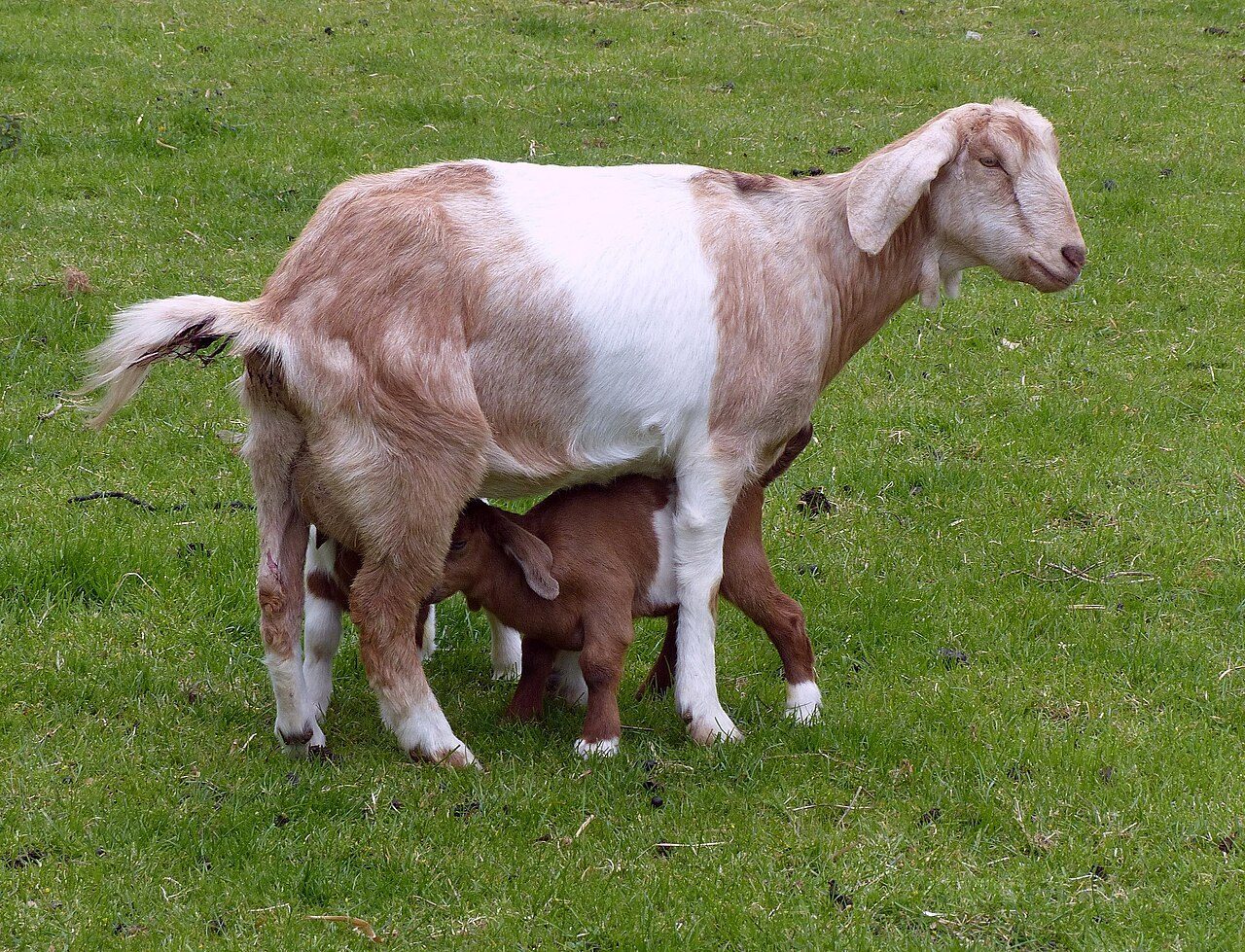
Nubian (Anglo-Nubian)
England (from African & Asian stock)
Affectionate, hardy, famously vocal
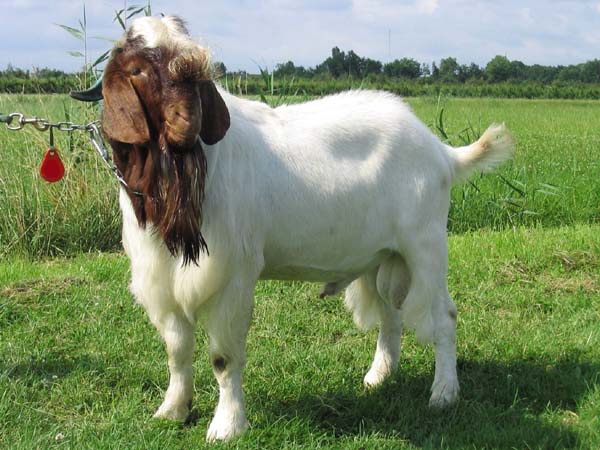
Boer
South Africa
Docile, hardy, fast-growing
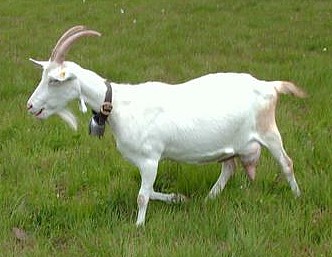
Saanen
Switzerland (Saanen valley)
Calm, gentle, steady
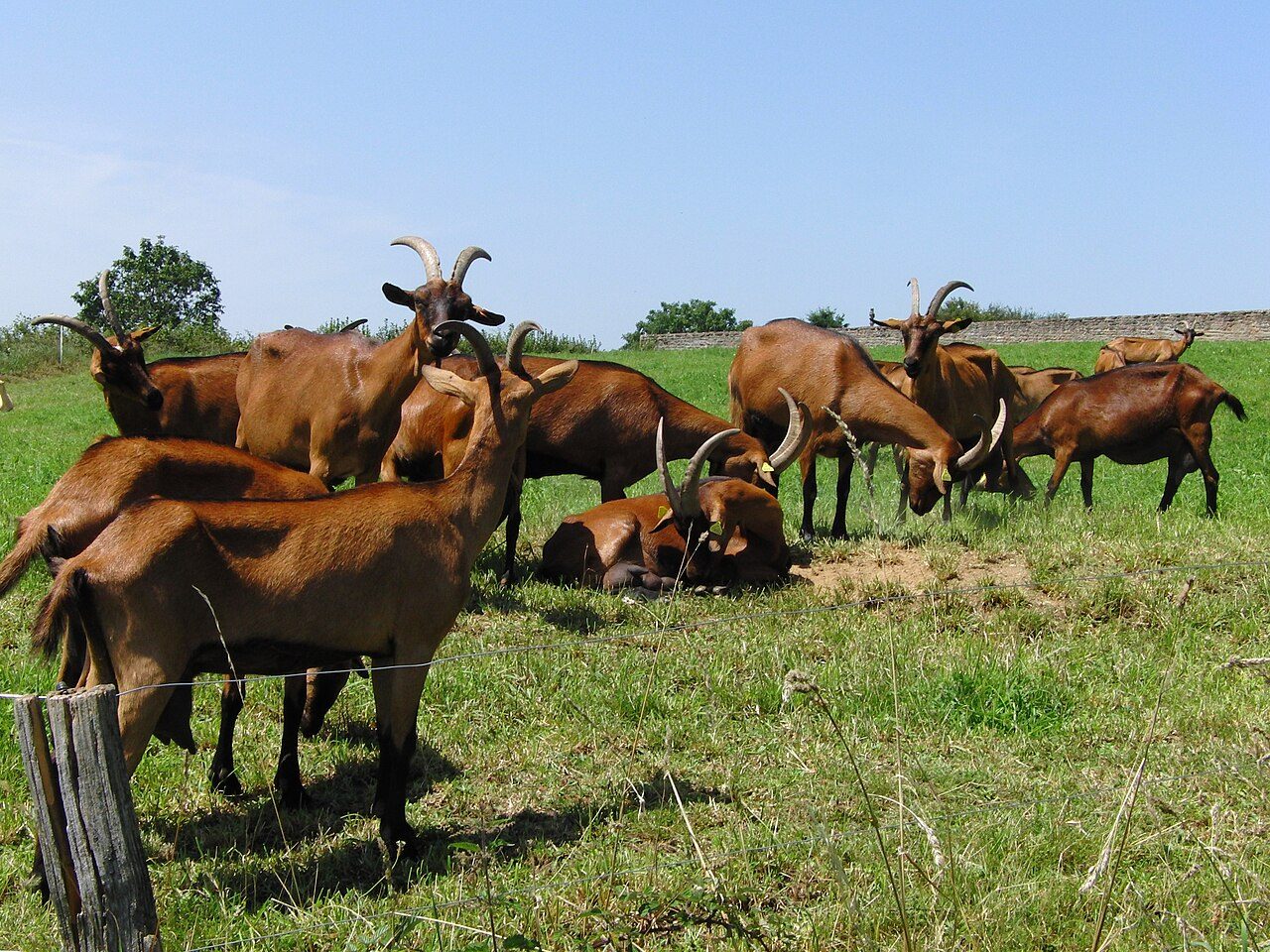
Alpine (French Alpine)
French Alps
Curious, hardy, friendly
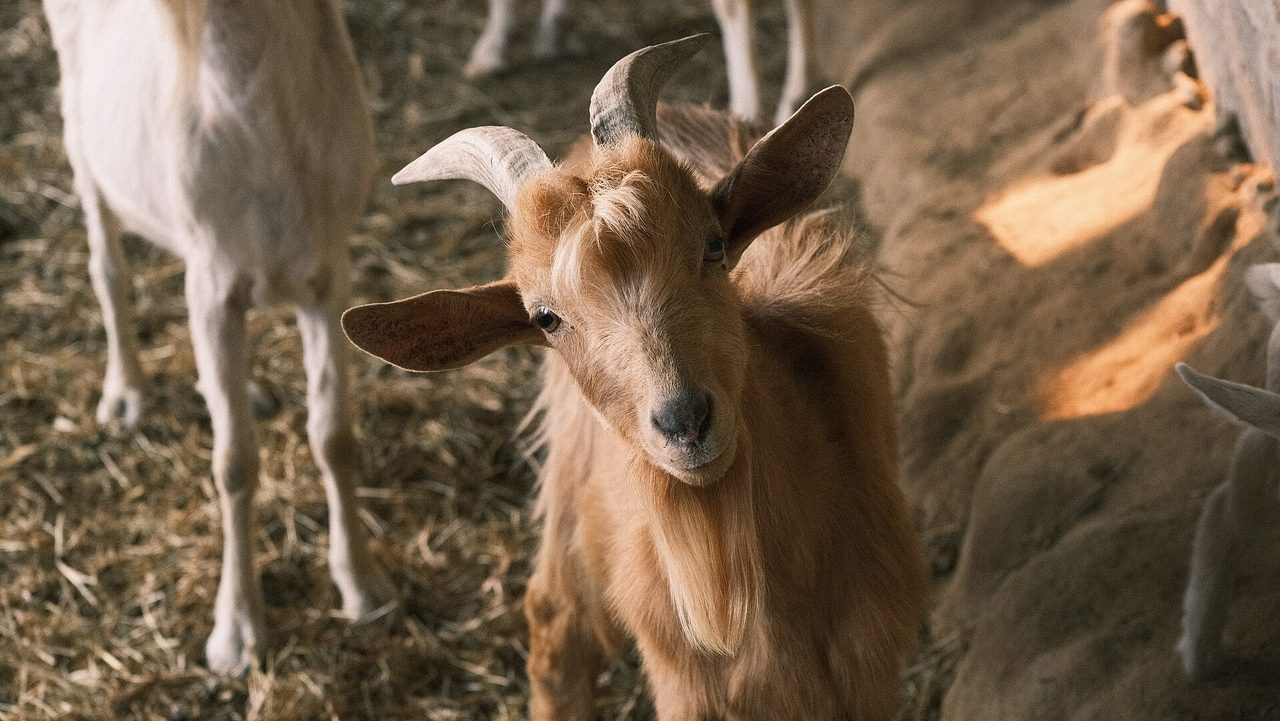
Nigerian Dwarf
West Africa (developed in the USA)
Friendly, gentle, playful
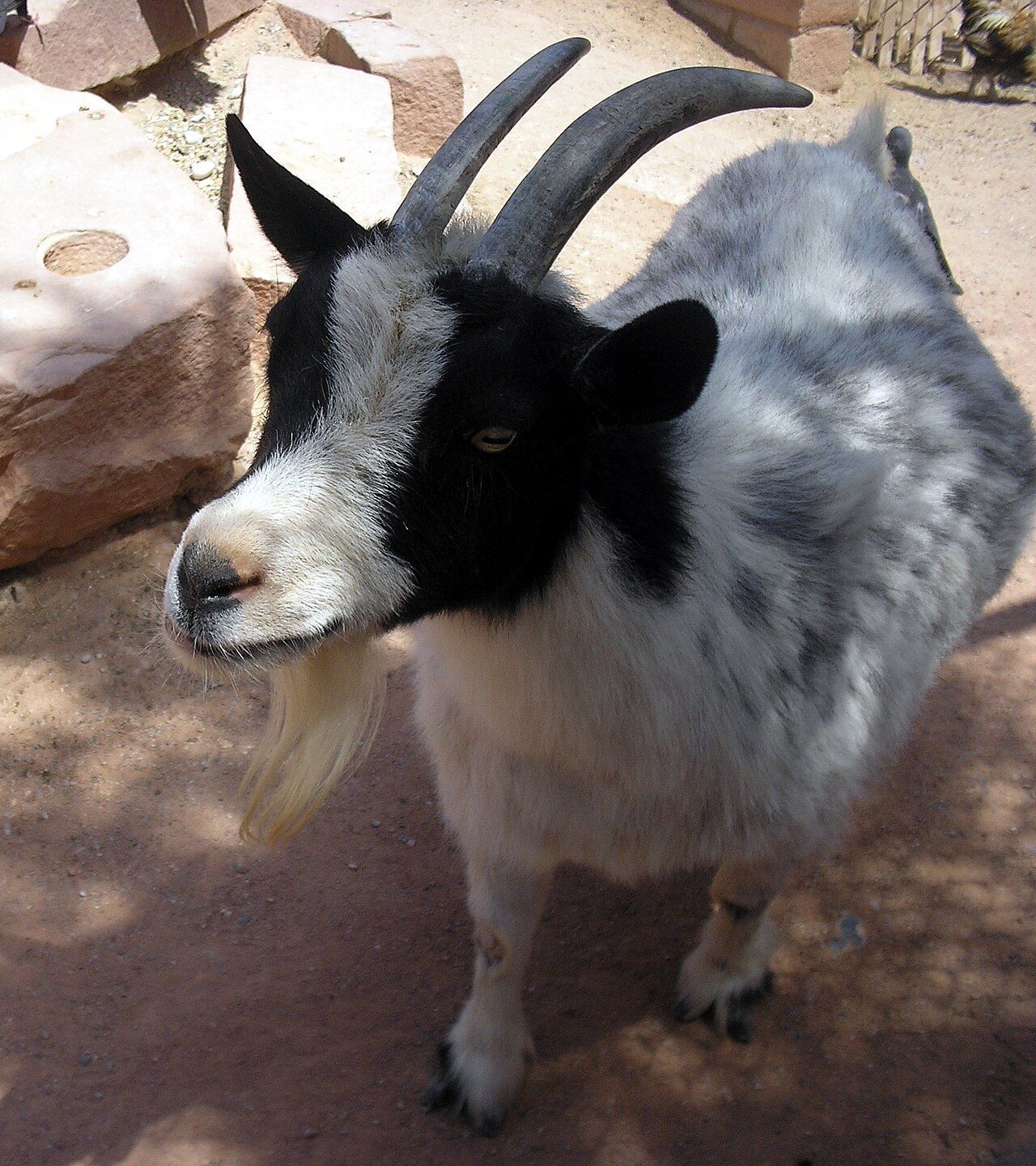
Pygmy
West Africa (Cameroon valley region)
Hardy, friendly, playful
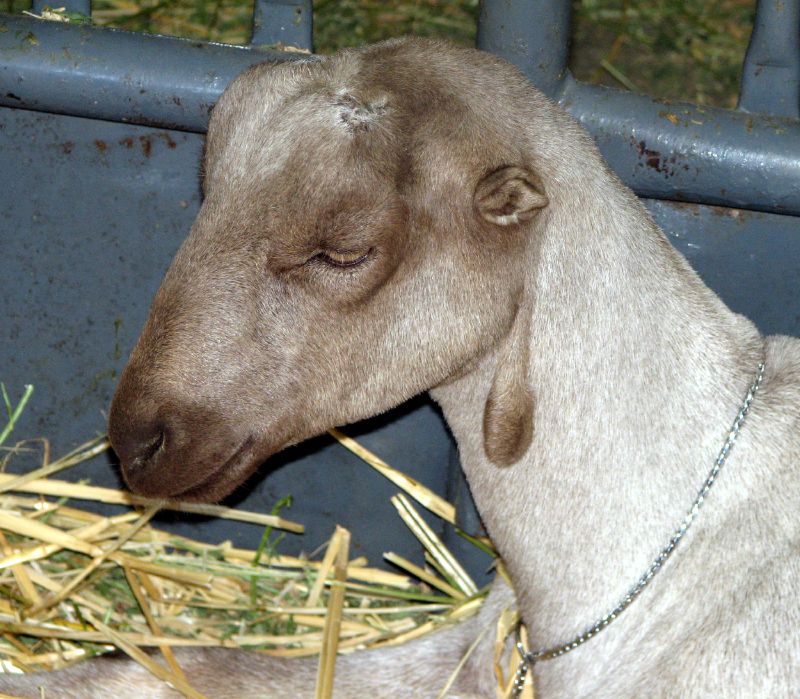
LaMancha
United States (Oregon)
Calm, sweet, people-oriented
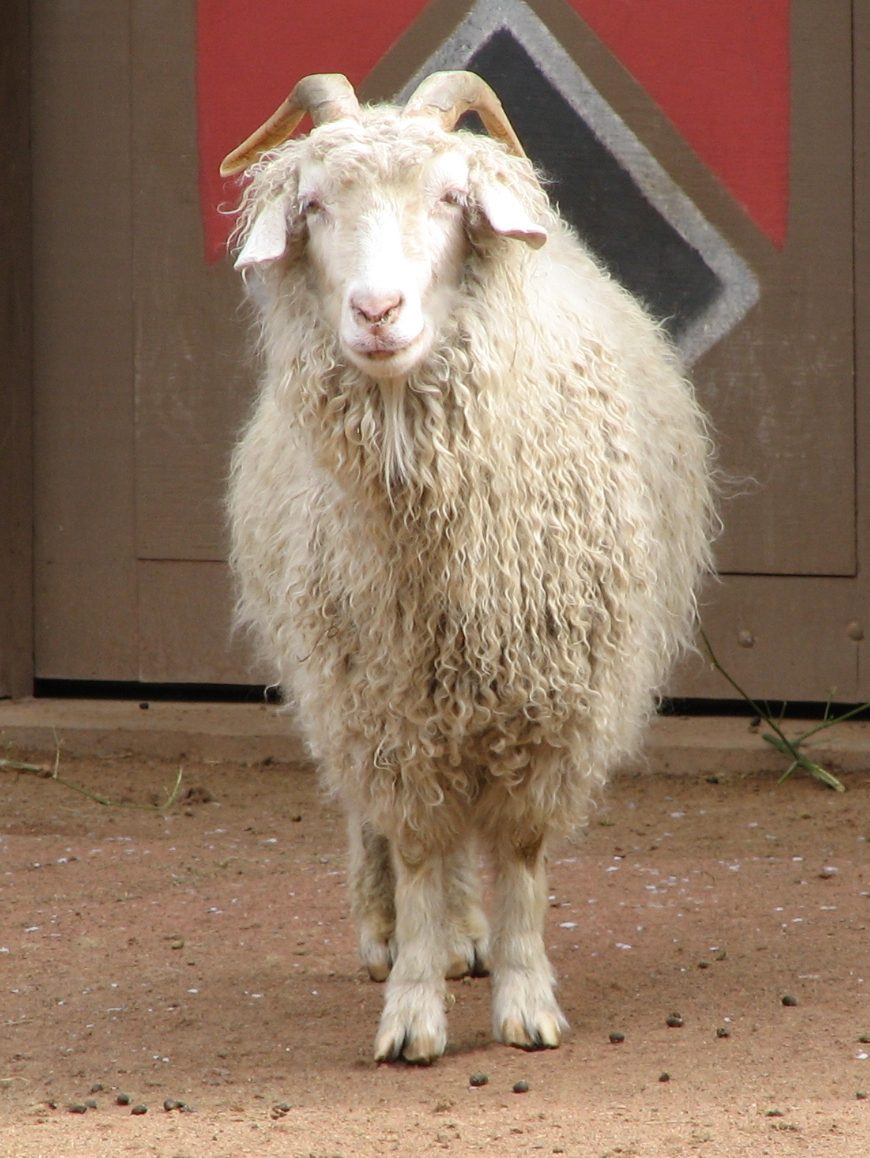
Angora
Turkey (Ankara region)
Gentle, timid, calm
What WARN Does
WARN publishes this guide for education and is developing support through assessed animal-welfare grants. A species range, source citation or photograph does not establish a recipient or funding agreement. Check /about/where-your-money-goes/#grant-register for published grant and payment records; records not yet published must not be read as zero activity. Browse /appeals/ for the purposes currently available to support.
If this guide helps you understand wildlife and the pressures it faces, a gift to WARN supports habitat protection and free public education in our partner countries.
Goat: Frequently Asked Questions
Are goats good pets?
Can goats live alone?
What do goats eat?
Are wild goats endangered?
Why is tethering goats harmful?
Where do domestic goats live?
Are domestic goats dangerous?
How long do domestic goats live?
How big is a domestic goat?
Sources & References
Population figures, conservation status and biological facts on this page are drawn from authoritative scientific and intergovernmental sources.
Terms used on this page
Plain-English definitions, from our wildlife and conservation glossary.
Explore more animals
Discover more animals, their habitats and their conservation status in the WARN wildlife-guide library.