Wildlife Guide · Worldwide — domestic; wild ancestors in Middle East and Mediterranean
Sheep
Ovis aries (Linnaeus, 1758) — domestic sheep; wild mouflon ancestor
Flock animals of the hills — wool, meat and mulesing scars behind the pastoral idyll.
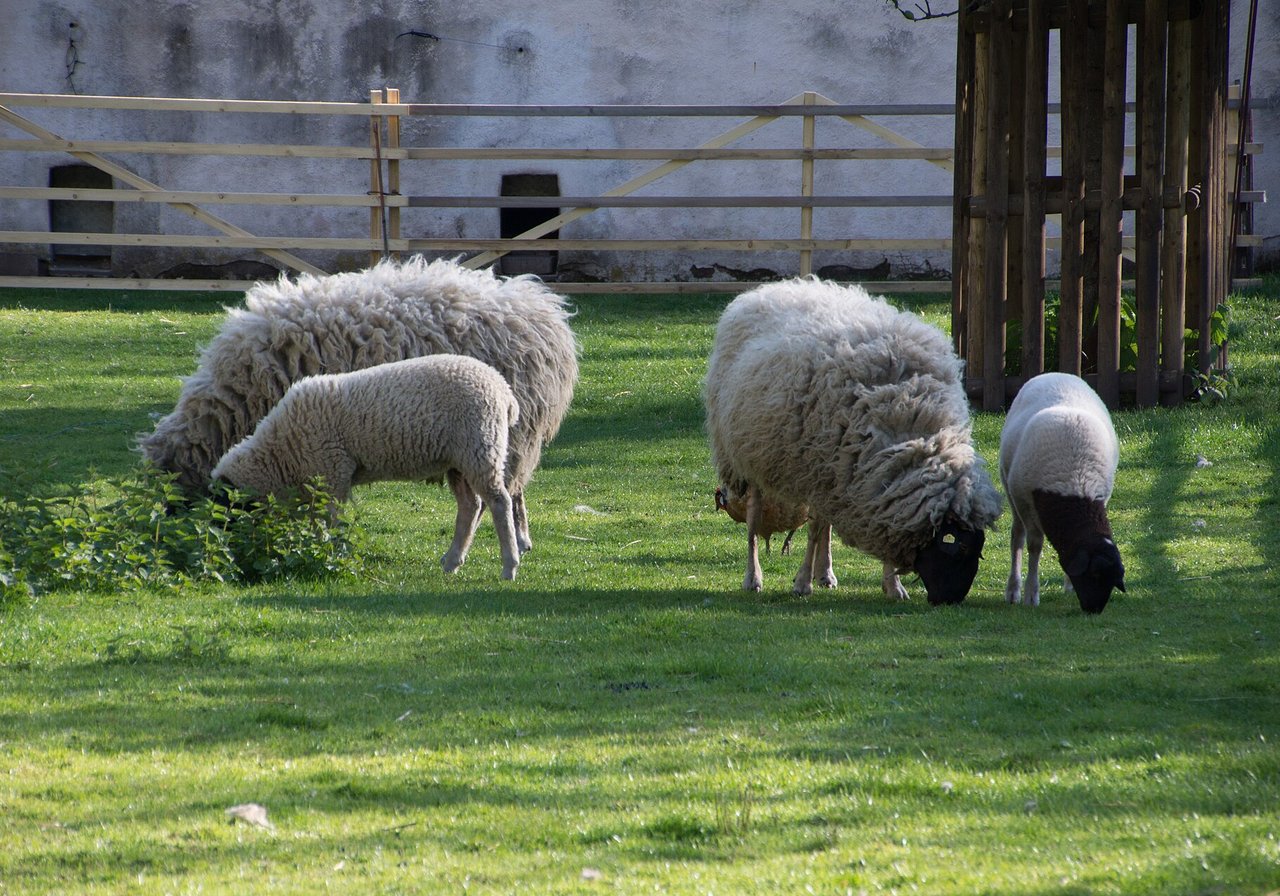
Source: Wikimedia Commons
In brief
Sheep (Ovis aries) are flock livestock domesticated from wild mouflon — social prey animals needing companions; commercial wool and lamb systems impose tail docking, transport stress and predator culls.
Also in Animals A to Z · Animals that start with S
By WARN Research & Conservation TeamLast updated
Domestic sheep (Ovis aries) were among the first livestock domesticated in the Fertile Crescent roughly 11,000 years ago from wild mouflon. More than one billion sheep supply wool, lamb meat and milk across climates from Scottish hills to Australian rangelands. Sheep are flock animals — isolation causes panic — yet tail docking, castration without pain relief and long-distance transport remain routine in commercial systems. Wild mouflon are Near Threatened in parts of their range. WARN links sheep welfare on small farms to working-animal programmes where rural veterinary access serves flocks and equines alike.
1 billion+
Sheep alive worldwide
11,000 yr
Approximate domestication history
Near Threatened
IUCN status — some wild mouflon populations
Not listed
CITES — domestic livestock
Figures sourced from IUCN Red List — Ovis gmelini, RSPCA — sheep welfare, Compassion in World Farming — sheep .
Sheep: Quick Facts
| Wild ancestor | Mouflon (Ovis gmelini) — Near Threatened in parts of range |
|---|---|
| Global population | Roughly 1 billion |
| Social rule | Flock animal — never keep alone |
| Domestication | Roughly 11,000 years in Fertile Crescent |
| Welfare issue | Mulesing, tail docking, live export |
| CITES | Not listed — domestic livestock |
Scientific Classification
| Kingdom | Animalia |
|---|---|
| Phylum | Chordata |
| Class | Mammalia |
| Order | Artiodactyla |
| Family | Bovidae |
| Genus | Ovis |
| Species | Ovis aries (Linnaeus, 1758) |
Conservation Status
- IUCN Status
- Domesticated — not assessed. Wild mouflon Near Threatened in parts of native range.
- Population
- Roughly 1 billion domestic sheep worldwide
- Trend
- Stable to increasing globally
- Assessed
- 2008 (Ovis gmelini)
- CITES
- Not listed
Key Facts: Sheep
- Sheep are flock animals — isolation causes severe stress.
- Domesticated from wild mouflon in the Fertile Crescent.
- Mulesing — cutting wool-bearing skin from Merino lambs — persists in Australia.
- Tail docking and castration often occur without analgesia.
- Sheep recognise faces and remember handling — fear increases stress at handling.
- WARN's horses appeal supports rural veterinary access benefiting flocks and working equines.
Domestication from mouflon to global flock
Archaeological evidence places sheep domestication in Mesopotamia and Anatolia alongside early agriculture. Selection produced wool breeds (Merino), meat breeds (Suffolk) and dairy breeds (East Friesian) with divergent body types. Wild mouflon (Ovis gmelini) survive in Corsica, Cyprus and parts of the Middle East — Near Threatened where hybridisation with feral domestic sheep dilutes genetics.
British hill breeds — Herdwick, Swaledale — shaped upland landscapes for centuries. Global trade moves live sheep by sea in conditions causing heat stress, injury and death on long voyages.
Flock behaviour and handling
Sheep follow flockmates and flee predators as a unit — a lone sheep panics without companions. Handlers use this herding instinct in dogs and pens, but rough handling breaks legs and causes fear-based stress that suppresses immune function. Sheep recognise individual human faces and remember mistreatment.
Shearing is necessary for modern wool breeds but stressful — skilled shearers work quickly without cutting skin. Flystrike on soiled wool around the tail is preventable through crutching and clean pasture, yet mulesing remains a controversial shortcut on Merino lambs in Australia.
Wool, lamb and welfare controversies
Merino wool drives mulesing — removing skin folds without anaesthesia to prevent flystrike, a painful procedure defended by some producers and banned in New Zealand. Tail docking reduces flystrike risk but is often done with rubber rings causing chronic pain. Lamb meat production slaughters animals at months old; older ewes are culled when breeding productivity drops.
Live export by ship from Australia to the Middle East has caused mass mortality from heat and dehydration — welfare campaigns seek bans. Grass-fed hill sheep face hard winters but often access pasture denied to feedlot livestock.
Small flocks, working farms and veterinary access
Smallholders keeping sheep for wool or meat can provide flock companionship, shelter from weather, foot trimming against footrot and prompt treatment for flystrike. Lambing assistance requires skilled intervention — dystocia kills ewes and lambs without veterinary help.
In WARN partner regions, rural families keep small ovine flocks alongside donkeys and horses for transport. Mobile clinics funded through working horses appeal reach villages where sheep and working equines share the same limited veterinary infrastructure.
Working-animal welfare and responsible engagement
Sheep are not draft animals like oxen, but their welfare intersects working-animal programmes where rural veterinarians treat multiple species on one visit. Supporting farriery and veterinary appeals improves outcomes for entire farming communities — not only horses.
Readers can choose higher-welfare wool certification, reduce lamb consumption, adopt ex-commercial sheep where sanctuaries exist and oppose live export. WARN publishes honest education without romanticising pastoral imagery that hides systematic harm.
Sheep Breeds Guide
From the fine-wool Merino and black-faced Suffolk to the shedding Dorper, four-horned Jacob, long-wool Romney, heavily muscled Texel and hardy Scottish Blackface — explore the most widely farmed sheep breeds, what each is bred for, and the welfare needs of these intelligent flock animals.
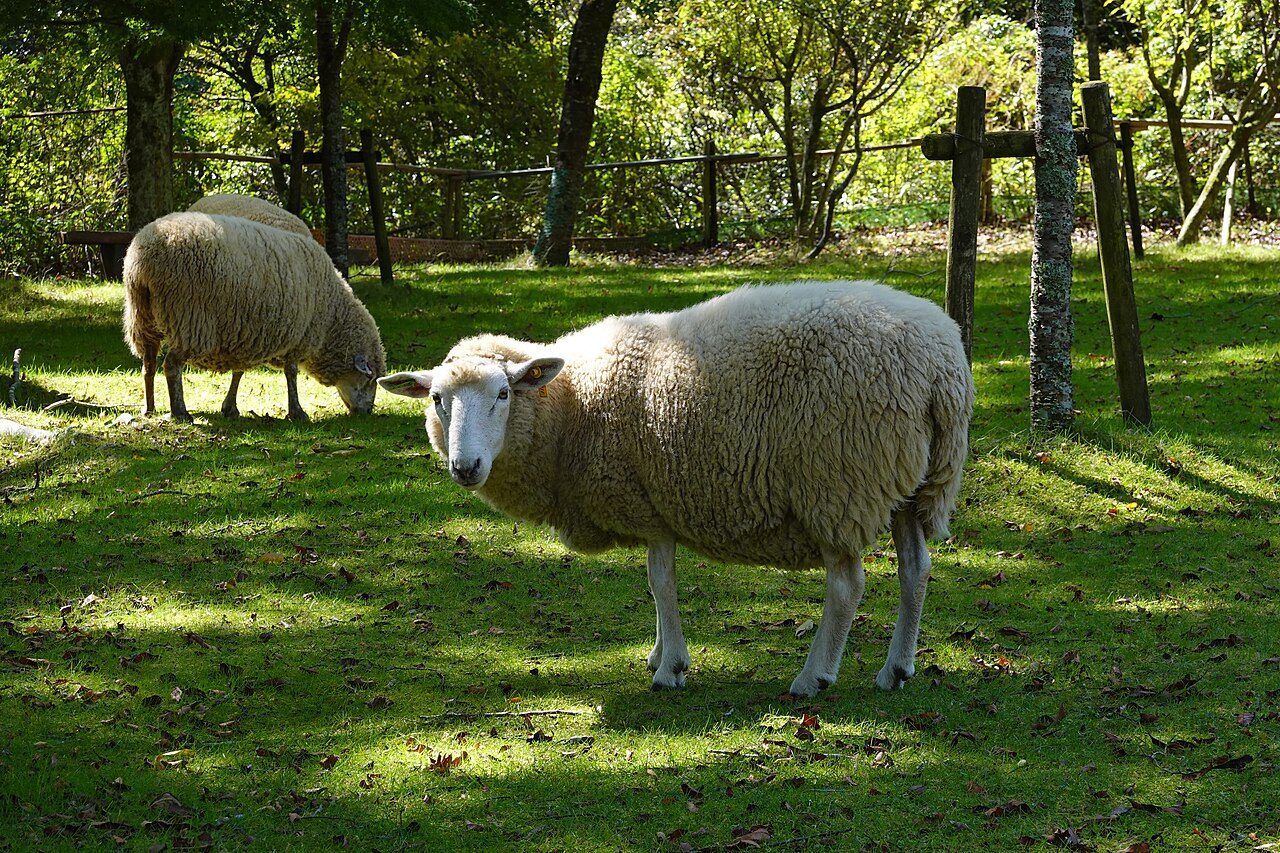
Merino
Spain (now central to Australian wool farming)
Hardy, strongly flocking, wool-focused
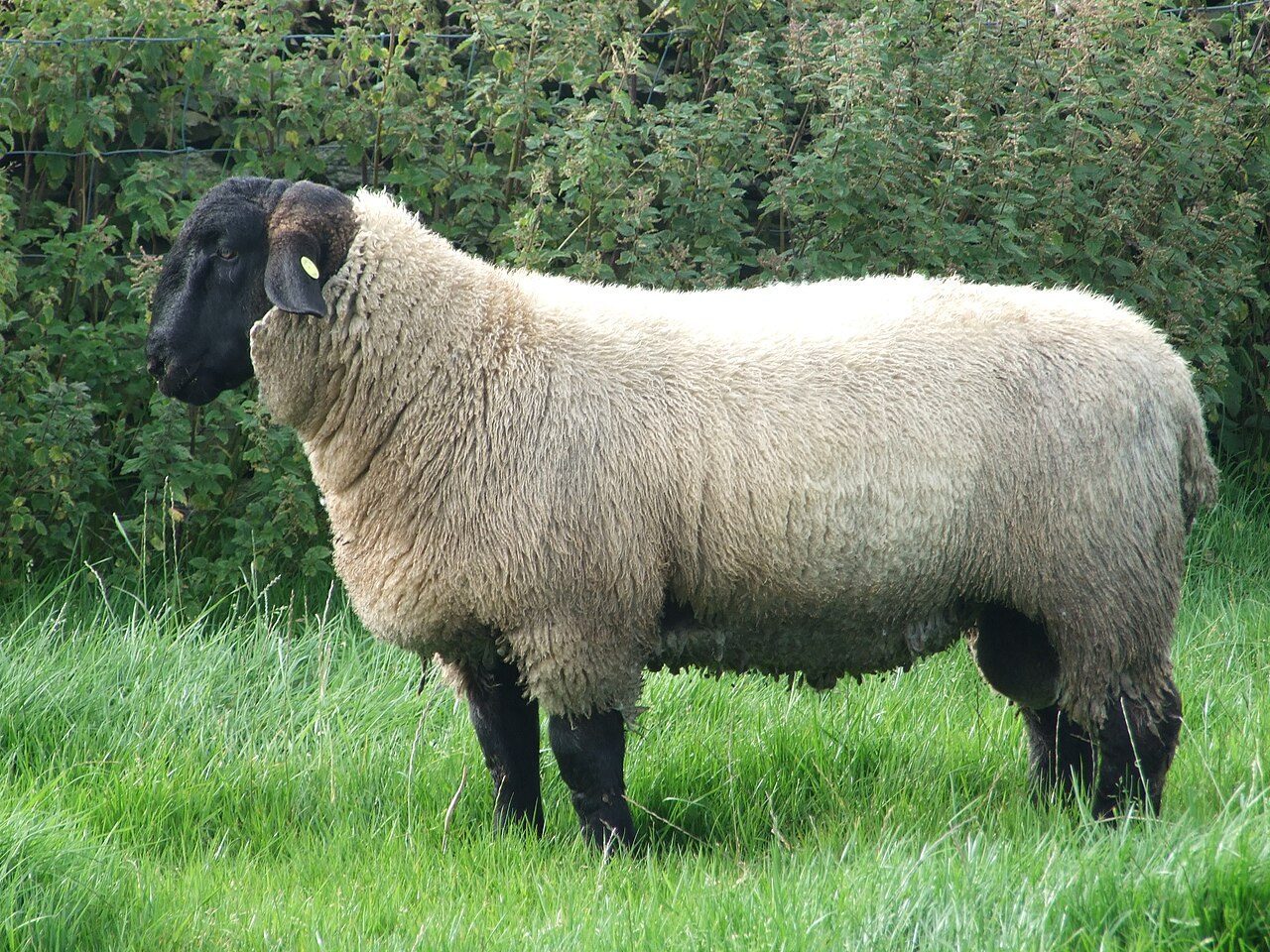
Suffolk
England (Suffolk)
Fast-growing, docile, meat breed
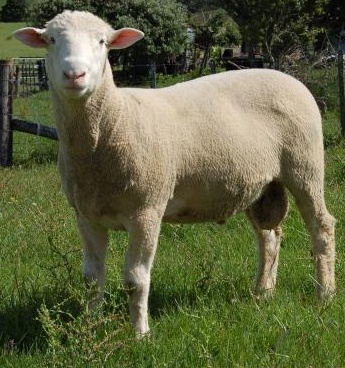
Dorset (Poll Dorset)
England (Dorset & south-west)
Prolific, can breed year-round, docile
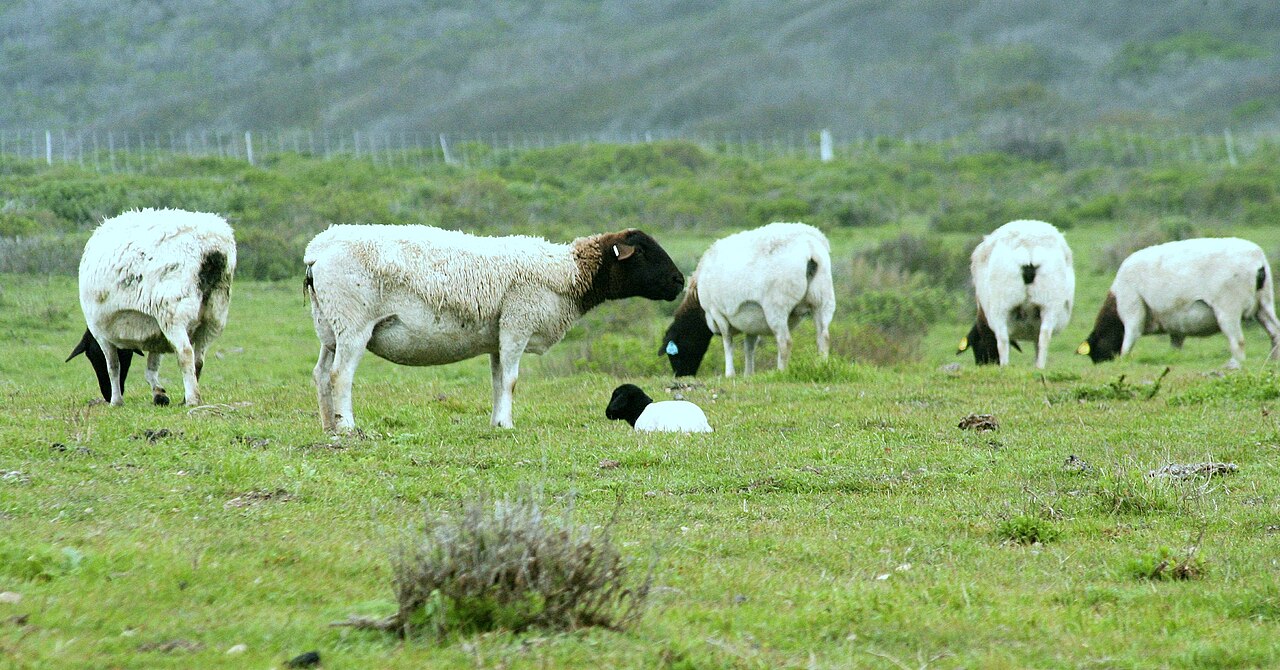
Dorper
South Africa
Hardy, low-maintenance, heat-tolerant
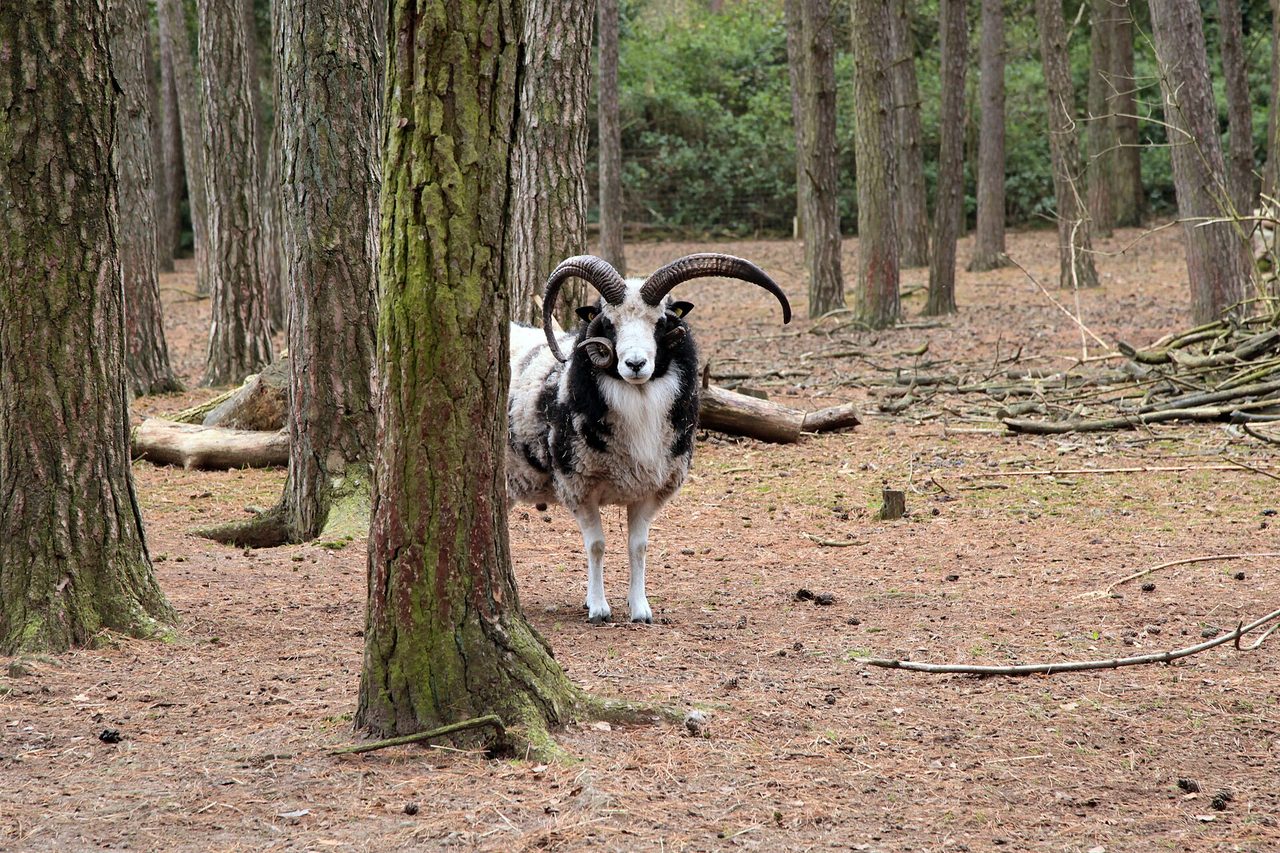
Jacob
Britain (heritage breed)
Hardy, alert, easy-care heritage breed
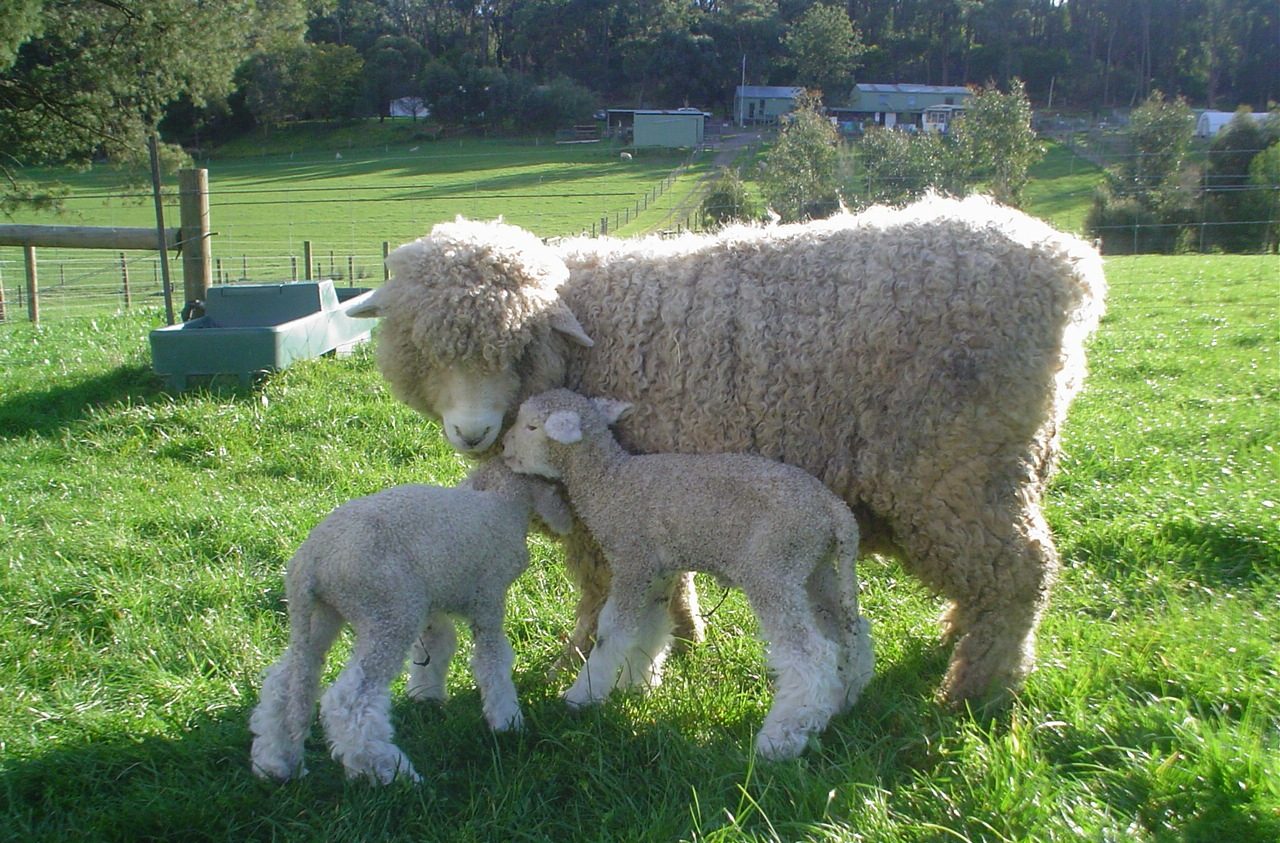
Romney
England (Romney Marsh, Kent)
Hardy, calm, wet-climate long-wool
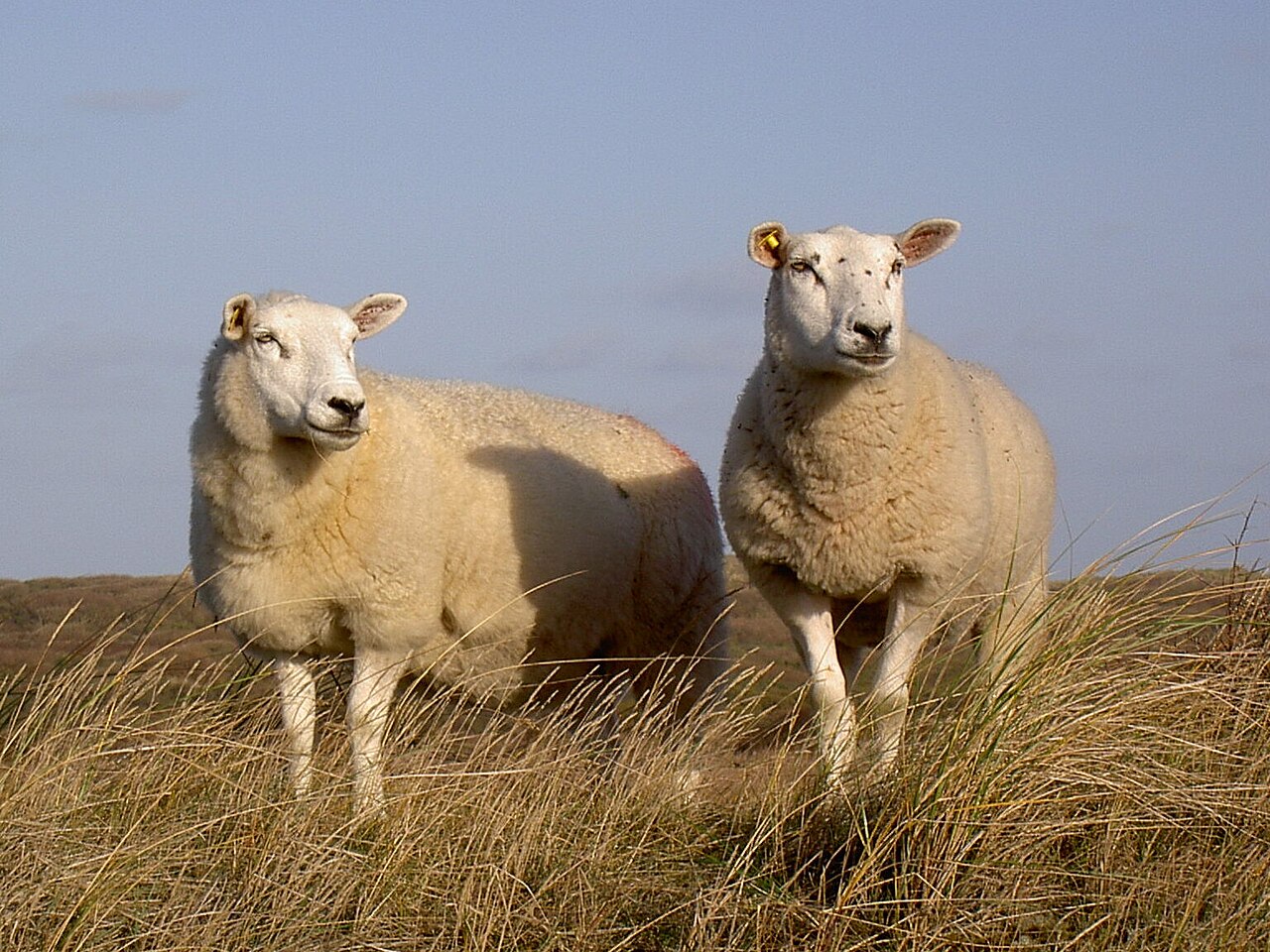
Texel
Netherlands (island of Texel)
Muscular, calm, meat breed
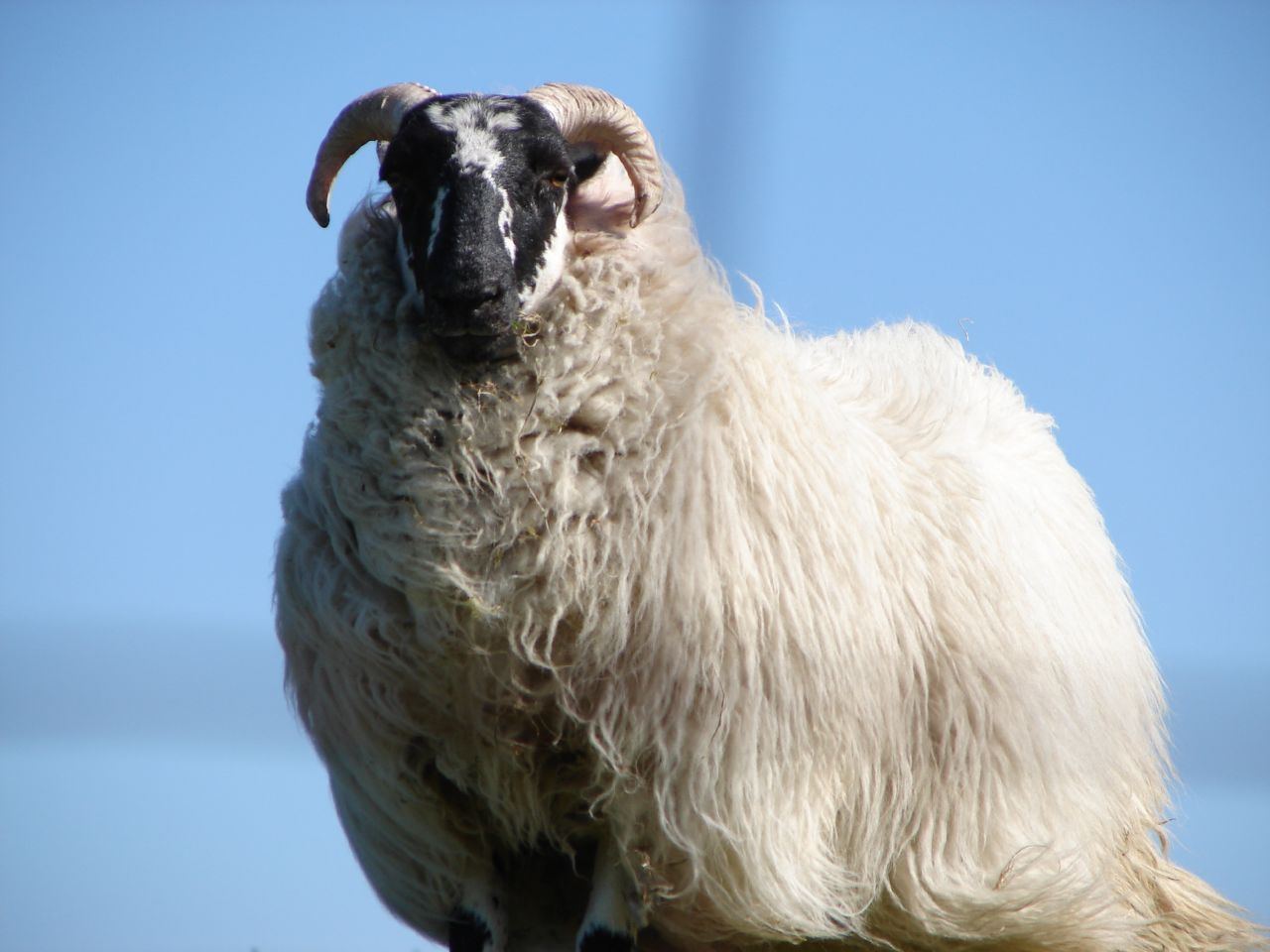
Scottish Blackface
Scotland & northern England
Very hardy, hill-adapted, independent
What WARN Does
WARN publishes this guide for education and is developing support through assessed animal-welfare grants. A species range, source citation or photograph does not establish a recipient or funding agreement. Check /about/where-your-money-goes/#grant-register for published grant and payment records; records not yet published must not be read as zero activity. Browse /appeals/ for the purposes currently available to support.
If this guide helps you understand wildlife and the pressures it faces, a gift to WARN supports habitat protection and free public education in our partner countries.
Sheep: Frequently Asked Questions
Are sheep wild animals?
Can sheep live alone?
What is mulesing?
How long do sheep live?
Where do domestic sheeps live?
Are domestic sheeps dangerous?
How big is a domestic sheep?
Sources & References
Population figures, conservation status and biological facts on this page are drawn from authoritative scientific and intergovernmental sources.
Terms used on this page
Plain-English definitions, from our wildlife and conservation glossary.
Explore more animals
Discover more animals, their habitats and their conservation status in the WARN wildlife-guide library.