Donor intent · International welfare

Help Animals Abroad

Find ways to help animals abroad: understand local needs, choose a relevant appeal and check WARN’s proposed support and funding status.

By WARN Research & Conservation TeamLast updated

Help animals abroad through WARN partner grants country-guide coverage

In brief

To help animals abroad, learn from credible local sources, support an appropriate welfare purpose and share accurate information. WARN offers appeals for assessed support; its country guides provide context and do not establish funded operations in those countries.

80%
Programme target
5
Global regions
Grants
Partner-led model

Found an animal that needs help?

Find the right next step

Choose what you can see to find practical guidance and contact options. WARN does not operate an emergency dispatch service. If a person is in immediate danger, contact local emergency services.

Keep a safe distance and contact a professional. Contact options updated for Choose location / elsewhere.

Keep a safe distance and contact a professional

  1. Observe from a safe place and keep children and pets away. Do not approach large wildlife, bats, snakes, birds of prey, or sick or dead birds.
  2. Contact a wildlife rehabilitator, local wildlife authority or vet promptly. Describe visible injuries, breathing difficulty, entanglement or a collision without trying to diagnose the animal.
  3. Ask for species-specific instructions before handling, moving or feeding it. Do not enter a road, fire zone, railway or water to attempt a rescue.

Guidance: RSPCA: injured wildlife advice. Reviewed 8 September 2026.

Contact options

These independent services have their own areas, hours and capacity. For an injured dog or cat, call a local veterinary practice first. If you cannot reach a responder, try the local wildlife authority or another vet; do not wait for a reply from WARN.

What to tell a responder

Share the exact location or map pin, when you found the animal, what you can see and how to contact you. Take a photo only from a safe distance. Explain any nearby traffic, fire, water, people or pets so the responder can plan an appropriate response.

Guide 1

Why Helping Animals Abroad Matters

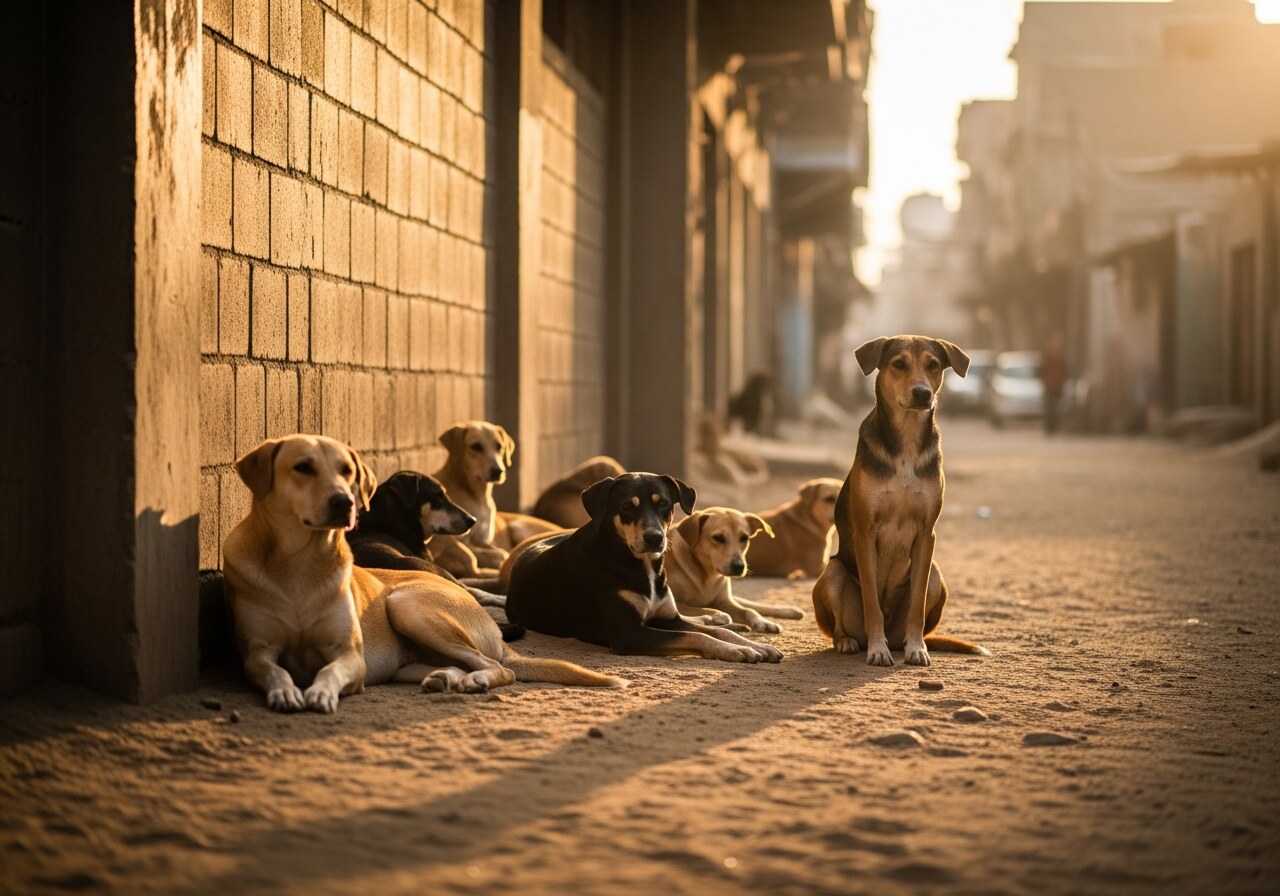
Street dogs face culling where CNVR is absent. Pangolins are the most trafficked mammals on Earth. Orangutan orphans need years of forest-school rehabilitation. Working donkeys suffer preventable lameness. These problems need in-country expertise — WARN channels international donations to partners who deliver field work.

Guide 2

How WARN Helps Animals Abroad

WARN is a grant-making UK CIC global not-for-profit. It does not operate WARN-branded facilities abroad. Established local shelters, sanctuaries and veterinary teams receive grants with transparent reporting — reaching frontline need without duplicating infrastructure.

Guide 3

Animal-welfare issues covered by the guides

Street dog CNVR in Pakistan, the Philippines, India and Nepal. Community cats and meat-trade rescue in Indonesia, Vietnam and Malaysia. Elephants and tigers in Indonesia and Malaysia. Gorillas in Uganda and Rwanda. Working equines in Pakistan and Kenya. Browse where we work for geography.

Guide 4

How to Start Helping from Home

Donate at donate, choose a species appeal at appeals, or set up monthly giving at monthly giving. Symbolic adoption at symbolic adoption from £5/month provides species-framed recurring support. Every gift is receipted by email.

Guide 5

Volunteering Versus Donating Abroad

WARN does not organise volunteer tourism — ethical partner programmes minimise unnecessary human contact with wildlife in rehabilitation. Financial grants are the highest-impact way most international supporters help. Contact local organisations directly if you seek hands-on volunteering abroad.

Guide 6

Gift Aid and Tax Honesty

Legal identity: registration status. US donors: WARN is not a 501(c)(3). The case for helping animals abroad is transparent field delivery — not tax relief.

Guide 7

Monthly Versus One-Off International Help

CNVR and rehabilitation need multi-year income. Monthly at monthly giving helps partners schedule repeat vaccination rounds and orphan care. One-off gifts suit urgent seizures and culling crises.

Guide 8

Combining Local and International Help

Many supporters help animals locally through shelters and help abroad through WARN monthly. Both routes are valid — see donate to animal shelter for an honest framework.

Guide 9

Programme Routing for International Giving

Street dogs: Karachi street-dog appeal. Meat trade: dog and cat meat trade appeal. Wildlife: appeals. Country pages: where we work. UK route: donate animal charity abroad.

Explore Related Rescue Work

Wildlife guide

Orangutan

Orangutans are Critically Endangered great apes found only in Borneo and Sumatra; all three species — Bornean, Sumatran, and Tapanuli — face extinction driven mainly by habitat loss from palm oil and logging, plus the illegal pet trade.

Wildlife guide

Elephant

Elephants are three living species, not one. Asian and African savanna elephants are Endangered; African forest elephants are Critically Endangered. Gestation is about 22 months. The related appeal explains potential support and the current funding status; this guide does not confirm a WARN grant. Asian elephants have one trunk-tip finger; African elephants have two.

Wildlife guide

Street Dog

An estimated 200 million street dogs live worldwide; they are the same species as pet dogs (Canis lupus familiaris), and WHO-endorsed Catch-Neuter-Vaccinate-Return programmes are the proven humane way to reduce their numbers and control rabies, whereas culling does not work.

Country programme

Indonesia

Indonesia’s forests, islands and coasts support remarkable wildlife, including all three orangutan species. Animal welfare and conservation needs differ between Kalimantan, Sumatra and the wider archipelago.

Country programme

Malaysia

Animal welfare in Malaysia spans Peninsular forests, Sabah and Sarawak on Borneo, and marine habitats. Place and species matter when assessing a conservation need or deciding who can help.

Country programme

Pakistan

Pakistan has distinct animal welfare needs in cities, working-animal communities and wildlife habitats. Karachi street dogs are the focus of a WARN appeal; a country guide is not evidence of an operating WARN clinic.

Country programme

Kenya

Kenya’s savannas, highlands, freshwater habitats and coast support wildlife alongside communities and working animals. Rescue needs and conservation priorities vary by place and species.

Country programme

Uganda

Uganda’s forests, savannas and wetlands support wildlife alongside communities and livelihoods. Conservation support needs to fit the habitat, species and responsible local organisation.

Source Notes

WARN uses named intergovernmental, conservation and animal-welfare sources for numeric claims. These notes summarise the source basis for this page.

WARN countries index

Programme geography at where we work.

WARN registration status

Legal identity at registration status.

WHO rabies guidance

Mass dog vaccination for public health in partner countries.

Help Animals Abroad: Frequently Asked Questions

How can I help animals abroad?
The country guides describe welfare issues and places; they do not establish funded WARN operations.
Does WARN rehome animals from abroad?
No. WARN aims to raise support for in situ partner welfare — the highest-impact model for population-scale problems.
Which countries can I help through WARN?
17 countries across South Asia, Southeast Asia, East Africa, Southern Africa and South America — see where we work.
Can I help animals abroad monthly?
Yes — monthly giving or symbolic adoption at symbolic adoption from £5/month.
Is helping animals abroad through WARN Gift Aid eligible?
No. WARN is a registered global not-for-profit and cannot claim Gift Aid
What programmes help street dogs abroad?
CNVR and rabies vaccination at Karachi street-dog appeal — see help street dogs abroad.
Can US donors help animals abroad through WARN?
Yes in USD at donate — not US tax-deductible. See donate to animal rescue us.
How do I know help reaches animals abroad?
WARN targets 80% programme funding and publishes registration at registration status.
Can US donors help animals abroad through WARN?
Yes in USD at donate — see donate to animal rescue us for honest 501(c)(3) answers.
How can I check whether WARN has paid a grant?
Read /about/where-your-money-goes/#grant-register for published recipient, approval and payment records. A reconciled financial summary and individual grant records have not yet been published here. This is a reporting status, not a statement that income, expenditure or grants are zero. Contact WARN for information about your gift.

Help Fund Frontline Rescue

World Animal Rescue Network CIC (Company no. 17298990) raises funds for established local partners. Your support helps build the rescue capacity these animals need.

Help Animals Abroad