Malaysia · Transit routes

Malaysia Wildlife Trafficking

Why Malaysia is a major wildlife trafficking transit country, and how rescue, customs detection and rehabilitation capacity can reduce harm.

By WARN Research & Conservation TeamLast updated

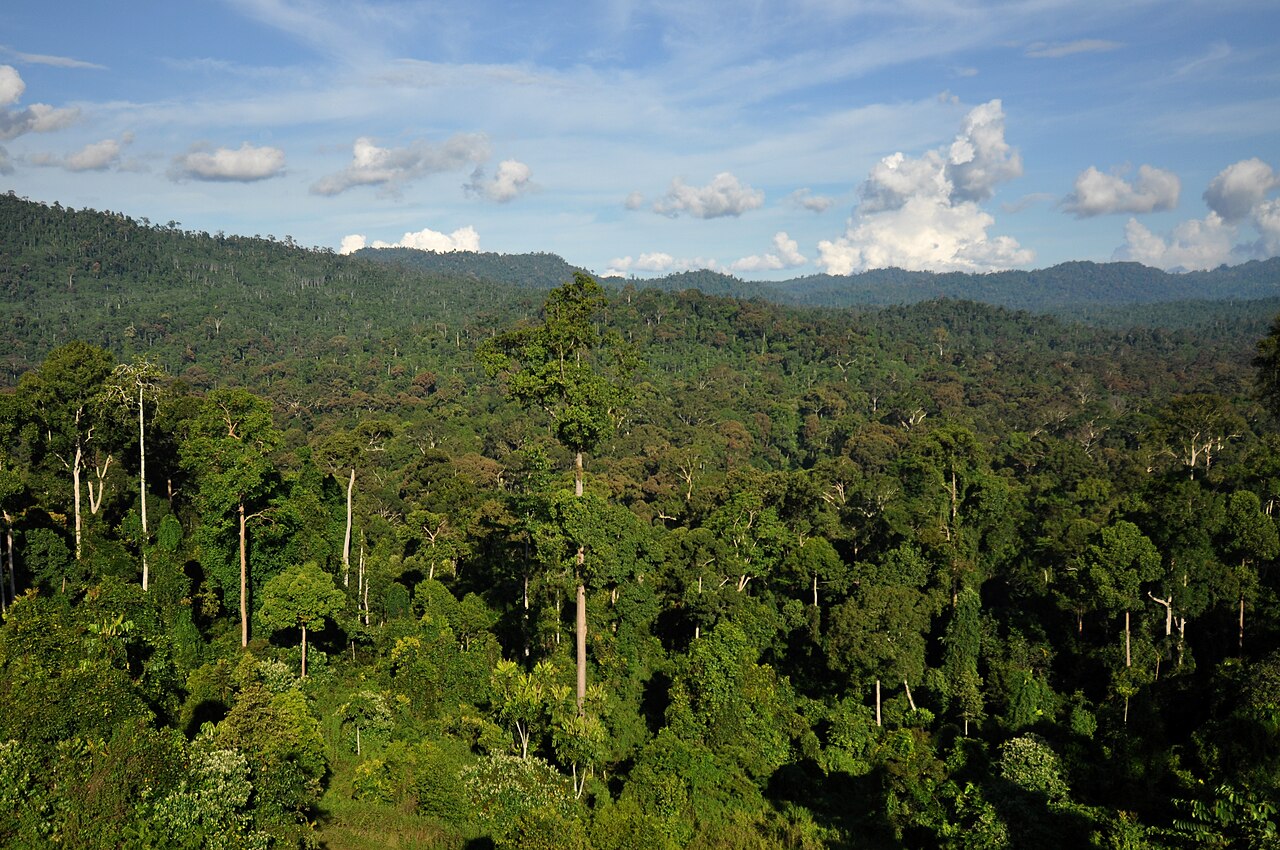
An expansive canopy of mature tropical rainforest across green hills in Sabah, Malaysian Borneo.

In brief

Malaysia wildlife trafficking matters because the country sits on key regional routes for pangolins, birds, reptiles and big-cat parts, making customs detection and live-animal rescue capacity especially important.

Transit
Regional trafficking role
Pangolins
High-risk group
Ports
Key chokepoints
Rescue
Live seizure need

Guide 1

Why Malaysia Is a Trafficking Chokepoint

Malaysia connects wildlife source areas in Indonesia and Borneo with demand and transit routes across mainland Asia. Airports, ports and road links can move both live animals and wildlife parts, making enforcement and rapid rescue response essential.

Guide 2

Which Animals Are Affected

Pangolins are especially associated with regional trafficking, but trafficked wildlife can also include birds, reptiles, primates, bear parts and big-cat products. Live seizures need immediate care because many animals are dehydrated, injured or severely stressed.

Guide 3

What Reduces the Harm

The most useful interventions combine customs training, species identification, evidence handling, quarantine space, veterinary response and safe placement with rehabilitation partners who can release or care for survivors.

Guide 4

Port Klang and Airport Seizure Response

Malaysia appears repeatedly in UNODC wildlife crime reporting as a transit hub for pangolins, ivory, live birds and exotic pets. Rapid veterinary triage at seizure points prevents animals disappearing back into trade — the gap WARN partner grants address.

Guide 5

Live Seizure Triage Capacity

Customs intercepts need immediate placement: quarantine pens, species-appropriate diets and veterinary assessment. Without funded capacity, live animals are euthanised or returned to traders. Potential grants could support triage infrastructure at key chokepoints.

Explore Related Rescue Work

Wildlife guide

Orangutan

Orangutans are Critically Endangered great apes found only in Borneo and Sumatra; all three species — Bornean, Sumatran, and Tapanuli — face extinction driven mainly by habitat loss from palm oil and logging, plus the illegal pet trade.

Wildlife guide

Pangolin

Pangolins are the world's most heavily trafficked wild mammals; all eight species are threatened by illegal trade in their keratin scales, used in traditional medicine across Asia, with the Chinese and Sunda pangolins now Critically Endangered.

Wildlife guide

Slow Loris

Slow lorises are small nocturnal primates from South and Southeast Asia; every species is threatened with extinction — ranging from Vulnerable to Critically Endangered — largely because of the illegal pet trade, which is fuelled in part by viral social media videos.

Country programme

Indonesia

Indonesia’s forests, islands and coasts support remarkable wildlife, including all three orangutan species. Animal welfare and conservation needs differ between Kalimantan, Sumatra and the wider archipelago.

Country programme

Malaysia

Animal welfare in Malaysia spans Peninsular forests, Sabah and Sarawak on Borneo, and marine habitats. Place and species matter when assessing a conservation need or deciding who can help.

Country programme

Vietnam

Vietnam’s forests, rivers and coasts face habitat and wildlife-trade pressures. Animal care after confiscation and longer-term habitat protection are related needs with different responsibilities.

Source Notes

WARN uses named intergovernmental, conservation and animal-welfare sources for numeric claims. These notes summarise the source basis for this page.

UNODC wildlife crime reporting

Regional trafficking reports identify Malaysia as a significant route and seizure location.

CITES

Many affected species are protected by international trade controls.

IUCN Red List

Several species affected by trafficking in Malaysia are threatened with extinction.

Malaysia Wildlife Trafficking: Frequently Asked Questions

Why is Malaysia important in wildlife trafficking?
Malaysia is geographically positioned between major source forests and regional demand routes, so it appears as both a source and transit point in trafficking patterns.
Which animals are trafficked through Malaysia?
Pangolins are a major concern, alongside birds, reptiles, primates and wildlife parts linked to wider regional trade.
What happens after a live seizure?
Animals need rapid triage, quarantine, veterinary care and placement with specialists who can assess release or sanctuary options.
Why is Malaysia a trafficking hub?
Geography places Malaysia between source forests in Indonesia and demand markets in mainland Asia, with major air and sea ports.
Can UK donors fund anti-trafficking in Malaysia?
Yes — pangolin appeal, tiger appeal and parrot appeal all fund partner-led detection and seizure response in Malaysia.
What species are trafficked through Malaysia?
Sunda pangolins, Malayan tigers, parrots, sun bears, slow lorises and ivory — among the most commonly seized.
Does WARN work with Malaysian customs?
WARN is developing grant support. Check the relevant appeal and /about/where-your-money-goes/#grant-register for recipient selection, agreements and published payments.
How can I check whether WARN has paid a grant?
Read /about/where-your-money-goes/#grant-register for published recipient, approval and payment records. A reconciled financial summary and individual grant records have not yet been published here. This is a reporting status, not a statement that income, expenditure or grants are zero. Contact WARN for information about your gift.

Help Fund Frontline Rescue

World Animal Rescue Network CIC (Company no. 17298990) raises funds for established local partners. Your support helps build the rescue capacity these animals need.

Support Pangolin Rescue