US donors · Wildlife rescue intent

UK donor? Read the GBP and Gift Aid version of this guide.

Donate to Wildlife Rescue from the United States

Explore wildlife rescue giving from the US, species appeal purposes, proposed support and WARN’s legal and funding status.

By WARN Research & Conservation TeamLast updated

Wildlife rescue abroad funded by US donors through WARN partner grants

In brief

US donors can choose a WARN wildlife appeal and contribute in USD after reviewing its purpose and funding status. The appeal describes proposed eligible support; it does not guarantee a rescue or prove that a grant has been paid. WARN is not a US 501(c)(3).

80%
Program funding target
USD
US checkout
Multiple
Species appeals

Guide 1

Wildlife Rescue Programs US Donors Can Fund

Pangolin triage in Malaysia, tiger anti-poaching in Indonesia, gorilla snare removal in Uganda, orangutan forest school in Borneo, rhino orphan care in South Africa and parrot soft release in Colombia — all partner-led through WARN appeals at appeals.

Guide 2

How to Donate from the US

Pay in USD at donate or choose a species-specific appeal. Set up monthly giving at monthly giving or symbolic adoption at symbolic adoption from $5/month. Every gift is receipted by email — not US tax-deductible.

Guide 3

Anti-Trafficking and Seizure Response

Wildlife rescue includes post-seizure triage when customs intercepts pangolins, parrots or big-cat parts. Potential grants could support quarantine, veterinary assessment and release monitoring — see stop wildlife trafficking donation.

Guide 4

Forest corridor protection through habitat protection appeal reduces displacement that drives orangutan, tiger and jaguar rescue need. Habitat and species appeals complement each other across Indonesia, Malaysia, Brazil and Colombia.

Guide 5

Honest Scope — Partner-Led, Not WARN-Run

WARN does not operate its own wildlife sanctuaries. The country guides describe welfare issues and places; they do not establish funded WARN operations.

Guide 6

501(c)(3) Status for US Wildlife Donors

WARN is a UK CIC global not-for-profit — not a US 501(c)(3). The case for wildlife giving is transparent partner-led delivery — not tax relief. See us tax deductible international animal donation for full US tax context.

Guide 7

Monthly Versus One-Off Wildlife Donations

Monthly adoption at symbolic adoption or monthly giving helps partners maintain year-round patrol and rehabilitation capacity. One-off gifts suit urgent seizure response. No verified price for stocking quarantine is published here.

Guide 8

Species Routing for US Wildlife Donors

Explore Related Rescue Work

Wildlife guide

Orangutan

Orangutans are Critically Endangered great apes found only in Borneo and Sumatra; all three species — Bornean, Sumatran, and Tapanuli — face extinction driven mainly by habitat loss from palm oil and logging, plus the illegal pet trade.

Wildlife guide

Pangolin

Pangolins are the world's most heavily trafficked wild mammals; all eight species are threatened by illegal trade in their keratin scales, used in traditional medicine across Asia, with the Chinese and Sunda pangolins now Critically Endangered.

Wildlife guide

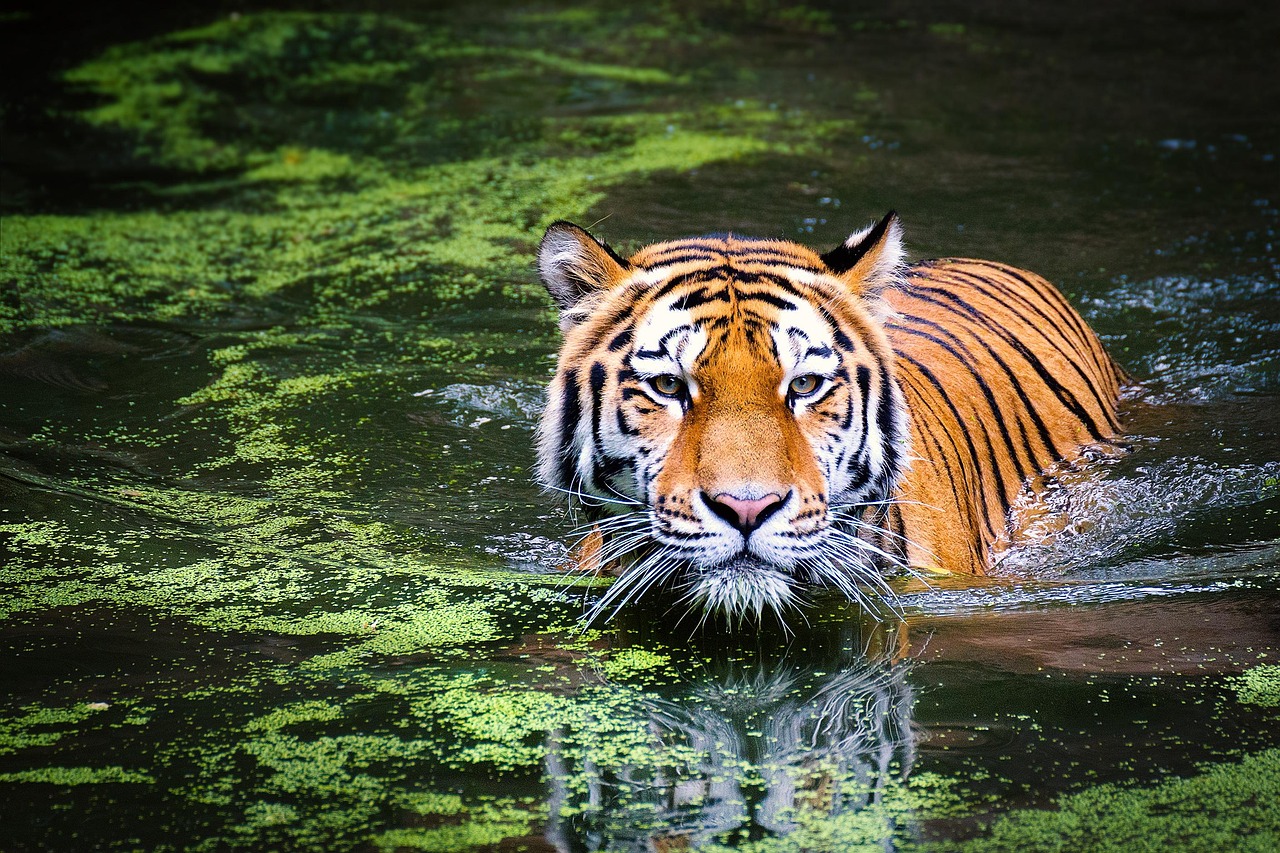
Tiger

A tiger (Panthera tigris) is the largest living cat, listed Endangered by the IUCN in 2022. Sumatran and Malayan tigers are Critically Endangered. Fewer than 600 Sumatran tigers and about 80–120 mature Malayan tigers remain. Tigers are not lions. They are solitary forest hunters, not social like African lions.

Wildlife guide

Gorilla

A gorilla is the largest living primate, a ground-dwelling, mostly plant-eating great ape native to the forests of equatorial Africa. There are two Critically Endangered species — the Western and Eastern gorilla — and gorillas share roughly 98% of their DNA with humans.

Country program

Indonesia

Indonesia’s forests, islands and coasts support remarkable wildlife, including all three orangutan species. Animal welfare and conservation needs differ between Kalimantan, Sumatra and the wider archipelago.

Country program

Malaysia

Animal welfare in Malaysia spans Peninsular forests, Sabah and Sarawak on Borneo, and marine habitats. Place and species matter when assessing a conservation need or deciding who can help.

Country program

Kenya

Kenya’s savannas, highlands, freshwater habitats and coast support wildlife alongside communities and working animals. Rescue needs and conservation priorities vary by place and species.

Country program

South Africa

South Africa’s wildlife and animal welfare needs span protected areas, working landscapes and communities. Species protection, individual care and habitat management require different kinds of expertise.

Country program

Uganda

Uganda’s forests, savannas and wetlands support wildlife alongside communities and livelihoods. Conservation support needs to fit the habitat, species and responsible local organization.

Source Notes

WARN uses named intergovernmental, conservation and animal-welfare sources for numeric claims. These notes summarize the source basis for this page.

WARN registration and funding status

Read the legal identity, donation terms and public grant register before giving.

Read the source — WARN registration and funding status (opens in a new tab)

Donate to Wildlife Rescue from the United States: Frequently Asked Questions

Can US donors fund wildlife rescue abroad?
The country guides describe welfare issues and places; they do not establish funded WARN operations.
Which wildlife appeals does WARN offer?
Elephants, tigers, orangutans, pangolins, gorillas, lions, rhinos, parrots, jaguars, moon bears, slow lorises, sea turtles and habitats.
Are wildlife donations US tax-deductible?
No. WARN is a UK CIC global not-for-profit, not a US 501(c)(3).
Can I adopt a wild animal symbolically from the US?
Yes — symbolic adoption from $5/month for elephant, tiger, orangutan, pangolin, sea turtle and macaw programs.
Does WARN run wildlife sanctuaries?
No. WARN is developing grant support. Check the relevant appeal and /about/where-your-money-goes/#grant-register for recipient selection, agreements and published payments.
How do I donate after a wildlife trafficking seizure?
Give at pangolin appeal or parrot appeal for seizure triage programs — see stop wildlife trafficking donation.
Can I give monthly to wildlife rescue?
Yes — monthly giving or symbolic adoption at symbolic adoption from $5/month.
Which countries does wildlife donation reach?
The country guides describe welfare issues and places; they do not establish funded WARN operations.
How can I check whether WARN has paid a grant?
Read /about/where-your-money-goes/#grant-register for published recipient, approval and payment records. A reconciled financial summary and individual grant records have not yet been published here. This is a reporting status, not a statement that income, expenditure or grants are zero. Contact WARN for information about your gift.

Help Fund Frontline Rescue

World Animal Rescue Network CIC (Company no. 17298990) raises funds for established local partners. Your support helps build the rescue capacity these animals need.

Browse Wildlife Appeals